Writing Characters That Players Actually Care About
24 April 2026
Let’s be honest—nobody wants to spend 40 hours in a game chasing objectives led by cardboard cutouts of characters. You know the type: lifeless, cliché-ridden, emotionless NPCs who you'd forget faster than the last fetch quest you did. If your characters don’t have depth, then players won't care, and if players don't care, they won't stick around.
So how do you go from forgettable to unforgettable? Let’s dive in and talk about writing characters that players actually care about—the kind that make people laugh, cry, and throw their controllers across the room because they got too attached.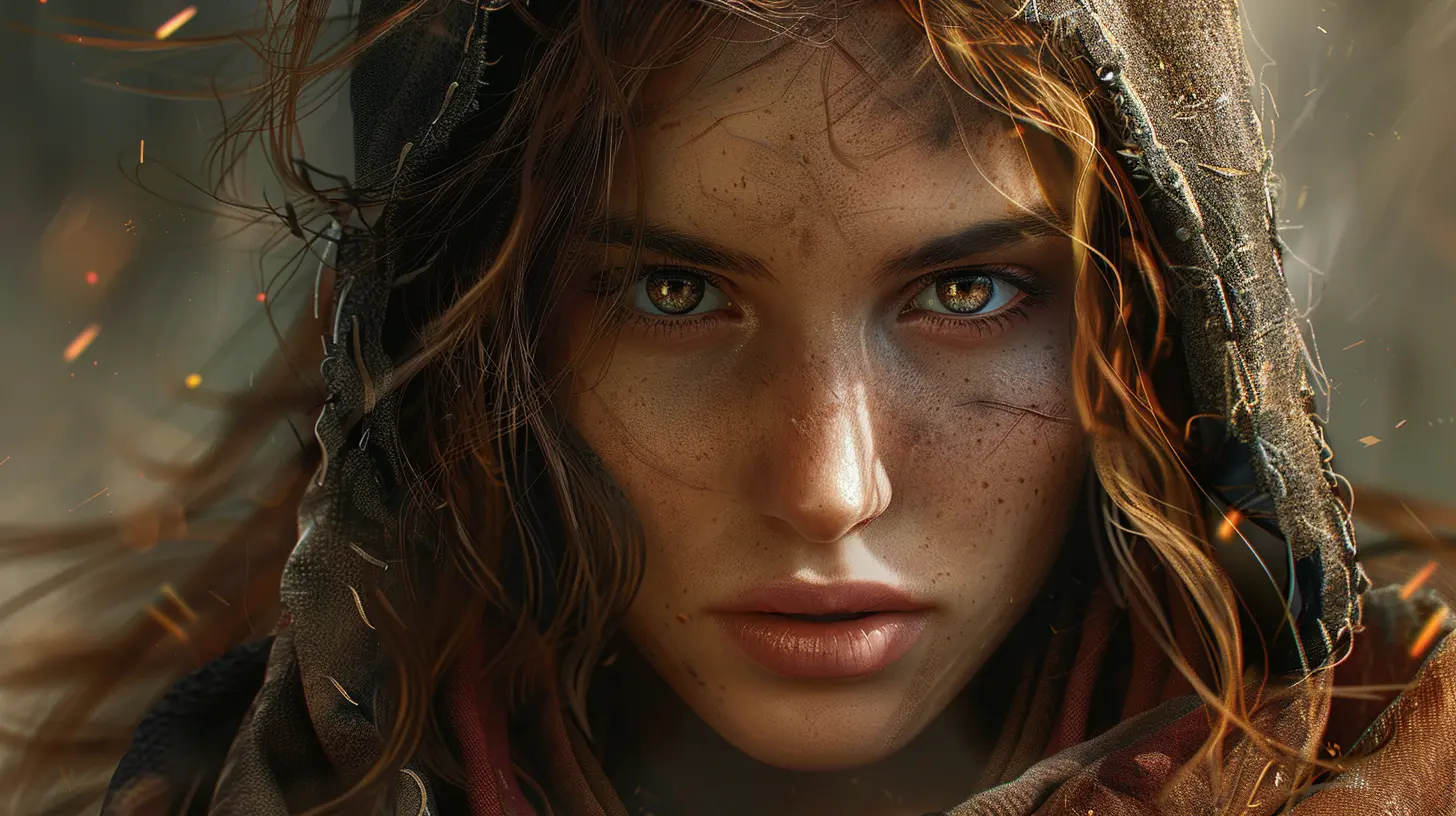
Why Characters Really, Really Matter in Games
Characters are the emotional glue of any story-driven game. Sure, tight mechanics and jaw-dropping visuals are important—but even the flashiest RPG falls flat without characters that feel real. Think about Joel and Ellie (The Last of Us), or Geralt (The Witcher series). Why do we adore them? Because we connect with them on a deeper level. They're flawed, layered, and oh-so-human.Games are interactive. Players aren’t just watching a story—they’re living it. That means characters are the lens through which players experience the world and the story. If those characters feel real, the world feels real too.
Step #1: Build a Character, Not a Checklist
Let’s squash the first common mistake: creating characters based on tropes or checklists. “Cool loner with a dark past”? That's a decent start, but it's not enough.Characters shouldn’t exist to fill a role—they should feel like they existed before the game began and will continue existing after it ends.
Ask Yourself:
- What do they want more than anything?- What are they afraid of?
- How do they talk when they’re angry, happy, or panicked?
- What keeps them up at night?
Once you start asking these questions, your character starts to breathe.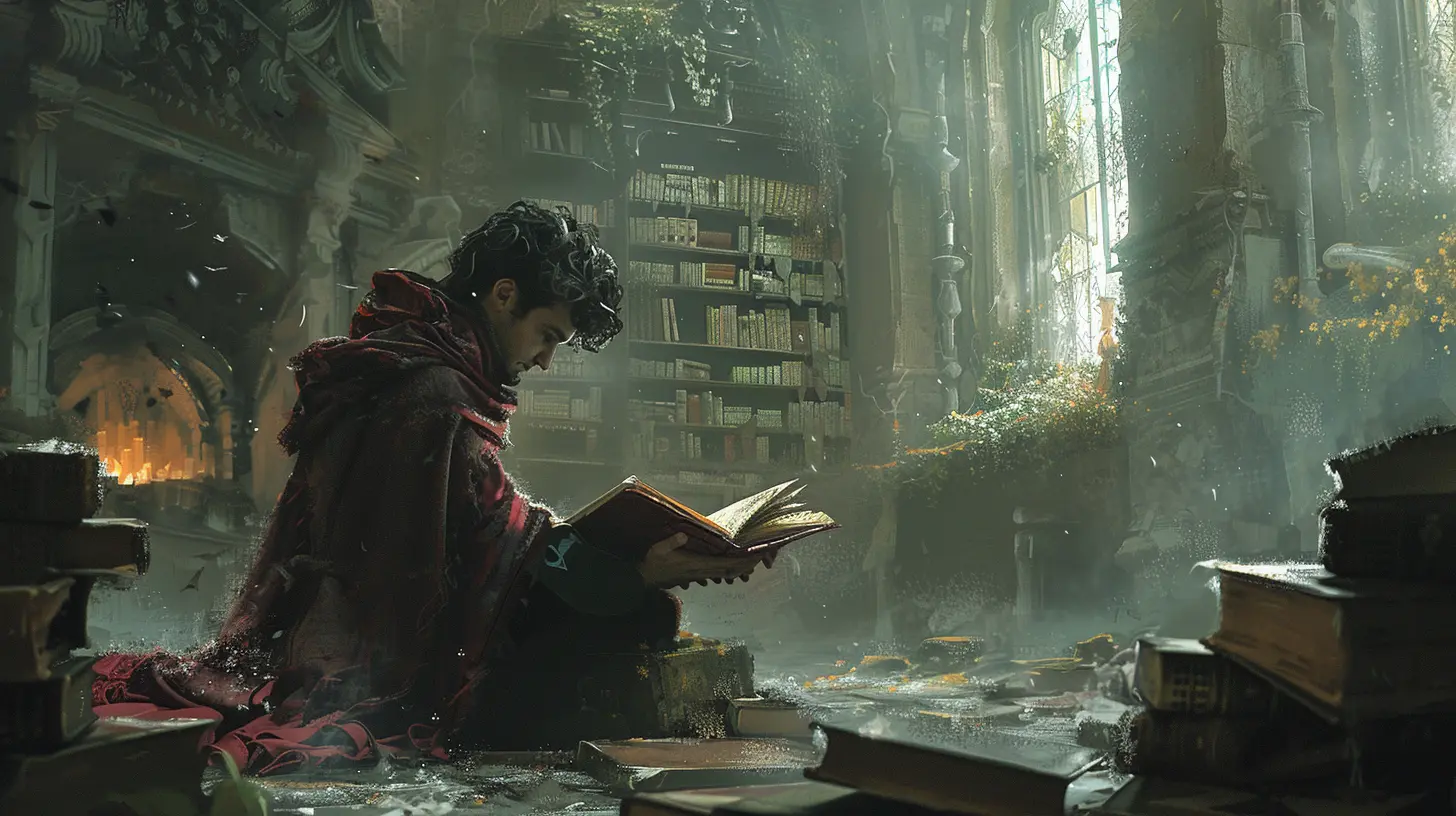
Step #2: Give Them Flaws—Yes, Seriously
Perfect characters are boring. Imagine watching a movie where the hero always makes the right decisions, always wins, and never struggles. Snooze-fest, right?Players connect with characters who mess up, learn, and grow. Think about Arthur Morgan. He starts out loyal to the gang but begins questioning everything. That inner conflict? That’s gold. It makes him human.
Flaws anchor characters. Maybe your mage has a temper. Maybe your rogue is terrified of commitment. Whatever it is, make it personal and make sure it stings.
Step #3: Let Players Influence the Relationship
Games aren’t books or films—they’re interactive. That gives writers a secret weapon: player choice.Let players build relationships with characters over time. Games like Mass Effect and Dragon Age absolutely nail this. You spend hours with your squad, choosing dialogue, influencing decisions, and even romancing them. That investment? It pays off in emotional dividends.
Here’s an idea: Create branching dialogue that reveals different sides of a character based on how the player behaves. Suddenly, the player isn’t a passive observer—they’re inside that relationship.
Step #4: Voice and Dialogue Make or Break It
People talk in wildly different ways. Some are sarcastic. Some ramble. Some drop F-bombs like it’s punctuation. How your characters speak says more about them than their armor or backstory ever could.Don’t just write dialogue. Write personality.
An uptight noble might say:> "I find your proposition distasteful at best."
Whereas a scrappy rogue might say:
> "Pfft—Hard pass, fancy pants."
Same message, totally different voice. And trust me, players notice when characterization is baked into dialogue.
Pro tip: Read your dialogue out loud. If it sounds flat or robotic, rewrite it. Your characters should sound like real people—not walking exposition machines.
Step #5: Make Them Do Something
Actions speak louder than words—especially in games. A character who says they're brave doesn’t mean much unless we see them being brave. Maybe they dive into danger to save a stranger, or face off against their worst fear.Show don't tell.
Let characters reveal who they are through what they choose to do, or not do. Maybe they have to betray the player in one scene to stay true to their beliefs. Ouch, that hurts—but it makes them real.
Remember: Complexity doesn’t mean confusion. A well-written character acts according to their values and fears, even if it costs them something.
Step #6: Build Relationships, Not Just Roles
Good games don’t just have good characters—they have good dynamics between those characters.Think of the dialogue between Kratos and Atreus. That father-son tension? It's packed with emotion and growth. Or the squad banter in Fire Emblem—small exchanges that build big connections.
Build character-to-character chemistry. Let them argue. Let them joke. Let them share quiet moments. These little moments live rent-free in players' brains long after the credits roll.
Step #7: Let Them Change (or Not)
A character arc is basically watching a personality go on a journey. But here’s the twist—not every character needs to change. Sometimes refusing to grow says more than transforming does.But if you are giving your character an arc, don't be lazy about it. Don't have them do a 180 just because the plot demands it. Let pain, relationships, or player choices guide that growth.
Nothing is more satisfying than watching a character rise, fall, and rise again—because we feel all those steps with them.
Step #8: Match Their Design to Their Story
Visual storytelling matters too. A character’s design should reflect their personality and background.A battle-hardened warrior might have scars and well-worn armor, while a trickster-type character could have mismatched clothes and a sly grin.
But don’t go overboard. Purple mohawks and 37 belts (looking at you, early 2000s JRPGs) don’t automatically make a character interesting. Use design to enhance story, not replace it.
Bonus Tip: Write Small, Emotional Moments
You know what makes people cry during a game? It’s not always the epic boss fight or the big betrayal—it’s the small, human moments.Like a character breaking down after losing a friend. Or a grizzled knight awkwardly trying to give someone a compliment. These scenes remind players that, underneath it all, your characters feel real emotions—and that’s where the magic happens.
Games That Nailed Character Writing
Need some inspiration? Here are a few games that absolutely crushed it with character writing:- The Last of Us – Joel and Ellie’s relationship is complex, raw, and heartbreaking.
- Red Dead Redemption 2 – Arthur’s transformation is a masterclass in character arcs.
- Mass Effect Trilogy – The squad feels like real people you root for (or argue with).
- Life is Strange – Choices shape connections, and the characters are deeply personal.
- Undertale – Even minor characters have distinct personalities and emotional weight.
These games didn’t just build good characters—they built memorable ones. Ones that players still talk about years later.
The Final Word: Make Us Feel Something
At the end of the day, writing characters that players actually care about isn’t about big words or fancy plot twists. It’s about connection. Give players someone they can root for—or against. Make them laugh, cry, and question everything.Because when players care about the characters, they care about the choices. And when they care about the choices, they care about the game.
So dig deep. Write from the heart. And remember—your characters are people, not just pixels.
all images in this post were generated using AI tools
Category:
Game NarrativesAuthor:

Greyson McVeigh
Discussion
rate this article
2 comments
Sawyer Williams
Empathy breeds unforgettable characters!
April 26, 2026 at 4:42 AM
Greyson McVeigh
Absolutely! When characters resonate emotionally, they stay with players long after the game ends.
Alyssa Gibson
Creating compelling characters hinges on authenticity and depth. Players connect with relatable struggles and growth. Focus on their motivations and relationships, allowing them to evolve within the story, fostering genuine emotional investment from the audience.
April 24, 2026 at 4:44 AM
Greyson McVeigh
Absolutely agree. Authenticity makes characters resonate. When their struggles and growth feel real, players invest emotionally, creating a stronger connection to the story.