Games That Simulate Real Life in Unexpected Ways
17 April 2026
Have you ever found yourself looking at a video game and thinking, “Wait… this feels eerily familiar”? Like, not laser-gun-on-an-alien-planet familiar, but “This is basically me trying to pay bills and survive adulthood” kind of familiar? If that’s a yes, then welcome to the wonderfully weird world of games that mirror real life—in ways you probably didn’t expect.
No, we’re not talking about straightforward sims like The Sims or Microsoft Flight Simulator. We’re diving into quirky, clever, and sometimes hilariously accurate games that mimic real-life experiences, emotions, and challenges—without always telling you that’s what they’re doing.
So grab your controller (or mouse), because we’re about to take a joyride through some games that nailed real-life simulation in the most unexpected ways.
1. Stardew Valley – Farming, Friendships, and Figuring Out Life
At first glance, Stardew Valley looks like just another farming game. Plant crops, tend livestock, expand your farm… yawn, right?Wrong.
This little pixelated gem is a surprisingly deep dive into rural life, complete with social dynamics, emotional growth, and even the occasional existential crisis. You inherit a rundown farm from your grandpa (classic) and move to a quiet town to escape the soul-sucking grind of a corporate cubicle job. Sound familiar?
But here’s where it gets unexpectedly real: You build relationships with townspeople, navigate festivals, help rebuild the community, and even wrestle with your sense of purpose. It’s like therapy, but with chickens.
Why It Feels Real:
- Juggling tasks and time management.
- Dealing with burnout and seeking inner peace.
- Building trust and maintaining relationships.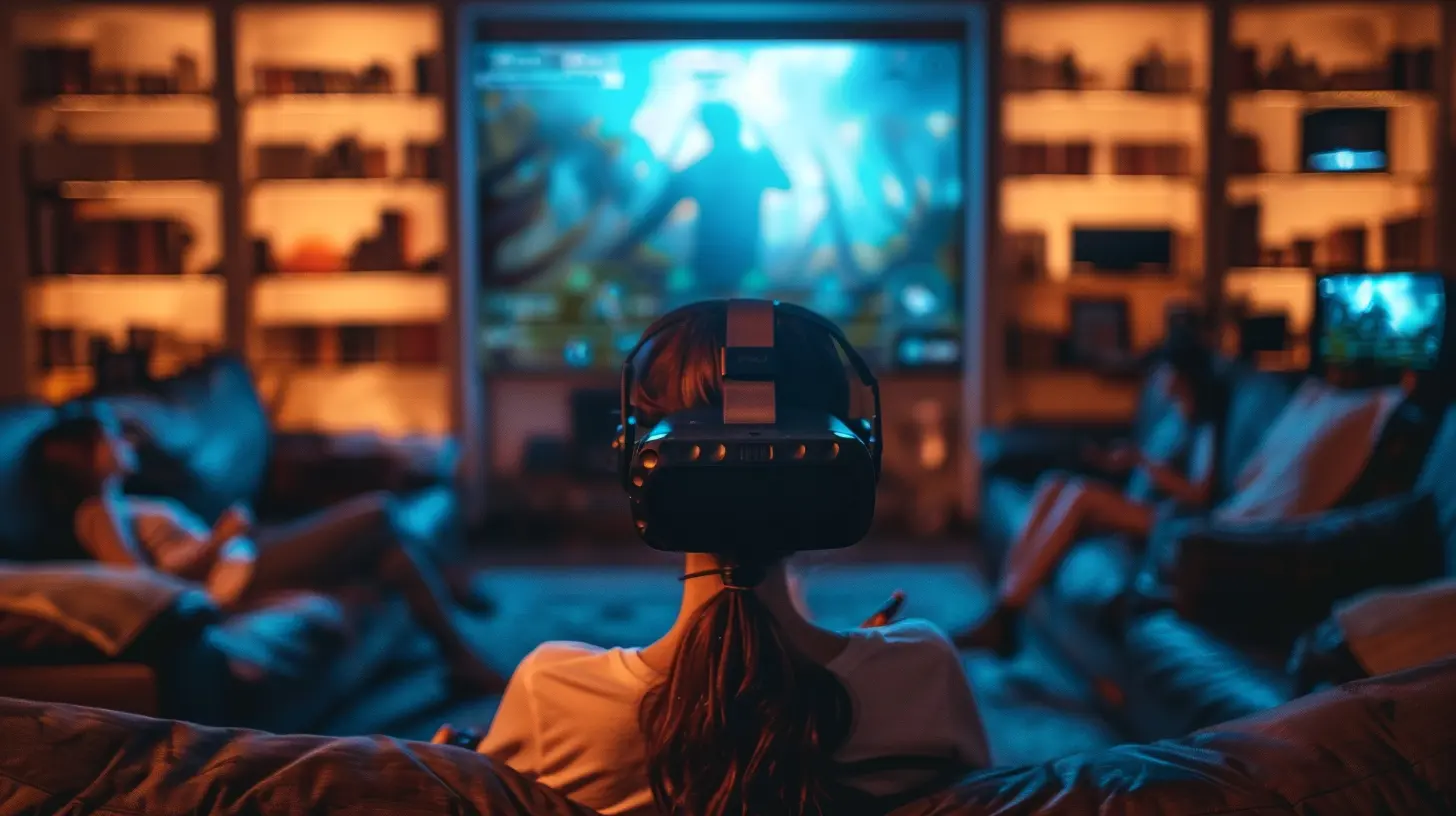
2. Papers, Please – The Bureaucratic Dread Simulator
Papers, Please is bleak. Like, really bleak. You’re a border control officer in a fictional (yet totally believable) dystopian country. Your job is to review documents. Sounds simple, right?Nope. You’re constantly under pressure to get everything perfect—checking names, ID numbers, stamps, expiration dates—while also deciding who gets to enter and who gets rejected. Oh, and there are moral decisions involved. Like, should you let someone through to save their life, even if their documents are fake?
Meanwhile, your family’s freezing and starving back home. Ah, the joy of adult responsibilities.
Why It Feels Real:
- Crushing responsibility and moral ambiguity.
- Tough decisions where every choice has consequences.
- Trying to do your job while the system works against you.
3. Death Stranding – The Lonely Delivery Guy Simulator
Okay, hear me out. Death Stranding might look like a sci-fi fever dream (and, well, it is), but deep down, it’s a shockingly relatable metaphor for real life—especially post-2020 life.You play a futuristic delivery guy (Norman Reedus with a backpack the size of a refrigerator), trekking across a desolate land while avoiding invisible monsters and delivering packages. The twist? The entire game builds on the concept of connection. You build bridges, both literally and metaphorically, to help others.
It’s isolating, repetitive, challenging... kinda like that year we all spent in lockdown.
Why It Feels Real:
- The grind of work and endless errands.
- Struggling with loneliness and social isolation.
- Finding meaning in small acts of kindness.
4. This War of Mine – Civilian Survival in a Warzone
Most war games cast you as a super-soldier blasting through enemies. This War of Mine flips the script and puts you in the shoes of a civilian trying to survive a brutal siege. You scavenge for food, make heartbreaking decisions, and try to keep your makeshift shelter safe.It’s gut-wrenching. Characters get depressed. They steal or worse, just to survive. There’s no “game over,” just surviving another day. It’s a powerful reminder that real wars don’t come with high scores or checkpoints.
Why It Feels Real:
- The harsh realities of survival.
- Emotional toll of trauma and desperation.
- The moral grey areas of human behavior under stress.
5. Animal Crossing: New Horizons – The Surprisingly Real Debt Spiral
You might think Animal Crossing is just a cutesie game about talking animals, fishing, and designing your dream home. And you’re right. But it also throws you into the most chill version of capitalism ever.From the moment you land on your deserted island, Tom Nook (aka the most adorably manipulative raccoon in gaming history) hooks you with a loan. And then… another one. And another. You’re decorating your house, planting flowers, and making “bells” to pay off, well, life.
Why It Feels Real:
- The never-ending cycle of working and spending.
- Managing resources, time, and goals.
- The pure joy (and financial strain) of home improvement.
6. House Flipper – Extreme Adulting Mode
Ever wanted to scrub floors, repair drywall, and paint walls—all without the back pain? House Flipper lets you live out the fantasy of buying a filthy, broken-down house, fixing it up, and selling it for cold hard cash.Honestly, it’s weirdly satisfying. There’s something magical about turning chaos into cleanliness. And if you’ve ever watched a home renovation show and thought, “I could do that,” this game might be your digital soulmate.
Why It Feels Real:
- The pain (and pride) of DIY projects.
- Budgeting and prioritizing improvements.
- The thrill of transforming a mess into a masterpiece.
7. Night in the Woods – Young Adult Angst Simulator
Night in the Woods is one of those games that hits you in the feels when you least expect it. You play Mae, a college dropout returning to her small hometown. What follows is a beautifully written, emotionally rich exploration of depression, anxiety, lost dreams, and broken relationships—wrapped in a narrative full of humor and sharp dialogue.This game doesn’t just simulate real life—it speaks to it. Especially if you’ve ever felt like you’re stuck in a soul-searching limbo between adolescence and adulthood.
Why It Feels Real:
- Struggles with identity, purpose, and belonging.
- Honest portrayals of mental health issues.
- Relatable small-town dynamics and friendships.
8. The Long Dark – Wilderness Survival at Its Core
The Long Dark throws you into the cold, unrelenting wilderness after a mysterious geomagnetic disaster. There are no zombies. No aliens. Just nature… and your will to survive it.You manage body temperature, hunger, thirst, and energy. The game doesn’t hold your hand—you figure things out the hard way, like... the really hard way. You’re not trying to save the world. You’re just trying to find shelter before freezing to death.
Why It Feels Real:
- Raw, unapologetic survival mechanics.
- Planning ahead and improvising on the fly.
- The quiet terror of being alone in nature.
9. Cooking Simulator – Welcome to Kitchen Chaos
Let’s switch gears and talk about a game that turns a daily chore into a chaotic adventure. Cooking Simulator gives you control of a fully-equipped kitchen, where you’ll chop, fry, bake, and season your way to culinary stardom—or total disaster.It’s a hilarious mess. Ever tried flipping a steak and knocking over ten bottles of olive oil in the process? No? You will.
Why It Feels Real:
- The panic of trying to perfect timing in the kitchen.
- Cleaning up messes (both your own and the game’s).
- The sweet satisfaction of finally serving a decent dish.
10. Job Simulator – Punching in, But With a Wink
Job Simulator lets you step into the holographic shoes of an office worker, a chef, a mechanic, or a convenience store clerk—all from a future where robots have taken over and view human jobs as museum exhibits.It's absurd, hilarious, and full of microwave shenanigans. Yet underneath the silliness, it kinda nails the monotony, multitasking, and coffee-powered survival instinct of real-life jobs.
Why It Feels Real:
- Balancing tasks and distractions.
- Dealing with quirky customers and coworker chaos.
- Finding the humor in soul-numbing routine.
Why These Games Hit So Close to Home
So… what’s the deal? Why do these games feel so real, even when they’ve got talking raccoons or ghost-filled forests?Because great games understand people. They don’t need hyper-realistic graphics or real-world settings to be relatable. They tap into emotions, challenges, and routines that we all deal with—being overwhelmed by responsibility, wanting connection, trying (and often failing) to balance it all.
These unexpected life simulators are our digital mirrors. And sometimes, just like in life, they remind us that it’s okay to laugh at the chaos, cry during the quiet moments, and keep pressing forward—even if it’s just one pixelated step at a time.
Final Thoughts
Life is unpredictable, messy, and often more complicated than a Dark Souls boss fight. But that’s what makes these life-simulating games so special. Whether they’re making you laugh, cry, or rethink your next home improvement project, these games connect us to real life in ways we never expected.So next time someone says, “It’s just a game,” you can smile, pick up your controller, and think, “Maybe… but it sure feels a lot like life.
all images in this post were generated using AI tools
Category:
Top GamesAuthor:

Greyson McVeigh
Discussion
rate this article
2 comments
Lila McKinley
In pixels, life unfolds anew; lessons learned, surprises bloom, reality and fantasy dance beneath the moon.
April 23, 2026 at 4:42 AM
Greyson McVeigh
That's a beautiful take. Games truly blend reality and imagination, offering fresh perspectives and experiences.
Dominic Summers
Finally, a game that prepares me for grocery store chaos!
April 22, 2026 at 3:34 PM
Greyson McVeigh
I'm glad you found it relatable! Games can really help us navigate real-life challenges in fun ways.