Exploring Major Genre Shifts in Game Expansions
6 December 2025
Video games are constantly evolving. Developers push boundaries, test limits, and sometimes—just sometimes—they throw us a complete curveball. One of the most exciting (and sometimes controversial) ways they do this is through genre shifts in game expansions.
Yep. You read that right. We’re talking about games that start out as one thing and then, through DLC or major content updates, shape-shift into entirely different beasts. These genre shifts can be thrilling, jarring, or downright game-changing—pun totally intended.
So let’s dive into this wild ride of genre-hopping expansions, why developers take these risks, and how they affect the way we play and perceive our favorite games.
What Is a Genre Shift in a Game Expansion?
Before we get into the nitty-gritty, let’s break it down. A “genre shift” means the core gameplay or experience changes from what the base game offers. For example, if a first-person shooter evolves into a survival horror in its expansion—that's a genre shift. If your chill farming sim suddenly becomes an action-packed dungeon crawler—again, genre shift.Genre shifts can happen in subtle ways, like new gameplay mechanics or tone changes. Or they can be full-blown transformations that make you feel like you’re playing a totally different game.
Why Do Developers Change Genres in Expansions?
Honestly? There’s a bunch of reasons.- Keeping Things Fresh: Fans might love the base game, but people crave variety. Changing the flavor in an expansion can reignite interest.
- Creative Freedom: Expansions give devs room to try stuff they couldn’t fit into the original game.
- Lore and Narrative Needs: Sometimes the story just needs a different vibe. A terrifying twist, a peaceful breather, or an intergalactic journey.
- Pushing Boundaries: Developers love challenges too. Shifting genres is a flex. Like saying, “Hey, look what else we can do.”
Now that we’ve got that out of the way, let’s talk examples.
Iconic Genre Shifts in Game Expansions
1. Red Dead Redemption: Undead Nightmare
Base Game Genre: Western Action-AdventureExpansion Genre: Survival Horror Zombie Apocalypse
Red Dead Redemption is all grit, guns, and cowboy hats. Then Undead Nightmare drops and BAM—suddenly, you’re battling zombies instead of bandits.
Rockstar didn’t just reskin some enemies and call it a day. They changed the entire mood. You’re scavenging ammo instead of confidently gunning down foes. Towns are ghost towns. Hell, even your trusty horse might be a fiery demon steed now.
It was a bold move, and honestly? Fans loved it. The horror twist added depth and replayability to an already stellar game.
2. Far Cry 3: Blood Dragon
Base Game Genre: Realistic Open-World ShooterExpansion Genre: Sci-Fi Retro-Futuristic Action
From survival island vibes to neon-drenched ‘80s action flick, Blood Dragon is Far Cry 3’s over-the-top alter ego. Giant laser-eyed dragons, synthwave music, and one-liners worthy of a Schwarzenegger movie.
It’s a total genre detour, but it works because it doesn’t try to replicate the original tone. Instead, it goes all-in on parody and nostalgia, and players ate it up.
3. The Witcher 3: Blood and Wine
Base Game Genre: Dark Fantasy RPGExpansion Genre: Light Fantasy Romance-Adventure (with Gothic Horror Twists)
Blood and Wine still carries RPG roots, but the tone shifts dramatically. The grim, war-ravaged world of the base game gives way to the lush, colorful vineyards of Toussaint. It’s brighter, more fairy tale-like—at first.
Then the Gothic horror creeps in. It’s a delicious genre blend that lets players breathe and then pulls them back into epic drama. CD Projekt Red nailed the transition, storytelling, and gameplay balance that redefined what an expansion could be.
4. Destiny 2: Forsaken
Base Game Genre: Sci-Fi MMO ShooterExpansion Genre: Western Revenge Tale with RPG Mechanics
Destiny 2 had been floundering a bit until Forsaken dropped. Suddenly, players found themselves in a revenge-driven, western-inspired arc. The expansion brought with it a darker tone and stronger narrative—a significant shift from the more straightforward, grind-heavy shooter fans knew.
Also notable? The gameplay had deeper RPG elements and challenging foes that required thoughtful strategy. It was gritty, emotional, and gave Destiny 2 a much-needed second wind.
5. Final Fantasy XIV: Shadowbringers
Base Game Genre: Fantasy MMORPGExpansion Genre: Dark Fantasy with Philosophical and Political Overtones
This expansion didn’t just change the scenery—it turned the whole morality scale on its head. Suddenly, the forces of Light weren’t so righteous, and Darkness wasn’t purely evil.
The tone shift came with new gameplay elements and storytelling styles that made Shadowbringers feel like a psychological drama wrapped inside an epic fantasy. It was so well-received it brought lapsed players back in droves and earned critical acclaim.
6. Assassin’s Creed Odyssey: Fate of Atlantis
Base Game Genre: Historical Action RPGExpansion Genre: Mythological Fantasy Adventure
Odyssey starts you in ancient Greece with historically grounded missions. Then, Fate of Atlantis casually throws you into the realm of gods and titans. It's like going from a museum tour straight into a Marvel movie.
This isn’t just cosmetic—it impacts gameplay too. You gain god-tier abilities, explore fantastical landscapes, and fight creatures lifted straight from myth. It was a daring departure, but a rewarding one.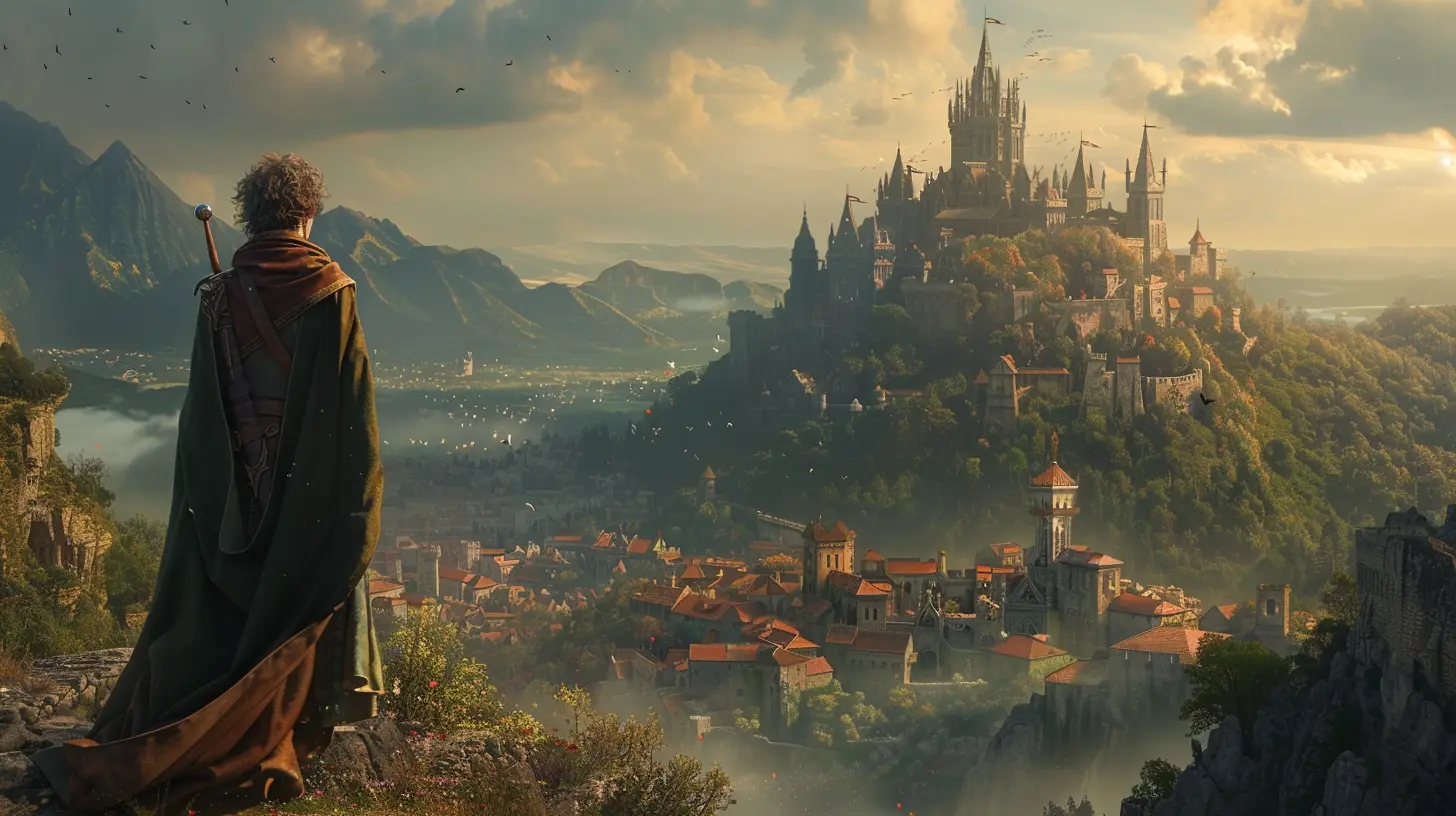
Pros and Cons of Genre Shifts in Expansions
Changing genres can be risky. Let’s lay it all out.Pros
- Fresh Gameplay: Keeps long-time players engaged and curious.- Broader Appeal: Attracts fans from other genres.
- Creative Freedom: Developers can dream big without disrupting the base game.
- Expands the Universe: Opens up new lore, mechanics, and possibilities.
Cons
- Fan Pushback: Not everyone's a fan of change. Some just want more of the same.- Tonality Confusion: A wild shift in theme or tone can be jarring.
- Dilution: If not done right, the expansion might feel disconnected or gimmicky.
- Gameplay Compromise: Trying to merge genres might spread mechanics too thin.
What Makes a Genre Shift Work?
So what’s the secret sauce?1. Respect the Source: Even if it changes things up, the expansion should still “feel” connected to the main game, whether that’s through characters, lore, or world-building.
2. Go All-In or Don’t Bother: Half-measures don’t cut it. A genre shift needs full commitment—new mechanics, enemy types, story arcs, and tone.
3. Subvert Expectations (But Don’t Break the Game): Surprise players, sure. But don’t make them feel like they’re playing a brand-new, disjointed game unless that’s the intent.
4. Narrative Justification: Give the shift a reason in the story. It helps the change feel earned rather than random.
Why Players Are More Open to These Shifts Than Ever
Gamers, as a crowd, are way more open to weird, wonderful experiments than a decade ago.Maybe it’s because we’ve been spoiled with content. Or maybe we just like surprises. Either way, genre shifts no longer spell disaster—they’re often welcomed as bold, refreshing ideas.
And with the rise of modding communities, indie experiments, and constantly evolving live-service games, players today expect the unexpected.
Are Genre-Shifting Expansions the Future?
Honestly? It’s looking that way.Expansions used to be more content slapped on top of the base experience. More weapons, more missions, more maps. But now? They’re becoming entire makeovers.
Games are no longer static. They're living, breathing universes. A genre shift is just another way to keep that universe spinning in new, exhilarating directions.
We’re already seeing games like Cyberpunk 2077: Phantom Liberty lean heavily into spy-thriller vibes, or No Man’s Sky evolve from survival into a base-building sim… and who knows what's next?
Final Thoughts
Genre shifts in game expansions are one of the coolest evolutions happening in gaming right now. They keep things fresh, bold, and, dare we say it—fun again.Sure, they won’t always land perfectly. But when they do? They redefine what we expect from games entirely.
So the next time your favorite title throws a genre curveball your way, don’t panic. Lean in. Embrace the chaos. You might just find a new favorite way to play.
all images in this post were generated using AI tools
Category:
Game ExpansionsAuthor:

Greyson McVeigh
Discussion
rate this article
2 comments
Lysander Riggs
Great article! It’s fascinating to see how genre shifts in game expansions can revitalize experiences and attract new players while keeping the core audience engaged.
December 25, 2025 at 5:55 AM
Greyson McVeigh
Thank you! I'm glad you enjoyed it. Genre shifts truly can breathe new life into games and expand their reach!
Zealot Velez
Genre shifts in game expansions are not just trends; they're a bold statement of creativity and evolution. Developers should embrace these changes fearlessly, pushing boundaries and redefining player experiences. Sticking to the familiar is safe, but innovation is where true engagement and excitement lie.
December 7, 2025 at 4:18 AM
Greyson McVeigh
Absolutely! Embracing genre shifts not only enhances creativity but also reinvigorates player engagement, encouraging developers to explore new horizons and redefine the gaming experience.