How Forum Debates Shape Game Balancing Decisions
1 January 2026
Video games have become more than just a source of entertainment — they’re massive, living ecosystems driven by passionate communities. Whether it’s a competitive shooter, an MMORPG, or a card battler, one thing remains constant: players love to talk. And where do they talk the most? Forums.
From Reddit threads to official game forums, heated debates happen daily over weapon nerfs, hero buffs, patch notes, and mechanics. These conversations aren't just noise. They're often the secret sauce behind many of the balancing decisions that developers make. Let’s break down how forum debates actually shape game balancing decisions in the modern gaming world.
What Is Game Balancing, Anyway?
Before we dive into the juicy bits, let’s get on the same page.Game balancing is exactly what it sounds like — making sure everything in a game works together without anything being too powerful (OP) or too weak (useless). Devs are always tweaking stuff like health points, damage outputs, cooldown timers, and ability effects.
Think of it like a seesaw. If one side gets too heavy (say, a sniper rifle that kills you in one hit with no skill), the game becomes frustrating for everyone else. Balancing aims to keep that seesaw level — so no matter how you play, it still feels fair and fun.
Forum Debates: The Front Lines of Player Feedback
Now let’s talk forums. These digital battlegrounds are where players vent, praise, rant, cry, and argue. But guess what? Developers are watching — even if they don’t always reply.So why do forums matter so much?
Because they’re raw. Players don’t hold back. They’ll tell you exactly what they love and hate about a patch. And tucked inside all that yelling and sarcasm? Honest-to-God insights.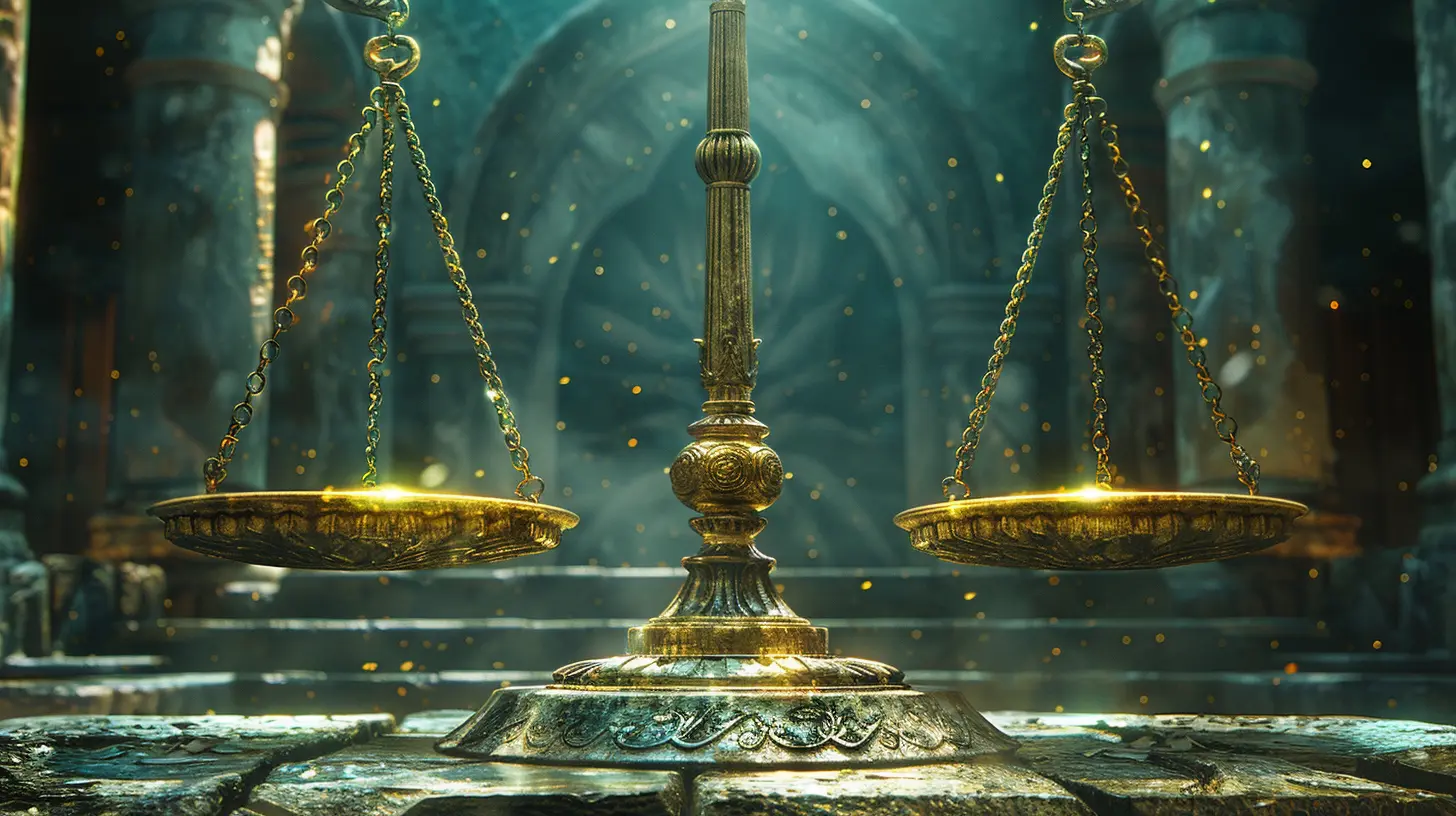
Real-Time Reactions to Game Updates
When a game update drops, forums light up within minutes. You’ll see threads like:- “Why Did You Nerf My Main?”
- “This Hero Is Broken Now!”
- “PATCH 3.2 IS A NIGHTMARE!”
These reactions might seem like knee-jerk rants, but they reveal how balance changes are landing in real time.
Let’s say a character gets nerfed. On paper, it looks fine. But then players on forums start pointing out how it made the character unplayable. They back it up with gameplay vids, stats, and patch comparisons. Suddenly, a simple tweak starts to look like a big oversight.
Devs often monitor these threads for patterns. If 80% of posts are screaming about the same issue, that’s not just noise — that’s data.
Forums vs. In-Game Metrics: A Perfect Pair
Just to be clear — developers don’t rely on forums alone. They’ve got all kinds of in-game metrics tracking damage dealt, win rates, pick rates, and player behavior. But here’s the thing...Numbers tell you what’s happening. Forums tell you why it matters to players.
For example:
- A hero’s win rate may be balanced (50% across matches).
- But the forum is full of posts saying, “He’s not fun to play anymore.”
That’s a red flag developers won’t see in the raw data.
Forums bring emotion, context, and player psychology into the equation. And when you mix that with cold-hard stats? You’ve got a lethal combo for better balancing decisions.
Case Studies: Forum Debates That Changed The Game
1. Overwatch – Mercy’s Endless Nerfs
Overwatch is famous for its forum drama, but nothing stirred the pot quite like Mercy’s rework. Originally, she could resurrect her entire team with her Ultimate. Players loved and hated it.After reworking her kit, the forums exploded. Some praised the change, others said the character lost her essence. Blizzard responded multiple times, tweaking her abilities repeatedly based on player feedback.
This wasn’t guesswork. It was forum feedback that drove that balancing cycle.
2. League of Legends – The Yuumi Catastrophe
Yuumi, the kitty support in League of Legends, caused massive chaos in forums. Players debated fiercely over her attach mechanic, calling her "low-skill" or “impossible to counter.”The debates went viral. Riot had no choice but to step in — and they admitted that changes were being explored because of “community sentiment.” Not just stats. Emotion.
Later updates drastically altered Yuumi’s playstyle. All thanks to passionate players refusing to shut up.
Types of Forum Posts Developers Actually Listen To
Let’s be real — not every forum post is worth reading. Some are just salt.But here are the types of posts developers keep an eye on:
1. Detailed Analysis Posts
Think spreadsheets, comparisons, and frame-by-frame breakdowns. These players are the Sherlock Holmes of balance debates.2. Constructive Criticism
“Hey devs, I love this weapon, but ever since the last patch it struggles in X situation. Maybe consider adjusting Y instead?”Feedback like this? Gold.
3. High-Vote Threads
If a post gets upvoted like crazy or keeps popping up in multiple places, it’s probably touching on a major issue in the game.4. Consensus Threads
Sometimes, players across different skill levels all agree something is off. That rare alignment? It screams for a dev’s attention.How Devs Filter the Noise
Of course, forums are also full of chaos. Trolling, sarcasm, and straight-up misinformation.Game devs usually have community managers, data analysts, and balance teams who help separate legit concerns from knee-jerk overreactions.
They’ll ask:
- Is this thread backed by data or is it one player’s rage?
- Are multiple regions having the same issue?
- Do in-game metrics support these claims?
If forum debate aligns with gameplay data, then you’ve got a strong case for rebalancing.
The Feedback Loop: You Talk, Devs Listen, Games Evolve
Let’s paint the full picture here.1. A patch drops.
2. Players test new changes.
3. Forums blow up — with good, bad, and ugly takes.
4. Devs compile feedback.
5. They compare it to internal data.
6. They tweak the game again.
And the cycle repeats.
This ongoing loop is why games like Fortnite, Valorant, or Apex Legends feel so alive. Balance isn’t static — it’s a dance between players and devs. And forums? They’re the dance floor.
Why Players Keep Coming Back to Forums
You know what’s wild? Forums are one of the few places where players feel heard. Even in games with millions of users, seeing a dev respond to your thread is like winning mini-lottery.- It builds trust.
- It creates a shared sense of ownership.
- It keeps the community engaged.
Game communities that feel ignored often fizzle out. But ones with responsive devs? They grow stronger and louder over time.
How To Make Your Forum Feedback Count
Want to actually help shape your favorite game? Here's how to make your posts stand out:1. Be Clear: Use bullet points, short paragraphs, and headers.
2. Support With Evidence: Share clips, stats, or patch comparisons.
3. Stay Respectful: Don’t rage — be chill, even if you're frustrated.
4. Focus On Solutions: Don’t just say something sucks. Say how to fix it.
Who knows? Your post might just be the spark that leads to the next major patch.
The Bottom Line
Forum debates — despite the chaos, sarcasm, and meme-filled madness — are crucial to modern game development. They're the heartbeat of a community and a direct line to the minds behind the code.While devs have spreadsheets and graphs, forum discussions give them what numbers can't — emotion, context, and a peek into the soul of the playerbase.
So next time you're about to hit "post" on that long rant about your main getting nerfed again… remember: someone just might be listening.
all images in this post were generated using AI tools
Category:
Online ForumsAuthor:

Greyson McVeigh
Discussion
rate this article
2 comments
Lydia Barnes
Forum debates play a crucial role in game balancing, providing developers with direct feedback from the community. Engaging with players’ perspectives not only enhances game stability but also fosters a sense of ownership among the player base, ultimately leading to a better gaming experience.
January 19, 2026 at 4:26 AM
Greyson McVeigh
Absolutely! Player feedback is essential for game balancing, as it fosters collaboration and ensures that the community feels invested in the game's development.
Damon Ford
This article insightfully highlights the impact of forum debates on game balancing. While community feedback is valuable, developers must also consider gameplay integrity and diverse player perspectives for optimal outcomes.
January 11, 2026 at 4:01 PM
Greyson McVeigh
Thank you for your thoughtful comment! I completely agree that balancing community feedback with gameplay integrity is crucial for achieving the best game experience.