Why Survival Horror Games Are Scarier Than Ever Before
31 December 2025
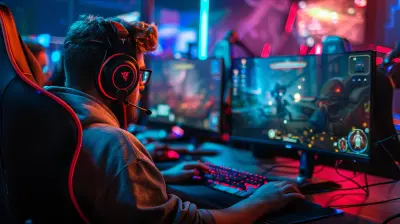
If you’ve played a survival horror game lately and found yourself clutching your controller a little tighter or yelling at your screen in total panic — yeah, you’re not alone. Horror games have come a long way from pixelated jump scares and cheap shock value. Today, they’re more intense, immersive, and psychologically disturbing than ever before. So what changed? Why are modern survival horror games so bone-chillingly effective?
Let’s grab some flashlight batteries and dig deep into the dark, twisted world of modern survival horror — and why it haunts us more than ever.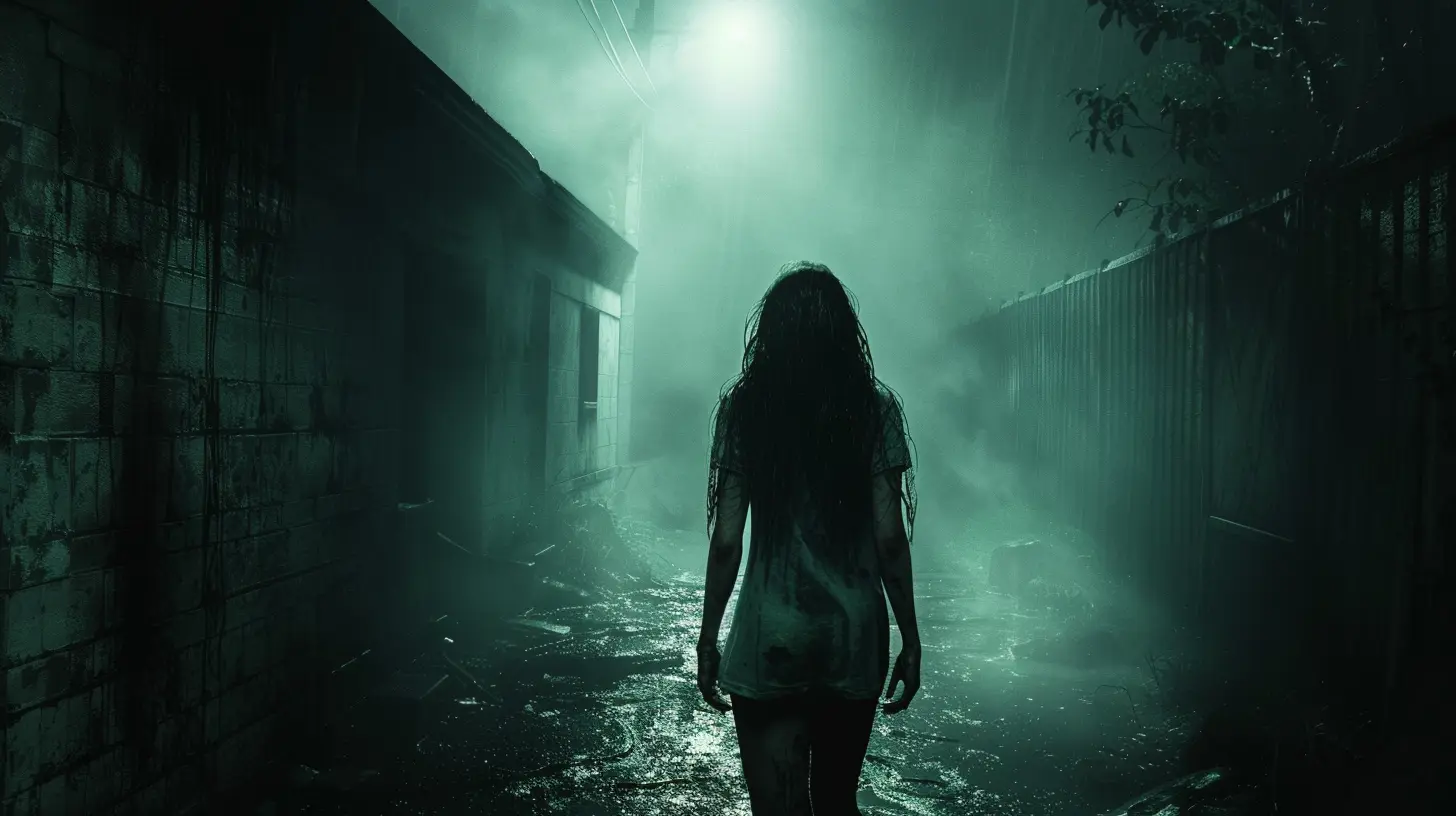
Realism Has Raised The Stakes
Graphics So Good, It's Terrifying
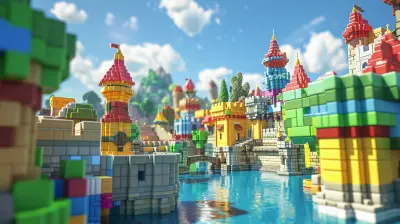
Remember old-school horror games where the monsters looked like they were made of Lego bricks? Those days are long gone. Now, we have lifelike visuals, photorealistic lighting, advanced shadows, and meticulously detailed environments. Games like Resident Evil Village or The Last of Us Part II make you feel like you’re not just playing a game — you’re trapped inside a nightmare.You can see the glisten of sweat on a character’s face, hear every floorboard creak, and feel the weight of darkness pressing in. Tech like ray tracing and 3D audio only adds more fuel to the fear. When the game world looks and sounds real, our brains react in very real ways.
Motion Capture Brings Monsters to Life (Literally)
Let’s not forget about motion capture. Modern horror games use professional actors and advanced mocap to bring characters and creatures to life. That shaky breath? That twitchy head movement from a zombie? That’s not random — it’s carefully crafted to hype you up (and freak you out).This level of authenticity pushes us deeper into the experience. We’re no longer just watching something scary — we’re living it.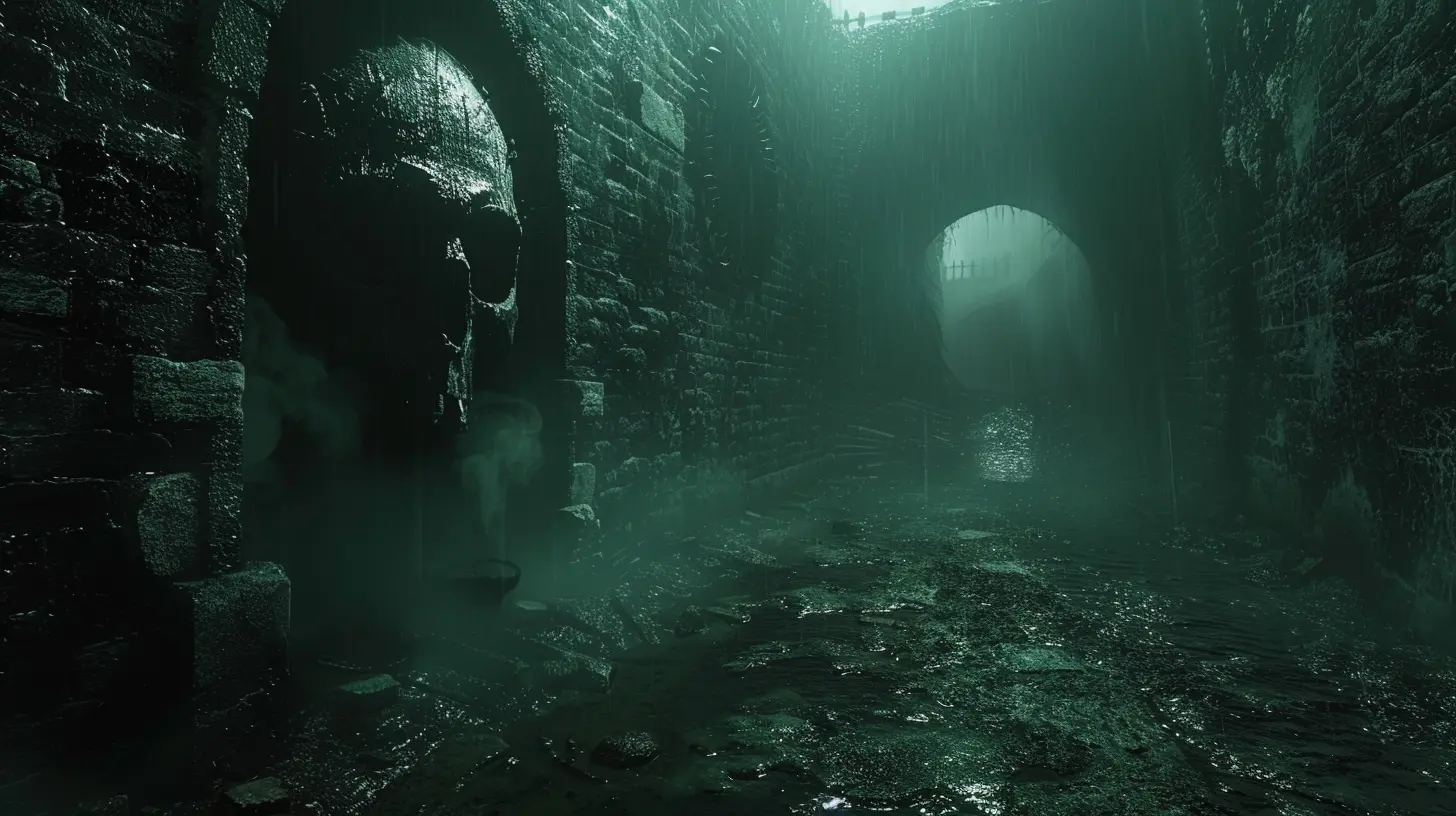
Audio Design That Gets Under Your Skin
Ever played a horror game with headphones on? Bad idea — unless you want to jump at every whisper or subtle footstep behind you. Audio in survival horror games has become just as important as visuals. Sometimes, even more.3D Audio = 360-Degree Terror
With spatial sound tech becoming mainstream, developers are using it to mess with our heads. Enemies can be heard breathing behind walls, rustling leaves give a false sense of danger, and ghostly whispers lead us directly into traps. The tension? Unbearable.You trust your ears. Horror games know that — and they use it against you.
Silence Is the Scariest Sound
Sometimes, the scariest part of a horror game isn’t what you hear — it’s what you don’t. Long, eerie silences can build a sense of dread better than any scream or crash. That quiet hallway? It’s almost worse than the monster at the end of it.By using silence and sound smartly, developers make players constantly guess: “Is something about to happen, or am I just paranoid?” Spoiler: it’s both.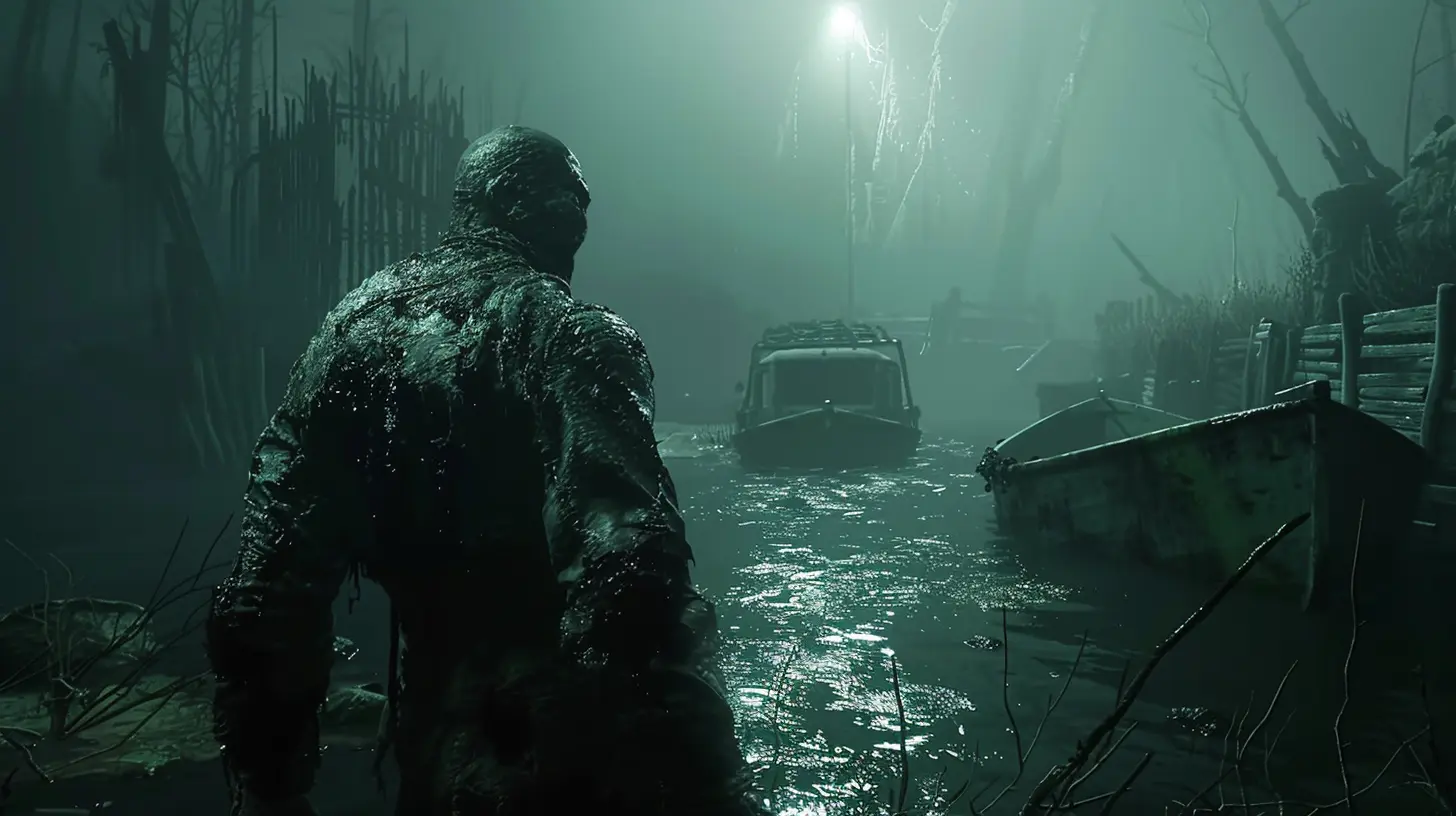
Storytelling That Cuts Deep
Horror is no longer just about blood and guts. Modern survival horror games tell stories that are psychologically rich, emotionally devastating, and deeply personal. And that makes them so much scarier.Complex Characters = Deeper Fear
You’re not just a nameless protagonist anymore. You’re someone with a past — someone who’s suffered loss, trauma, or madness. Games like Silent Hill 2 and Amnesia: Rebirth explore themes of grief, guilt, and existential dread in a way that hits way too close to home.When you care about your character, every threat becomes personal. You're not just scared of dying — you're scared of what that death means in the context of the story.
Morality and Choices Add Stakes
Some newer survival horror games throw moral dilemmas into the mix. Do you save the stranger or let them die to survive? Did that innocent decision you made hours ago unleash a nightmare?Choices in horror games add a creepy layer of weight. You’re not just trying to survive — you’re questioning your own judgment, motive, and morality. That kind of introspection? Yeah, it sticks with you.
AI That Outsmarts You
You know the saying “you can run but you can’t hide”? That’s literally what’s happening now. AI in survival horror has gotten scarily smart.Enemies don’t just follow a script anymore. They adapt. They stalk. They learn your weaknesses and exploit your patterns. In Alien: Isolation, the Xenomorph behaves like a predator: it smells your fear, listens to your movement, and reacts accordingly. You can’t game the system — because the system is studying you.
This unpredictability cranks fear up to eleven. You're not in control anymore. You’re being hunted.
Psychological Horror Hits Harder Than Gore
Let’s be honest — buckets of blood don’t freak us out like they used to. What really messes with us now? The stuff we don’t understand. The unseen. The intangible. The purely psychological.Subtle Horror Is More Lasting
Games like INSIDE or SOMA don’t show you the monster right away. Sometimes, they never do. Instead, they mess with your perceptions and feed your imagination. And let me tell you — the things we imagine are often way scarier than any monster a dev can design.Uncertainty is fear’s best friend.
Sanity Mechanics Make You Doubt Yourself
Some games even implement sanity systems. When characters panic or lose grip on reality, it affects gameplay — your screen warps, controls invert, or hallucinations creep in. In Eternal Darkness and Amnesia: The Dark Descent, you’re not just scared of the world — you’re scared of your own mind.When the line between fiction and reality blurs, there’s no safe place — not even in your own brain.
Tech Innovation Meets Horror Imagination
It’s not just about better graphics or creepier sound. New tech continues to push the envelope of what’s possible in horror gaming — and developers are using it to create entirely new kinds of fear.Virtual Reality Is Next-Level Terror
VR horror is not for the faint of heart. Seriously. Games like Resident Evil 7 VR or The Exorcist: Legion VR drop you into the very heart of terror. No more controller to hide behind. No screen to look away from. You’re in the game — and that makes every scream or sudden movement hit harder.When you can physically turn your head and come face-to-face with a monster? That’s a whole new level of pants-wetting panic.
Procedural Generation Keeps You Guessing
Some games now use procedural generation to make environments, puzzles, or enemies unpredictable every time you play. Think Darkwood or The Forest. You never know what’s waiting around the corner. That replayability also keeps the fear fresh — no memorizing patterns, no “safe” areas.You’re always off-balance. And that’s exactly how horror should be.
The Influence of Horror Culture
Let’s not ignore the big picture here. We live in a horror-boom era. From movies and TV shows to creepypastas and haunted TikToks — we’re collectively more obsessed with fear than ever before.Inspiration from Real-World Anxiety
Modern horror reflects real social fears — disease, isolation, technology, mental health. Look at Outlast (with its commentary on unethical medical research) or Observer (tackling themes of surveillance and identity). These games aren’t just scary — they’re relevant.Tying fear into real-life issues makes it linger. The monster may be fictional, but the anxiety is all too real.
YouTubers and Streamers Amplify the Fear
Games like Phasmophobia or Five Nights at Freddy’s blew up largely thanks to streamers. Watching someone else get scared might seem harmless — until you find yourself downloading the game to try it yourself.There’s a kind of social horror phenomenon happening. Fear is contagious. And devs know how to craft moments that’ll go viral — scream-worthy jumps, clever scares, and unexpected twists.
Nostalgia + Innovation = Timeless Terror
You’d think revisiting old horror formats would make things less scary, right? Wrong. Reboots and remakes of classics (Resident Evil 2 Remake, Dead Space Remake) have proven that a familiar formula plus modern tech equals an absolute fright fest.We know what’s coming. But when it comes dressed in ultra-HD graphics, with brutal gameplay and smarter AI? It hits way harder.
It’s like going back to your childhood home — only now the walls are bleeding and the attic whispers your name.
Conclusion: Why Survival Horror Is More Terrifying Than Ever
So, let’s bring it all together. Why are survival horror games scarier now than they’ve ever been?It’s a cocktail of realism, immersion, storytelling, sound design, and clever tech. But most of all, it’s because these games understand us. They know our fears aren’t just about monsters or gore anymore. They’re about loss, isolation, control — and what happens when we lose all of that.
Modern survival horror has evolved into something deeply personal, disturbingly unpredictable, and terrifyingly real. Every scare is crafted, every scream earned.
We aren’t just playing through nightmares anymore.
We’re living them.
all images in this post were generated using AI tools
Category:
Horror GamesAuthor:
Greyson McVeigh
Discussion
rate this article
2 comments
Oriel Thomas
Great article! It’s fascinating how survival horror games tap into our deepest fears, reflecting real-world anxieties. Your insights on their evolution resonate deeply, reminding us of the power of immersive storytelling.
January 18, 2026 at 3:22 AM
Greyson McVeigh
Thank you! I'm glad you enjoyed the article and found the insights on survival horror's evolution and its connection to real-world fears engaging.
Jenna McCord
Survival horror's evolution mirrors our societal fears, blending psychological depth and immersive technology, forcing players to confront their own vulnerabilities.
January 6, 2026 at 3:27 AM
Greyson McVeigh
Absolutely! Survival horror games have evolved to reflect our deepest societal fears, using advanced technology to create immersive experiences that challenge players to face their own vulnerabilities.