Why Some Expansions Are Better Than the Base Game
7 March 2026
Ever fall head over heels for a game, only to be completely blindsided by its expansion pack? Like, suddenly everything clicks. The story deepens, the mechanics get tighter, and the world feels fuller — almost like the base game was just the opening act and the expansion is the main event. Yeah, we’ve all been there.
But why does that happen? Why do some expansions go above and beyond the original experience? Let’s dive headfirst into this fascinating gaming phenomenon and unravel the mystery one epic level at a time.
The Base Game: A Beautiful Beginning… With Training Wheels?
Let’s be real — base games are often like the pilot episode of a beloved TV show. They introduce us to the world, sprinkle in some rules, and try their best to hook us. But they also play it safe.Why? Because developers are betting big. They’re laying down the foundation for a full-blown universe, and they need to get people on board — investors, fans, critics — everyone. In doing so, they often can't take wild risks or go too deep. They're focused on broad appeal.
But that’s not always a bad thing. A base game introduces core mechanics and characters. It sets the tone, the mood, the rules. Think of it like the bread of a sandwich. Solid, necessary... but maybe a little bland on its own.
Expansions: The Love Letter to Loyal Players
Now, here’s where the magic usually happens.Expansions are like the second album from a band that's already proved itself. The gloves are off. Developers aren’t trying to cast a wide net anymore; they’re focused on fine-tuning the experience for those who've stuck around — the hardcore players, the invested fans, the community.
That’s why expansions can often surpass the base game in quality, ambition, and sheer fun.
They Listen to Player Feedback
One of the biggest reasons expansions often shine brighter than the base game? Listening.Game developers pay attention. They read forums. They watch YouTube breakdowns. They hear what players love and what they absolutely can't stand. So when it’s time to build an expansion, they take that criticism and transform it into gold.
An annoying mechanic in the base game? Smoothed out. A character who felt underdeveloped? Now the star of their own arc. Combat that was clunky? Overhauled and refined. And just like that, the expansion feels like a redemption arc.
Creative Freedom Unleashed
The foundation is built. The structure is stable. Now it’s time to get weird with it.Expansions allow devs to take risks — the kind that would’ve been too bold (or too bonkers) in the base game. Whether it’s dimensional travel, apocalyptic alternate endings, or villain backstories that make you question everything, expansions can go places the base game simply couldn’t.
They’re like hidden rooms in a familiar mansion. You thought you knew the place, and suddenly — boom — here’s a secret door you missed completely.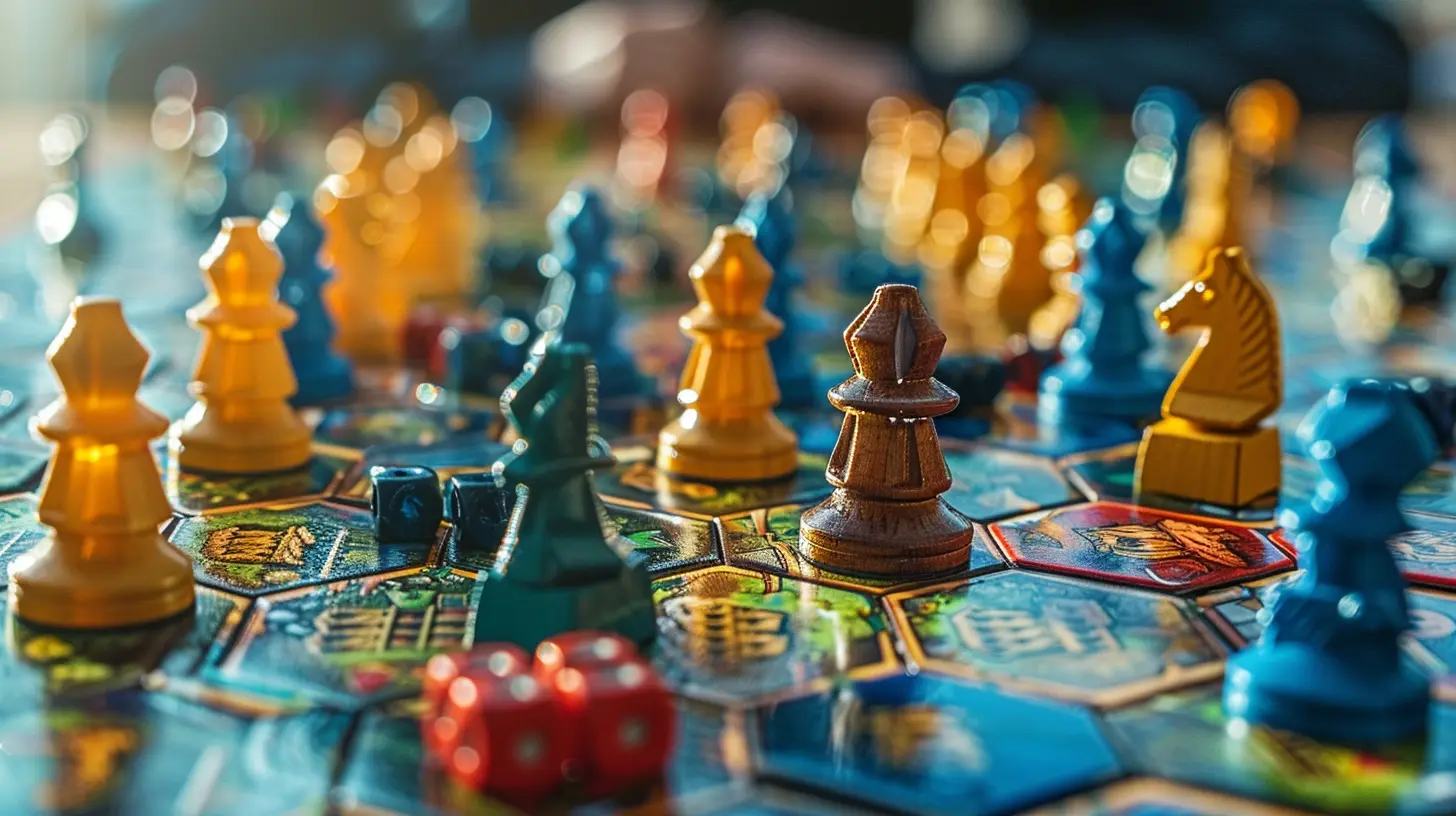
When Expansions Outshine: Iconic Examples That Prove the Point
Want proof? Let's roll out some legendary cases where the expansion eclipses the original game. These aren't just add-ons — they're full-blown masterpieces.⛏ The Elder Scrolls V: Skyrim — “Dragonborn”
Skyrim was already huge. Like, "lose your social life for weeks" huge. But “Dragonborn” added depth that fans craved. It brought players back to Solstheim, introduced new shouts, fresh enemies, and even featured a villain who could match the Dragonborn in power. It wasn’t just a continuation — it was a showdown.Suddenly, the game wasn’t about being the chosen one. It was about being challenged.
🧟 Red Dead Redemption — “Undead Nightmare”
Take one of the best Westerns ever made… and throw zombies into the mix?It sounds insane on paper, but "Undead Nightmare" became a fan favorite. It turned the tone of Red Dead Redemption on its head — from gritty realism to horror-fueled chaos — and somehow pulled it off flawlessly.
It was bolder, edgier, and even more fun in a wild, unexpected way. A lot of folks argue it felt more alive (ironically) than the main game itself.
🎮 The Witcher 3 — “Blood and Wine”
This right here? Peak expansion energy.“Blood and Wine” wasn’t just additional content — it was practically a game on its own. A massive new region, a gripping story arc, and serious character development. Many fans went as far as saying it rivaled — or even surpassed — the base game’s main questlines.
It’s like ordering a dessert and getting a five-course gourmet meal instead. Delicious and unforgettable.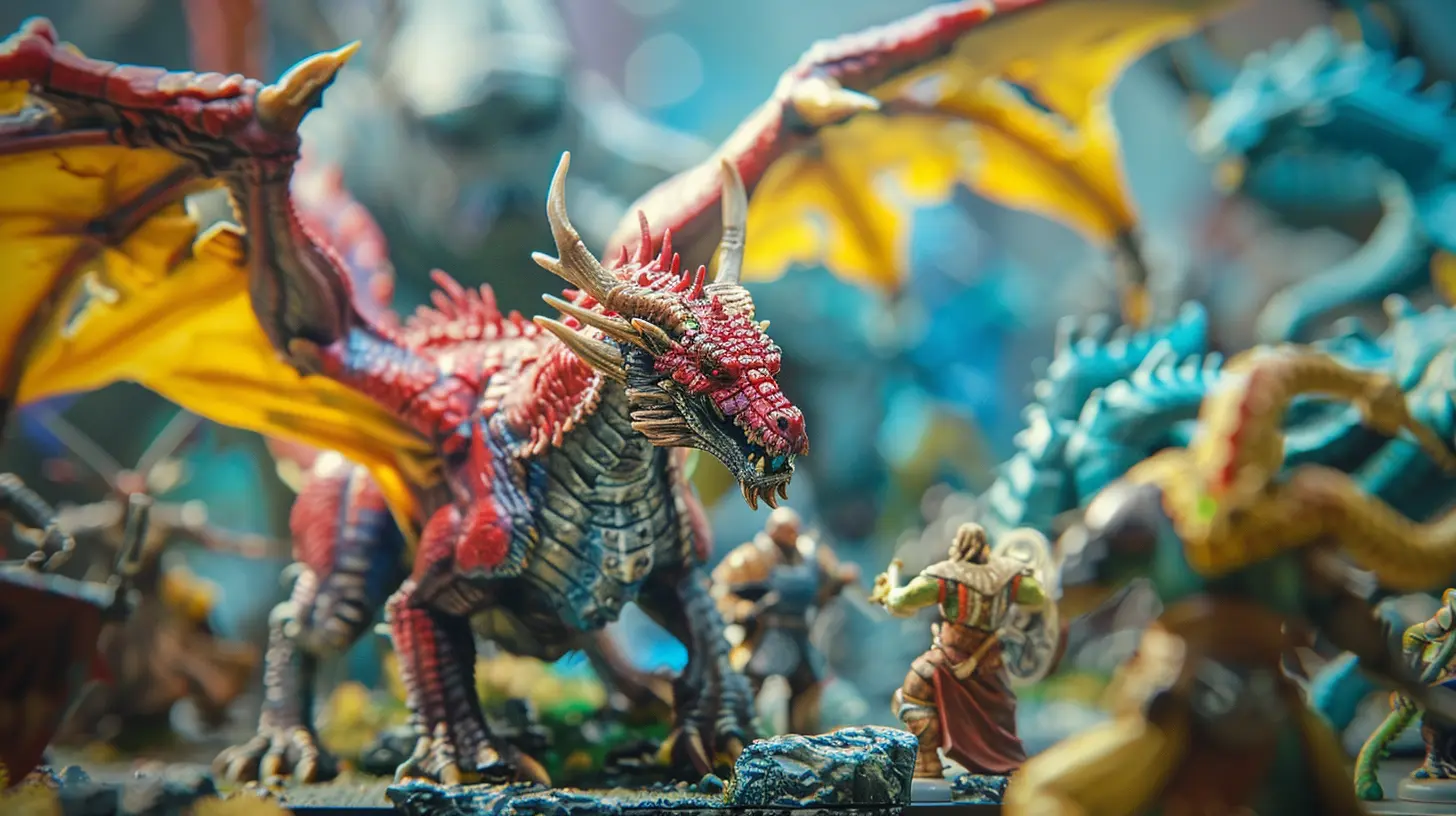
The Expansion Advantage: Why They Hit Different
Now that we've sung the praises of a few heavy-hitters, let’s break down the nuts and bolts of what makes expansions uniquely powerful.🧩 Improved Mechanics
By the time an expansion rolls out, the development team has usually spent months patching and polishing the original game. That means the expansion gets the benefit of hindsight.Combat? Smoother. Progression systems? More balanced. Inventory management? Thank the gods — simplified. Everything evolves, and the quality leap is visible.
🌍 A Living World, Expanded
Expansions often deepen world-building in ways the base game couldn’t. They add context, history, and flavor. Side characters suddenly become central figures. Lore fragments turn into layered narratives.You feel the weight of the world more. It breathes. It grows. The stakes rise.
🎭 Better Storytelling
Freed from the shackles of initial exposition and tutorial-style storytelling, expansions can afford to go deep and weird.Plot twists land harder. Dialogue gets snappier. Villains get more complex. The storytelling matures because it doesn’t have to hold your hand anymore — it knows you’re already invested.
It’s like going from the first book in a series to the gritty sequel. The fluff’s gone. Time to get serious.
📈 Value for (Extra) Money
Let’s face it — expansions aren’t usually free. But when done right, they pack more punch per penny than many full-priced titles.More quests, more gear, more areas, more everything. Expansions often justify their cost tenfold. They feel like an investment that actually pays emotional and entertainment dividends.
Not All Expansions Are Gold, Though…
Let’s keep it 100 — not every expansion deserves a standing ovation.Some are glorified cash grabs. Others offer a sliver of content that adds little to nothing. Then there are those that feel like cut content from the base game, sold back to you later. Yeah… shady.
But the best ones rise above. They’re crafted with care, built with community in mind, and designed to elevate — not just extend — the original experience.
The Takeaway: The Sequel Within a Game
So, why are some expansions better than the base game?Because they represent growth. They’re the sequel within the game. A second chance. A love letter. An experiment gone beautifully right.
They’re crafted for people who already care, and in return, they care more. They’re polished, refined, and often born from both critique and creativity.
At their best, expansions don’t just add more of the same — they reinvent the experience. They remind us why we fell in love with the game in the first place… and give us even more reasons to stay.
So next time you dive into a game and think, “Yeah, this is good,” just wait for the expansion. That’s when the real fun begins.
Final Thoughts: Gamers Deserve More Than Just a Base
If there’s one thing we’ve learned walking through digital worlds and leveling up through story after story — it’s this: gamers crave depth. We want surprise. We want payoff.And a great expansion? It’s all of that rolled into one. A celebration of what made a game great, and a brave leap into what can make it legendary.
So power up, load that DLC, and prepare to be amazed. Sometimes, the real adventure doesn’t even start until the base is already built.
all images in this post were generated using AI tools
Category:
Game ExpansionsAuthor:

Greyson McVeigh
Discussion
rate this article
2 comments
Isabelle McNaughton
Great insights! It’s fascinating how expansions can enhance gameplay and storytelling, often providing richer experiences that the base game might not fully explore. Looking forward to more discussions!
March 15, 2026 at 4:33 AM
Greyson McVeigh
Thank you! I’m glad you found the insights valuable. I agree—expansions can truly elevate the overall experience. Looking forward to more discussions as well!
Thistle O'Neal
Expansions are like sprinkles on a cupcake—sometimes they transform the whole experience! Who knew adding a unicorn and a disco ball could elevate a game to legendary status?
March 8, 2026 at 3:43 AM
Greyson McVeigh
Absolutely! Expansions can add unexpected elements that elevate gameplay, creating memorable experiences much like sprinkles enhance a cupcake!