How Game Narratives Are Shaping Modern Story Structure
27 April 2026
Once upon a time, stories were told around campfires, passed from one tongue to another, carved in stone, or written on parchment and printed on pages. We had novelists, screenwriters, poets, and playwrights shaping the way we thought stories should unfold. But now? We’ve got someone new at the storytelling table—and they're armed with joysticks, headsets, and a whole lot of code.
Welcome to the age of the gamer, where narratives don’t just unfold; they evolve. Game narratives are rewriting (sometimes literally) the rules of storytelling—and modern story structures across all forms of media are taking notes, rewinding, hitting respawn, and jumping straight into this immersive new template.
A New Chapter Begins: The Rise of Interactive Storytelling
Let’s hit pause for a second. Think about your favorite story. Got it? Now, imagine if you could steer that story, make decisions that mattered, and actually become the character rather than merely witness their journey.That’s the magic of game narratives.
Unlike traditional forms of storytelling, video games hand you the keys. Your choices, timing, and even mistakes become part of the plot. In this way, games don’t just tell stories—they co-author them with you. And that interactivity? It’s bleeding into books, films, television, and even marketing strategies.
From Linear to Branching: Goodbye Straight Lines
Traditional stories tend to follow a straightforward path—beginning, middle, and end. Simple, right? But game narratives shattered that mold. They said, “What if the end depends on what you do halfway through? What if there’s more than one ending? What if your actions create alternate realities?”Games like The Witcher 3, Detroit: Become Human, and Life is Strange gave us branched narratives that felt alive. And that concept started to inspire screenwriters. Just look at Black Mirror: Bandersnatch, the interactive film that lets viewers choose the outcome. That structure wasn’t born in Hollywood—it came straight from the world of gaming.
So, next time you see a show teasing multiple timelines or giving viewers choice-based experiences… you’ll know where that seed was planted.
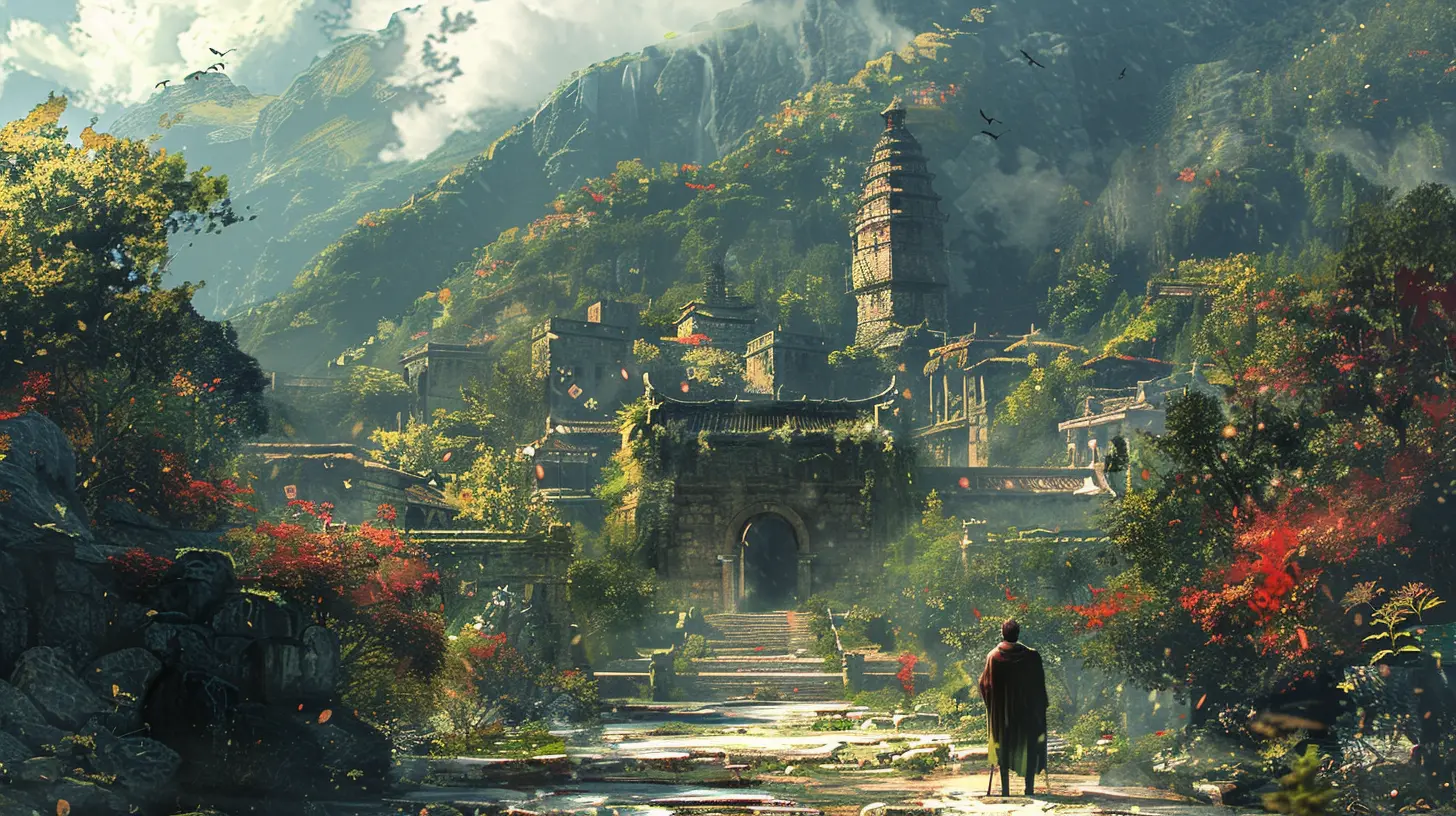
Emotional Depth: Games Aren’t Just Pixels and Guns Anymore
Back in the day, people shrugged off games as mindless entertainment—just shooting, jumping, and racking up high scores. But then came The Last of Us. And Red Dead Redemption 2. These weren’t just games; they were emotional gut-punches dressed in stunning graphics. They made us care deeply about digital characters. They made us cry. Think about that for a moment.The emotional storytelling found in modern games rivals the deepest books and most critically acclaimed films. The way character arcs stretch over hours—sometimes dozens of gameplay hours—lets players build deep bonds. This pacing, this emotional evolution, has influenced how long-form storytelling is being shaped elsewhere, especially in streaming services that now deliver shows like 10-hour movies.
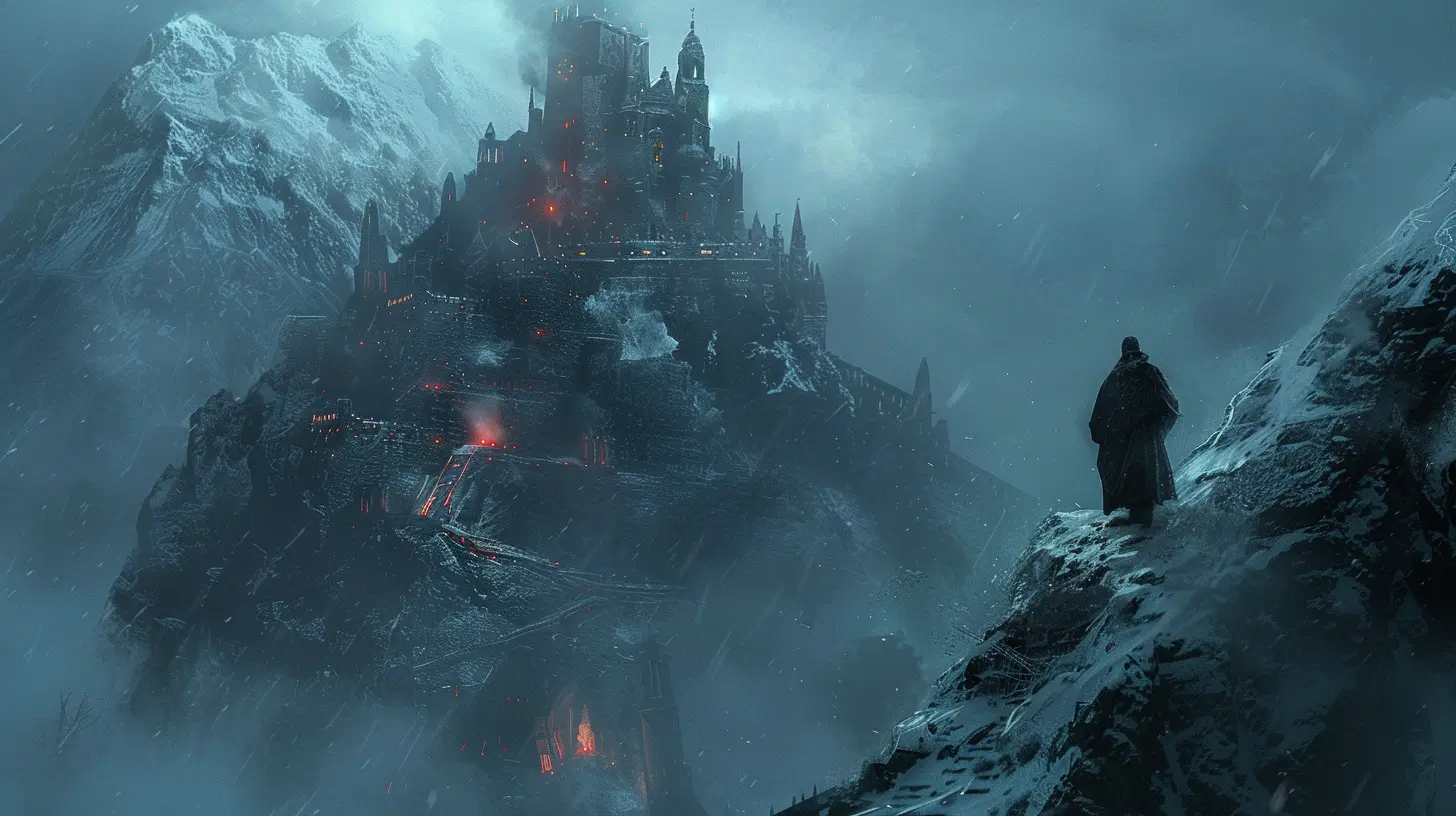
The Hero’s Journey Gets A Side Quest
For decades, the classic "hero's journey" was the go-to storytelling formula—thank you, Joseph Campbell. But game narratives twisted that tale into something richer. Sure, the hero still journeys. But along the way? They go on side quests, discover lore, pick up companions, and choose whether to fight or show mercy.These side quests have become metaphors for life. They reflect the nonlinear nature of growth. More and more, we’re seeing novels and series mimic this layered storytelling. The plot isn't a single train track—it’s an open-world map.
Think about modern shows like Stranger Things. Sure, it has a central plot, but it also dives deep into side arcs. That layered approach? Feels kinda game-like, doesn’t it?
Player Agency = Reader/Viewer Empowerment
One of the most transformative elements of game narratives is player agency. You’re not a passive observer; you're deciding who lives, who dies, who gets forgiven, who gets vengeance.This concept is now creeping into other formats. Interactive books. TikTok choose-your-own-ending stories. Streaming services experimenting with customizable narratives.
Readers and viewers no longer want to be spoon-fed a tale—they want to shape it, feel like their reactions matter. This evolution in audience behavior? Born from pressing buttons on a controller.
The Language of Level Design = Modern Pacing Techniques
Let’s talk pacing. In game design, you don’t just blast your player with plot 24/7. You build tension. You offer moments of calm. You sprinkle secrets and rewards. You let the environment tell the story.Now, storytellers in other media are applying that same principle.
In shows, there’s a rise in environmental storytelling—backgrounds filled with clues, layers of lore built into set design. In books, authors are crafting chapters that act like levels—starting with a challenge, offering a breather, and then leading to a boss-level climax.
The rhythm of gameplay has infused modern narratives with a new sense of flow.
Multiplayer Dynamics: Shaping Stories Through Community
We can’t forget the power of multiplayer games. Think about World of Warcraft, Fortnite, or Among Us. These aren’t just games—they’re social experiences where the narrative is often crafted by the players themselves.This collaborative storytelling approach has started to influence how stories are now written—with more attention on ensemble casts, dynamic character interactions, and emergent plotlines.
Even Dungeons & Dragons—yes, the tabletop RPG, now wildly popular thanks to shows like Critical Role and Stranger Things—is showing creators across media how collaboration and emergent storytelling create emotional resonance.
Emotional Investment Over Time: Games as Long-Form Epics
Books and movies have word/page/time limits. But games? They stretch for dozens, even hundreds of hours. Some players spend entire months with one character, one storyline, one world. That leads to emotional investments that feel real.This long-form narrative design is now being mirrored in modern television and novel series. The slow-burn storytelling, the careful character development, the sense of homecoming every time players (or readers) return to a familiar world—that’s all rooted in how game narratives stretch and breathe over time.
Nonlinear Narratives and Time Loops: A Gamer’s Playground
Rewind. Fast-forward. Do it again.Time loops and nonlinear narratives have always fascinated storytellers, but games have mastered them. In The Legend of Zelda: Majora’s Mask, you have 72 hours to stop the world from ending—but you can reset time over and over. In Hades, death is part of the story. Each failure brings you closer to the truth.
These mechanics have infiltrated modern narratives big time. Russian Doll, Palm Springs, The Midnight Library—they all owe a nod to the time-traveling, redo-heavy storytelling pioneered by video games.
Games as Mirrors: Social Commentary Through Interactive Play
Here’s the twist: games aren’t just fun. They’re cultural mirrors. They comment on war (Spec Ops: The Line), mental health (Hellblade: Senua’s Sacrifice), racism (BioShock Infinite), and technology (Cyberpunk 2077).The interactivity makes these commentaries hit harder. You’re not reading about injustice—you’re living through it, in first person. That’s a whole new level of empathy training and it’s inspiring writers in all mediums to tackle nuanced subjects with more grit.
From Pixels to Prose: Hybrid Narratives Are Rising
We’re also starting to see more overlap—games inspiring movies, games inspiring books, books turning into games. Even the way games use journals, audio logs, flashbacks, and visual cues is influencing how writers deliver exposition in their own work.You’ll find novelists writing with a “cutscene mindset” and screenwriters thinking like game designers—planning story beats like boss battles. Suddenly, everyone’s speaking the same storytelling language.
The Future? Choose Your Own Reality
We’re heading into an era where fiction is not just told—it’s lived. With VR, AR, and AI on the rise, game narratives may not just influence stories—they might become them.Imagine walking through a storybook, hearing the dialogue whisper in your ear, solving puzzles to uncover chapters… That’s not science fiction anymore. That’s just Tuesday in the world of modern game design.
And the ripple effect? It's redefining how our brains even expect stories to function.
Final Thoughts: The Controller Is Mightier Than The Pen
At the end of the day, game narratives are not just an influence—they’re a revolution. They’ve taken the traditional story, cracked open the linear mold, and built a sandbox in its place. They’ve brought emotional resonance, choice, complexity, and epic scale to the forefront.Stories now aren’t just about what happens—they’re about what might happen. And there’s power in that possibility.
So next time you’re deep in a game, remember: you’re not just playing. You’re co-authoring the future of storytelling.
all images in this post were generated using AI tools
Category:
Game NarrativesAuthor:

Greyson McVeigh
Discussion
rate this article
2 comments
Victoria McGhee
Narratives now build worlds; games just happen to live there.
April 29, 2026 at 3:54 PM
Greyson McVeigh
That's a compelling way to look at it. Games create immersive spaces where narratives can unfold, deepening the player's experience and engagement.
Siena Good
What a captivating read! It’s fascinating to see how game narratives are influencing traditional storytelling. Your insights shed light on the innovative ways creators merge gameplay with narrative, enriching the overall experience. Keep up the great work!
April 28, 2026 at 2:35 AM
Greyson McVeigh
Thank you! I'm glad you found it captivating. It's exciting to see how games are pushing storytelling boundaries. Your thoughts are much appreciated!