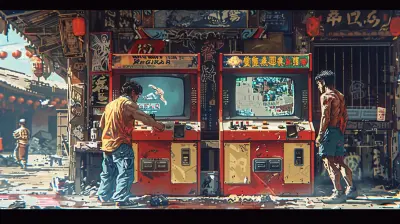
Why Developers Are Joining Player Forums More Than Ever
7 July 2026
Once upon a time, game developers created their games, released them into the wild, and mostly stayed behind the scenes, only popping up occasionally during press tours or when a big update dropped. Fast forward to today, and suddenly, these same developers are popping up directly in Reddit threads, Discord chats, and Steam forums, chatting away with players like they're regular gamers.
So, what's going on here? Why are game developers spending more time hanging out in player forums than ever before? Is it just curiosity, strategy, or a bit of both?
Let’s dive deep and unpack why this trend is gaining so much steam.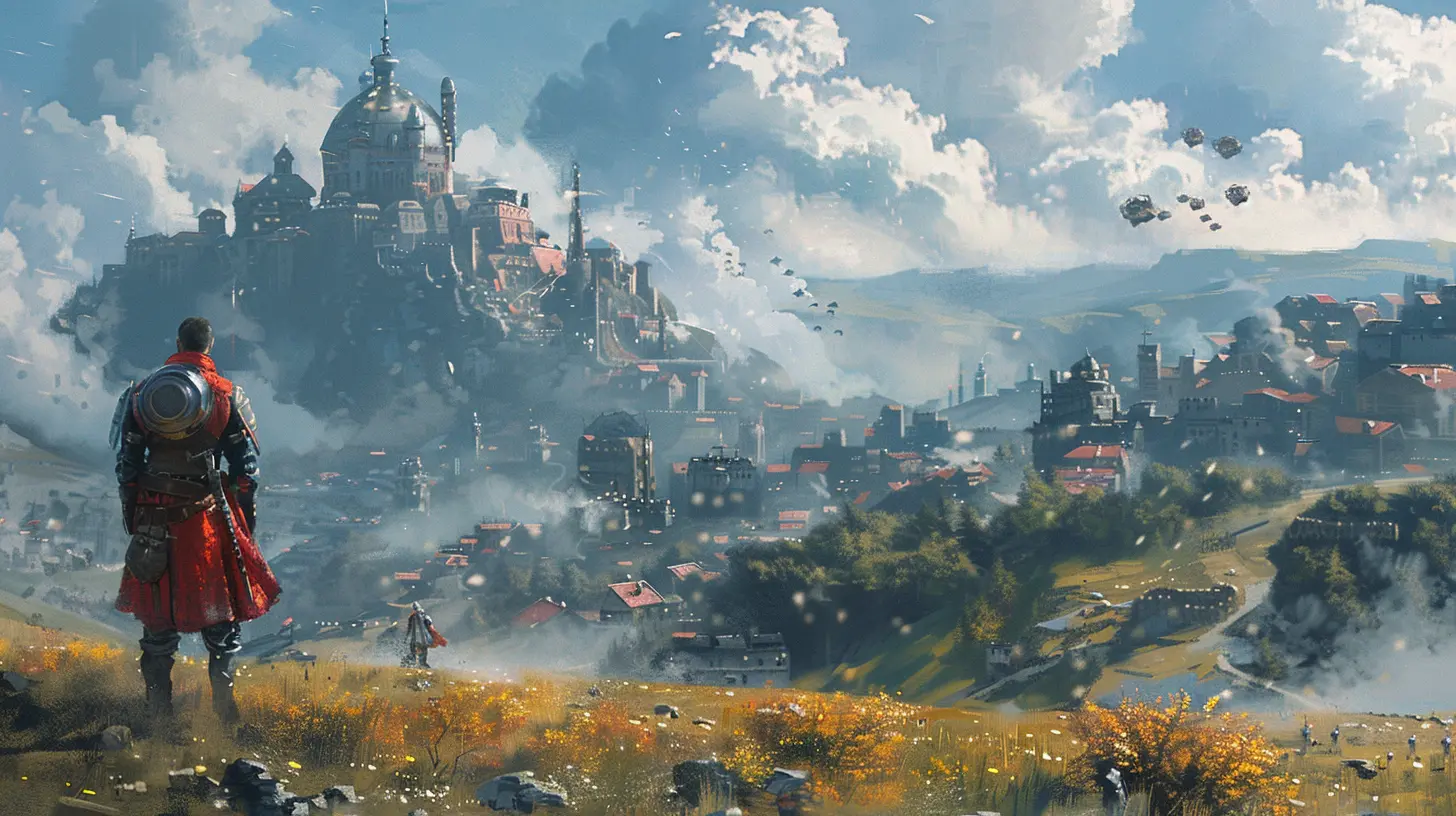
The Walls Between Developers and Players Are Crumbling
The Old Days: A One-Way Street
Think back to the early 2000s. If you were a passionate gamer and had feedback about a game, your options were limited. Maybe you’d send an email that went into the void or post on a fan forum in hopes someone, somewhere, noticed. Communication was largely one-sided.Developers worked in silos. They built games, published them, and then watched from the sidelines. Players consumed the content, debated among themselves, and hoped bugs got patched in the next update... eventually.
Now: It's an Open-Door Party
Today, platforms like Reddit, Discord, and even Twitter (or X, if you must) have turned game development into a conversation instead of a monologue. Players give feedback in real time, and developers are right there responding—like that cool teacher who actually reads and replies to your emails.The line between creator and consumer is blurrier than ever, and honestly, that’s a good thing.
Players Want Their Voices Heard—And Devs Are Listening
Community = Free, Real-Time Feedback Machine
If you’re a developer, where else can you get hundreds (sometimes thousands) of user reviews, ideas, bug reports, balance suggestions, and feature requests—all in one place? Forums are like digital think tanks.Sure, there’s a bit of noise (okay, a lot), but in that chatter, there’s gold. You can see what mechanics players love, what frustrates them, and where they're dropping off. It's like a direct pipeline to your audience’s brain.
Building for the Community, With the Community
More and more, players aren't just end-users—they’re collaborators. Look at games like “Valheim” or “Baldur’s Gate 3.” These titles thrived because their developers leaned into community feedback early and often. That back-and-forth helped shape the final product into something fans genuinely adored.And when devs join in those discussions, players feel seen. It's the digital version of giving someone a high five and actually meaning it.
Transparency Builds Trust
In a World Full of Skepticism…
Let’s be real: the gaming industry hasn’t always had the best rep when it comes to transparency. From surprise microtransactions to botched launches, gamers have learned to be cautious. Skepticism is high, and trust doesn’t come easy.But when developers show up in forums, answer tough questions, discuss design choices, or admit mistakes? That honesty goes a long way. People don’t expect perfection—they expect realness.
Breaking Down the PR Wall
Traditionally, dev updates came through polished press releases or scripted videos. Now? You’ve got devs jumping into Reddit AMAs or hanging out in Discord channels, cracking jokes and sharing behind-the-scenes stories.That’s not just good PR—it’s authentic PR. And in an age where authenticity rules, it's a power move.
Forum Engagement = Better Updates and Patches
Community-Powered Patching
If a developer is tuned in to the forums, they don’t need analytics tools to spot bugs or balance issues. Players are already lighting up the comment sections with screenshots, logs, and detailed rants (some might even say 'passionate essays').That level of engagement allows for faster patches, smarter balance changes, and more relevant content updates. Instead of guessing what the player base wants, developers are literally being told.
Reducing Feature Flop Risk
Ever launched a new feature only for it to crash and burn with players? Painful. But if you float the idea in a forum ahead of time, you can gauge interest, tweak it, or scrap it before wasting dev hours. A win-win, right?Forums as Ground Zero for Game Longevity
Keeping the Game Alive (Even After Launch)
Let’s talk sustainability. These days, a game’s success isn’t just about day-one sales. It’s about keeping players engaged for months (or years). Think of games as living ecosystems—if you don’t nurture them, they die out.Player forums act as pulse checks. Active forums usually mean active players. And when developers are part of those conversations, they can feed the ecosystem with the right updates, events, and features to keep things fresh.
From “Just a Game” to a Community
Players aren’t just playing games anymore. They’re joining clans, running servers, creating fan art, and writing lore. It’s no longer just gameplay—it’s culture.When devs plug into that culture by participating in forums, they’re not just maintaining the game—they’re helping shape a legacy.
Developers Are Gamers Too
Passion Meets Passion
At the end of the day, most developers are gamers themselves. They get it. They know what it feels like to wait for a patch or scream into the void when a feature breaks. So when they engage in forums, it's not a business move—it's personal.They want the game to succeed not just because it's their job, but because they love it.
And there’s something truly magical about that kind of connection.
The Rise of Indie and Early Access Development
Indie Devs and Community Support
Indie developers, in particular, lean heavily on forums. Why? Because they don’t always have massive QA teams or marketing budgets. The community is their QA, marketing, and hype machine.Games like “Stardew Valley” or “Slay the Spire” were shaped by community input through development forums and early access feedback. Engaging directly with players wasn’t a bonus—it was a survival tactic.
Early Access = Ongoing Conversation
Early Access games aren’t finished products. They’re active projects. Developers using player forums during Early Access can pivot, refine, and polish based on what players actually want—rather than what the devs think they want.It’s agile development in its rawest, most honest form.
Social Platforms Fueling The Forum Evolution
Discord Killed the Traditional Forum?
Remember old-school forums with their clunky interfaces and endless threads? Now, platforms like Discord offer fast-paced, real-time interactions. It’s like hanging out with your buddies in a digital café.Developers can host Q&A sessions, drop sneak peeks, and respond in real-time. It’s quicker, more personal, and way more fun.
Reddit: The New Hub of Dev Communication
Reddit has become the go-to place for community-developer interaction. AMAs, dev responses, patch notes discussions—it’s all happening there. Players upvote, downvote, and keep things democratic. And that transparency builds a deeper layer of mutual respect.The Business Side: Engaged Communities Drive Sales
Happy Communities Are Loyal Communities
A player who feels heard is a player who sticks around. And let’s face it—retention is king in today’s market. Whether it’s a free-to-play game counting on cosmetics or a full-priced title banking on DLC sales, an active community is what turns a good game into a great success.Word of Mouth = Organic Marketing
Gamers talk. A lot. And when devs engage directly, players share those interactions. Screenshots of dev responses go viral. Friendly interactions become memes. Suddenly, your game isn’t just a product—it’s a story the community wants to tell.Are There Challenges? Of Course.
Trolling, Misinformation, and Burnout
Let’s not sugarcoat it. Forums can be chaotic. There’s spam, toxicity, and the occasional keyboard warrior with way too much time. Developers need thick skins and solid moderation tools to survive.Also, being “always online” can lead to burnout. Devs aren’t superhuman, and constant connection can be draining. Balance is key.
The Fine Line Between Listening and Crowdsourcing
While community feedback is golden, not every idea is a good one. Developers still need to steer the ship. The challenge is in finding that sweet spot between listening and leading.Final Thoughts: It's a New Era of Game Development
The surge in developer presence on player forums signals a shift in the gaming world. It’s not just about code and content anymore—it’s about connection.Developers aren’t staying in their lane. They’re merging into traffic, rolling down the window, and joining the conversation. And as a result, games are getting better, communities are getting stronger, and the line between creator and player is fading.
So next time you hop into a forum and see a developer replying to your post, don’t freak out. Just say hey. You’re witnessing the future of gaming, one comment at a time.
all images in this post were generated using AI tools
Category:
Online ForumsAuthor:

Greyson McVeigh
Discussion
rate this article
1 comments
Kian McTavish
It's great to see developers engaging more with player forums. This kind of connection not only helps them understand player needs better but also creates a sense of community. It feels like we're all in this together, shaping the games we love. Can't wait to see what comes next!
July 9, 2026 at 3:36 AM
Greyson McVeigh
Absolutely! This connection is crucial for both players and developers. Excited to see how it shapes our favorite games moving forward!