Exploring the Art of Balancing Game Expansions
19 July 2026
Let’s face it — we’ve all been there. You’re knee-deep in your favorite game, loving every minute, when the developers drop a brand-new expansion. The hype is real. But once you dive in, something feels…off. Maybe the new content makes old gear obsolete. Or the power creep is so bad it turns boss fights into a joke. Or worse, everything feels too balanced — so much so that it's boring.
Balancing expansions in games is no small feat. In fact, it might be one of the trickiest balancing acts in the entire gaming industry. You’re dealing with legacy content, player expectations, gameplay flow, and ecosystem mechanics — all while trying to push the game forward in exciting and meaningful ways.
So how exactly can developers walk this tightrope without falling off? Let’s break it down.
What Makes Expansions So Tricky to Balance?
Expansions are weird beasts. They’re not just DLCs or patches; they’re full-blown game additions. Think of them like adding a new floor to a house that’s already fully furnished. If you don’t plan properly, you’re going to crash through the ceiling — and nobody wants that.There are a few reasons expansions can mess with the balance of a game:
- Power Creep: New gear and abilities often make previous content irrelevant.
- Economy Disruption: New items or currencies can shatter in-game economies.
- Narrative Jumps: Storylines can feel disjointed if they ignore or contradict previous arcs.
- Difficulty Shifts: New raids, dungeons, or areas might be too easy or absurdly hard.
Sound familiar? That’s because almost every online game or RPG out there has struggled with at least one of these issues.
Power Creep: The Unwanted Guest at Every Expansion Party
Let’s be brutally honest — power creep sucks.When new expansions constantly crank up damage stats or health pools, you end up with a game where older content becomes laughably easy and irrelevant. It’s like using a bazooka to kill a mosquito. Fun? Maybe. Challenging? Not in the slightest.
Some classic examples include MMORPGs like World of Warcraft, where each new expansion often raises level caps and introduces stronger gear. Suddenly, that epic weapon you grinded for last year is just vendor trash.
The trick? Developers need to find ways to keep older gear and content relevant. Games like Guild Wars 2 tackled this by offering horizontal progression — giving players more gear options instead of just better gear. It's a smart way to expand without inflating stats into the stratosphere.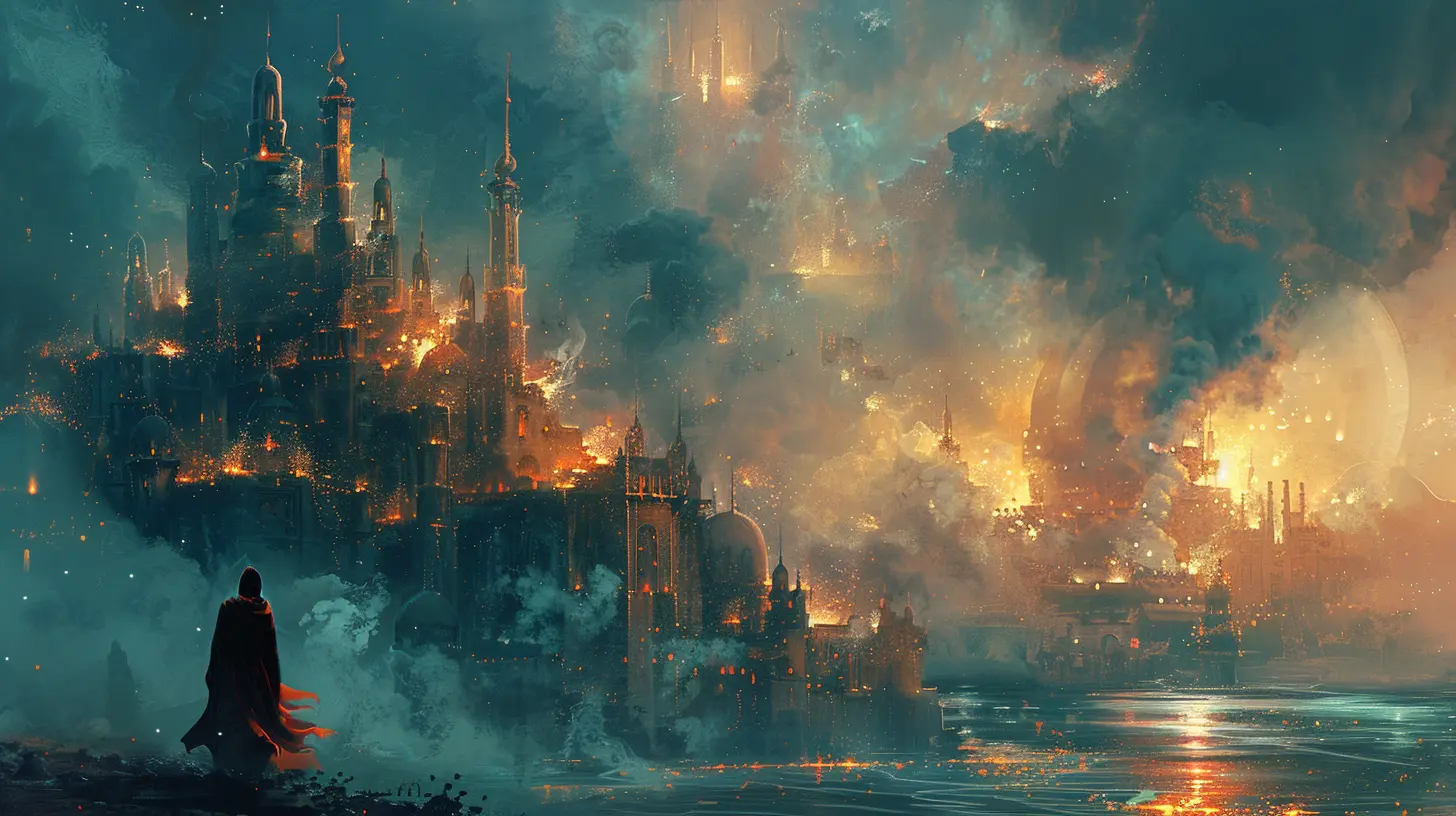
Keeping the Old World Alive
Another common pitfall? Forgetting about the base game.Players don’t want to feel like all their progress was for nothing. If an expansion makes the previous 100 hours irrelevant, it’s going to leave a bad taste. Remember all the time you spent mastering those boss mechanics, learning every dungeon trick, and assembling the perfect build? Poof. Gone.
A well-balanced expansion respects the old while inviting players into the new. The Witcher 3’s expansions, for instance, like “Blood and Wine,” added new zones and stories while still letting players use their existing builds and equipment. It felt like a natural next chapter—not a separate book.
Developers need to think like architects, not demolition crews.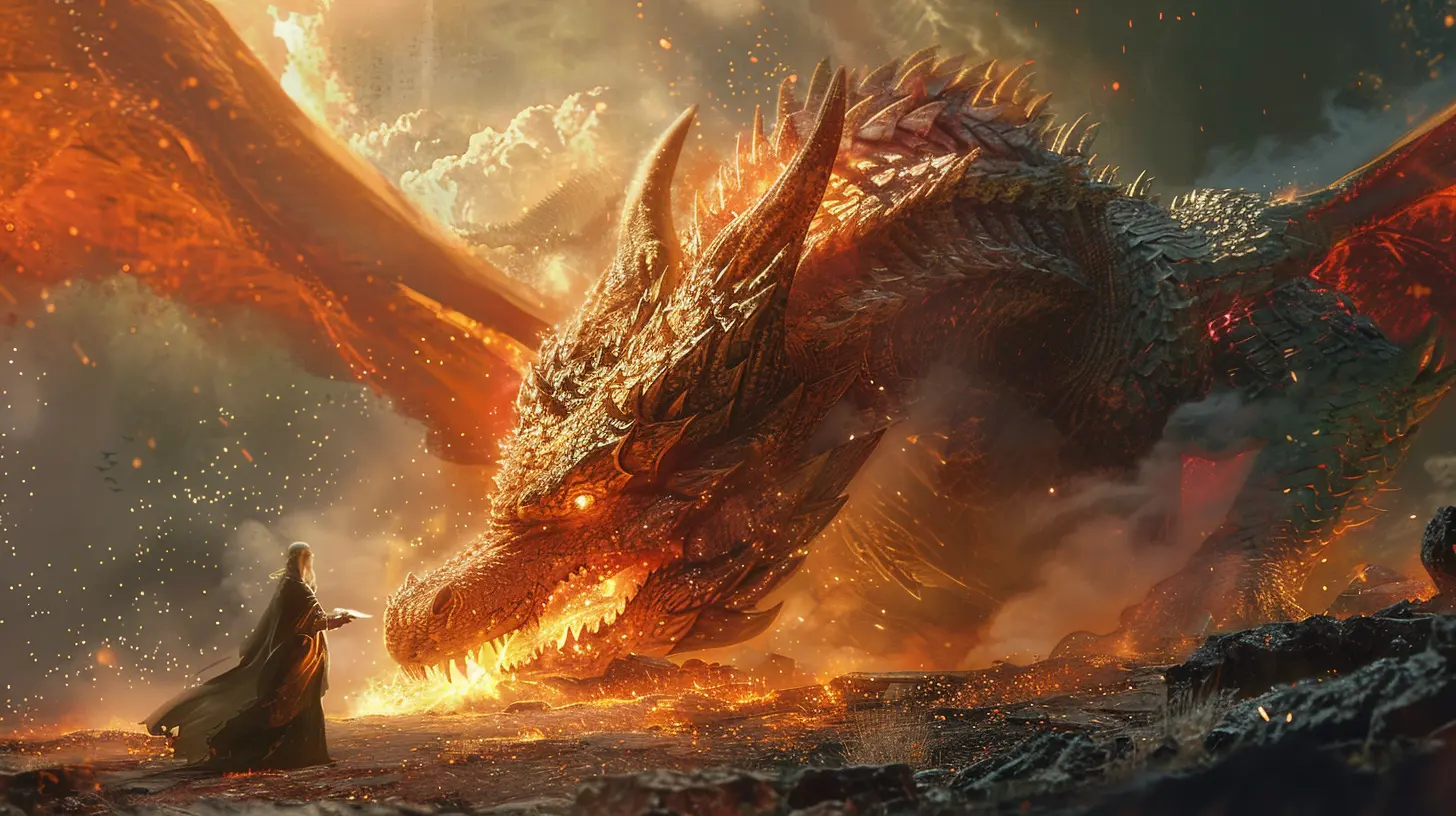
The Fine Line Between Challenge and Frustration
If an expansion is too easy, players breeze through it, tweet “Meh,” and move on.If it’s too hard, servers fill up with complaints, ragequits, and refund requests.
Finding that sweet spot of difficulty is like cooking pasta — leave it in too long, and it turns to mush; too short, and it's crunchy in the worst way.
Good game expansions raise the bar just enough to keep things fresh without alienating players. They test your skills without throwing you into a meat grinder. Dark Souls does this brilliantly with its DLCs — satisfyingly brutal, but not unfair.
Balance in difficulty isn’t just about numbers. It’s about pacing, design, and reward systems. When a tough fight feels meaningful and fair, it’s satisfying. When you feel like you’re just getting punished? That’s when the balance fails.
New Mechanics, New Headaches
Adding new systems is another minefield. Whether it’s crafting, skill trees, or combat tweaks, new mechanics can either breathe life into a game or completely break it.Take Destiny 2’s expansions, for example. Each new content drop layered in new currencies, resources, and systems. And while that initially feels exciting, it can also lead to confusion and fatigue. Players don’t want to re-learn how to play the entire game every time an expansion hits.
The solution? Integration. New mechanics should complement existing systems, not replace them. Think of them like seasoning — enhancing the flavor without overwhelming the dish.
Narrative Continuity: Don’t Break the Storyline
We get attached to stories. Expansions that ignore lore or character arcs can feel more like fan fiction than official content.A good expansion should feel like the next logical step in the world’s evolution. It should answer old questions and raise new ones, not reset everything. Continuity matters — emotionally and mechanically.
Mass Effect’s DLCs did this well (minus that ending debate). They blended into the existing world so smoothly that it was hard to tell where the core game ended and the expansion began.
Community Feedback: Your Secret Weapon
Let’s take a moment to appreciate the unsung heroes of game balance — the players.No matter how well you plan an expansion, you’re never going to see all the angles. That’s where your community comes in. They’ll stress-test mechanics in ways no QA team ever could.
Beta testing, PTR servers, forums, Reddit threads — these are invaluable tools. Developers should lean into them. Changes based on player feedback show that the devs are listening and care. It builds trust, and trust builds long-term engagement.
Hey devs: want your expansion to thrive? Crowdsource your sanity checks. You’ll thank us later.
Monetization: The Balance Between Content and Cost
Let’s talk money.Balancing expansions isn’t just about gameplay — it’s also about value. Players want to feel like they’re getting their money’s worth. If an expansion feels like a lazy cash grab, it’s going to flop, no matter how well the mechanics are balanced.
Transparency is key. Tell players what they’re paying for, show them the roadmap, and deliver on your promises. Free expansions with in-game monetization can work (hello, Fortnite), but only if players don’t feel tricked or nickel-and-dimed.
Best Practices for Balanced Expansions
Let’s round this out with some golden rules. Whether you’re a developer or just an armchair analyst, these are the pillars of a well-balanced expansion:1. Respect Legacy Content
Don’t make previous effort feel wasted. Let old gear, quests, and experiences remain meaningful.2. Avoid Overpowered Additions
Power creep ruins challenge. Keep new gear and abilities exciting, but not game-breaking.3. Build on the Narrative
Continue the story; don’t reboot it. Keep character motivations, lore, and world logic intact.4. Integrate New Mechanics Seamlessly
Don’t overwhelm. Sprinkle new systems in — don’t dump the whole kitchen sink.5. Listen to the Community
Player feedback is gold. Use beta tests and forums to fine-tune balance after launch.6. Keep the Ecosystem Healthy
Watch the economy, trade systems, and crafting dynamics. Don’t introduce inflation — even virtual coins matter.Closing Thoughts: A Delicate Dance Worth Mastering
Balancing game expansions is a little like juggling flaming swords while riding a unicycle. It sounds impossible — and sometimes it feels that way. But when done right? It’s breathtaking.Great expansions breathe new life into beloved games. They keep us coming back, keep the stories alive, and challenge us in exciting ways. But it takes care, planning, and a genuine love for the player experience.
So whether you’re diving into your favorite franchise’s next expansion or dreaming up your own game idea, remember this: balance isn’t about perfection — it's about harmony.
And just like in any good game, mastering balance is a challenge worth taking on.
all images in this post were generated using AI tools
Category:
Game ExpansionsAuthor:

Greyson McVeigh