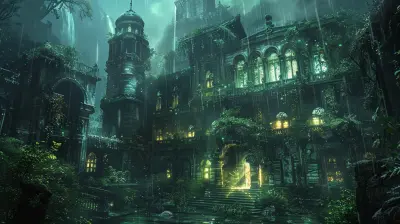
When Less Is More: Minimalist Storytelling in Games
16 June 2026
Ever played a game where the story just... hit different? Not because it was sprawling or packed with lore dumps, but because it said so much with so little? That, my friend, is the magic of minimalist storytelling in games.
We live in an age of cinematic cutscenes, deep lore wikis, and branching narratives that could rival the length of a novel series. But sometimes, stripping things back to the bare essentials can be even more powerful. In fact, when it comes to storytelling in games, less can very often be more.
In this article, we’re diving deep into minimalist storytelling in games—what it is, why it works so well, and which titles absolutely nail it.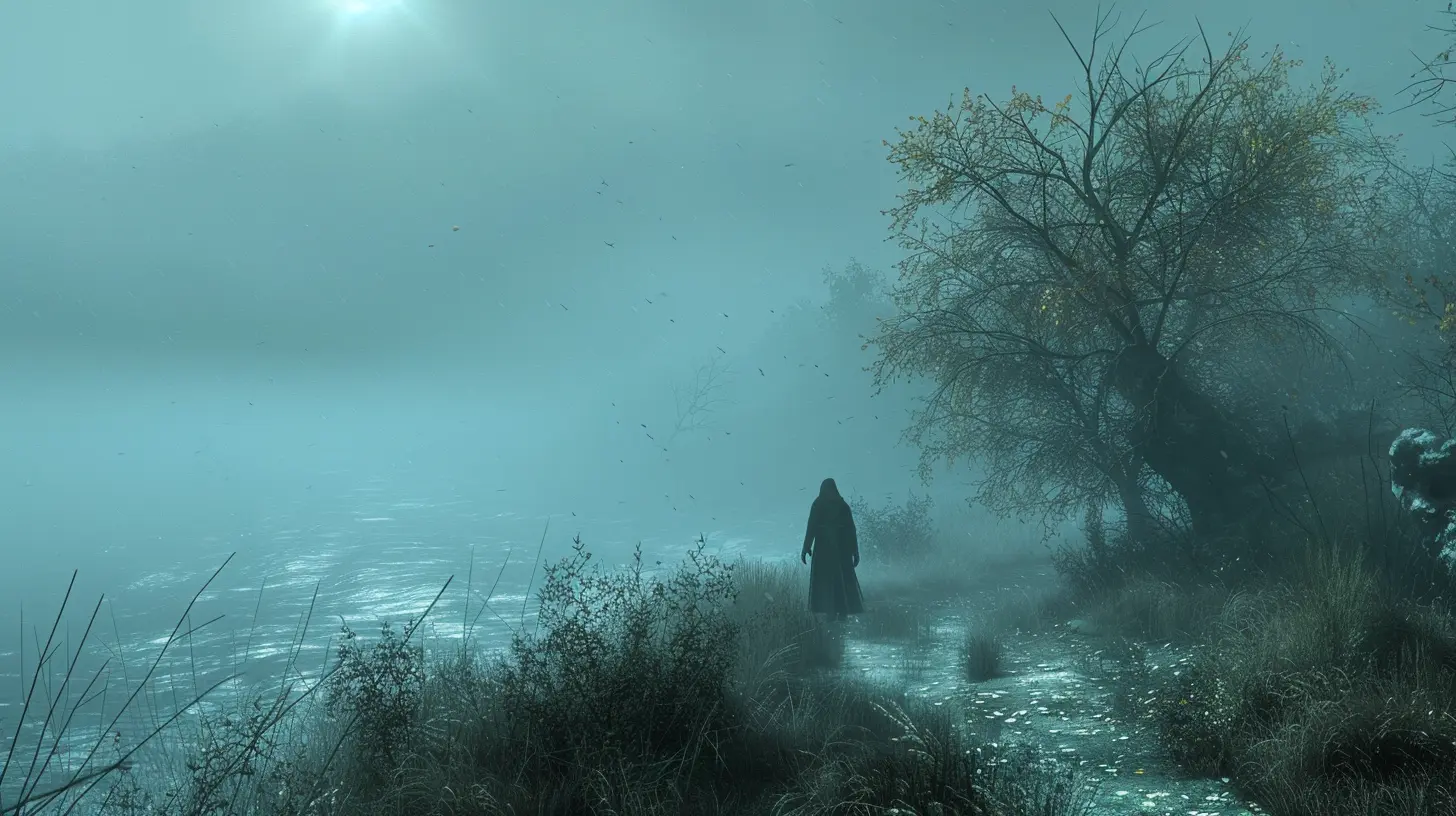
What Is Minimalist Storytelling in Games?
Minimalist storytelling is all about telling a compelling story using only what's absolutely necessary. It's the art of saying a lot with very little—like whispering in a room full of shouting and still getting everyone's attention.Instead of bombarding players with walls of text, exposition-heavy scenes, or endless dialogue, minimalist games let the story unfold naturally. Through subtle cues, visual storytelling, and implied meaning, players are encouraged to fill in the gaps themselves.
It’s storytelling that trusts the player. And honestly? That trust makes everything so much more personal and meaningful.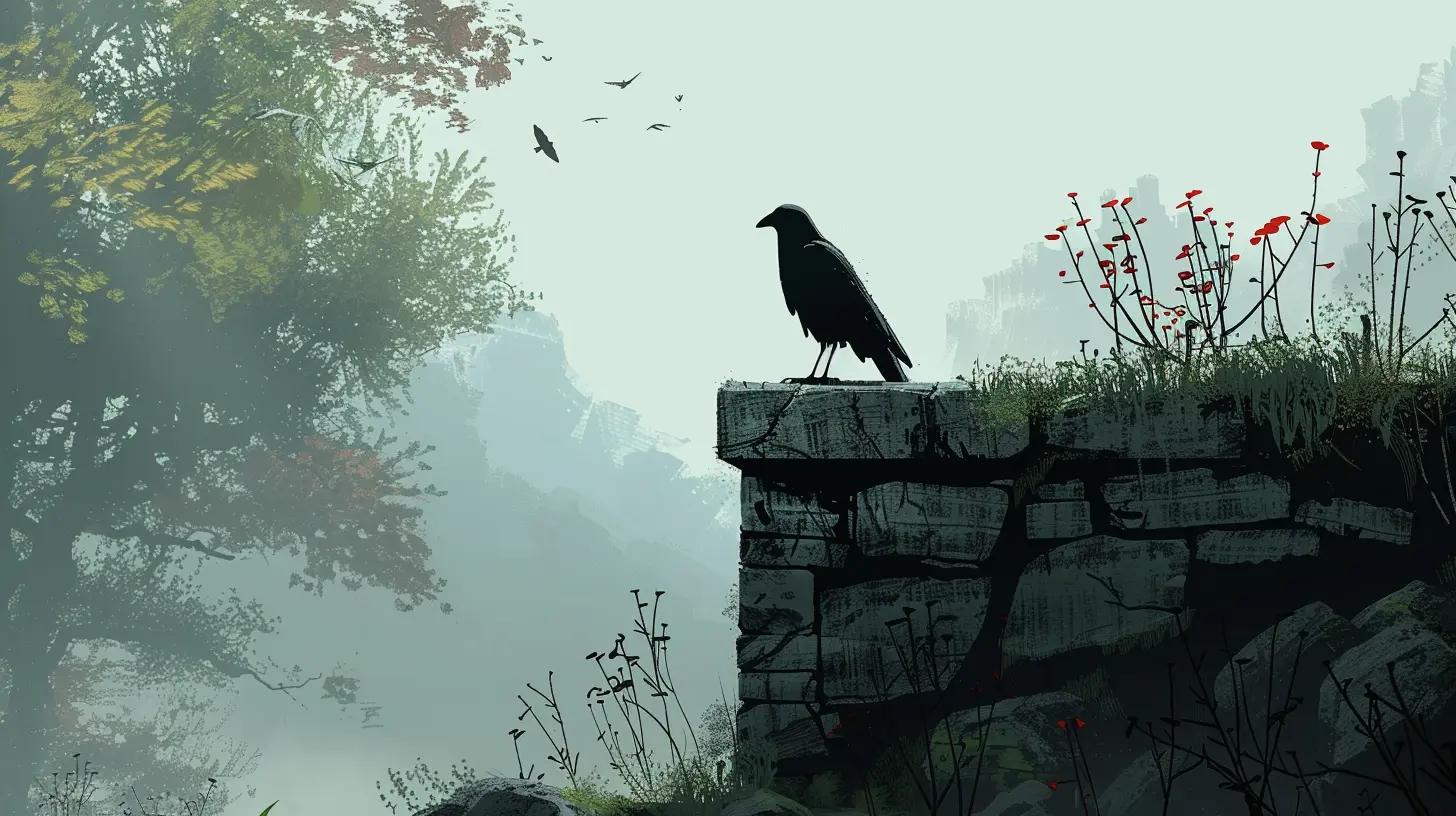
Why Minimalism Works So Well in Games
You might be wondering, “Isn’t more story always better?” Not necessarily. Games aren’t movies or books—they’re interactive. You’re not just observing the story, you’re part of it. And that’s exactly where minimalist storytelling shines.Here’s why it works like a charm:
1. Player Interpretation
Minimalist games create space for you to bring your own emotions, experiences, and imagination into the mix. When not everything is laid out for you, you start connecting the dots yourself—and that makes the story feel more personal.Ever played a game and thought about it for days, trying to piece together what it all meant? Yup, that’s minimalism doing its job.
2. Emotional Impact
By keeping things simple, game devs can focus on making every detail count. A single line of dialogue, a change in music, or a shift in color palette can hit you harder than a ten-minute monologue.Think about it like this: the fewer words a character says, the more weight each one carries.
3. Immersion Through Environment
Show, don’t tell. That old writing rule? It’s gold in gaming. Minimalist games often use environmental storytelling—clues, visuals, and design choices that hint at what’s going on. This allows you to feel the world instead of being told about it.It’s subtle, but incredibly immersive.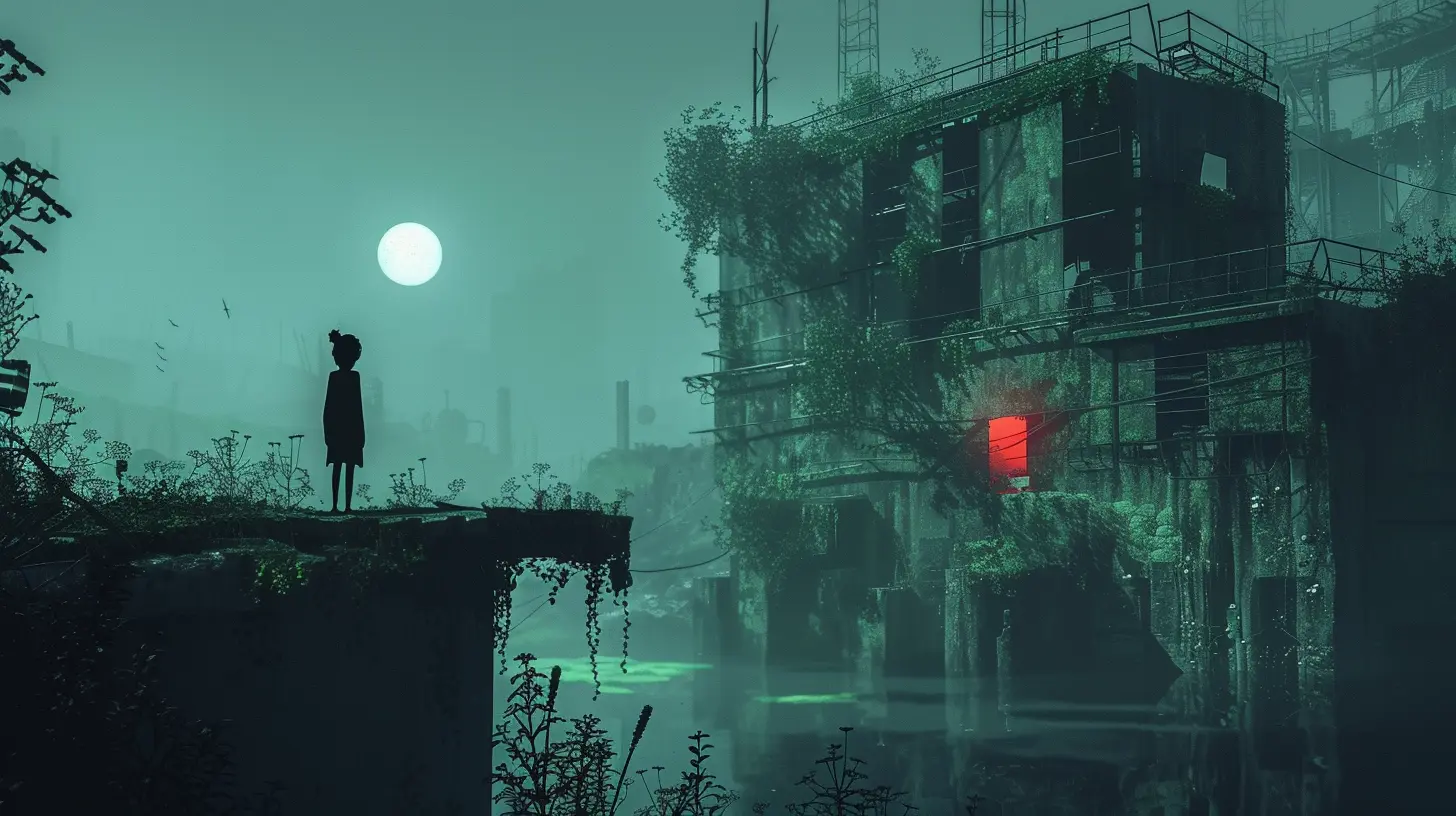
Hallmarks of Minimalist Storytelling
Not all minimalism is created equal. But if you’re wondering how to spot a game that leans into this approach, here are the telltale signs:- Sparse or no dialogue
- Little to no on-screen text
- Environmental cues over narration
- Ambiguity and open-ended narratives
- Emphasis on mood and tone
- Quiet, reflective pacing
Now, let’s take a look at a few games that absolutely nailed this.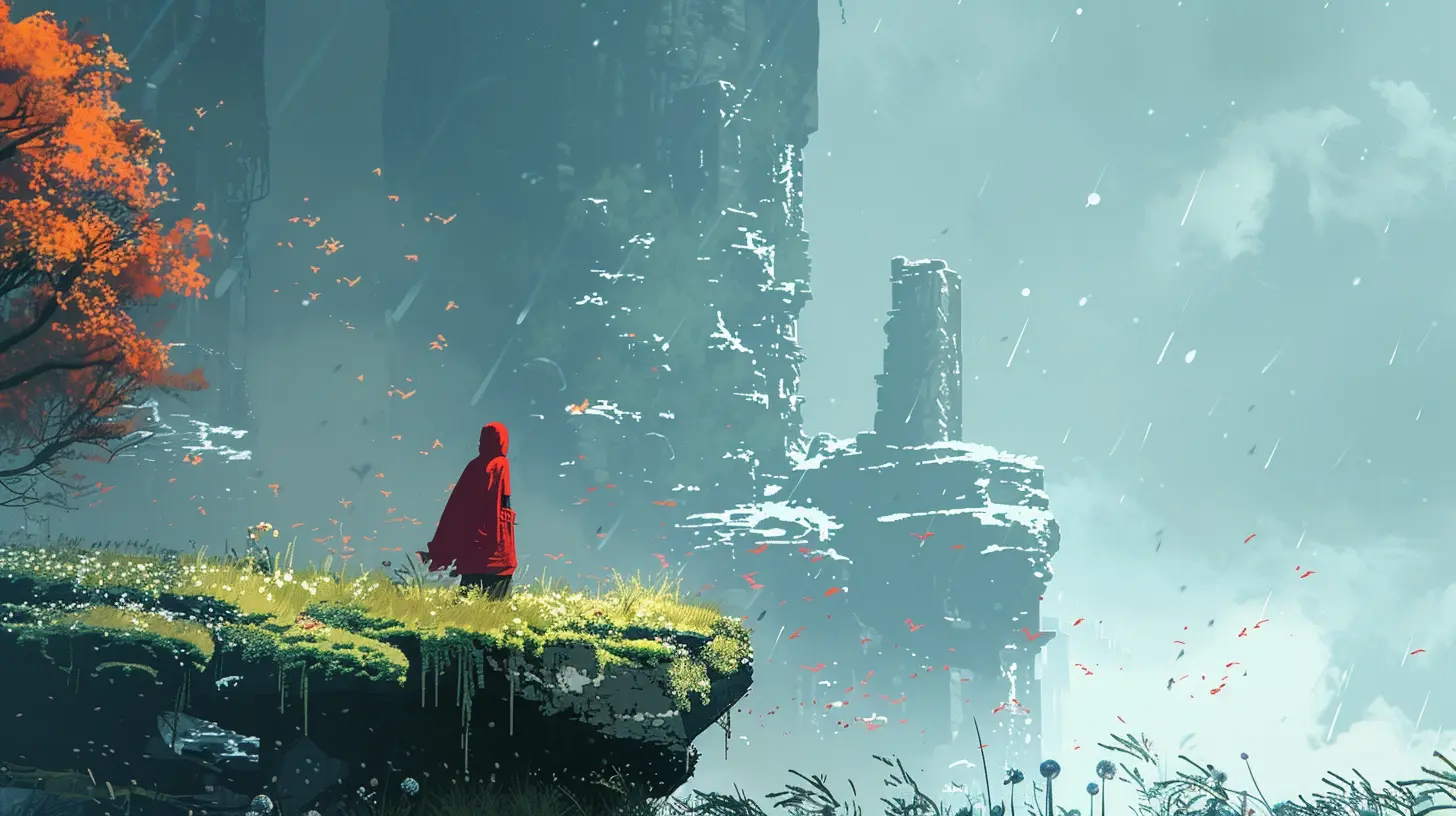
Minimalist Storytelling in Action: Iconic Examples
1. Journey (Thatgamecompany)
If there’s one game that defines minimalist storytelling, it's Journey.No words. No dialogue. Not even a traditional HUD. Just a robed figure in a vast desert, moving toward a mountain in the distance. Every step you take, every interaction with the environment, and even your connection with other players—all of it tells a heartfelt, emotional story.
Journey proves you don’t need a script to make someone cry. You just need raw storytelling baked into the fabric of the game.
2. Inside (Playdead)
Inside drops you into a bizarre and unsettling world with zero context. No instructions. No dialogue. And yet, every creepy factory, every haunting sound, and every piece of the background screams narrative.You’re left to interpret everything yourself—and that mystery? It's captivating.
3. Shadow of the Colossus (Team Ico)
Sixteen colossi. One sword. One silent world.Shadow of the Colossus strips away side quests, busy towns, and lengthy conversations to focus on a single mission. The emotional weight comes not from what’s said, but from what’s left unsaid. The silence in this game feels heavy—and that silence tells a tragic story all on its own.
4. Limbo (Playdead)
Like its spiritual sibling Inside, Limbo is a masterclass in doing more with less. It’s black-and-white, moody, and entirely silent in terms of dialogue—but it paints a disturbing, thought-provoking story through its level design and atmosphere.You feel the tension. You sense the danger. And that’s all without a single spoken word.
5. Hyper Light Drifter (Heart Machine)
This one’s for the pixel-art lovers out there.Hyper Light Drifter tells a rich and layered story using only visuals, music, and gameplay mechanics. There’s no spoken or written language to guide you—just symbols, animations, and sound design. It’s cryptic, sure, but it makes you want to dig deeper and uncover the meaning behind it all.
Creating Atmosphere Without Words
One of the biggest strengths of minimalist games is atmosphere. You can feel a game’s emotional core just by walking through its world.Whether it’s the haunting stillness of Shadow of the Colossus or the eerie gloom of Inside, every visual element is designed to evoke emotion. You’re not reading a story—you’re living inside it.
Sound design plays a huge role here too. Minimalist games often have sparse but impactful soundtracks. A soft piano note at the right time? Goosebumps. Silence after a major event? Chilling.
Letting Players Fill in the Gaps
What makes minimalist storytelling so compelling is the way it invites you to participate in the narrative. You’re not just consuming a story—you’re co-creating it.It's like being handed a puzzle with missing pieces. You might not get every answer, but that uncertainty keeps you engaged. You start theorizing, imagining backstories, and asking “what if?” And sometimes, your interpretation is more powerful than any definitive answer could be.
We’ve all seen fan theories spiral out of control in the best ways, right?
The Risk and Reward of Going Minimal
Let’s be real: minimalist storytelling isn’t for everyone. Some players crave detailed lore, character backstories, and clear-cut motivations. And that’s totally valid.But for the ones who like to feel their way through a story—to sit in the discomfort of ambiguity—it’s an unforgettable experience.
It’s a risky move for devs. Less content means fewer chances to hook players with traditional storytelling. But when it works? It sticks with you for years.
Why Players Keep Coming Back
There’s a reason minimalist games keep building cult followings. They don’t just tell a story—they give you space to experience the story in a way that’s uniquely yours.You keep coming back because every playthrough brings a new perspective. Your mood, your life experiences, even the time of day can change how a minimalist story hits you.
It’s like your favorite song—you might not know why it makes you feel the way it does, but it stays with you anyway.
So, What's the Takeaway?
Minimalist storytelling proves that video games don’t need epic sagas or walls of lore to tell great stories. Sometimes, the quietest games speak the loudest.They trust players to pay attention, to feel the silence, to read between the lines—and in doing so, they create something that sticks. Not just in your memory, but in your soul.
So next time you’re picking a game, maybe skip the AAA blockbuster. Try the quiet one. The simple one. The one that whispers instead of shouts.
You might just find a story that says everything you didn’t know you needed to hear.
Final Thoughts
Minimalist storytelling isn’t a genre, it’s a philosophy. One that values subtlety, player agency, and emotional resonance over sheer volume. Whether you’re indie-dev curious or just a fan of powerful narratives, minimalist games offer a refreshing change of pace from the noise of modern game design.So go ahead—embrace the silence. You might be surprised by what it has to say.
all images in this post were generated using AI tools
Category:
Game NarrativesAuthor:

Greyson McVeigh
Discussion
rate this article
1 comments
Soren McCarty
Less is more, especially when it comes to epic gaming adventures... love it!
June 16, 2026 at 4:29 AM
Greyson McVeigh
Thanks for your insight! I completely agree-minimalism can really enhance the gaming experience. Glad you enjoyed it!