Games That Explore Grief, Loss, and Human Emotion
31 July 2026
Let’s face it—when we think about video games, most of us picture fast-paced action, adrenaline-pumping battles, and fantasy worlds where we can escape reality. But sometimes, a game does more than entertain. Sometimes, a game reaches into your chest, grabs your heart, and makes you feel something real. That’s right—some games dive deep into the raw, messy world of grief, loss, and human emotion. And guess what? They do it beautifully.
So today, let’s take a journey through a selection of games that are more than just pixels and play—they’re experiences that reflect the human condition in ways that are deeply touching and often unforgettable.
Why Games About Grief and Emotion Matter
You might be wondering, "Why would anyone want to play a game that makes them sad?" Fair question. But here’s the thing—sadness is a part of life. And games, just like movies or books, are a powerful way to process those emotions.Games that tackle tough topics like grief or loneliness often serve as safe spaces to feel those emotions, understand them better, or even heal a little. They give us control, a sense of agency, and sometimes, the emotional catharsis we didn’t even know we needed.
Plus, when a game gets it right? It hits different.
1. That Dragon, Cancer – A Tribute to Love and Loss
Let's start with a game that wears its heart painfully on its sleeve. That Dragon, Cancer is an autobiographical game created by Ryan and Amy Green, telling the heartbreaking story of their young son Joel’s battle with terminal cancer.This isn't a "fun" game—the gameplay is minimal, but emotionally? It’s a gut punch. It immerses you in real-life moments of joy, despair, prayer, and confusion. It's raw, poetic, and deeply personal.
Ever heard the phrase, “You’ll cry ugly tears”? Yep. This one will do it.
2. Spiritfarer – Saying Goodbye with a Smile
Now, here's a game that takes the heavy topic of death and wraps it in a warm, cozy blanket. Spiritfarer is a gentle management game where you play as Stella, a ferrymaster for the dead, helping spirits accept their fate and move on to the afterlife.It’s like being a cosmic grief counselor with a boat.
You build, farm, cook, and cuddle adorable animal spirits, each of whom has a moving story. Saying goodbye to them? It’s so bittersweet. You’ll laugh, cry, and reflect—all while petting your cat. Yes, there’s a cat.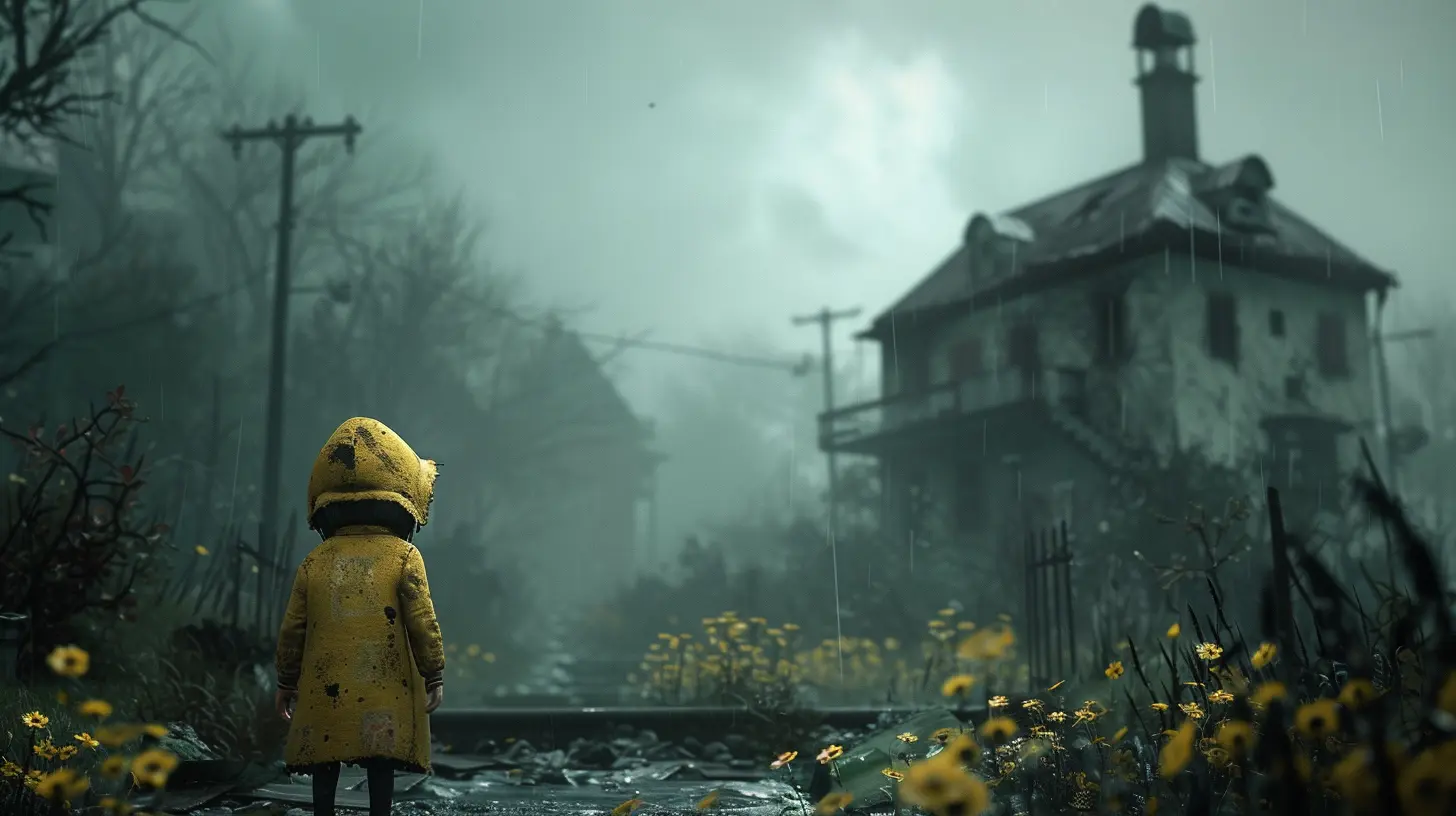
3. Gris – When Emotions Paint the World
Gris is a visual masterpiece. Think of it as an emotional journey disguised as a platformer. The game follows a young girl navigating a sorrowful world, metaphorically representing the stages of grief.There’s no dialogue. None. Yet the art, animation, and music speak volumes.
Every color added to the world represents healing. It's like walking through a broken heart that’s slowly putting itself back together. If games had soul, Gris would be the poster child.
4. What Remains of Edith Finch – A Story of Family and Tragedy
This game is storytelling magic. In What Remains of Edith Finch, you explore the Finch family’s mysterious home, diving into the lives—and deaths—of various family members.Each story is told through a different mechanic or art style, which keeps things fresh and emotionally impactful. Some are whimsical, others tragic, but they all tie back to themes of loss and memory.
It’s one of those games that sticks with you long after the credits roll. Like a haunting lullaby you can’t stop humming.
5. To the Moon – Regret, Romance, and Letting Go
Okay, fair warning—To the Moon is a tearjerker. Developed in RPG Maker, it might not look fancy, but it’ll wreck you in the best way.You play as two doctors traveling through a dying man’s memories, trying to fulfill his last wish. Along the way, you uncover a profound love story, a childhood tragedy, and the complexity of the human mind.
This is the game equivalent of reading a heartbreaking novel under a blanket with your favorite sad playlist.
6. Life is Strange – Choices, Consequences, and Connection
Life is Strange isn’t just about grief. It’s about friendship, growing up, and the confusing storm of emotions that come with being human.But grief is at the heart of it all. Whether you’re dealing with loss, regret, or trauma, the game forces you to make hard decisions and face the consequences. Plus, the supernatural time-rewinding mechanic? Chef’s kiss. It adds weight to every choice you make.
The characters feel so real, you’ll want to hug them through your screen. And yeah, you’ll probably cry—again.
7. Celeste – Climbing Mountains (Literal and Emotional)
At first glance, Celeste is a tough-as-nails platformer. But dig a little deeper, and you’ll find a beautiful metaphor for mental health, anxiety, and self-doubt.You play as Madeline, climbing a mountain while confronting her inner demons (literally, in some parts). The storytelling is subtle yet powerful. And the difficulty? Surprisingly empowering.
Every time you fail and try again, it reflects the resilience it takes to battle our own inner turmoil. It’s not just about reaching the summit—it’s about the journey.
8. Brothers: A Tale of Two Sons – A Wordless Goodbye
This one is genius in its design. You control two brothers at the same time—one with each thumbstick. Sounds weird? It is. But it’s also brilliant.As the story unfolds, and you face challenges together, you grow to love both characters. No spoilers, but when the end comes… your controller might as well be made of onions because you’ll be sobbing.
It’s a simple mechanic with a devastating emotional payoff. Don’t say I didn’t warn you.
9. Gone Home – Loss, Identity, and Discovery
Here’s a game that messes with your expectations. Gone Home sets you up to think it’s a spooky mystery (hello, creepy empty house!), but what you get is an emotional story of love, loss, and self-discovery.You explore a family’s home, putting together clues about where everyone has gone. What starts spooky becomes heartwarming—and kinda heartbreaking.
There’s no combat, no puzzles—just pure emotional storytelling at its finest.
10. A Mortician’s Tale – Death in the Details
Ever wonder what it’s like to prepare someone for their final rest? A Mortician’s Tale gives you a calm, respectful peek into the world of funerals and grief care.You play as Charlie, a mortician who reads emails, prepares bodies, and attends funerals. Sounds morbid? Surprisingly, it’s not. It’s gentle, educational, and thought-provoking.
It reminds you that death isn’t scary—it’s human. And that’s a powerful thing to feel from a video game.
Why These Games Stick With Us
So, what makes these games so unforgettable?It’s simple. They treat emotion with care. They tell stories that don’t rely on explosions or high scores, but instead focus on characters, choices, and connections. They’re grounded in truth—even when they’re wrapped in fantasy.
These games help us feel seen. They let us cry when we need to. They give us space to reflect, remember, and maybe even heal a little.
And that? That’s powerful.
The Game Is Changing—And That’s a Good Thing
Once upon a time, video games were considered “just toys.” Now, they’re one of the most emotionally expressive forms of art out there.Developers are daring to make games that don’t shy away from tough topics. Players are embracing these experiences. And the gaming world is better for it.
So the next time someone tells you that games can’t be emotional? Just smile, hand them a controller, and load up any game on this list.
Final Thoughts: Sometimes Pressing “Start” Means Starting to Heal
Look, not every game needs to dive into the depths of the human soul. There’s nothing wrong with a good old-fashioned shooter or a relaxing farming sim. But every once in a while, it’s worth picking up a game that challenges your heart instead of your reflexes.Because sometimes, pressing “start” is more than just beginning a game—it’s about beginning the process of understanding, of grieving, or maybe even of healing.
And if a game can do that? It’s so much more than just a game.
all images in this post were generated using AI tools
Category:
Game NarrativesAuthor:

Greyson McVeigh