What Makes a Game Story Truly Memorable
11 July 2026
Ever finished a game and couldn’t stop thinking about the story for days, even weeks? Yeah, we’ve all been there. Whether it’s the gut-punch twist at the end, a character that felt more real than your own friends, or just the way the story unfolded so naturally—you knew that game wasn’t just “fun.” It meant something. So, what makes a game story truly memorable?
Let’s dive into the secrets behind those unforgettable game narratives that live rent-free in our hearts (and save files).
1. Characters You Actually Care About
Let’s be real. You could have the most epic plot ever, but if the characters are bland? Nobody’s going to care.Think about it—why do we remember Ellie and Joel from The Last of Us? Or Geralt from The Witcher? It's because these characters feel alive. They're flawed, complex, and relatable. They're not just vessels moving the story forward—they are the story.
Why Character Development Matters
Great characters evolve. They face challenges. They make mistakes. They grow—or sometimes, they don’t, and that tells us something too. When we watch a character overcome fear, grief, or anger, it makes us feel like we’re on the journey with them.And here’s the kicker: when characters change, their evolution has to make sense. Forced, unbelievable development? Total immersion-breaker.
2. Emotional Connection is Key
Game devs who understand emotional storytelling are playing 4D chess.Let’s take Life is Strange as an example. It’s not flashy or packed with massive boss fights, but man, does it hit you in the feels. The emotional weight behind your choices, the relationships you build—it all sticks with you like emotional Velcro.
Feeling Something Beyond the Screen
When a game makes you laugh, cry, or yell at your TV (we’ve all been there), it's doing something right. That emotional rollercoaster gives the story texture. It turns a passive experience into something deeply personal.Ever felt guilty after making a tough decision in a game? That's no accident. Emotional engagement is what elevates a story from “cool plot” to “life experience.”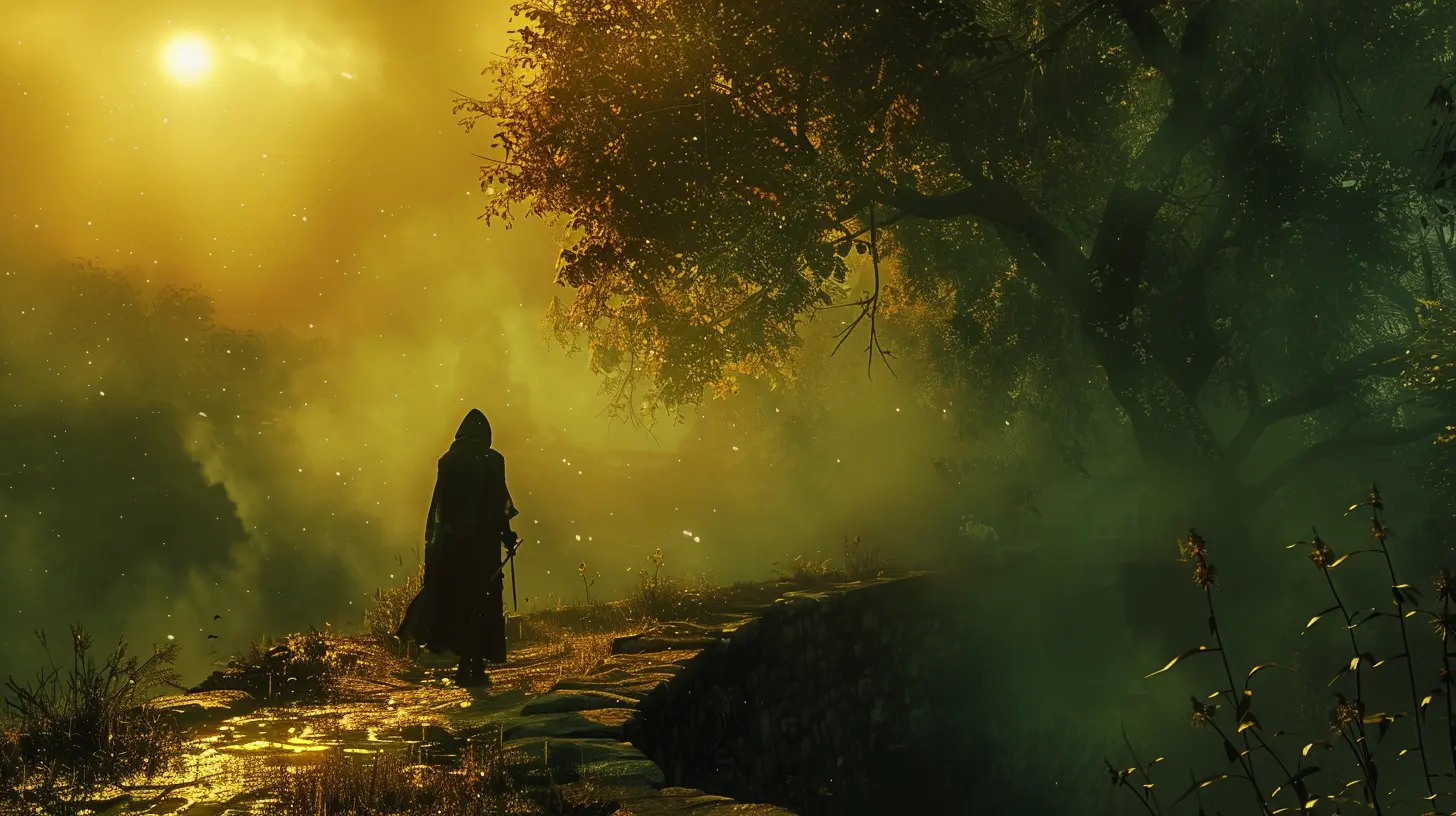
3. Worldbuilding That Feels Lived In
A good game world doesn’t just look pretty—it feels real. Like you could step into it and live there.Take Red Dead Redemption 2, for instance. The world is so rich and detailed, it practically breathes. Every town has a story. Every NPC has a routine. Even the animals have personalities (shoutout to the loyal horses).
What Makes Good Worldbuilding?
It’s not just about massive maps or photorealistic graphics. It’s about the little things. Letters lying around with half-told stories, graffiti on a wall, ambient conversations… those small touches whisper, “This world has history.”A well-built world makes you want to explore. You’re not just following a quest marker—you’re immersed in a universe with its own rules, cultures, and secrets.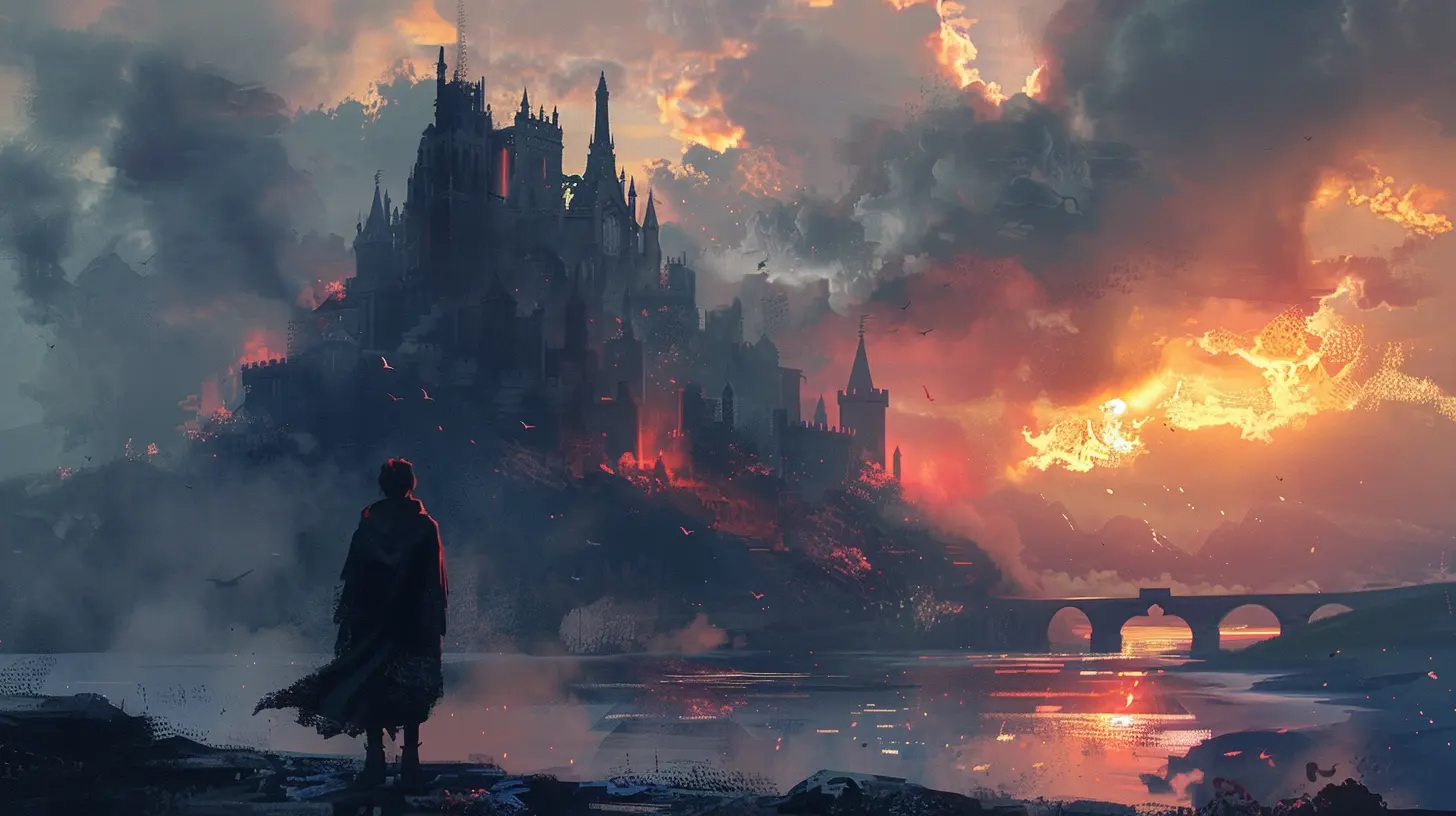
4. Choices That Actually Matter
Ah, player choice. One of gaming’s greatest narrative tools… when done right.When done poorly, choices are just an illusion. But when they’re meaningful? That’s when the magic happens. Mass Effect, The Witcher 3, Detroit: Become Human—these games understand weighty consequences.
The Impact of Interactivity
Games are unique because they’re interactive. You’re not just watching a story—you’re shaping it. When the game honors your decisions with different outcomes, it validates your role in the narrative.And when those choices come back to haunt you later? Even better. That’s storytelling with teeth.
5. A Story That Balances Surprise and Logic
A good twist is like a magic trick—you don’t see it coming, but when it happens, you realize all the clues were right there.Take Bioshock’s iconic “Would you kindly?” moment. That twist didn’t just shock—it recontextualized the entire game. And the best part? It didn’t feel cheap. It made sense.
The Element of Surprise
Memorable stories surprise us without betraying the logic of their world. The plot unfolds in a way that keeps us guessing but also rewards us for paying attention.No one likes a twist that comes out of nowhere with no buildup. That’s just lazy writing. But a surprise that’s earned? Chef’s kiss.
6. Themes That Resonate with Real Life
Sometimes, a game's story is gripping not just because it's well written, but because it reflects something real—something human.Think about Hellblade: Senua’s Sacrifice. On the surface, it’s a journey through a mythological underworld. But underneath? It’s about mental illness, grief, and strength. Deep, right?
Stories With Something to Say
When a game story taps into universal themes—love, loss, identity, morality—it sticks. It becomes more than just entertainment. It becomes a reflection of our own fears, hopes, and questions.Even if the setting is on a distant planet or in a fantasy kingdom, the most memorable stories hold up a mirror to real-life experiences.
7. Great Dialogue (No Cringe Allowed)
Dialogue is the lifeblood of storytelling—it makes or breaks immersion. If characters talk like robots or crack jokes that don’t land? It pulls you right out of the experience.Remember the writing in The Witcher 3? Or the banter between characters in Uncharted? That’s how it’s done. Natural, witty, and full of personality.
It'll Make You Laugh, Cry, or Quote It Forever
Iconic lines don’t just happen—they’re built on great writing and delivery. Whether it's a sarcastic quip or an emotional confession, when the dialogue feels real, you forget it’s scripted.And let’s not forget voice acting. Even the best-written lines fall flat if the voice acting isn’t up to par. Voice actors, you’re the real MVPs.
8. Pacing That Keeps You Hooked
Even the best story can drag if the pacing’s off. Too much action? You get numb. Too much talking? You get bored. It’s like eating only dessert or only salad—balance is key.Games like God of War (2018) nail pacing. The story breathes naturally between quiet moments and intense battles. You get time to reflect, then it punches you in the face (in the best way).
The Rhythm of Storytelling
Good pacing means knowing when to speed up and when to slow down. Sometimes you need an emotional cutscene. Sometimes you need a hard boss fight. When it flows right, players barely notice—they’re just engaged.9. Music That Strikes a Chord
Want to feel something instantly? Cue the music.Think about the haunting piano in The Last of Us or the sweeping orchestral pieces from Final Fantasy. That music is the story as much as the characters or plot.
Emotional Underscore
Great games use music to subtly guide your emotions. Without you realizing it, the soundtrack is building tension, signaling hope, or amplifying heartbreak.A memorable story needs a memorable score. Music latches onto our memories and keeps the story alive long after the credits roll.
10. A Satisfying (But Not Always Happy) Ending
Let’s talk endings. It’s the last impression a story leaves—and boy, it better land.A good ending wraps things up in a way that feels earned. Not everything has to be tied up in a happy bow (looking at you, Red Dead Redemption 2), but it should make sense based on everything that came before.
Closure Hits Differently
The best endings leave us feeling something. Sometimes it’s closure. Sometimes it’s heartbreak. Sometimes it’s a mix of both. But if we walk away thinking about it days later? That’s a win.And hey, some of the best stories don’t answer every question. They leave room for interpretation. They let us fill in the blanks. And that’s storytelling magic.
Final Thoughts: When Games Transcend Games
So, what really makes a game story unforgettable?It’s not just one thing—it’s a perfect storm. Compelling characters, real emotions, a living world, meaningful choices, powerful themes, tight pacing, and an ending that sticks the landing. All backed by killer writing, performance, and music.
When all these elements come together, you don’t just play a game—you experience it. And those are the stories we never forget.
So next time a game’s plot punches you in the soul, take a second to appreciate the storytelling wizardry behind it. Because in the end, it’s not just about the journey—it’s about how much we feel during it.
all images in this post were generated using AI tools
Category:
Game NarrativesAuthor:

Greyson McVeigh