Are Microtransactions Diluting the Expansion Experience
15 January 2026
Let's face it—gaming has changed. Not just in graphics, not just in scope, but in the way content is delivered and paid for. Gone are the days when you bought a game, played a full story, and maybe grabbed an expansion pack once or twice a year. Now? Microtransactions are everywhere. Whether you're buying cool skins, special weapons, or exclusive access to missions, the line between full-game content and paid add-ons is blurrier than ever.
This brings us to a big, juicy question: Are microtransactions diluting the expansion experience? Let’s dive into this, gamer to gamer.
What Exactly Are Microtransactions?
Before we go any further, let’s clear things up. Microtransactions are small payments made within a game, often for in-game currency, cosmetics, or content. Sounds harmless, right? Paying a buck or two for a skin or a weapon doesn’t seem like a big deal—until you start to notice that these little charges are replacing what we used to get in expansion packs.Remember when expansions felt like a whole new chapter? New maps, new storylines, entirely fresh experiences. Now, things feel... fragmented. Pieces of the game world are scattered behind paywalls, and it’s hard not to feel like we’re getting less for more.
The Golden Age of Game Expansions
Okay, rewind your brain to the mid-2000s. Expansions weren’t just DLC—they were epic additions. Think of World of Warcraft: The Burning Crusade or The Elder Scrolls IV: Shivering Isles. These weren’t just add-ons. They were full-on digital adventures.Back then, expansions were:
- Well-crafted with story arcs and gameplay that justified the price.
- Delivered as one package, not dissected into bite-sized in-game purchases.
- Highly anticipated—players would wait months or years, building hype.
You felt like the developers poured heart and soul into making something special. Now, it sometimes feels like we’re downloading a patch with an invoice attached.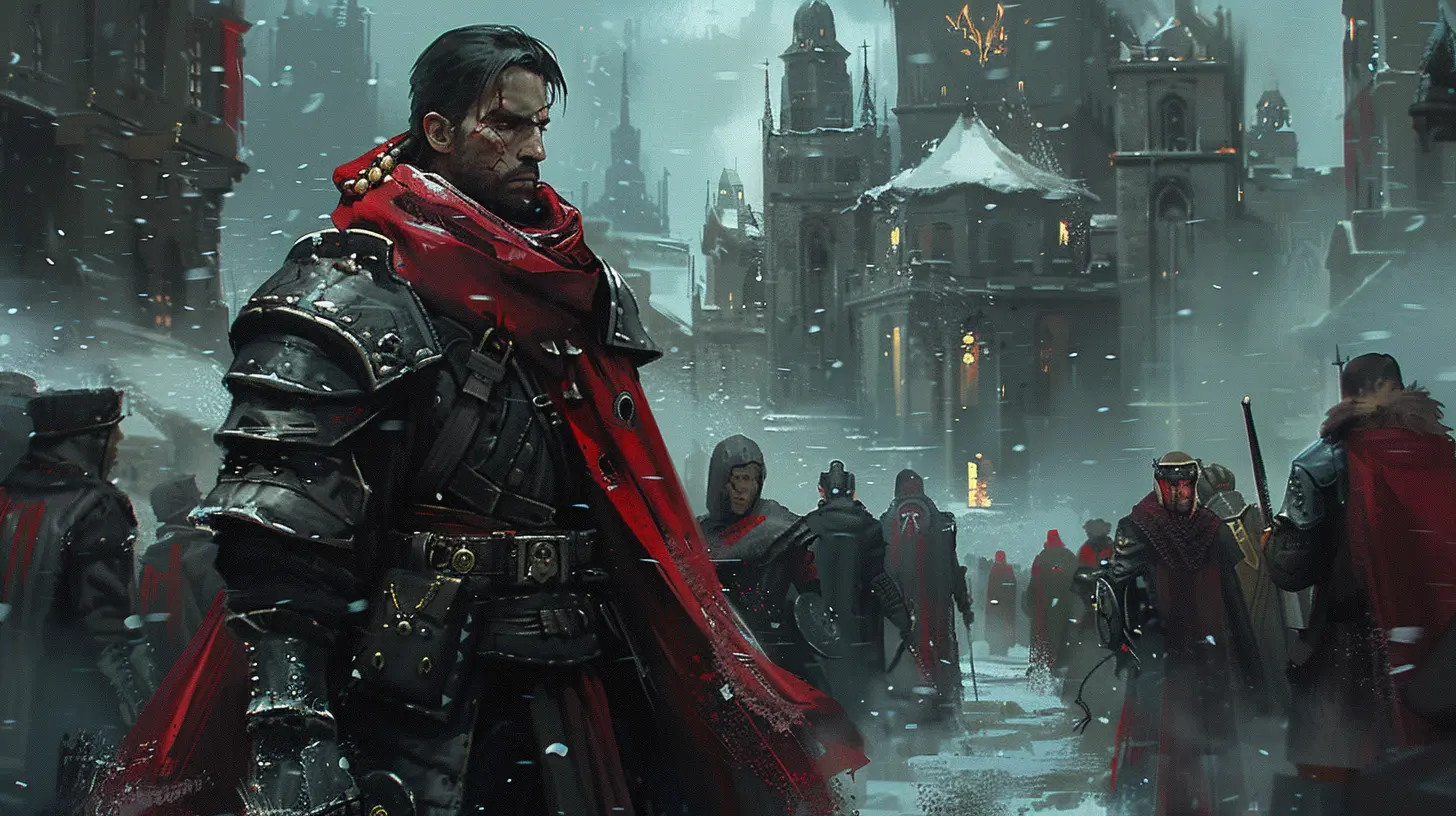
The Rise of Microtransactions
When mobile gaming boomed, microtransactions made sense. Free-to-play games needed to make money somehow, right? So in came gems, coins, and energy counters. But then console and PC games started doing it too. And now? Even AAA titles worth $70 come with a store full of stuff you could buy... if you’re willing to spend a little extra.And by "little," we sometimes mean a lot.
Loot boxes, battle passes, XP boosts, season passes—these are the new norm. But here’s the kicker: many of these used to be part of a traditional expansion. Now they’re broken up into microtransactions so developers can maximize profits over time.
Ouch.
So, Are Microtransactions Replacing Expansions?
Not entirely. Expansions still exist. They just look and feel different.But here’s the catch: microtransactions are slowly chipping away at what expansions used to be.
Let’s break it down:
| Expansion Features | 2000s Era | Modern Era |
|--------------------|-----------|-------------|
| Storyline content | Included | Often sold in segments |
| Unique gear | Included | Locked behind paywalls |
| New areas/maps | Packaged together | Sometimes sold separately |
| Cosmetic upgrades | Rare or unlocked in-game | Almost always paid |
Instead of a meaty, exciting expansion unlocking a wave of new content, we get a drip-feed of items and features. That sense of discovery? It’s often replaced with menus asking you to “Confirm Purchase.”
The Psychological Trap of Microtransactions
Let’s be real: there’s a method to this madness. Developers know exactly what they’re doing when they offer microtransactions.- FOMO (Fear Of Missing Out): Limited-time skins or bonuses create urgency. Don’t buy now? You might miss it forever.
- Progression Boosters: Why grind 20 hours when you can pay and skip the line?
- Vanity Appeal: That cool-looking sword? Yeah, you could get it... for $5.
This all shifts how we interact with games. Where expansions once encouraged exploration, achievement, and immersion—microtransactions often push instant gratification. It cheapens the journey.
And if you’re someone who loves unlocking stuff the old-fashioned way? You may feel left behind—or worse, punished for not paying.
But Not All Microtransactions Are Evil
Hold on—before we grab our digital pitchforks, let’s give credit where it's due. Some microtransactions are fair and harmless, especially when:- They’re purely cosmetic
- They don’t affect gameplay
- They support a free-to-play model
Games like Fortnite and Warframe have nailed this balance. Their microtransactions fund continuous updates without dividing the player base or locking vital content behind payments.
The key difference? Transparency and respect for the player's time.
When developers are upfront and avoid pay-to-win mechanics, microtransactions can co-exist with great expansions. It’s not the concept itself that’s harmful—it’s how it’s being used.
Why This Hurts the Expansion Experience
Here’s where things really bite. Because microtransactions bring in way more money than single expansion packs, developers start to prioritize them. So instead of working on a big, meaningful expansion...- They release smaller updates tied to store items.
- They stretch out storylines into paid episodes.
- They gate new modes or features behind pay tiers.
It turns what used to be a rich, communal experience into a transactional one. The world-building, storytelling, and surprise factor that made expansions magical? Slowly replaced with spreadsheets and pricing plans.
How This Affects Community and Game Balance
Another bummer: microtransactions can divide player communities. If one group of players has access to better gear or exclusive missions, the shared experience breaks down.And let’s not even start on game balance. Have you ever jumped into a PvP match just to get rolled by someone with pay-to-win gear? Yeah... not fun. This creates frustration, resentment, and often drives long-time players away.
Expansions used to bring players together. Microtransactions, unless handled carefully, can do the opposite.
Is There Hope for a Middle Ground?
Absolutely. As gamers, we’ve got more power than we think. The backlash against aggressive monetization in games like Star Wars Battlefront II actually forced EA to backpedal and rework their system. Why? Because gamers spoke up.So here's what we can hope for (and push for):
- Hybrid Models: Where expansions exist alongside optional, truly optional microtransactions.
- Subscription Services: Models like Xbox Game Pass or PS Plus that include expansions in your monthly fee.
- Better Value: Bundles that combine multiple features at a fair price, rather than selling content piecemeal.
Developers who respect the player base and focus on adding value rather than nickel-and-diming will always come out on top.
What Gamers Can Do
Alright, here's our action plan:- Support Fair Developers: Buy expansions that feel worth the money. Show demand for quality.
- Voice Your Opinions: Tweet, blog, post—developers do listen.
- Avoid Impulse Buys: Think before you spend. Is that skin really worth $10?
- Vote With Your Wallet: If a game’s monetization feels predatory, skip it.
The more we push back, the more the industry will evolve—for the better.
Final Thoughts
Are microtransactions diluting the expansion experience? In many ways, yeah—they are. They’ve changed how content is delivered, what’s considered "optional," and how progression works. But it’s not all doom and gloom. When used responsibly, microtransactions can coexist with deep, meaningful expansions.At the end of the day, it’s all about balance—and knowing when enough is enough.
If we, as a community, keep demanding better, there’s no reason we can’t have games that deliver incredible expansions and creative little extras—without making us feel like we’re being shaken down at every turn.
So next time you fire up your favorite game and see a shiny new “premium” item or a "skip to level 50" button, take a moment. Ask yourself: is this adding to the experience, or is it taking something away?
Because your expansion experience should feel expansive—not expensive.
all images in this post were generated using AI tools
Category:
Game ExpansionsAuthor:

Greyson McVeigh
Discussion
rate this article
2 comments
Vesperos Jordan
Microtransactions can detract from the immersive experience of expansions by prioritizing profit over player engagement, leading to frustration. Balancing monetization with genuine content growth is crucial for maintaining player satisfaction.
January 26, 2026 at 4:36 AM
Greyson McVeigh
I appreciate your insight! Striking a balance between monetization and meaningful content is indeed essential for preserving the immersive experience and ensuring player satisfaction. Your thoughts highlight a key challenge in the gaming industry today.
Quill Hahn
Microtransactions often detract from the immersive experience of expansions by prioritizing profit over player engagement, potentially undermining the depth and value of the content offered. Balance is essential.
January 16, 2026 at 4:46 AM
Greyson McVeigh
Thank you for your insightful comment! Balancing profit and player engagement is crucial to maintaining the integrity and value of expansions.