What Developers Can Learn from Hit Expansions
24 July 2026
Let’s be real—video game expansions are no longer just bonus add-ons or side dishes. They’ve evolved into full-blown gourmet meals that often steal the spotlight from the base game itself. Think of The Witcher 3: Blood and Wine, World of Warcraft: Wrath of the Lich King, or Elden Ring: Shadow of the Erdtree (yes, we're already hyped). What makes these expansions tick, resonate with the audience, and sometimes even exceed the original game in reputation?
If you’re a game developer, indie or AAA, this isn’t just cool trivia—this is gold. The best expansions aren’t just lucky—they’re designed with precision, heart, and strategy. So, what can developers actually learn from these hit expansions? Buckle up, because we’re diving deep.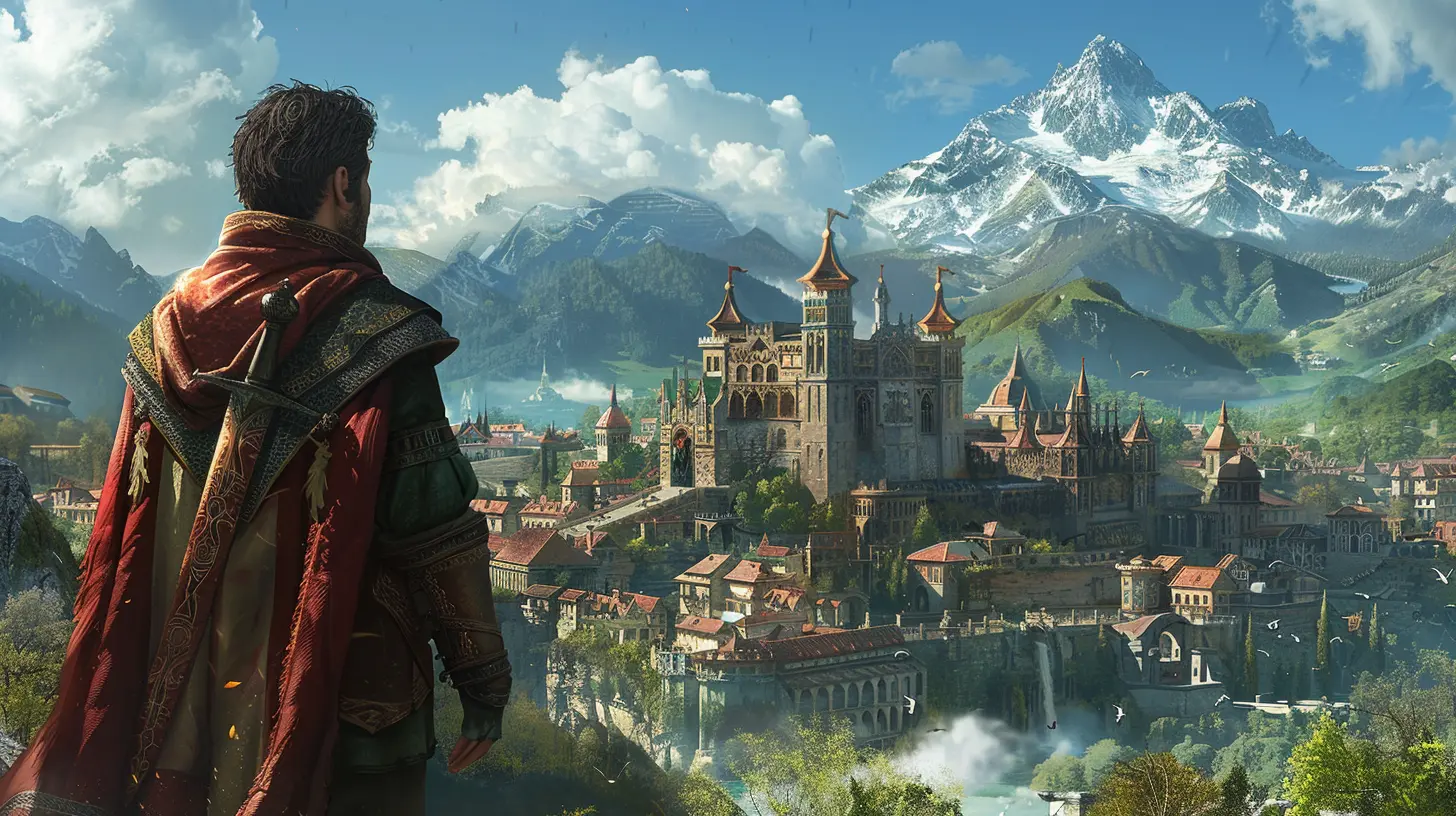
The Value of Player Feedback
Expansions as Honest Mirrors
Let’s start with something simple but powerful: feedback. Hit expansions often feel like the developers took everything players complained about, praised, or wished for—and turned that into something playable and polished.Games like Destiny 2 saw massive course correction through expansions like Forsaken, which rebuilt core systems based on player frustration with content droughts and uneven difficulty. Developers who pay attention to community forums, Reddit threads, and Twitch streams are picking up insights money can’t buy.
Tip for Devs:
Don’t wait until post-launch to really 'listen.' Create feedback loops during demos, betas, and closed tests—and extend them into post-launch. Expansions can be the answer to your audience’s unspoken questions.
Storytelling: Deep Dive, Don’t Rerun
Expand the Lore (Don’t Rehash It)
Great expansions enrich the world—they don’t just recycle it. Blood and Wine didn’t just add more of Geralt swinging swords. It gave us a whole new, vibrant region (Toussaint), complete with fresh characters, politics, and even a different tone. It was like reading another book from the same universe. That’s what makes it memorable.Lazy expansions? Those are the ones that slap on a few more enemies and call it a day. Nobody remembers those.
Tip for Devs:
Use expansions as a storytelling sandbox. Introduce new factions, philosophies, or playable perspectives. Let the world breathe in new ways.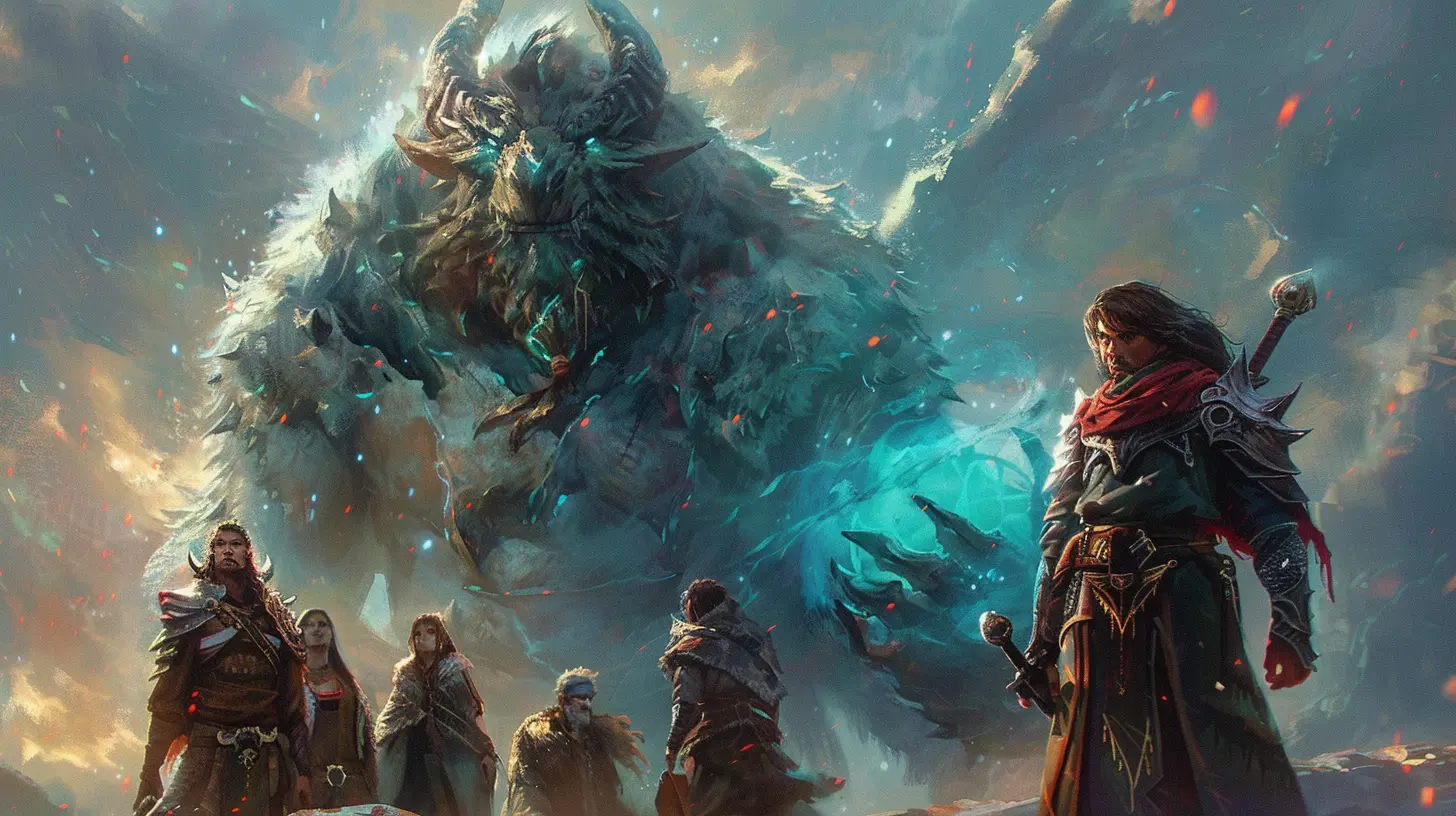
Gameplay Innovation Without Losing DNA
Iteration vs. Mutation
One of the biggest mistakes devs make is either changing too much or too little. Great expansions iterate on gameplay—adding depth—not throwing out what works. Think of how Monster Hunter World: Iceborne added the Clutch Claw mechanic. It didn’t replace the combat loop. It reinforced it.The idea isn’t to create a new game. It’s to make the current one richer, deeper, sharper. Like brewing tea—it’s still water, just saturated with flavor.
Tip for Devs:
Ask yourself: “What systems in our game are fun but underdeveloped?” Then double down on those in your expansion.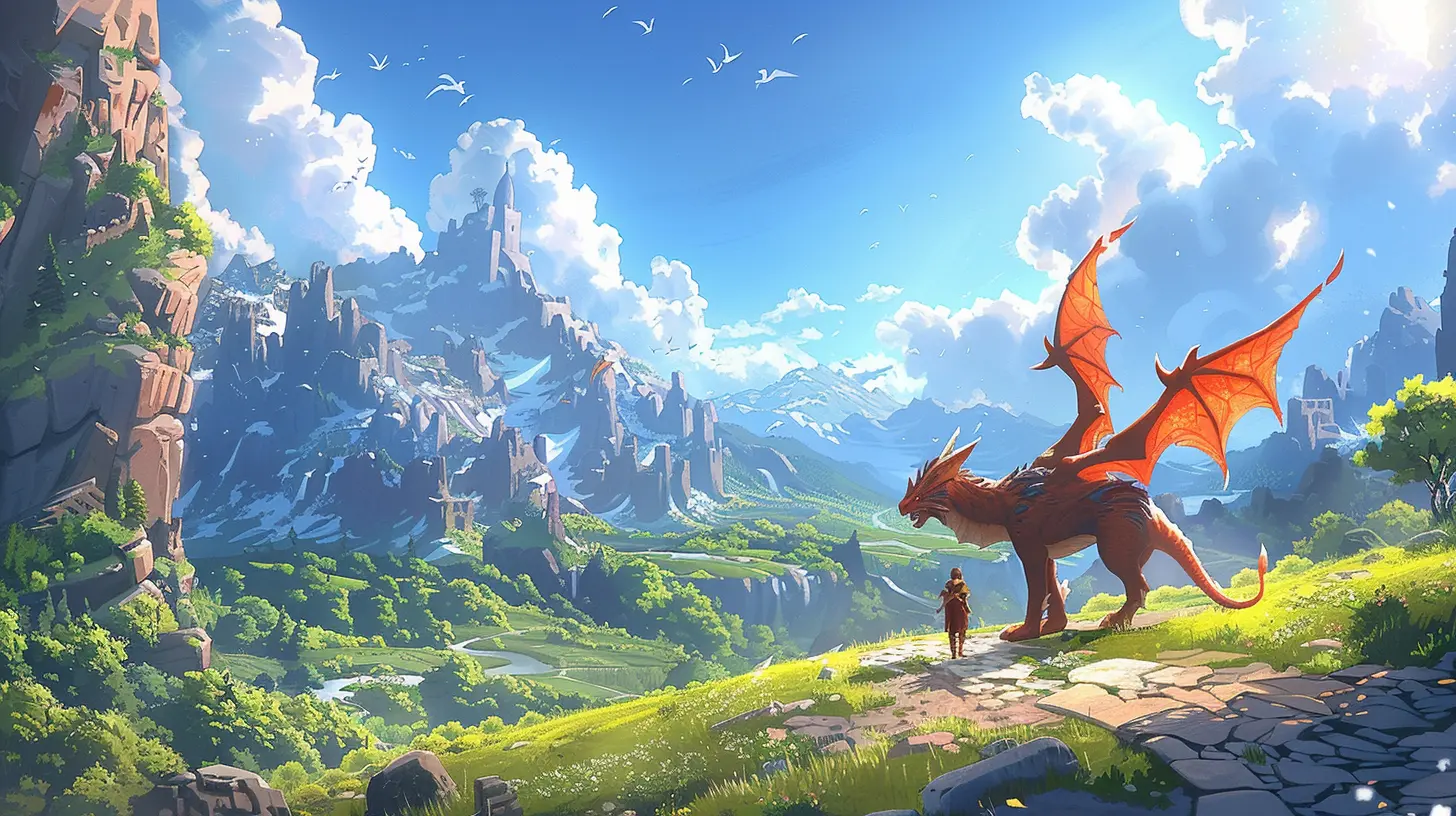
Visual and Audio Identity: Make It Pop
Same World, Different Flavor
Successful expansions often establish their own visual and audio lexicon. They stand apart while still feeling like they belong. Blizzard’s Wrath of the Lich King had a cold, haunting soundtrack and icy visuals that perfectly aligned with its theme. It didn’t just look different—it felt different.Your expansion should instantly convey its mood through design and sound. It’s about creating that “oh wow” moment when players first drop into the new content.
Tip for Devs:
Don’t reuse old assets unless you absolutely have to. A unique setting with fresh visual cues and musical themes can instantly elevate perception.Know Your Audience—and Grow With Them
Newbies Welcome, Veterans Rewarded
One balance that hit expansions absolutely nail? They’re welcoming to new players but offer real value to long-time fans. That’s incredibly tricky. It’s like writing a sequel that both recaps the plot and advances it in meaningful ways.Games like Horizon Forbidden West: Burning Shores catered to endgame players with high-level content, while still being navigable to folks who just wrapped up the base game. That’s key.
Tip for Devs:
Use clever onboarding. Let players jump in without needing a degree in your game’s lore, but keep the rewards juicy enough for veterans.Monetization Without Alienation
Paywalls vs. Value Walls
Let’s get into the cash talk. Monetization in expansions is a minefield. Do it right, and you’re praised. Do it wrong (looks at horse armor from the old Oblivion days), and you’re meme’d for life.The best expansions feel worth every penny. Think Shivering Isles for Oblivion. It delivered an entirely new realm, storyline, and gameplay hours that didn’t feel nickel-and-dimed.
Tip for Devs:
Always lead with value. If players feel like they’re getting something substantial, they’ll justify the price tag. Don’t turn your expansion into a glorified DLC shop.Timing Is Everything
Don’t Rush—But Don’t Wait Forever
Release timing can make or break an expansion. Drop it too soon, and players might not be ready. Wait too long, and you risk losing momentum or player interest.A good example is Cyberpunk 2077: Phantom Liberty, which landed well after the base game had time to recover its reputation. In that case, the wait actually helped the expansion shine on its own merits.
Tip for Devs:
Gauge your community’s pulse. Look at player retention data. Is your core audience still engaged? If yes, feed the fire. If no, build something worth returning for.Marketing and Hype: The Slow Burn Wins
Tease, Don’t Spoil
Hit expansions are masters of hype without oversaturation. Drip-feed teasers, let the community speculate (they love that), and avoid massive info dumps too early. From Software does this beautifully with cryptic trailers that barely show anything—and yet the internet goes nuts.Tip for Devs:
Craft intrigue. Build a narrative around the expansion that invites questions: “Who’s that character in the teaser?” “What’s that dark tower in the background?” Let curiosity ignite engagement.Quality Over Quantity—Every Time
Bigger Isn't Always Better
Some devs equate expansion success with size. More quests, more enemies, more space! But that can backfire. Players don’t want a bloated map; they want meaningful content.What hooked gamers in Undertale's Deltarune chapters isn’t how massive they are—it’s the heart, humor, and creativity packed into every moment.
Tip for Devs:
Curate your content. Cut fluff. Respect your player’s time while making every minute count.Community-Driven Content: Embrace the Mods
Let the Players Play
Some of the most iconic expansions started as community-driven ideas or mods. Skyrim's mod scene practically birthed entire new storylines. Developers who lean into this creativity—by releasing mod tools or collaborating with top creators—often end up with a stronger ecosystem.Tip for Devs:
Support modding where possible. Consider official community-curated expansions or in-game content platforms. Your players are often your best creators.The Expansion as a Redemption Arc
Second Chances in Gaming
Let’s not sugarcoat it—some base games drop the ball. But expansions? They’re the redemption arc. We’ve seen this with Final Fantasy XIV: A Realm Reborn, which literally rebooted itself and used expansions to heal its reputation and build a loyal base.It’s proof that even flawed base games can turn into cult classics with smart expansions.
Tip for Devs:
If your launch didn’t go as planned, don’t hide. Use your expansion as a way to say, “We hear you.” Then show it through quality, not words.The Power of Emotional Attachment
Make 'Em Feel Something
Remember your first time beating the Champions’ Ballad in Breath of the Wild? Or how Mass Effect 3: Citadel gave fans a final emotional hurrah with their favorite characters? Those moments stick because they tap into emotional storytelling.A good expansion isn't just more content—it’s a reunion, a punch to the feels, or a perfectly wrapped present.
Tip for Devs:
Use expansions to deepen relationships with characters, not just introduce new ones. Create stakes that matter emotionally, not just mechanically.Final Thoughts: The Expansion Mentality
Here’s the thing—expansions aren’t just something you tack on after launch anymore. They’re an art form and a business model. But more than that, they’re a mindset.If you think of your expansion as a love letter to your players, a thank-you card, and a second wind all rolled into one, you’re on the right track. The greats manage to walk this tightrope of innovation and consistency, emotion and mechanics, risk and reward.
So whether you’re building the next gaming juggernaut or launching a humble indie gem, ask yourself: What would a hit expansion do?
Then go do that.
all images in this post were generated using AI tools
Category:
Game ExpansionsAuthor:

Greyson McVeigh