Crafting Immersive Worlds Through Game Expansions
2 January 2026
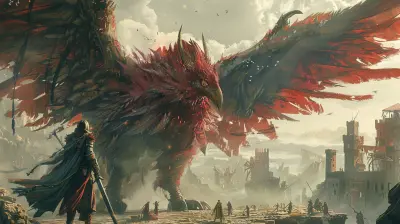
Ever played a game and thought, “Wow, I never want this to end”? You’re not alone. We’ve all been there—clocking in dozens (sometimes hundreds!) of hours into a beloved video game and still feeling hungry for more. That’s where game expansions swoop in like a knight riding a fire-breathing dragon, ready to breathe new life into familiar lands.
But game expansions aren’t just about tacking on extra levels or tossing in some new loot. Nope. The best expansions do something magical. They build, expand, and sometimes even reinvent an already-existing universe. It’s like opening a door in your favorite room and finding a whole new wing of wonder waiting to be explored.
So, how exactly do game developers craft these immersive worlds through expansions? Buckle in, because we’re diving deep into the creative alchemy behind it—and why it matters for gamers like you and me.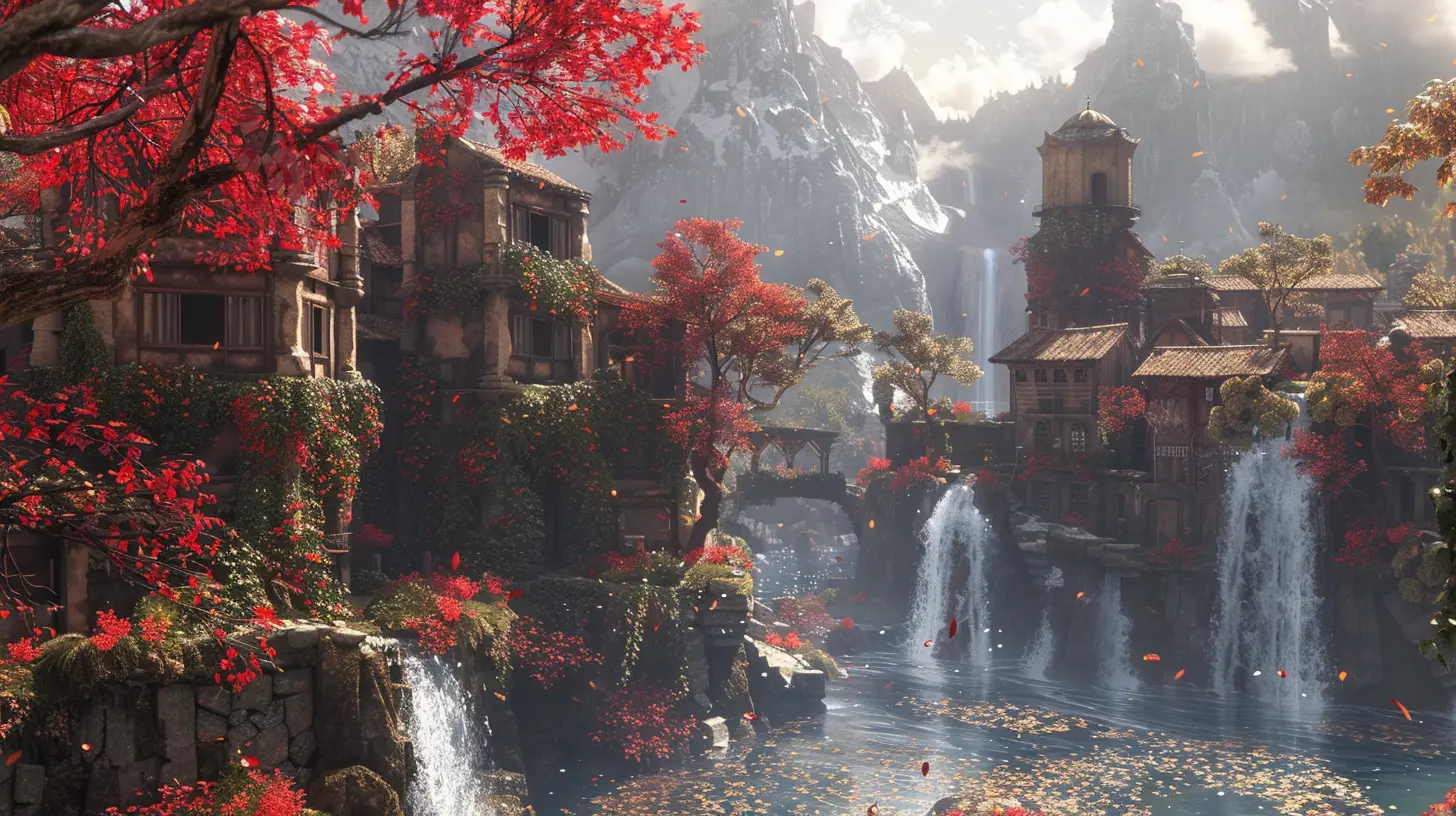
Why Game Expansions Matter More Than Ever
In a world where attention spans are short and options are endless, expansions are the key to longevity. They're like giving your favorite game a second wind. And not just any wind—a typhoon filled with mystery, story, and adventure.Think about it. Games like The Witcher 3, World of Warcraft, and Elden Ring didn’t just stay alive for years because players kept replaying the base game. They kept evolving. Developers kept the magic alive by offering more: more quests, more lore, more EVERYTHING.
Expansions aren’t side dishes. They're the second and third courses of a five-star meal.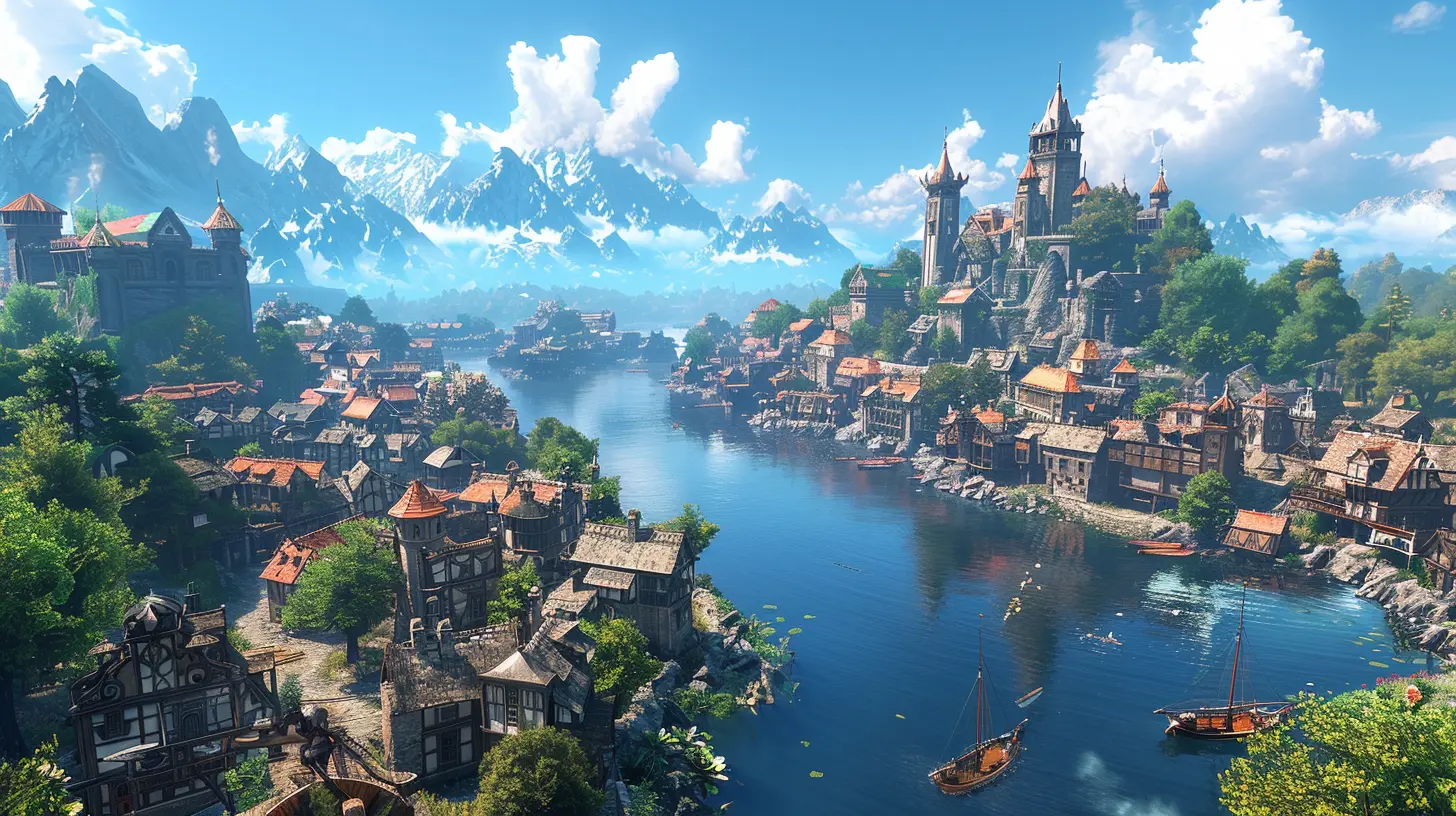
The Secret Sauce Behind Immersive Expansions
So what exactly makes an expansion immersive? It’s more than slapping in a new boss or adding a few side quests. Crafting an immersive expansion is part storytelling, part world-building, and part player psychology.Let’s break down the main ingredients.
1. Deep and Meaningful Lore
You could have the flashiest graphics in the world, but if your game world feels hollow—players walk away. Good lore gives expansions depth. It’s like the soil where the roots of your story grow. When developers expand lore within a game world, they’re not just offering new content. They're inviting players to dig deeper into the mythology, the people, and the events that make up the universe.Take Horizon Forbidden West, for example. Its expansion, Burning Shores, revealed previously hidden secrets of the old world—not as standalone info drops, but woven into the player’s journey. That’s how you keep a world alive.
2. Seamless Integration
Great expansions don’t feel like “DLC.” They feel like natural continuations. The trick? Seamless integration.Let’s say you’ve been playing a game for hours and suddenly have access to a new area. If it feels jarring or out of place, you’re pulled out of the experience. But when expansions blend into the existing gameworld—via a hidden path, a mysterious message, or a character’s cryptic invitation—it feels real. Organic.
When Skyrim added Dragonborn, it didn’t teleport you somewhere else for the sake of new content. It expanded your map, teased your curiosity, and made you want to explore. That’s the sweet spot.
3. Player Agency and Impact
Interactive storytelling is the heart of immersive gaming. But expansions that give players agency? That’s taking it up a notch.Players want to feel like their decisions matter. The best expansions give you weight behind your choices and even consequences that ripple throughout the game world. Whether you’re siding with new factions or unlocking game-altering powers, player impact gives meaning to exploration.
In short? When players shape the world, they care more about it. And that’s powerful.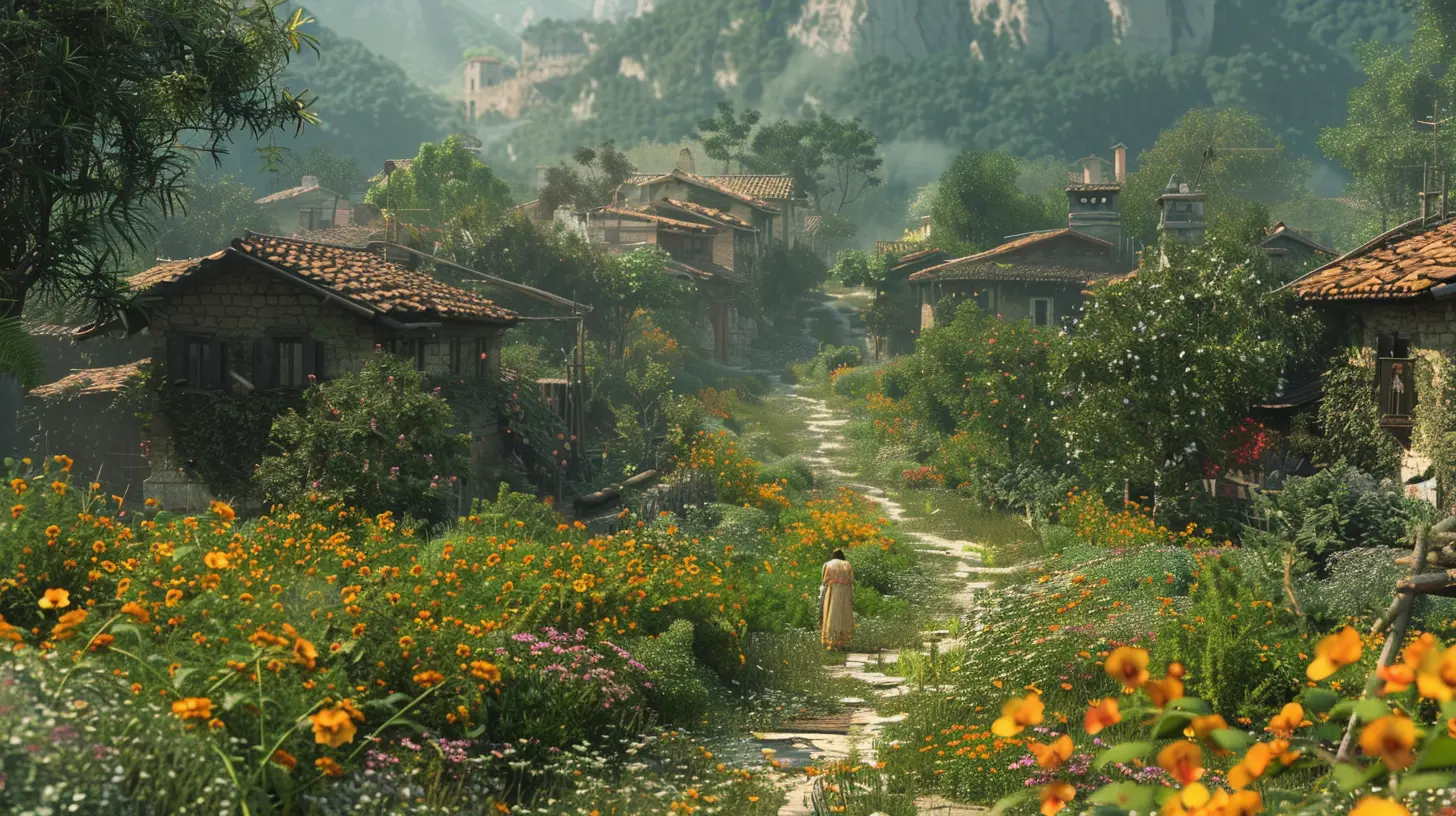
Expansions as a Canvas for Creative Risks
Here’s a little secret: expansions are a playground for developers. They’re where creativity can run wild without the constraints of the base game’s expectations.1. New Mechanics and Gameplay Styles
Want to drop space travel into your medieval RPG? Or introduce time-bending mechanics into a survival horror game? Expansions make that possible.Since players are already familiar with the core systems, developers can experiment boldly. They’ve earned our trust, so now they get to surprise us. That’s why you’ll often see expansions flipping the script—like Far Cry 3: Blood Dragon turning a gritty shooter into an '80s neon fever dream.
It’s a bit like jazz: master the rules, then bend them.
2. Fresh Environments and Biomes
Even the most beautifully crafted game world can grow stale over time. Expansions reboot our sense of wonder by introducing us to entirely new landscapes.Think snow-covered peaks, toxic swamps, floating cities, or underwater ruins. Each new biome isn’t just visual eye candy—it changes how you play, how you fight, and how you explore.
And with fresh environments come new music, new weather effects, new NPCs… it's a sensory expansion, not just a content one.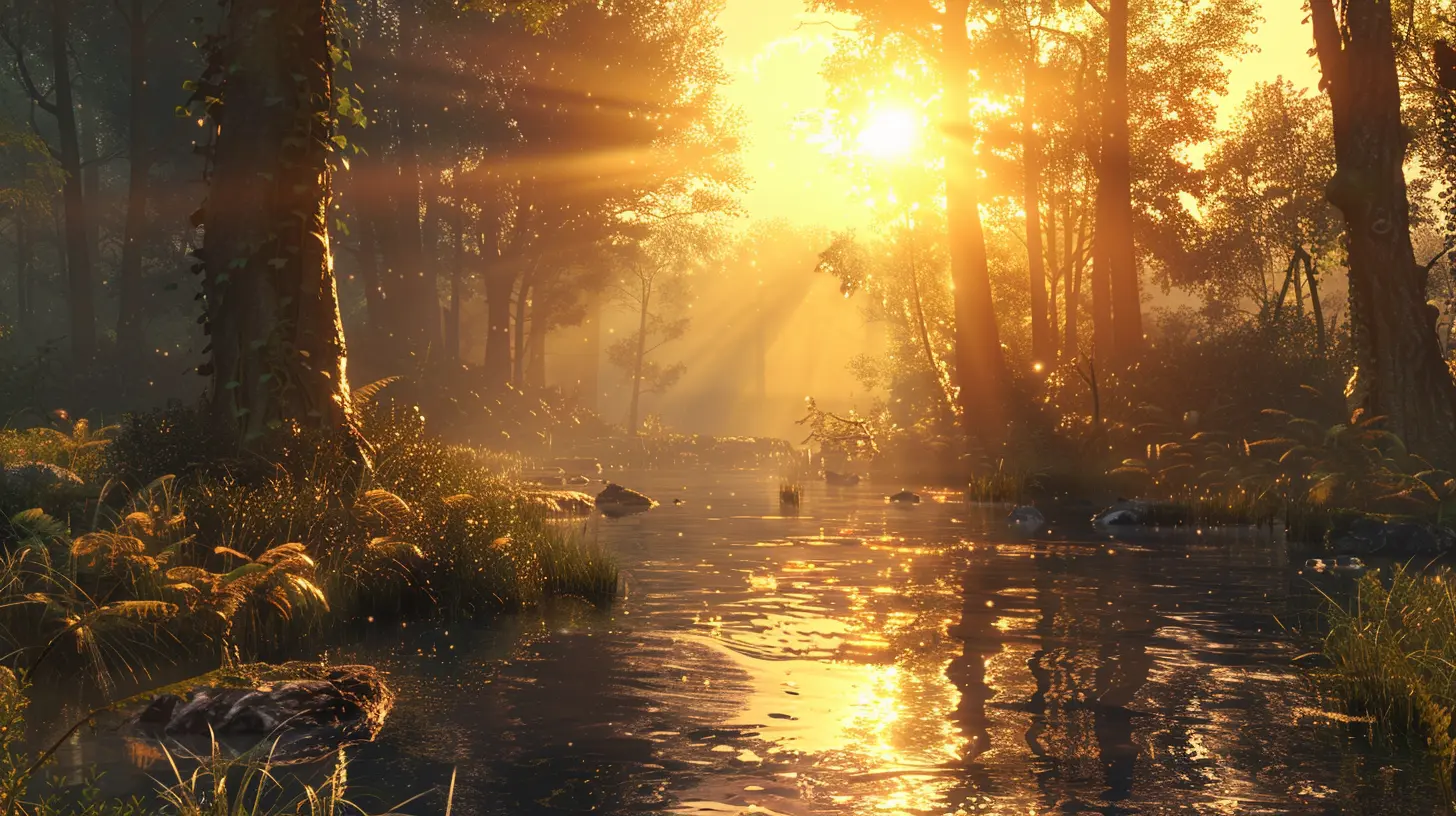
The Emotional Connection: Why It Feels So Real
There’s a reason why expansions can hit us right in the feels. They’re not just adding content—they’re revisiting a world we’ve emotionally invested in.Nostalgia Meets Curiosity
Remember the first time you visited a beloved in-game city? Now imagine returning years later, only to find it has changed. It’s aged. Maybe it’s thriving. Maybe it’s in ruins.That emotional pull—revisiting old memories while chasing new ones—is incredibly powerful. It's like returning to your childhood hometown and finding it both familiar and alien.
Expansions trigger that exact mix of nostalgia and curiosity, making them deeply immersive on a personal level.
Player Loyalty and Community Engagement
Ever notice how a big expansion brings players back in droves? It’s not just hype. It’s homecoming.Expansions can reignite a game’s community, leading to fresh discussions, new theories, and collective excitement. Shared experiences make game worlds feel more alive—and keep players invested long after the credits roll.
The Business Side: Why Developers Love Expansions Too
We can’t ignore the business side of things. Game development isn’t just art—it’s commerce too. And expansions offer a win-win model.Longer Lifespan for Games
Instead of creating completely new titles every year, devs can breathe new life into an existing game. This stretches out the value of their original creation, cuts down on development costs, and keeps players engaged.In today’s saturated market, longevity is gold.
Feedback-Driven Innovation
One of the coolest things about expansions? They’re often driven by player feedback. Developers listen. They analyze what worked, what flopped, and what players wanted more of.Then they build it.
That feedback loop draws players deeper into the game’s development journey, making them feel heard. And when players feel seen and valued? They stick around.
Expansions vs. Sequels: What’s the Difference?
You might be wondering—why not just make a sequel? It’s a fair question.Sequels often start fresh, with new characters or settings. Expansions, on the other hand, build upon a foundation. They let you keep your character, your choices, your world.
It’s kind of like remodeling your house versus moving to a new one. A sequel says, “Let’s start over.” An expansion says, “Let’s keep the story going.”
Both are great—but the sense of continuity that expansions offer? That’s a unique kind of magic.
The Future of Game Expansions: Where Do We Go From Here?
We’re at an exciting crossroads. With the rise of live-service games, virtual reality, and AI-driven storytelling, the potential for expansions is sky-high.Persistent Worlds That Evolve Over Time
Imagine a game world that doesn’t just add expansions but evolves in real-time. Cities fall. New continents surface. Factions rise and fall based on collective player actions.We're inching closer to that reality, and expansions are leading the way.
Expansions Fueled by Player Creations
User-generated content is getting more refined every year. Future expansions might blend official content with high-quality community creations—blurring the line between developer and player.It’s not just about playing the game anymore. It’s about co-creating it.
Final Thoughts: The Art of Staying in Love With a Game
At the heart of every great expansion is a simple idea: keep the fire burning. Whether it’s through deeper lore, new adventures, or fresh mechanics—expansions give us a reason to fall in love with our favorite games again and again.They’re not just a "bonus" for players. They’re love letters. A way for developers to say, “We see you. We hear you. And we’ve got more story to tell.”
So next time you download an expansion, take a moment. You’re not just loading new content. You’re stepping back into a world that’s still growing—still alive—and waiting for you to shape it.
Because immersive worlds aren’t just built by developers.
They’re kept alive by players.
all images in this post were generated using AI tools
Category:
Game ExpansionsAuthor:

Greyson McVeigh
Discussion
rate this article
2 comments
Melody Roth
Expansions enhance depth and exploration.
January 24, 2026 at 5:12 AM
Greyson McVeigh
Thank you! I completely agree—expansions significantly enrich the player experience by adding new layers to the world and encouraging deeper exploration.
Victoria Taylor
How do expansions enhance player immersion so effectively?
January 11, 2026 at 4:34 AM
Greyson McVeigh
Expansions enhance player immersion by adding depth to the game world, introducing new storylines, characters, and environments that engage players emotionally and encourage exploration, making them feel more connected to the universe.