The Use of Journals and In-Game Texts to Build Lore
28 January 2026
Ever stumbled upon a dusty journal in a forgotten cave, cracked it open, and suddenly the whole world of a game felt deeper? Like the shadows whispered secrets just for you?
That’s the magic of in-game texts and journals — quiet, often overlooked, but soul-stirring. Let’s dive into how these little nuggets of lore weave entire worlds beneath the surface of gameplay.
The Quiet Power in the Margins
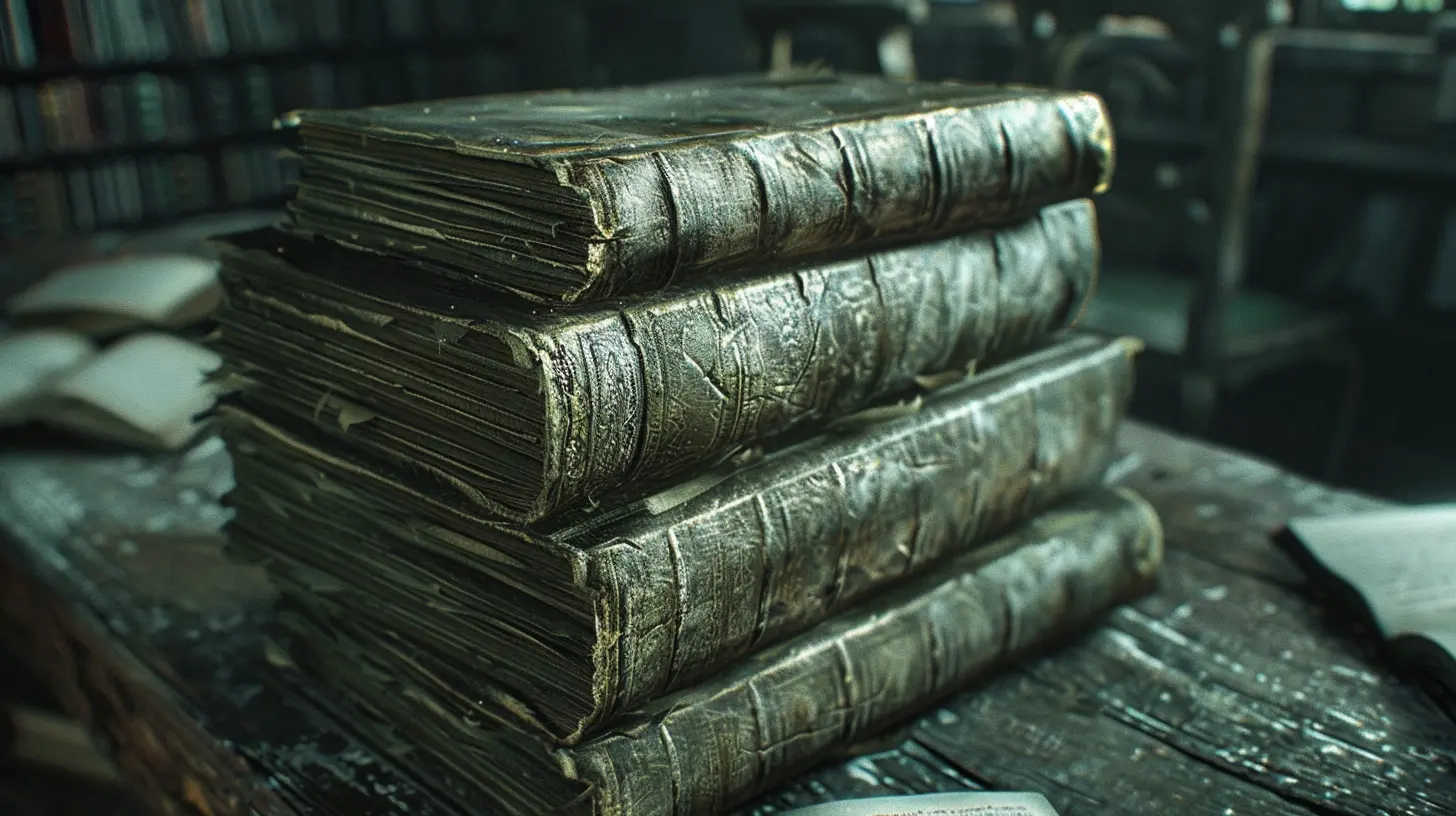
Games shout with action — explosions, sword fights, shootouts. But in the silence between those moments, in the soft flutter of parchment or flicker of a data log, stories unravel.Journals and texts are whispers from another time. They don’t just tell — they reveal. Whether it's an explorer's last log, a villain's secret letter, or poetic lines scribbled in a madman's diary — these fragments paint history, emotion, and belief.
They're not just flavor. They're the flavor.

Why Do Journals Matter in Games?
Alright, let's break it down. Why do devs bother with journals anyway? It’s not like most players stop mid-battle to read a 300-word diary entry, right?But here’s the thing — for those who do, the reward is massive.
⚔️ They Flesh Out the World
Imagine a city in ruins. You could just walk through ashes and cracked stone and think, "Okay, bad stuff happened." But what if you found a child’s final letter under a scorched teddy bear? Boom. Suddenly it’s not just destruction — it’s tragedy. It’s personal.Journals add those emotional fingerprints.
Games like The Last of Us, Bioshock, and Fallout are infamous for this. You don’t just see the aftermath; you feel it. And it’s all thanks to someone’s scribbled final thoughts or a casual note exchanged before doom.
🧠 They Encourage Exploration
Ever notice how you start poking into every desk drawer or dark hallway just hoping to find another torn page? That’s intentional. Journals become breadcrumb trails that reward curiosity.Game designers know that readers are explorers. And what better way to lure them into side quests, hidden rooms, or lore-rich zones than by sprinkling tantalizing bits of text?
It’s the literary version of "show, don’t tell" — except, well… sometimes they still tell.
❤️ They Build Empathy
You can shoot a hundred faceless enemies without blinking. But find a note where one of them wrote a poem to their kid back home? Now things hit differently.Lore through text humanizes. It’s the bridge between a game’s mechanics and its heart. Text doesn’t yell at you to care — it whispers stories until you do.

Iconic Games That Nailed It
Let’s give credit where it’s due. Some games don’t just use journals — they master them, turning words into weapons, memories into worlds.🔥 Dark Souls Series – Lore in Shadows
Try to get a straight answer about the plot of a Souls game. Go on, I’ll wait.Exactly. It’s murky. But for those who read item descriptions and cryptic texts left by fallen knights, a universe emerges. It’s like archaeological digging — the truth is never handed to you. You piece it together across dozens of obscure lines.
And that’s the beauty of it. You become the historian.
🌊 Bioshock – Audio Logs and Broken Dreams
Rapture wasn’t just a city — it was a dream gone rotten. And how do you learn that? Through the broken voices on audio logs. Through desperate journal entries.These in-game texts don’t clutter the experience. They ARE the experience. You connect with doomed citizens, understand their hopes, their falls. It’s tragic, poetic, and haunting.
👀 Skyrim – Books Within Books
You could spend a lifetime just reading in Skyrim. There’s over 800 readable books in that game. Some are short tales, others are historical essays, and a few are utterly bizarre.But each one stitches together a world that feels old, massive, and lived in. You learn the political tensions, ancient battles, religious beliefs — all through pages left scattered like breadcrumbs.
💀 The Witcher 3 – Pages of Perspective
In The Witcher 3, every bestiary entry, letter, or contract tells a story beyond the fight. That griffin you just slayed? There’s a journal entry describing how villagers once revered it — until things went south.It’s not about black and white anymore. Thanks to these texts, even monsters have context.
What Makes a Great In-Game Text?
Let’s get nerdy for a sec. Not all game texts are born equal. Some are page-turners, others are snooze-fests. So, what separates a good lore nugget from a forgettable info dump?✍️ Voice, Not Just Info
The best journals don’t just list facts. They have a voice. A tone. You can feel the character behind the words.A panicked scientist scribbling formulas while the walls crumble. A sassy pirate chronicling her battles with humor. You’re not reading a wiki — you’re stepping into someone’s shoes.
⏱️ Brevity Is King
Players aren’t reading War and Peace. Great in-game text respects your time. Short, sharp, and punchy usually wins.A half-page that wrecks you emotionally? That’s gold. No one wants to read a 3-page political thesis unless it’s laced with dragons or scandal.
🧩 Puzzle Pieces
Make it part of a bigger picture. A single journal? Cool. Ten journals scattered across a dungeon that, when arranged, reveal a tragic love story? That’s unforgettable.Great text rewards attention and memory. It’s layered, like an onion — or a really juicy conspiracy theory.
The Future of In-Game Lore
So, where do we go from here? Are journals still relevant in games stuffed with cinematic cutscenes and fancy AI dialogue?You bet they are.
💡 Interactive Texts
Some games are blending reading with action. Think journals where you choose responses. Or text logs that unlock hidden paths based on what you learn.Imagine a game where a diary literally changes as you play — rewriting itself based on your actions. Creepy? Cool? Both.
🧠 AI-Powered Lore?
With AI, we might see dynamically generated journals, reacting in real-time to your story. Every player gets a different set of notes, written by NPCs tracking your behavior.That kind of personalization could be insane. Or... totally overwhelming. Let’s maybe not give NPCs too much power to write about our terrible stealth skills.
But seriously — the future’s wide open.
Tips for Devs: Writing Killer In-Game Texts
If you’re a game dev (or just dream of being one), here's how to make your in-game texts shine:- Stay In-Character: Always write from the voice of your character. Don't break immersion.
- Less is More: Cut fluff. Keep it tight.
- Make It Matter: Tie text to gameplay when possible. Use it to foreshadow, hint, or unlock.
- Add Emotion: Make readers feel. Let them glimpse love, fear, guilt, hope.
- Hide Gems: Reward deep explorers. Let the best lore be just out of sight.
Final Thoughts: Words That Matter
At the end of the day, journals and in-game texts are more than storytelling tools. They’re the soul of the world — hidden in footnotes, buried in tombs, jammed into terminals.They’re what players cling to when the main story fades. They’re what lore-hunters thrive on. They’re poetry in pixels.
So next time you find a weathered journal in a game, don’t rush past it. Open it. Read it. Let it breathe.
Because inside might be the story you never knew you were looking for.
all images in this post were generated using AI tools
Category:
Game NarrativesAuthor:

Greyson McVeigh
Discussion
rate this article
2 comments
Fay Stevens
What an intriguing perspective on storytelling in games! Journals and in-game texts really do enrich the narrative experience, drawing players deeper into the lore. I’m curious about how different genres employ these tools—what are some standout examples you’ve encountered that truly shine?
February 1, 2026 at 4:27 AM
Greyson McVeigh
Thanks for your insight! Standout examples include *The Elder Scrolls* series for its extensive lore through books and *Dark Souls* for its cryptic item descriptions that deepen the story. Both enhance immersion and narrative complexity!
Rhiannon Warren
Great insights on how journals and in-game texts enrich storytelling! They immerse players in the world and deepen engagement. Embracing these elements truly enhances the lore, inviting exploration and creating memorable narratives. Keep highlighting these fantastic aspects of game design!
January 29, 2026 at 3:59 AM
Greyson McVeigh
Thank you! I'm glad you appreciated the insights on journals and in-game texts—they really do add depth and immersion to storytelling. Your support means a lot!