How to Spot Fair Microtransactions in Your Favorite Games
8 December 2025
Let’s face it—microtransactions are here to stay. Whether you're blasting enemies in a first-person shooter, building an empire in a strategy game, or tending to your adorable digital farm, you've probably run into that all-too-familiar popup: “Buy now for only $4.99!”
Sometimes, it feels harmless. Other times? It feels like the digital equivalent of a pickpocket slowly making its way towards your wallet. So let’s talk about it. How do you actually spot the fair microtransactions in your favorite games without getting mugged by bad monetization schemes?
Grab a snack, gamer friend. We’re diving into the wild world of in-game purchases—and how you can tell the good ones from the wallet-shredding ones.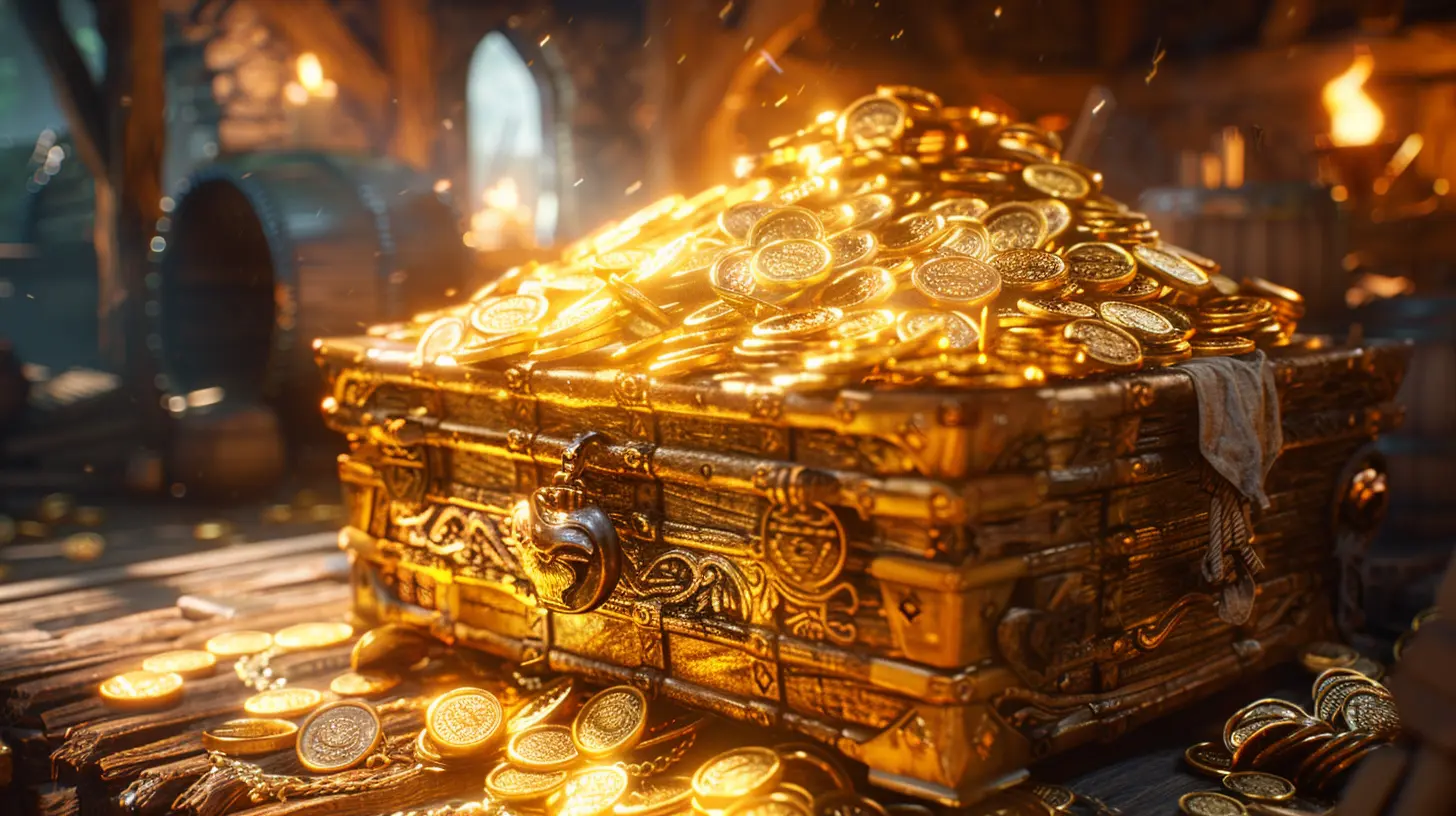
🎮 What Are Microtransactions Anyway?
Okay, quick crash course.Microtransactions are small purchases you can make inside a video game. These can include:
- Skins (cosmetic stuff)
- Loot boxes
- Battle passes
- In-game currency
- Time-savers (like skipping grinding)
- Extra characters, levels, or features
They’re usually tiny dollar amounts—$1.99, $4.99, maybe $9.99 if you're feeling fancy. But those dollars add up fast if you're not careful.
Now, some games just nail this model. Others? Not so much. So, how do you tell which games are playing fair?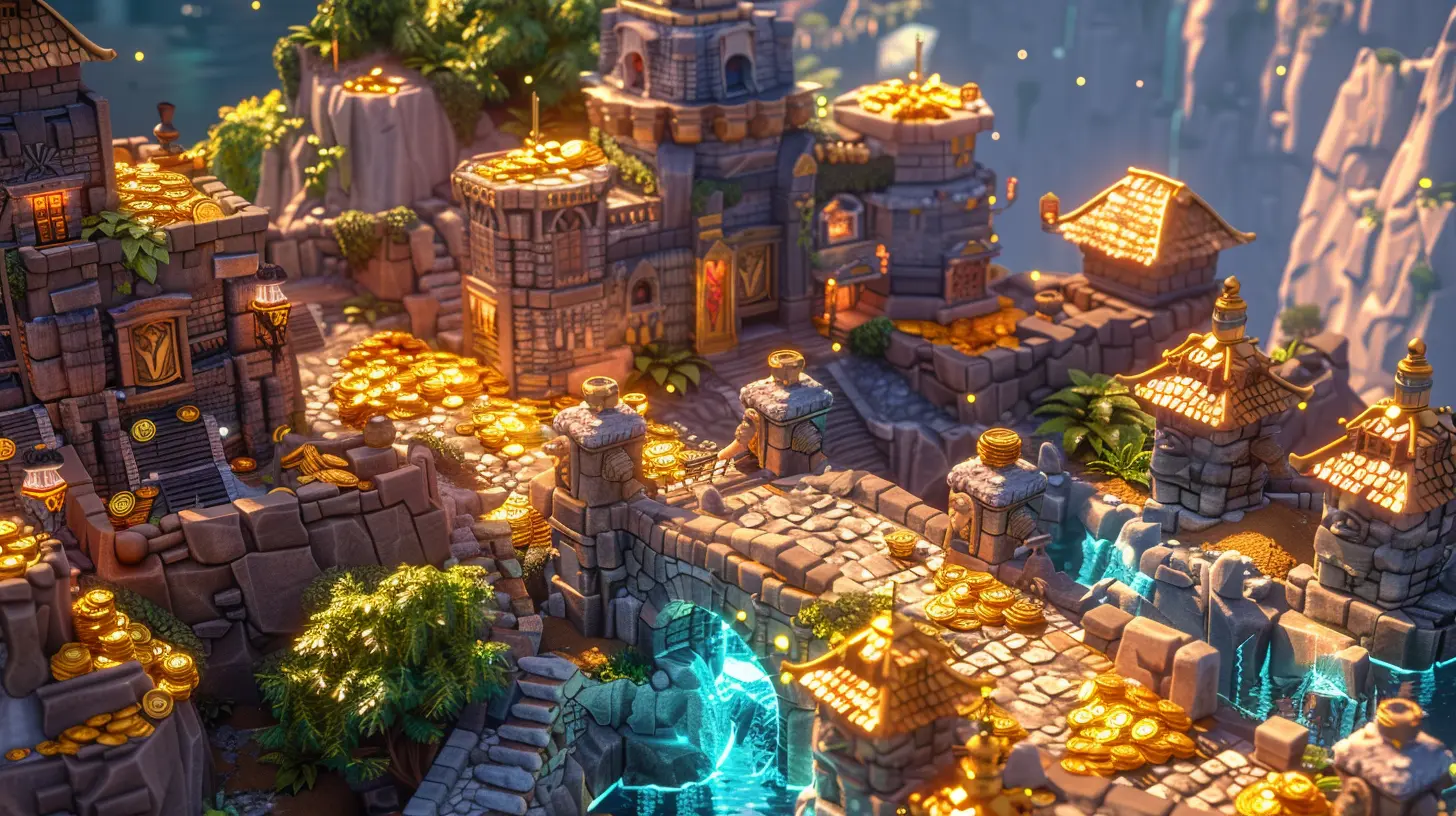
🧐 Why Should You Care About Fair Microtransactions?
Think of microtransactions like tipping your waiter at a restaurant. You don’t mind tossing a little extra cash if the service was great, right?But what if the waiter demands a tip before bringing your food? Or worse—brings you half your food and says, “Pay more if you want the rest.”
That’s exactly how unfair microtransactions work. They disrupt the enjoyment, pressure you into buying, and lock actual fun behind a paywall. That’s why it matters.
Fair microtransactions respect your time, your money, and your love for the game.
✅ Traits of Fair Microtransactions
Alright, let’s break it down. Not all microtransactions are evil. In fact, some are genuinely worth your money—and a few even make the game way more fun. Here's what to look for.🧢 1. They're 100% Cosmetic
This one’s a biggie—and honestly, one of the easiest signs of honesty.When you’re paying for skins, outfits, emotes, or weapon colors that don't affect gameplay, that’s fair game. It's purely vanity. You won’t be stronger than someone because your character sparkles in pink glitter (but you will look fabulous).
Fair Games: Fortnite, Apex Legends, Valorant
These games let players spend money to express themselves, not dominate the competition.
🏆 2. No Pay-to-Win Nonsense
If a game lets someone throw money at it and suddenly become overpowered, run. That’s pay-to-win. It's like racing someone in Mario Kart while they start with a rocket launcher and you're still peeling bananas.A fair system ensures your skill matters more than your spending. Items or boosts that affect performance should be earnable, not exclusive to buyers.
Unfair Example: Games where buying premium weapons or buffs makes you unbeatable in PvP.
Fair microtransactions never turn your credit card into cheat codes.
🔁 3. You Can Earn the Same Stuff Through Gameplay
Let’s say there’s a shiny mount or cool skin locked behind a purchase—but it's also available via gameplay. That’s a win for fairness.It means the game respects grind time as much as real cash. Maybe you don’t have the money—but you’re willing to put in the hours. That’s your currency.
Games that let you earn paid content through gameplay keep things equal.
Great Examples: Warframe, Genshin Impact (sort of), and even Rocket League
⏳ 4. No Guilt-Trip Timers or Paywalls
We’ve all seen it: you're playing a mobile game and suddenly hit a “Come back in 8 hours or pay $1.99 to continue!” wall.That’s manipulative design.
Games that nag you with timers just to nudge you toward paying aren't just annoying—they're exploitative. Fair monetization lets you play when you want, not only when the countdown says you can.
❤️ 5. The Game Doesn’t Constantly Ask for Money
Here’s a quick test: if a game asks you to make a purchase within the first 10 minutes of gameplay? Red flag.A fair game lets you fall in love with it first. It earns your trust before asking for your money.
Think of it like dating. You wouldn’t propose marriage on the first date, right? (Well, hopefully not. 👀)
Games that wait to suggest purchases until you're emotionally invested or give you free samples first? Those are the keepers.
🚩 Red Flags of Unfair Microtransactions
Alright, you've seen what to look for. Now let’s talk about what to avoid like a glitch in your save file.🎲 1. Loot Boxes and RNG Hell
Ever spent money on a loot box hoping to unlock a rare skin—only to get the same nonsense item three times in a row?Loot boxes introduce randomized rewards, which turn microtransactions into gambling. You pay, but you’re not guaranteed what you want. And that’s a problem.
If it walks like a slot machine and spins like a slot machine... yeah, you get the picture.
😵💫 2. Confusing In-Game Currencies
Ever seen a game with three different currencies like GEMS, TOKENS, and CRYSTAL POINTS? You load $10 and you’re like:> “Wait... how many gems equals one item again?”
This is often intentional. When currency systems are overcomplicated, they blur the real-world costs. If a game tries to hide how much you’re spending, it’s time to raise your shield of skepticism.
💰 3. Pressure to Buy in PvP Environments
If you’re playing against other players and constantly losing unless you pay for better gear—yikes.That’s not just frustrating, it’s harmful to the competitive spirit. It’s like running a race where some runners get to start halfway down the track because they paid for it.
This leads to toxicity, imbalance, and a whole lot of FOMO-induced spending.
💡 How to Be a Smart Spender in Games
Even in the fairest of games, it’s easy to go overboard if you’re not mindful. Here’s how to keep your wallet and your gaming habits happy.1. Set a Monthly Budget
Treat microtransactions like any other entertainment expense. Allocate a certain amount each month, and stick to it. This helps you indulge without guilt.2. Sleep on Big Purchases
If you see something tempting, wait 24 hours. If you still want it the next day? Cool, go for it. But that little pause gives your brain time to shake off the emotional impulse.3. Support Devs You Love
Spend money in games that respect your time, offer transparent pricing, and enrich your experience. Supporting good practices encourages more of them—and helps the gaming market avoid turning into a marketplace of cash grabs.🧠 What Developers Can Do Better (Hint: A Lot)
Okay, so we’ve talked from the player side. But developers, if you’re reading this (hi there 👋), here’s a love note from the player base:- Be transparent. If you're selling something, make the value obvious.
- Respect our time. Don’t create fake difficulty or time walls.
- Avoid manipulation. No more fake urgency or shady popups.
- Give us choices. Let players earn, grind, or pay. Not just pay.
- Say no to RNG. Let us pay for what we actually want.
Gamers don’t hate spending money. We just want to know we’re paying for something worth it.
💬 Final Thoughts
Fair microtransactions? They’re not a unicorn. They exist. You just have to know where to look.When done right, they can support developers, expand content, and keep games alive long after launch. When done wrong... well, they turn into a money pit with a splash of regret.
So next time you're tempted to drop a few bucks in your favorite game, ask yourself:
- Is this cosmetic or power-based?
- Can I get this same thing through gameplay?
- Is the game respectful of my wallet—and my time?
If the answers feel good, go ahead and treat yourself. Just remember: microtransactions should add joy, not pressure.
Because gaming is supposed to be fun—not a wallet war.
all images in this post were generated using AI tools
Category:
MicrotransactionsAuthor:

Greyson McVeigh
Discussion
rate this article
2 comments
Jessica Ford
Great insights! Understanding fair microtransactions can truly enhance our gaming experiences. Thanks for sharing!
December 29, 2025 at 4:31 AM
Greyson McVeigh
Thank you! I'm glad you found the insights helpful. Happy gaming!
Aria McGrady
Great article! It's so important to understand microtransactions in gaming. I appreciate the tips on identifying fair practices. It really helps us make informed choices while supporting developers. Keep up the fantastic work—looking forward to more insights!
December 8, 2025 at 4:59 AM
Greyson McVeigh
Thank you so much for your kind words! I'm glad you found the tips helpful—more insights are on the way!