The Influence of Literature on Game Writing
1 May 2026
Let’s be real—video games have become more than just a fun way to kill time or an escape after a long day. They're immersive, emotional, and sometimes even life-changing. But guess what? A ton of that magic comes from something much older than pixels and code: literature.
Yep, we’re talking about the good ol’ written word. Books, poems, epics, plays—these have all shaped the stories we see in games today. Whether it's a massive open-world RPG, a creepy horror narrative, or even a simple puzzle game with a touching backstory, literature has left its fingerprints all over game writing.
So today, we're diving deep into how literature has influenced game writing, and why this connection makes your favorite titles hit so hard emotionally. Ready to jump in? Let’s go!
What Is Game Writing, Anyway?
Before we talk about literature’s impact, let’s quickly break down what game writing even is. It's not just about dialogue or cutscenes—though those are important. Game writing includes the overall narrative structure, character development, world-building, the tone, themes, and even the little notes or journals you find scattered across the game world.Basically, it sets the emotional and intellectual tone for the experience.
And great game writing doesn’t happen in a vacuum. Writers draw from what they know—and literature is basically the ultimate toolbox.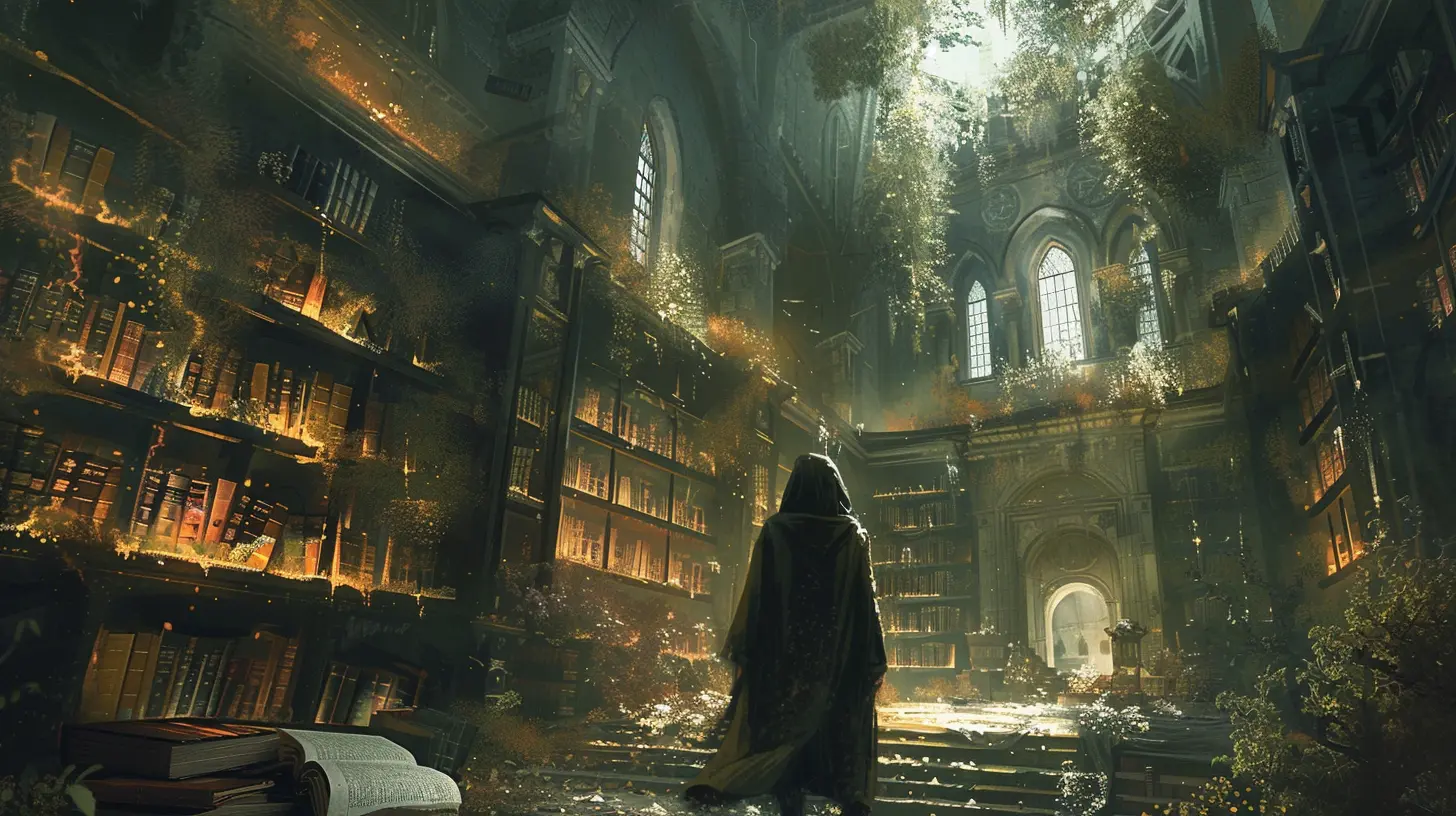
The Building Blocks: How Literature Lays the Foundation
Let’s start with the basics: structure and themes.Classic literature has given us storytelling blueprints that still work today. Think of the “hero’s journey” in ancient epics like Homer’s Odyssey or the tragic downfall in Shakespeare’s Macbeth. Modern game stories often follow these same arcs.
Take The Witcher 3: Wild Hunt for example. Geralt’s story is practically torn from the pages of a fantasy novel—and in fact, it is! Based on the books by Andrzej Sapkowski, this game shows how direct literary influence can lead to an award-winning gaming masterpiece.
But even when games aren’t based on books, their storytelling often channels literary vibes. Themes of redemption, love, betrayal, and existential dread? All that is straight outta literature.
Characters With Depth: The Literary DNA in Game Protagonists
Ever notice how some video game characters feel real? Like you’ve known them forever, or you deeply care about what happens to them?That emotional connection is no accident. It’s because game writers often borrow from literary techniques used to develop complex, layered characters.
Take Joel and Ellie from The Last of Us. Their relationship feels raw and authentic, echoing the emotional complexity you'd find in a novel. You can even trace this kind of character evolution back to classic literature. Think of Pip in Great Expectations or Jean Valjean in Les Misérables. It's about growth, flaws, moral struggles—all key stuff in both mediums.
Games that understand this create characters who don’t just serve the gameplay—they drive the story forward in meaningful ways.
World-Building: A Tale of Two Worlds
Literary world-building is all about creating immersive universes, and great novels do this in spades. From Tolkien’s Middle-earth to George Orwell’s dystopian Oceania, books build places that feel alive.Video games? They take that idea and run with it.
Let’s look at Elder Scrolls V: Skyrim. The depth of its world—from the different races and religions to political tensions—is a literary-level achievement. You can tell the writers didn't just make up stuff on the fly. They built lore, just like authors do.
And it's not just fantasy games. Even titles like BioShock and Red Dead Redemption create complex worlds full of human conflict, ideology, and history. That kind of depth? Yep, inspired by books.
Dialogue That Feels Real
Have you ever played a game where the dialogue just clicks? It feels natural, compelling, even quotable?That’s where good writing—and often, a touch of literary know-how—comes in.
Writers trained in literature know how to build tension, pace a conversation, and use subtext. This leads to memorable moments that stick with you long after the game ends.
Think of Mass Effect, where your choices shape conversations and outcomes. The dialogue adapts, characters respond intelligently, and everything feels incredibly alive. This polish is all thanks to storytelling skills that have been honed in literature for centuries.
Story-Driven or Gameplay-Driven? Literature Tips the Scale
Okay, let’s get into some real talk.There’s always been this debate: Should games be primarily about gameplay or story?
Honestly, it’s all about balance. But literature has helped tilt that balance toward storytelling in a big way.
Narrative-driven games like Life is Strange, Firewatch, and What Remains of Edith Finch exist mostly because writers saw the potential for games to tell stories the same way books do—but enhanced through interactivity.
These games don’t rely on combat or puzzles. Instead, they invite players into personal, emotional stories. You become part of the narrative, and that’s a whole new level of immersion that books don’t offer—but had to exist first for the inspiration to strike.
Moral Dilemmas and Philosophical Themes
Literature has always grappled with big questions: What does it mean to be human? Is destiny real? Can we change who we are?Games have picked up these philosophical threads and spun them into compelling, thought-provoking experiences.
Take Spec Ops: The Line, which flips the typical military shooter on its head and makes you question your own actions. Or Undertale, a game that asks whether violence is ever truly justified, even in a game.
These titles owe a debt to literary classics like Heart of Darkness or Crime and Punishment. They don’t just entertain—they make you think. And that’s the kind of depth literature has taught game writers to aim for.
Interactive Storytelling: Books Can’t Do This
Here’s where games take the literary torch and sprint off in a new direction: interactivity.Books are a one-way street. You read, and the story unfolds exactly as written. Games? They let you steer the ship.
But to pull that off effectively, game writers borrow literary tools—nonlinear storytelling, unreliable narrators, symbolism—and mix them with player choice.
A perfect example is Disco Elysium. It’s basically a detective novel you get to live out in your own weird, messy way. The writing is absurdly good (and yeah, the creators were inspired by literary fiction), but it also changes depending on your choices.
That’s something books can’t do, but without literature laying the groundwork for deep narratives? This level of storytelling probably wouldn’t exist in games.
Indie Games and the Literary Spirit
Let’s take a moment for indie games, the unsung heroes of creativity.These games often don’t have blockbuster budgets, but they make up for it with powerful writing driven by literary themes.
Look at games like Oxenfree, Night in the Woods, or Kentucky Route Zero. These are games that feel like reading a really good short story or magical realism novel. They’re quirky, emotional, and rich in metaphor.
Indie devs often wear their literary influences on their sleeves—and it shows in their thoughtful, soulful narratives.
The Future: Where Do We Go From Here?
Game writing is only getting better, and literature will continue to play a major role in that evolution.With more writers from literary backgrounds joining the industry, we’re seeing fresh takes on old themes, more diverse voices, and brave new stories.
Plus, with advancements in AI, procedural storytelling, and branching narratives, game writing will continue to push boundaries that even books can’t reach. But at its heart? The soul of storytelling remains the same. And that soul was born in literature.
Final Thoughts
So, what have we learned?At its core, game writing is storytelling—and storytelling has flourished for centuries in the pages of books. From character development and world-building to philosophical ideas and emotional weight, literature has given game writers a roadmap to craft unforgettable experiences.
Next time you’re playing a story-rich game and feeling completely hooked, just remember: behind that gripping narrative, there’s probably a writer who owes a lot to the literary greats.
And maybe, just maybe, the next time you pick up a book, you’ll spot a little piece of your favorite game tucked between the lines.
all images in this post were generated using AI tools
Category:
Game NarrativesAuthor:

Greyson McVeigh
Discussion
rate this article
2 comments
Tobias McGinnis
This article highlights the rich interplay between literature and game writing. It's fascinating how narrative techniques from novels and poetry shape game storytelling, creating immersive experiences that engage players on deeper emotional levels. A must-read for writers and gamers alike.
May 7, 2026 at 3:37 PM
Greyson McVeigh
Thanks for your feedback! I'm glad you found the connections between literature and game writing intriguing. It's an exciting area that definitely enriches both mediums.
Zevros Larsen
In the dance of words and pixels, stories intertwine. Literature breathes life into quests, shaping heroes and worlds. Each page turned echoes in gameplay, guiding choices and forging paths. A timeless bond, where prose inspires pixels, and imagination knows no bounds. The written word remains a powerful ally in the gaming realm.
May 2, 2026 at 2:20 AM
Greyson McVeigh
Absolutely! Literature enriches game writing by adding depth and meaning. It transforms gameplay into a narrative journey, creating memorable experiences that resonate with players.