How Real-World Architecture is Shaping Virtual Game Spaces
21 December 2025
If you’ve ever wandered through a stunningly realistic virtual city in a video game and thought, “Whoa, this feels like a real place,” you’ve probably touched on a fascinating trend: the blending of real-world architecture with game design. It’s no secret that modern video games have become miniature works of art, but at the heart of their immersive environments lies something even more grounded—actual blueprints from our own world. Yep, real-world architecture is shaping virtual game spaces, and the results are blowing our minds.
Let’s dive into how game developers are borrowing from architects to make their digital worlds pop, why it matters, and what it means for gamers like us who eat, sleep, and breathe these virtual playgrounds.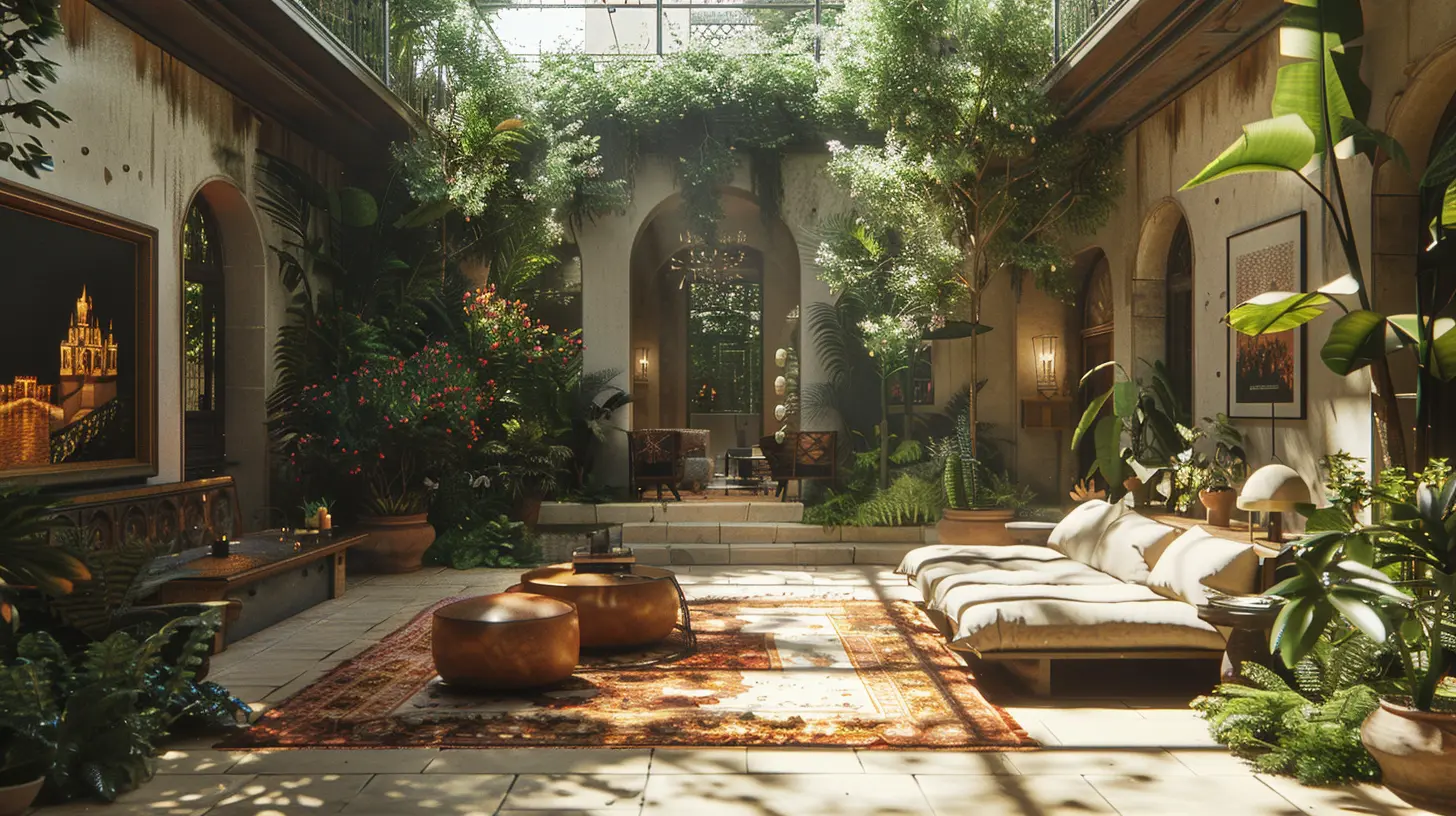
The Intersection of Design: Where Gamers and Architects Meet
Have you ever looked up at a towering skyscraper in a game and thought, “That’s way too real to have come from someone’s imagination”? It’s because it probably didn’t. Game designers often pull inspiration from real-life architectural styles to craft believable settings. But we’re not just talking about plucking a few building ideas here and there; we’re talking full-blown research, collaborations, and sometimes even hiring actual architects to get the job done.Think about it—real-world architecture has evolved over centuries, with every design carrying its own history, cultural significance, and purpose. Game designers recognize this depth. When they borrow from reality, they’re not just copying buildings; they’re borrowing meaning, context, and that tangible feeling of “this could actually exist.” 
Why Realism Matters in Gaming
Let’s face it: Gamers are picky. We demand realism, even in the most fantastical settings. Whether you’re sneaking through a bustling medieval village, roaming a futuristic cityscape, or exploring a post-apocalyptic wasteland, there’s something about a believable environment that just draws you in.Real-world architecture grounds us. It makes these virtual spaces feel tangible so we can connect with them emotionally. Walking through a dilapidated building in The Last of Us isn’t just about admiring the game’s graphic fidelity; it’s about feeling the weight of the world crushing down on you. And a lot of that emotional heft comes from how convincing the design feels.
Realism doesn’t mean copying buildings brick-for-brick, though. It’s about tapping into the rules of architecture—things like proportions, materials, lighting, and even the way people move through spaces. It’s a blend of form and function that mirrors our own world in creative ways, while still thrilling us with the impossible. 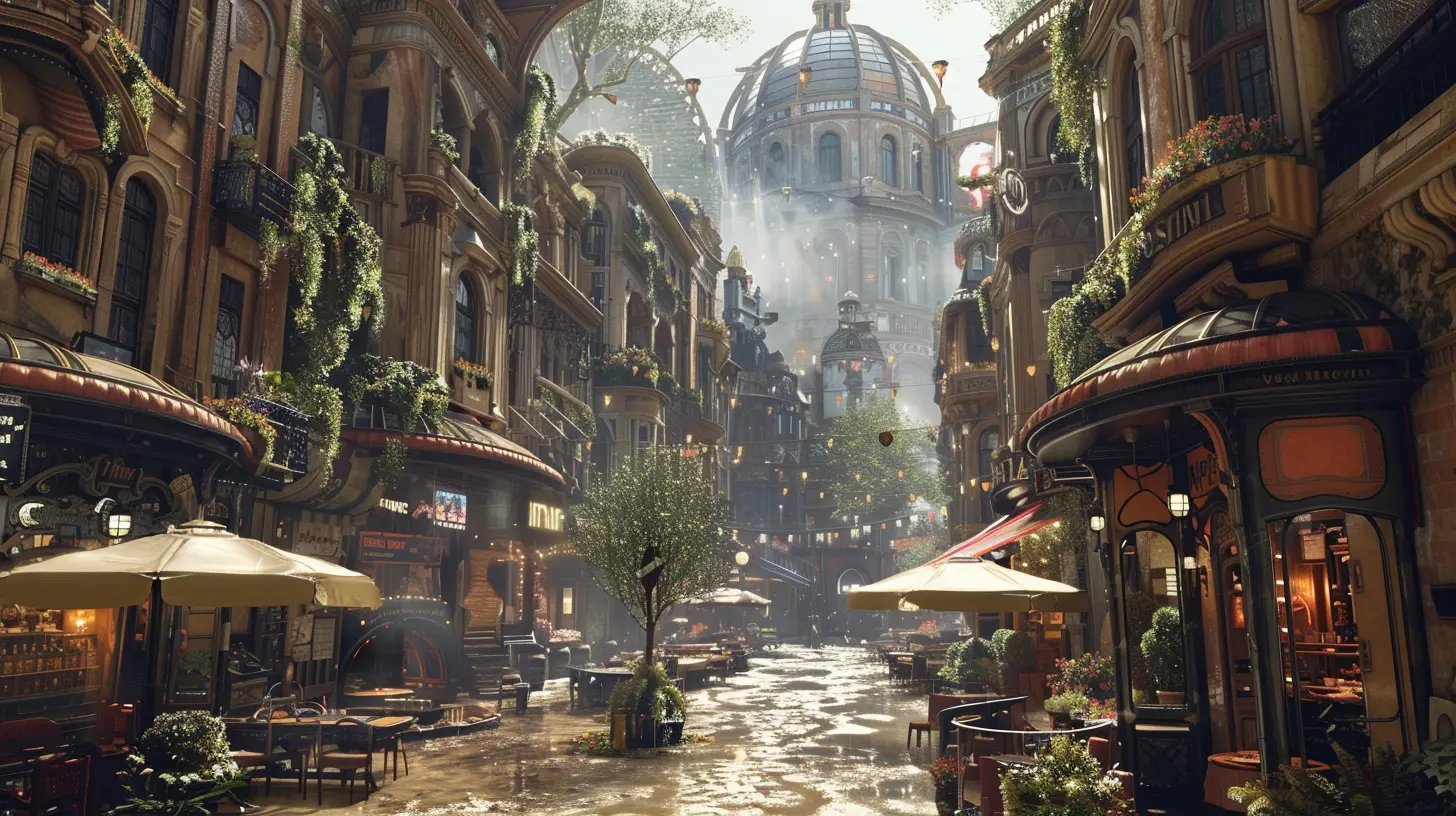
Iconic Examples of Architecture in Games
1. Assassin’s Creed Series: A History Lesson in Architecture
If you’re a fan of Assassin’s Creed, you probably already know how much effort Ubisoft pours into their historical recreations. When players climbed the Florence Cathedral in Assassin’s Creed II or wandered through Notre Dame in Assassin’s Creed Unity, they were essentially stepping into painstakingly recreated versions of real-world landmarks.Ubisoft even hired historians and architects to make these buildings as accurate as possible. Sure, you might not be able to fling yourself off Notre Dame in real life (and please don’t try), but the game still gives you the chance to experience its awe-inspiring scale and craftsmanship up close.
2. Cyberpunk 2077: The Future Meets Brutalism
Looking to the future, Cyberpunk 2077 brings real-world architectural inspiration into its dystopian world. The towering skyscrapers and neon-lit alleyways of Night City borrow heavily from brutalism, a style that emphasizes raw concrete, blocky shapes, and functional design.What’s interesting is how the game blends existing architectural elements with futuristic designs to create a world that feels simultaneously familiar and alien. You might get glimpses of Tokyo, Hong Kong, or Los Angeles while exploring Night City, but it’s all mashed together in a way that’s uniquely Cyberpunk.
3. Minecraft: Architecture with Endless Possibilities
Alright, hear me out—Minecraft might not scream “realism,” but its influence on architecture and vice versa is undeniable. Architects have actually used Minecraft to visualize real-world designs, and gamers have recreated famous landmarks like the Eiffel Tower and the Colosseum block by block.In a way, Minecraft flips the script: instead of developers borrowing from architects, players become the architects. It’s like a giant sandbox where you can take inspiration from real-life buildings—or just create something completely out of this world. 
How Architects Are Helping Build Virtual Worlds
So, what happens when game developers bring real architects into the mix? Magic, that’s what. There’s been a growing trend of collaboration between the gaming and architecture industries.For example, architects help developers create spaces that feel functional. They know how to design buildings that flow naturally, guiding players through without them realizing it. Think about it—when was the last time you got lost in an in-game shopping mall or couldn’t figure out where to go in a fortress? If the answer is “rarely,” you probably have an architect (or someone who studied their work) to thank for that.
Architects also contribute a sense of authenticity. By understanding how buildings weather over time or how light interacts with different materials, they help designers create environments that don’t just look pretty—they feel alive.
What This Means for Gamers
All this architectural influence isn’t just a treat for the eyes; it shapes how we play. Realistic environments make games more immersive, pulling you deeper into the story and making the whole experience more engaging.It also opens up new gameplay opportunities. Take stealth games like Hitman or Dishonored. These games rely heavily on environmental design, and believable architecture can make sneaking through an enemy’s lair feel all the more thrilling.
Plus, let’s not ignore the educational benefits. Playing a game like Assassin’s Creed doesn’t just entertain—it gives you a mini history lesson, showing you what historical landmarks looked like in their prime. For those of us who may never get the chance to travel the world, games offer a beautifully rendered alternative.
Bridging the Gap Between Reality and Fantasy
What’s fascinating is when games borrow real-world architectural elements but twist them into something fantastical. Take the floating worlds in Bioshock Infinite, for instance, or the ancient, crumbling castles in Dark Souls. These designs feel grounded because they’re rooted in real-life styles like colonial architecture or Gothic cathedrals, but they’re taken to otherworldly extremes.It’s kind of like looking at a Salvador Dalí painting—your brain recognizes the familiar elements, but the way they’re distorted sparks your imagination. That’s the sweet spot where real-world architecture and game design meet.
The Future of Architectural Influence in Gaming
As gaming technology advances, we’re only going to see more architectural influence. With tools like photogrammetry—where developers scan real-world objects and integrate them into games—we’re inching closer to virtual worlds that are indistinguishable from our own.Virtual reality (VR) is also pushing this trend forward. In VR games, realistic architecture isn’t just about aesthetics; it’s about functionality. Developers have to think about how spaces feel when you’re physically moving through them, which adds another layer of complexity.
And who knows? Maybe someday, architects will start designing real-world buildings based on designs from games. Imagine visiting a café inspired by the cozy fantasy inns in Skyrim. That’s a future I’d love to see.
Wrapping It Up
There’s no denying it: Real-world architecture and video games are a match made in heaven. The way developers borrow from and build upon real designs is nothing short of amazing. It’s not just about creating pretty backdrops—it’s about crafting immersive, emotional experiences that stay with us long after we’ve put the controller down.So next time you’re wandering through a beautifully designed virtual city or marveling at a jaw-dropping castle, take a second to appreciate the real-world inspiration behind it. Somewhere, an architect’s work helped bring that digital dream to life.
all images in this post were generated using AI tools
Category:
Realism In GamesAuthor:

Greyson McVeigh
Discussion
rate this article
2 comments
Carina Sawyer
Who knew that exploring pixelated castles and digital skyscrapers could teach us more about architecture than a college lecture? Let’s keep blending blueprints with our gaming dreams!
January 13, 2026 at 3:36 AM
Greyson McVeigh
Absolutely! The intersection of real-world architecture and gaming not only enhances creativity but also deepens our understanding of design principles. Let’s continue to explore this exciting blend!
Shannon McCaw
Real-world architecture profoundly influences virtual game environments, enhancing immersion and player connection. By integrating authentic design elements, developers not only elevate gameplay but also create rich, engaging worlds that resonate with players on multiple levels.
January 9, 2026 at 4:18 AM
Greyson McVeigh
Absolutely! Real-world architecture adds depth and authenticity to virtual spaces, fostering a stronger emotional connection and enhancing player immersion in the gaming experience.