The Art of Updating Expansions Without Losing Core Fans
19 June 2026
Game development is a tricky beast. You’ve got the core game. It’s polished, it works, and—most importantly—players love it. But then comes the inevitable next step: expansions. Maybe it's new content, fresh mechanics, or even a complete overhaul of the endgame. Here's the million-dollar question, though: how do you update a game through expansions without alienating your loyal, day-one fans?
You're not alone if you've seen a favorite game stumble after an update. What was once a tight-knit community can unravel fast if the changes feel forced or out of touch. Trust me, I’ve been there—logging in after a new patch only to wonder, “What happened to the game I loved?”
So today, we’re diving deep into the art and the science of keeping fans on board while growing your game world. This isn’t just for devs either—it’s for players, modders, and anyone who geeks out about the evolution of game worlds.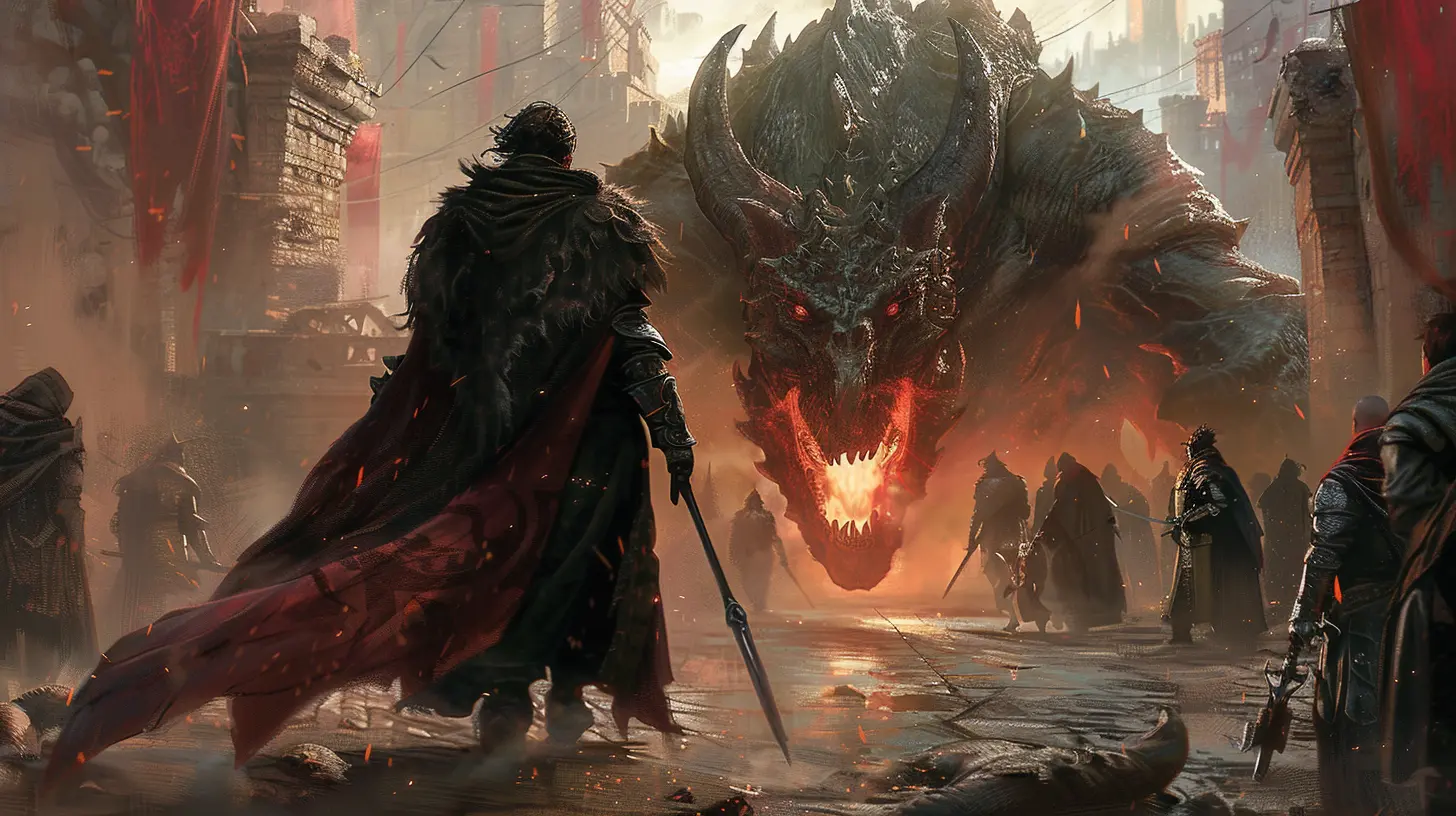
Why Expansions Are a Double-Edged Sword
Look, expansions are essential. Players eventually hit that "endgame wall" and crave something new. Whether it's a new map, characters, or even a twist in the storyline, the hunger for fresh content is real. That said, expansions are also risky business.Think of a game like a house. Your core fans helped build it—they know every nook and cranny. Then along comes an expansion that knocks down walls and adds fancy new wings. Sure, it might look stunning, but if it doesn’t feel like home anymore, longtime fans might walk away.
Balancing Innovation and Familiarity
Here’s where it gets tough: fans do want new things, but not so new that the game becomes unrecognizable. It's about finding that sweet spot—kind of like adding hot sauce to your favorite meal. A little kick enhances the flavor; too much, and it’s a disaster.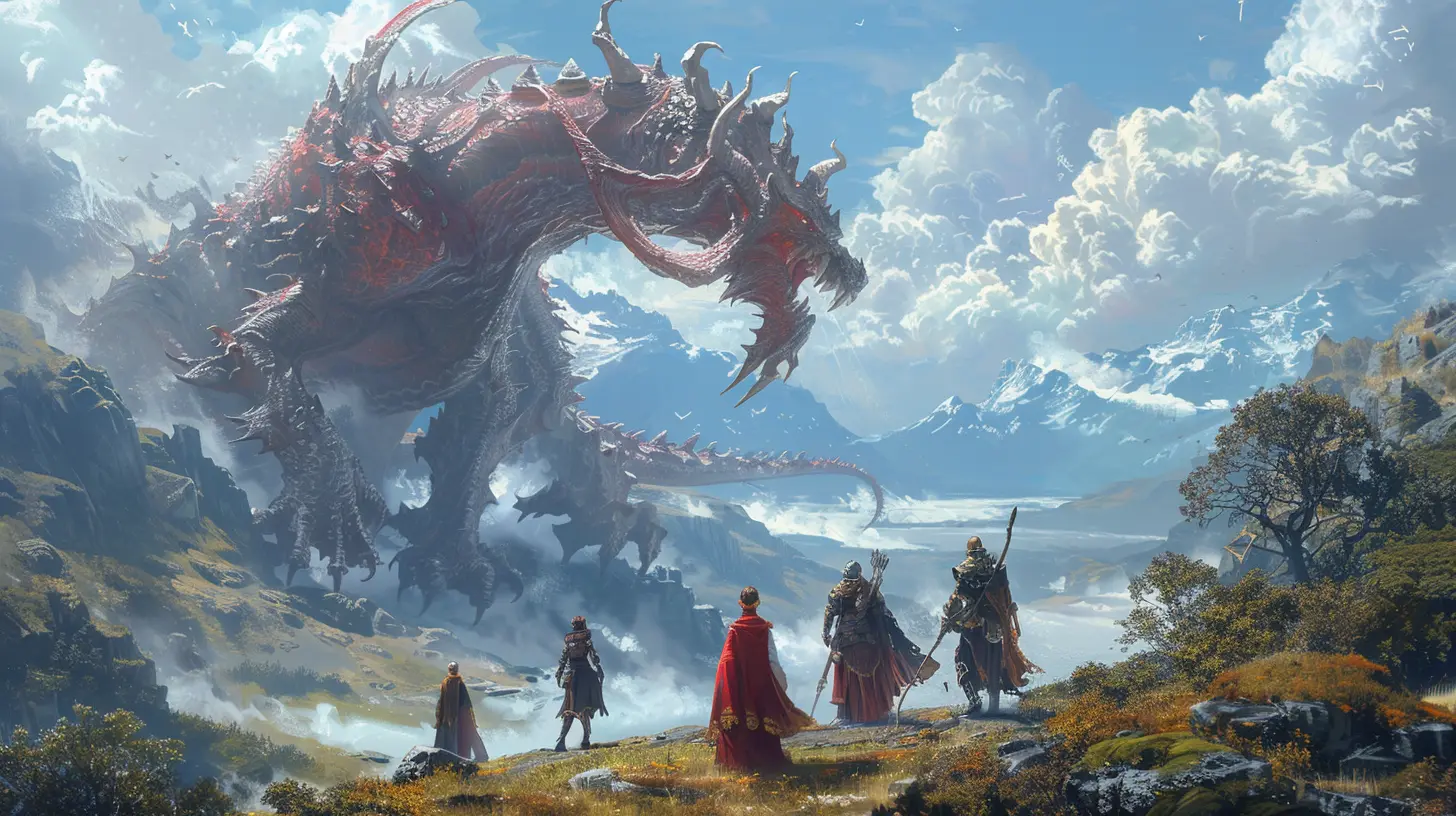
Case Study Time: The Good, the Bad, and the Ugly
Let’s look at a few examples where expansions thrived—or totally tanked.The Good: The Witcher 3 – Blood and Wine
CD Projekt Red nailed it. They added an entirely new region, tons of fresh quests, and even upgraded mechanics. But they didn’t mess with what made the base game great: its rich storytelling, immersive world, and Geralt’s general badassery. Fans didn’t just accept the expansion—they adored it.The Bad: Destiny 2’s Initial Expansions
Remember when Destiny 2 tried to "fix" things by overhauling core mechanics? It didn’t sit well. Veteran players felt like the game they’d invested hours in had morphed into something foreign. The devs eventually had to walk it back and rebuild trust.The Ugly: Warcraft 3: Reforged
Ouch. Blizzard promised a remastered experience but ended up stripping features and changing systems people loved. The backlash was brutal and immediate. It became a cautionary tale for devs everywhere: don’t overpromise and underdeliver.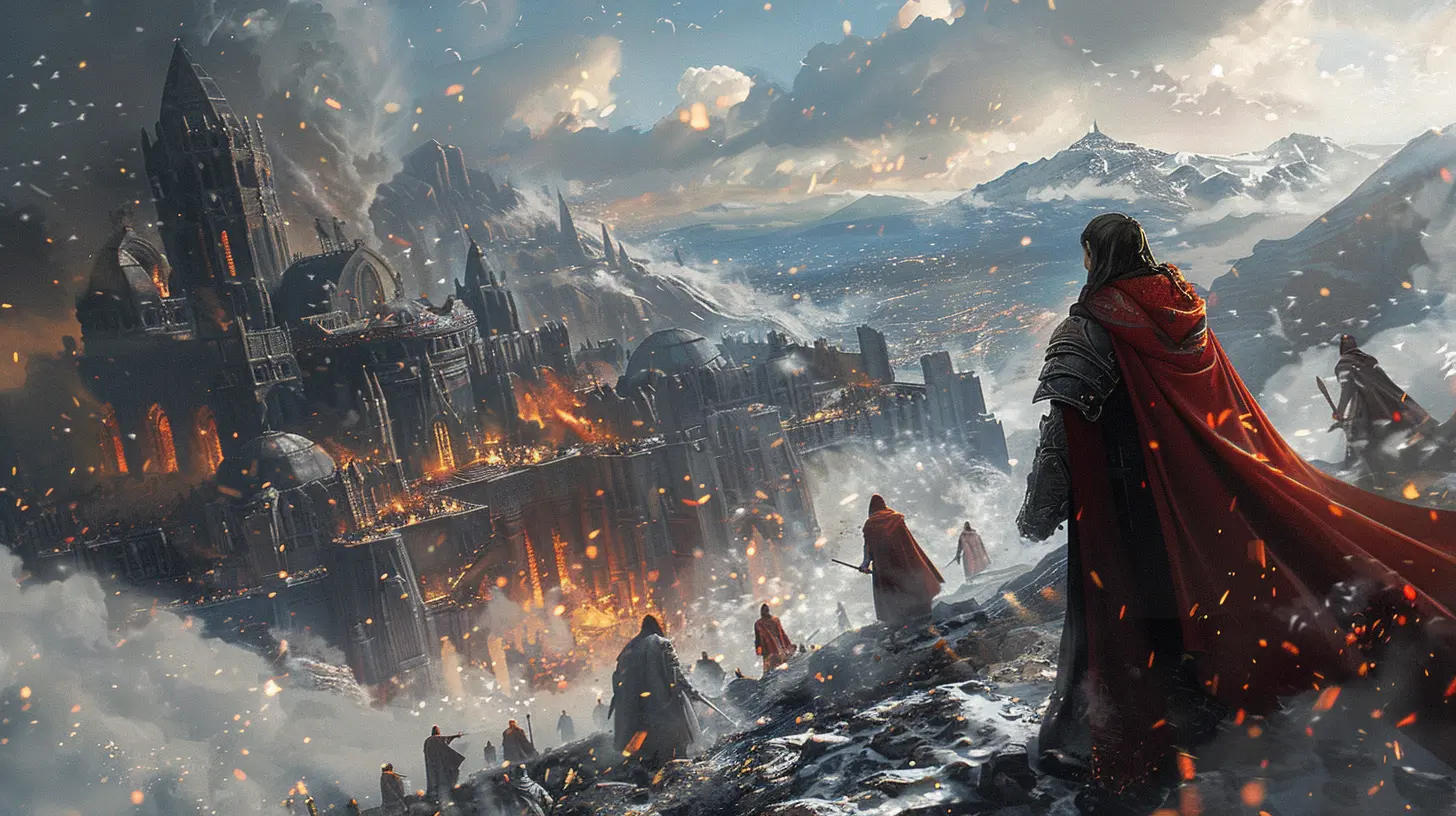
What Core Fans Actually Want
Alright, so what do your day-one fans truly want from an expansion? Let’s break it down.1. Respect for the Game’s DNA
Every beloved game has a unique "feel"—its combat rhythm, art style, lore depth, or even something as small as how the UI works. When you update, keep that essence intact. Tweak, evolve, polish—but don’t reinvent the wheel.If your game’s a sushi roll, don’t turn it into a hot dog.
2. Continuity in Progression
Players get attached to their characters, gear, skills, or even in-game homes. An expansion that invalidates all that progress with a clean slate? You're asking for trouble. Give them ways to carry over their hard work, or at least let it matter in some form.3. Communication and Transparency
This one's huge. If you’re making big changes, explain why. Open up development blogs, host Q&A streams, or even leak small details early to get feedback. Players don’t mind change—they just hate surprise overhauls.4. A Smooth Onboarding Process
Bringing in new systems? Cool. Just don’t throw players into the deep end without a tutorial. The more intuitive and seamless the transition, the better the experience.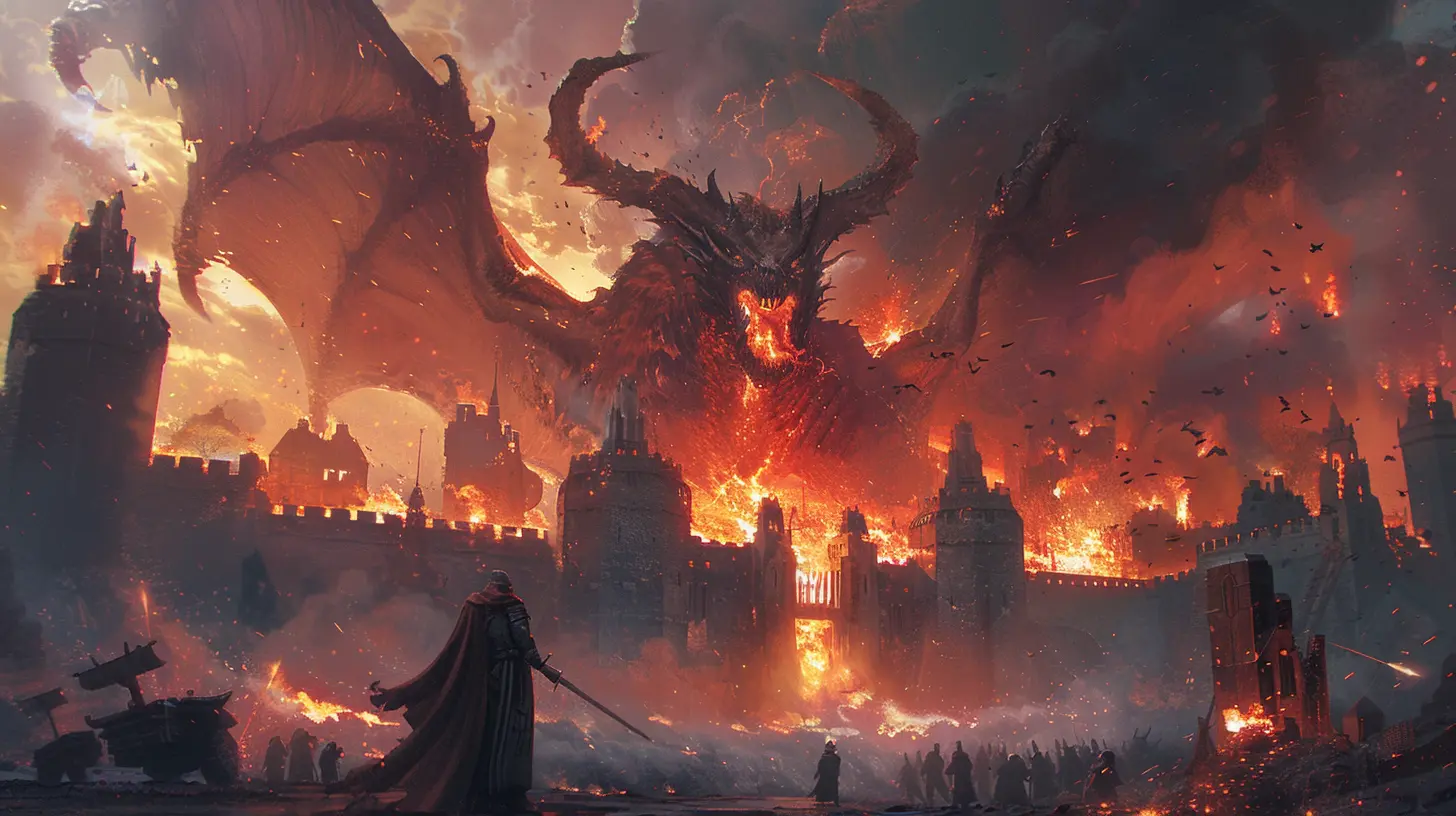
Strategies to Update Without Losing the Soul
So how do developers actually execute an expansion while keeping the fanbase intact? Here's a rundown, straight from the playbook.? Layer Don’t Replace
One solid strategy is to layer new content on top of the old, rather than swapping it out. Think of it like stacking flavors in a donut—new icing, new sprinkles, but the same soft center.Instead of removing systems, build on them. Let players opt into new experiences without forcing them to abandon the old.
? Targeted Updates Instead of Overhauls
Don’t fix what isn’t broken. If your crafting system is beloved by the community, maybe don't overhaul it just because it "could be made more efficient." Instead, add optional depth—like new recipes or rare materials.The goal is evolution, not revolution.
? Involve the Community Early
Want to avoid a backlash? Ask for input.Run beta tests, host feedback forums, send out surveys. You don’t have to implement every suggestion, but showing that you’re listening? That’s half the battle.
?️ Keep the Old Content Relevant
One of the fastest ways to lose core fans? Making all their old gear or achievements obsolete.Add ways for old content to scale or remain useful. Or hey, do what games like Final Fantasy XIV do—let older content scale up and encourage veteran players to revisit it. Nostalgia is powerful.
Expansion Doesn’t Mean “One Size Fits All”
Here’s a truth bomb: Not every player wants the same thing.Some want sweaty raids and leaderboard PvP. Others want chill base-building or immersive story arcs. A well-designed expansion lets players choose their adventure. You don’t need to please everyone with each new feature—just make sure everyone has something.
This modular approach—think menus at a buffet—keeps players engaged without forcing them into content they don’t enjoy.
The Danger of “Bloat”
Now let’s talk about the flip side: content bloat.Adding too much, too fast, can overwhelm and confuse. It's like going from a cozy room to a mansion overnight—you’re not sure where anything is anymore.
Here’s how to avoid it:
- Consolidate similar systems (you don’t need 6 different currencies).
- Archive outdated features slowly and transparently.
- Streamline UI/UX to help players navigate the growing world.
Sometimes less is more.
Timing is Everything
Roll out your content too fast, and players can't keep up. Too slow? They lose interest.Find a cadence that works. Something predictable, where players can take breaks without falling behind or burning out. Even better if you align your releases with community events, anniversaries, or seasonal hype.
Listen Like Your Game Depends On It (Because It Does)
Games live or die based on community feedback.Keep your ear to the ground—Reddit threads, Discord servers, review sites. If something’s off, your fans will let you know, often loudly. But instead of pushing back, lean in. Find the valid points. Address concerns directly.
And when you get it right? Celebrate it. Let your community know they were part of the process.
Final Thoughts: It’s a Conversation, Not a Monologue
Updating your game through expansions isn’t just about codes, scripts, or mechanics. It’s about people. The ones who’ve spent countless hours in your world, who know every glitch, every workaround, every corner of the map. Lose them, and you risk losing the heartbeat of your game.But treat them like partners? Like co-pilots on this wild ride? That’s when the magic happens.
Remember this: You’re not just building a game. You’re nurturing a living, breathing community. So take care of it.
And if you ever feel stuck, just ask yourself—“Would I still love this game after the expansion drops?” If the answer’s yes, you’re on the right track.
all images in this post were generated using AI tools
Category:
Game ExpansionsAuthor:

Greyson McVeigh
Discussion
rate this article
1 comments
Wynter Matthews
Balancing innovation and tradition is key.
June 19, 2026 at 4:50 PM
Greyson McVeigh
I completely agree. Striking that balance is essential for keeping both new and loyal fans engaged.