Subtext and Symbolism in Game Storytelling
26 June 2026
Video games have grown far beyond pixelated characters and simple objectives. They’ve evolved into fully immersive, emotionally engaging experiences. And one major factor driving that evolution? Storytelling. But wait—good storytelling in games isn't just about dialogue or main plotlines. It’s often what’s beneath the surface that hits the hardest. That’s where subtext and symbolism come roaring in.
Let’s unpack this together. Grab your metaphorical controller—we’re diving deep into the hidden layers of game narratives.
What Is Subtext in Game Storytelling?
You ever play a game and just feel like there's something else going on—something unspoken? That’s subtext.Subtext is the meaning beneath the surface. It's what the characters don’t say, but we feel it anyway. Think of it as the unsaid truth, lurking between the lines of dialogue, in body language, or even the environment.
Subtext: Show, Don’t Tell
Game developers often use the classic storytelling rule: show, don’t tell. Instead of spelling everything out for you, they let you figure it out yourself. Say you're exploring a house in a horror game. It’s trashed, newspapers are scattered everywhere, you see a child’s drawing of a broken family. No one tells you what happened, but you know—something tragic went down. That’s subtext in action.Emotional Subtext
Games like The Last of Us masterfully use subtext to build emotional depth. Joel and Ellie’s relationship isn’t always spelled out, but you feel their bond strengthen through small gestures and silent moments. That’s more powerful than any monologue.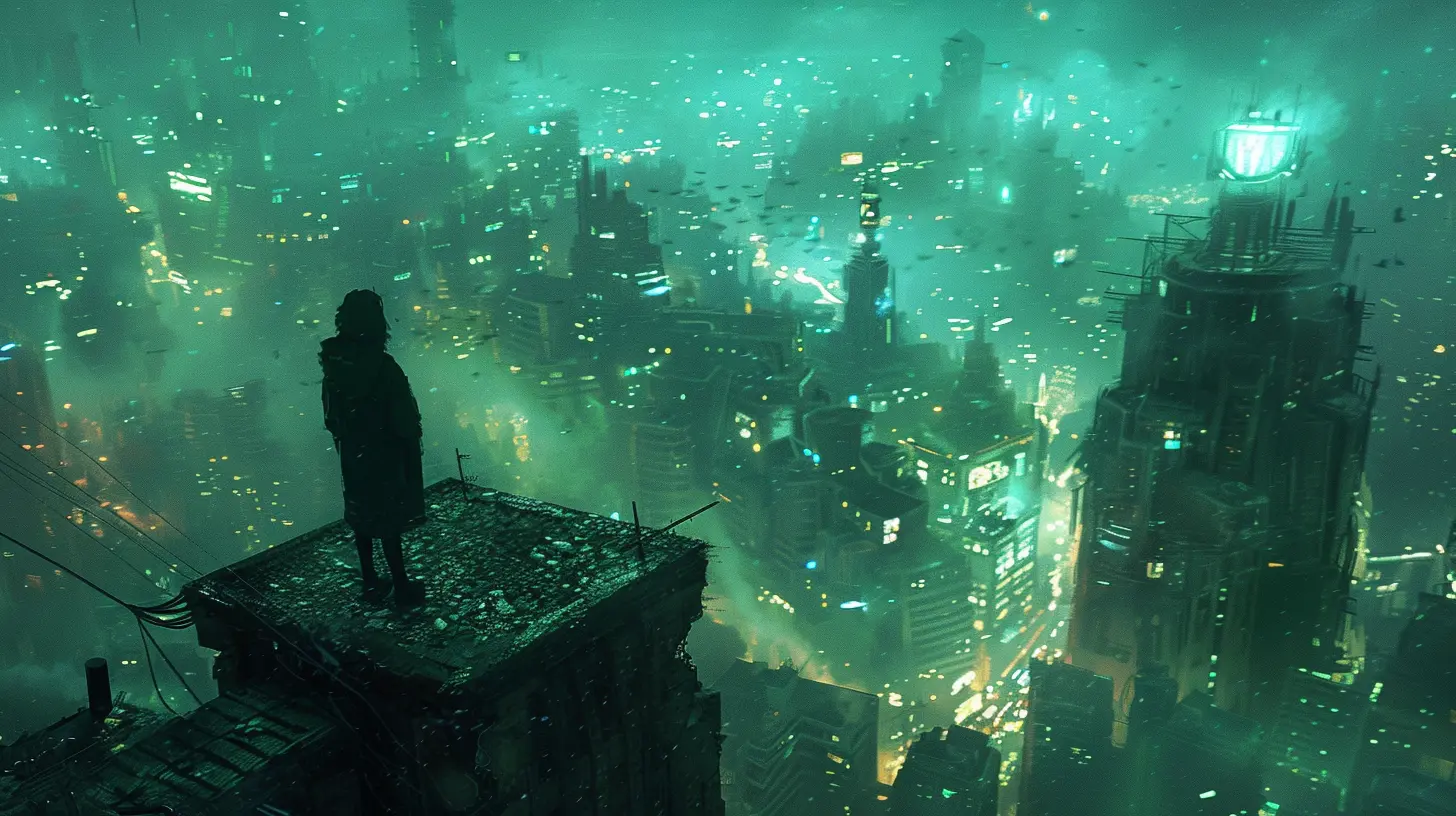
Symbolism: The Language of Imagery
Now, let’s talk symbolism. While subtext whispers to us, symbolism paints pictures that speak volumes.A symbol in storytelling is an object, color, or recurring theme that represents something larger. In games, symbolism can appear in art direction, design choices, or even gameplay mechanics.
Environmental Symbolism
In Journey, the desert isn’t just a desert. It symbolizes isolation, struggle, and eventually—spiritual awakening. The mountain isn’t just a destination. It’s a metaphor for hope, purpose, and rebirth.A game world tells a story without a single word. That’s the beauty of environmental symbolism.
Color Symbolism
Ever notice how red lights make you feel tense? Or how cool blues calm you down? Colors in games aren’t just for aesthetics—they carry psychological weight.Take Inside by Playdead. The use of gray, black, and red creates a haunting atmosphere. The red light often signifies danger or surveillance, building subtle unease without a single line of dialogue.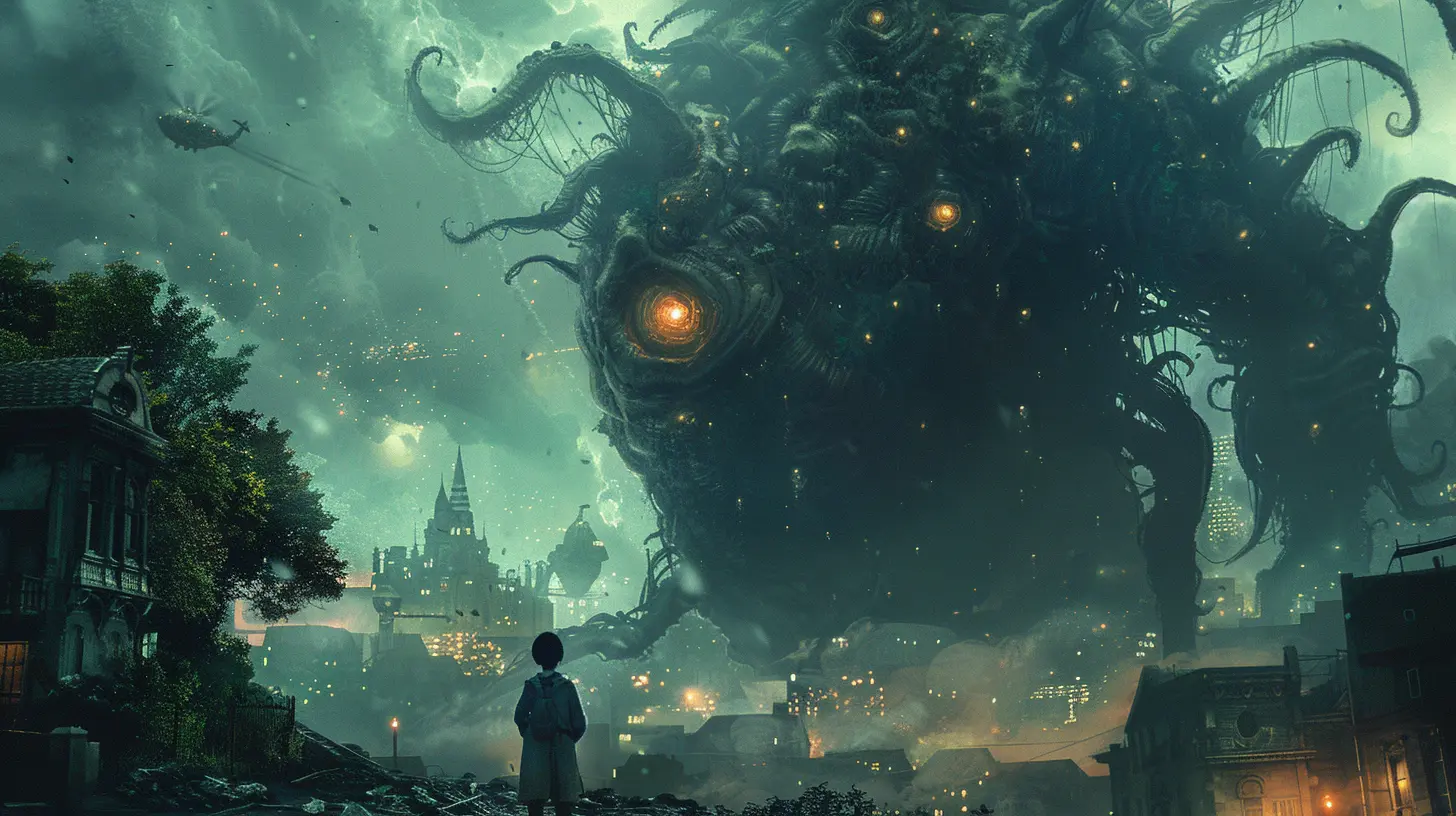
Why Subtext and Symbolism Matter More Than You Think
You might be wondering, “Okay, sounds fancy, but why should I care?”Well, subtext and symbolism do something incredible—they make you a participant in the story. You’re not just watching events unfold; you're interpreting them, feeling them, engaging with them on an emotional level.
Engagement Over Explanation
Games that spell everything out leave little room for curiosity. But when you're piecing together a narrative from subtle hints and visual clues, your brain lights up. You're more invested because you're actively involved.Universal Language
Symbolism bypasses language barriers. A glowing tree might symbolize life and hope in any culture. That makes symbolism a universal tool in a medium like gaming that reaches global audiences.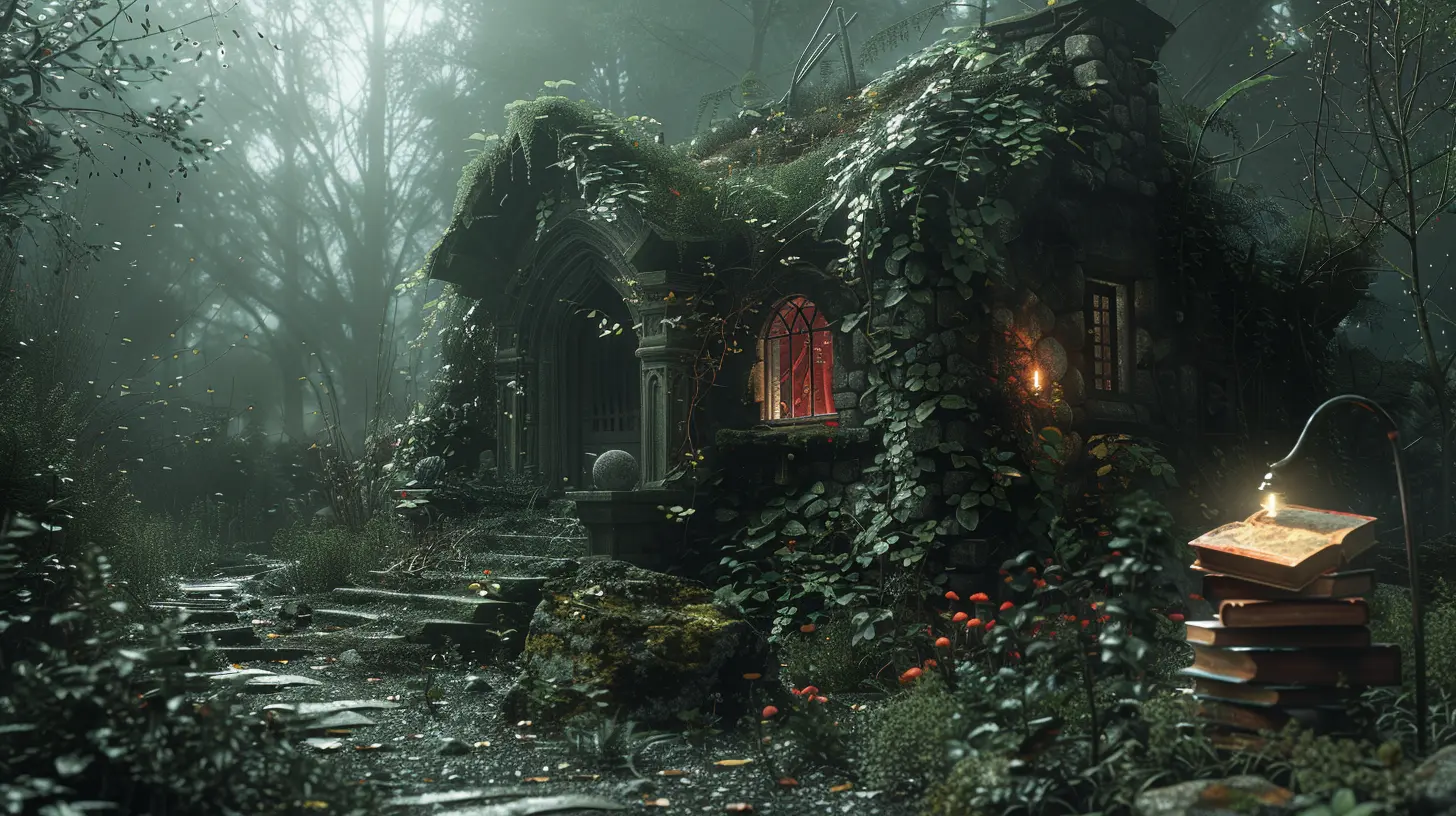
Iconic Examples of Subtext and Symbolism in Games
Let’s bring the theory to life. Here are some standout examples where games used subtext and symbolism to tell powerful stories:1. Silent Hill 2 – Internal Struggle Manifested
This game is practically a masterclass in psychological storytelling. The fog isn’t just creepy atmosphere—it symbolizes protagonist James’ mental confusion and guilt.And the monsters? They’re not random creatures. They represent James’ emotional turmoil and repressed memories. Pyramid Head, in particular, is more than just a terrifying enemy—he’s the embodiment of James' guilt and desire for punishment.
2. Bioshock Infinite – The Cage and the Bird
Elizabeth’s necklace offers two symbols: a cage and a bird. This isn’t just a fashion decision. It reflects the core theme of freedom vs. control. Depending on which she wears, you're subtly influencing her perception of her own fate.3. Hellblade: Senua’s Sacrifice – Mental Illness and Norse Mythology
Hellblade doesn’t shy away from tackling psychosis. But it frames it in a way that’s both metaphorical and respectful. The darkness Senua faces isn’t just literal, it’s the manifestation of her grief, trauma, and mental illness. The Norse symbols and voices build a narrative that’s both fantastic and deeply personal.How Game Mechanics Can Tell a Subtextual Story
Fun fact: storytelling in games isn’t limited to cutscenes or dialogue. Sometimes, the mechanics themselves can carry massive meaning.Example: Spec Ops: The Line
At first glance, it’s a standard military shooter. But the deeper you go, the more the gameplay choices reflect moral ambiguity and psychological trauma.You think you're the hero? The game slowly reveals, through your own actions, that you're not. It challenges you not just through difficulty, but narrative weight. That’s subtext woven into mechanics.
Example: Celeste and Climbing as Metaphor
In Celeste, climbing the mountain is more than just a platforming challenge. It’s a metaphor for battling inner demons, anxiety, and self-doubt. The harder the climb, the more rewarding the personal journey. It's deeply symbolic without ever being preachy.Subtlety Over Spectacle
Games often get praised for big set pieces and explosive moments. But let’s not forget the quiet parts—the symbolic details, the emotional silences, the environmental cues. That’s where the real magic happens.Not every player will notice this layer of narrative—and that’s the point. Those who do will walk away with a richer, more personal experience.
Just like in real life, it’s not always what people say—it’s how they say it. Or what they don’t say at all.
How Indie Games Lead the Charge
Big-budget games sometimes stick to conventional storytelling to appeal to wider audiences. But indie games? They’re the rebels—the artists willing to experiment and dive deep.Gris: Emotions in Color
In Gris, there’s no dialogue. But its use of color and movement tells you everything you need to know about grief and recovery. Each level represents a stage of grief—and as you progress, the world literally fills with color. That symbolism hits hard without saying a word.Limbo and Inside: Less Is More
Both games by Playdead strip away exposition and rely on atmosphere, color, and environment. The result? A haunting sense of meaning that sticks with you—sometimes even more than games with hours of cutscenes.How You Can Spot Subtext and Symbolism
Want to become a story-sleuth? Here are a few tips:- Pay attention to recurring visuals: Symbols often show up in different forms—like a recurring animal, object, or color scheme.
- Listen to the silence: What characters don’t say can be just as important as what they do.
- Think about the world itself: Is the environment reflecting the character’s state of mind?
- Look at game mechanics: Do your actions reflect a deeper theme?
The more you train your brain to look for these patterns, the more immersive games become.
Final Thoughts: Games as Art, Games as Story
Subtext and symbolism aren’t just literary devices—they’re powerful narrative tools that elevate the medium of gaming. When used right, they transform games into emotional, thought-provoking experiences that stick with you long after the credits roll.So next time you boot up your favorite game, look a little closer. What’s beneath the surface might just change your entire perspective.
all images in this post were generated using AI tools
Category:
Game NarrativesAuthor:

Greyson McVeigh
Discussion
rate this article
1 comments
Daphne Henson
This article opens up a fascinating lens on how games convey deeper meanings. The blend of subtext and symbolism adds layers to storytelling that often go unnoticed. I'm eager to see examples that really elevate the narrative experience in gaming.
July 3, 2026 at 4:15 AM