Iconic Story-Driven Games That Changed the Industry
25 June 2026
Let’s be real—gameplay matters, graphics are cool, but it’s the story that sticks with us long after we’ve turned off the console. Some games feel like reading a gripping novel or watching a blockbuster movie, except they pull us in even deeper because we’re in control. Story-driven games don’t just entertain—they stir emotions, challenge perspectives, and, in some cases, completely reshape the way we think about gaming.
In this article, we’re diving into the heart of what makes story-driven games so powerful, and more importantly, tipping our hats to the iconic titles that didn’t just keep us hooked—they changed the entire gaming industry.
Grab your snacks, charge that controller, and let’s go on a journey through the worlds that made us laugh, cry, and question reality itself.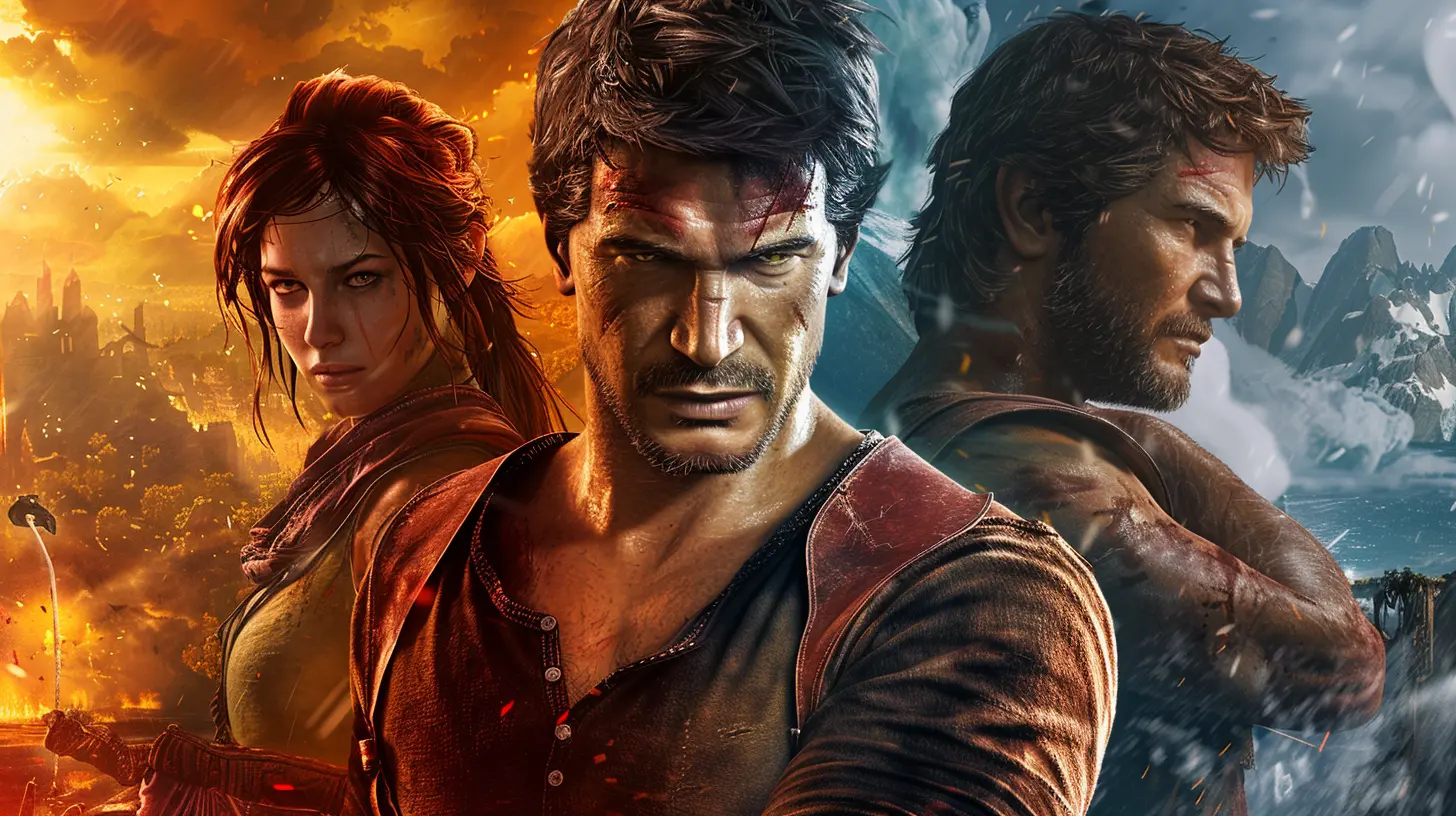
Why Storytelling in Games Changed Everything
Gaming used to be all about getting from point A to B, racking up high scores, or whacking the final boss. But then came the rise of narrative-driven titles that made us feel things. Games started to deliver impactful storytelling that rivaled movies and books.Why does that matter? Because stories give players a reason to care. They build connections with characters, give purpose to gameplay, and immerse us in worlds that feel real. It’s that emotional bond that turns a good game into an unforgettable experience.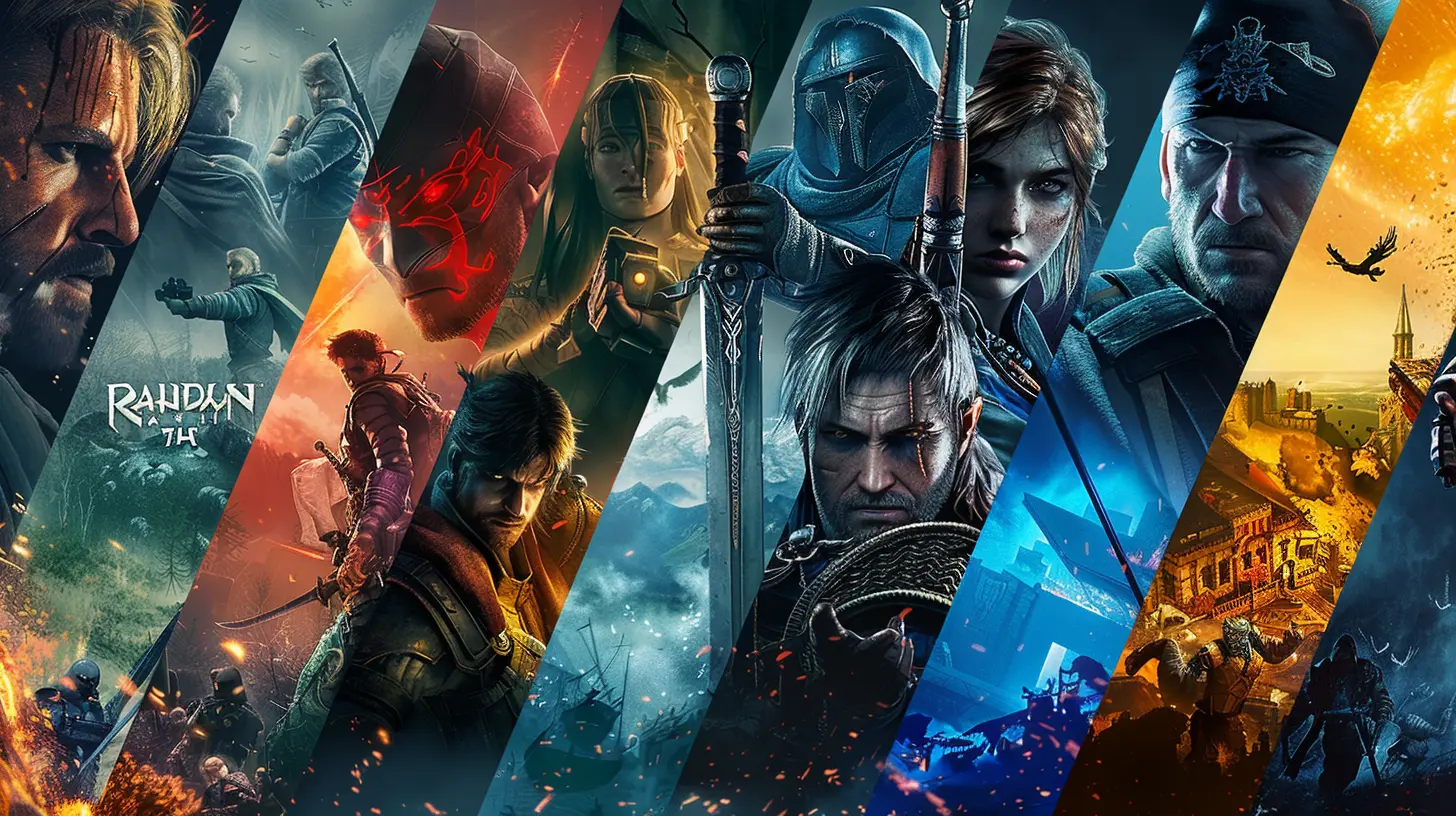
The Evolution of Storytelling: From Pixels to Powerful Narratives
Before diving into the icons, let’s rewind a bit.Back in the day, early story-driven games like "The Legend of Zelda” and “Final Fantasy” planted the seeds. They gave us basic narratives to follow—rescue the princess, save the world—but it was revolutionary for its time. As technology advanced, so did storytelling capacity. More storage meant longer cutscenes. Better graphics brought emotions to life. Voice acting? Game changer.
Through the years, developers learned to embed story into gameplay itself. Instead of just telling players what's happening, they let us live it.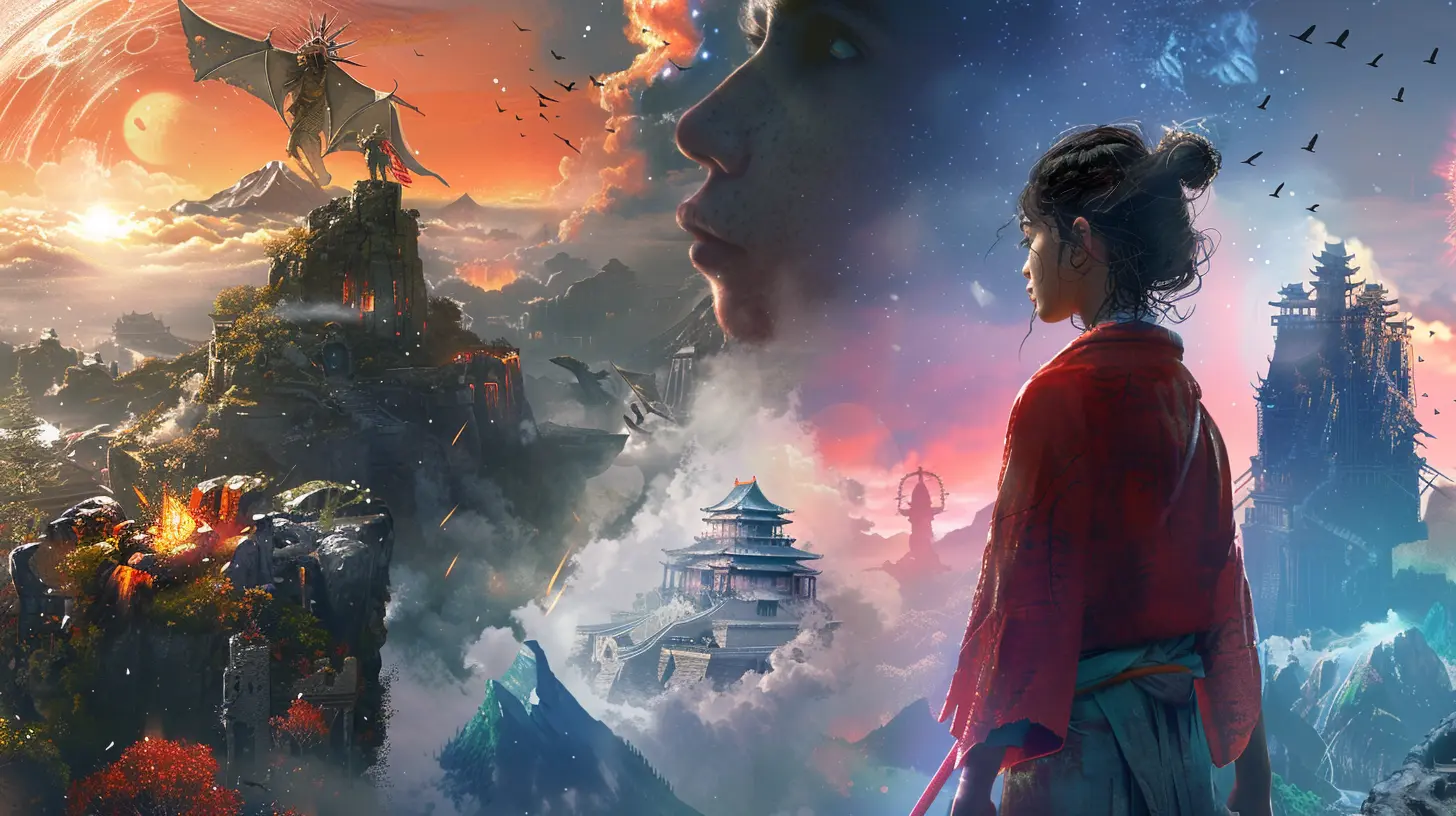
Iconic Story-Driven Games That Changed the Industry
Alright, now for the good stuff. Let’s talk about the legends that flipped the script and left lasting marks—not just on us as players, but on the entire gaming industry.1. The Last of Us (2013)
Let’s kick things off with the juggernaut that is The Last of Us.This isn’t just a game—it’s an emotional rollercoaster disguised as a post-apocalyptic action title. From the first 15 minutes (which were basically designed to wreck your soul) to the controversial choices in the finale, Joel and Ellie’s journey redefined what emotional storytelling in games could be.
It’s raw. It’s gut-wrenching. And it set a new standard for narrative depth. Naughty Dog didn’t just tell a story—they made players live it. And let’s not forget the masterful voice acting and motion capture that brought it all to life.
Impact: It raised the bar for character development and cinematic storytelling in games. Studios took notice—and started aiming higher.
2. Red Dead Redemption 2 (2018)
If The Last of Us is a gut punch, Red Dead Redemption 2 is a slow burn that sears into your soul.This Western epic didn’t just give us a glimpse of the American frontier—it gave us Arthur Morgan. His story of loyalty, redemption, and internal struggle was deeply human. Rockstar crafted every detail with care, from the natural dialogue to the breathtaking landscapes.
You’re not just playing a cowboy. You’re living as one, with choices that carry emotional weight and relationships that feel authentic. It’s storytelling at its most immersive.
Impact: Changed expectations for open-world narrative design and proved that even sprawling games can tell intimate, compelling stories.
3. BioShock (2007)
“Would you kindly…”—if you know, you know.BioShock delivered a mind-bending twist that made players question free will—in the game and in real life. Set in the haunting underwater city of Rapture, it fused storytelling with gameplay in ways we hadn’t seen before.
More than just a shooter, BioShock wove philosophy, politics, and morality into its DNA. It dared to ask big questions and challenged what we expect from first-person games.
Impact: Proof that games can be both intellectually provocative and commercially successful. It’s still studied in game design courses today.
4. Life is Strange (2015)
Not every game needs guns to be powerful.Enter Life is Strange, a thoughtful episodic adventure that explores friendship, trauma, and the butterfly effects of our choices—literally. With time-rewinding mechanics and emotional storytelling, it connected deeply with a whole generation of gamers.
Max and Chloe’s relationship felt real, raw, and relatable. It leaned into themes like mental health and identity with subtlety and grace.
Impact: Popularized the episodic format and showed how indie studios can deliver emotionally driven storytelling that rivals AAA titles.
5. Mass Effect Trilogy (2007–2012)
Ah, Commander Shepard. The galaxy’s most iconic space diplomat/soldier/romantic interest (depending on your choices, of course).The Mass Effect series was groundbreaking because it gave players real control over their character and relationships. Your choices really mattered—and carried across three games! That level of continuity was unheard of at the time.
The branching narratives, deep lore, and character development made players feel like they were co-authors of the story.
Impact: Pioneered choice-based storytelling across multiple games and shaped the RPG genre profoundly.
6. Metal Gear Solid (1998)
Let’s not forget Hideo Kojima’s genre-defining masterpiece. Metal Gear Solid blew minds in the late '90s with its cinematic storytelling, complex characters, and fourth-wall-breaking moments.It blurred the line between game and movie in a way that was ahead of its time. From stealth gameplay to intricate plotlines, it proved that video games could be as narratively rich as any Hollywood thriller.
Impact: Redefined what it meant to tell a “serious” story in video games and helped solidify games as a legitimate artistic medium.
7. Telltale’s The Walking Dead (2012)
You wouldn’t think a zombie game would make you cry, right? But The Walking Dead did exactly that.Telltale stripped away complex mechanics and focused entirely on story and characters. The bond between Lee and Clementine still haunts many of us. It felt less like a game and more like living through a heart-wrenching interactive drama.
Impact: Revived the point-and-click genre and popularized the “your choices matter” mechanic in a gripping, narrative-first format.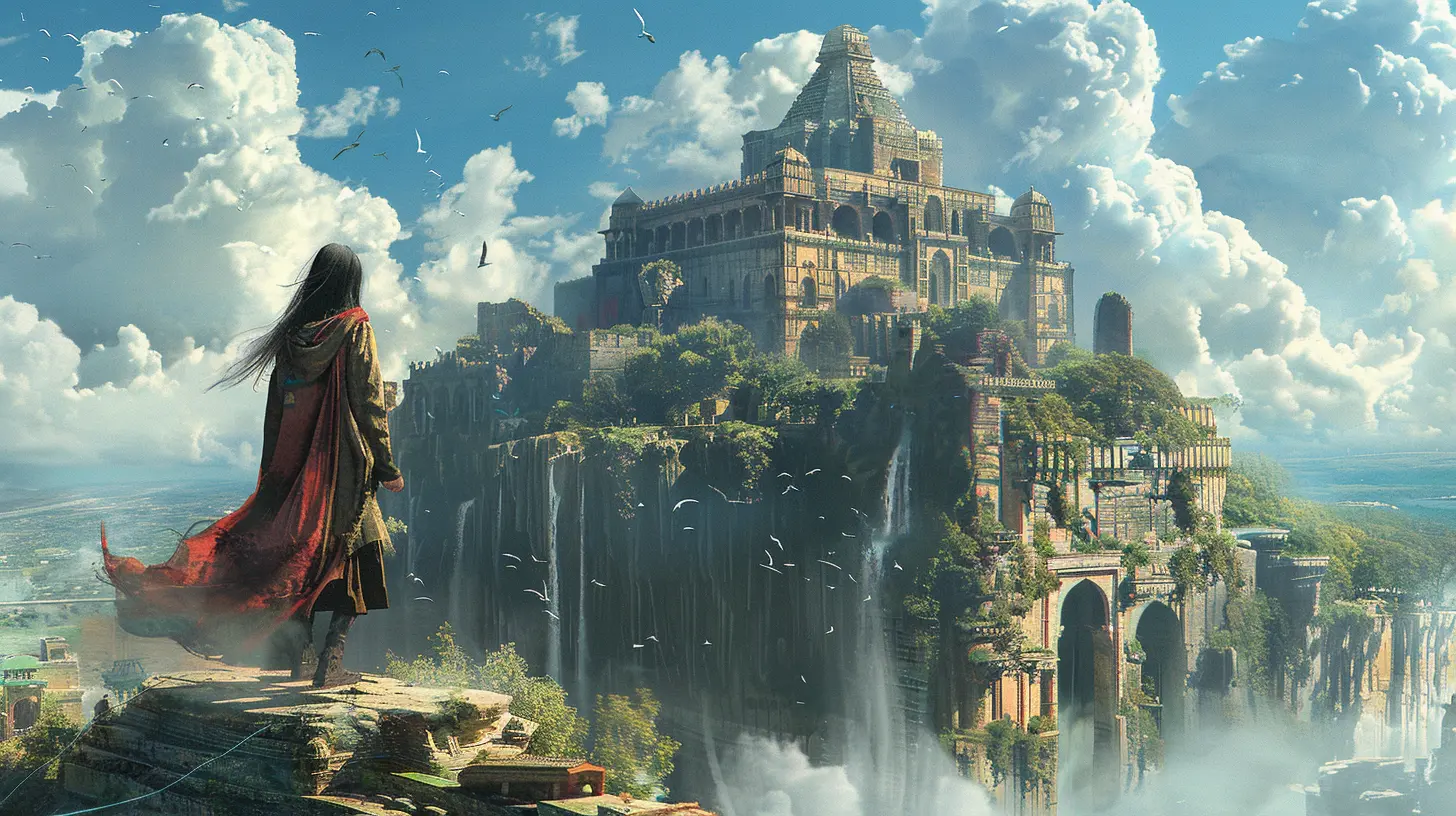
Honorable Mentions
There are just too many narrative powerhouses to name them all, but here are a few more that shook things up:- Detroit: Become Human – For its branching narratives and moral dilemmas.
- Undertale – For its quirky charm and player-responsive storytelling.
- God of War (2018) – For transforming a rage-fueled character into a layered father figure.
- Heavy Rain – For its focus on gritty, emotional storytelling and choice-driven gameplay.
What Makes These Games So Influential?
So why did these particular games change the landscape?Because they:
- Made us feel something. Joy, grief, anger, hope—you name it.
- Pushed boundaries. They weren’t afraid to tackle tough topics or experiment with form.
- Elevated storytelling in games. No longer just a backdrop—narrative became the main event.
- Inspired developers. Many of today’s top titles stand on the shoulders of these giants.
The Future of Story-Driven Games
We’re in an exciting era. With real-time rendering getting more powerful and AI-driven storytelling emerging, the potential is huge. Developers can craft more responsive narratives, deeper characters, and immersive worlds than ever before.But no matter how fancy the tech gets, the heart of story-driven gaming stays the same: human connection.
Gamers want to be moved. They want meaningful choices. Most of all, they want stories worth remembering—and sharing.
Final Thoughts
The iconic story-driven games we’ve explored didn’t just entertain us. They stayed with us. They changed how we see games, how we talk about them, and how we feel when we pick up a controller. These titles proved that video games are more than just a hobby—they’re an art form capable of telling stories that change lives.Now, it's your turn—what story-driven game changed your world?
Let the conversation begin.
all images in this post were generated using AI tools
Category:
Top GamesAuthor:

Greyson McVeigh
Discussion
rate this article
1 comments
Amira Lynch
Oh sure, let's celebrate those "iconic" games that made us cry over pixelated characters. Who needs real-life drama when you can have fictional heartbreak, right?
July 4, 2026 at 4:11 AM
Greyson McVeigh
Absolutely, those pixelated moments stick with us. Sometimes fiction hits harder than reality.