How Game Expansions Are Changing the Way We Play
9 June 2026
You know the feeling—you’ve just finished the main storyline of a game you’ve been obsessed with for weeks. You’re a little heartbroken, a little proud, but mostly craving more. Then, boom—a game expansion drops. Suddenly, you’re sucked back in, as if you never left. But game expansions today? They’re so much more than just “extra content.” They’re transforming the way we experience games altogether.
Let’s dig into how game expansions are reshaping the gaming world and changing the way we play, connect, and keep coming back for more.
What Exactly Is a Game Expansion?
Before we dive into their impact, let’s get the basics sorted. A game expansion is like a sequel’s cool little sibling. It adds fresh content to an already existing game—think new characters, stories, maps, missions, mechanics, or even entire modes.Expansions come in many forms:
- Traditional DLCs (Downloadable Content)
- Season passes
- Live service updates
- Massive standalone expansions
They’re essentially the secret sauce that keeps a game tasty long after launch day.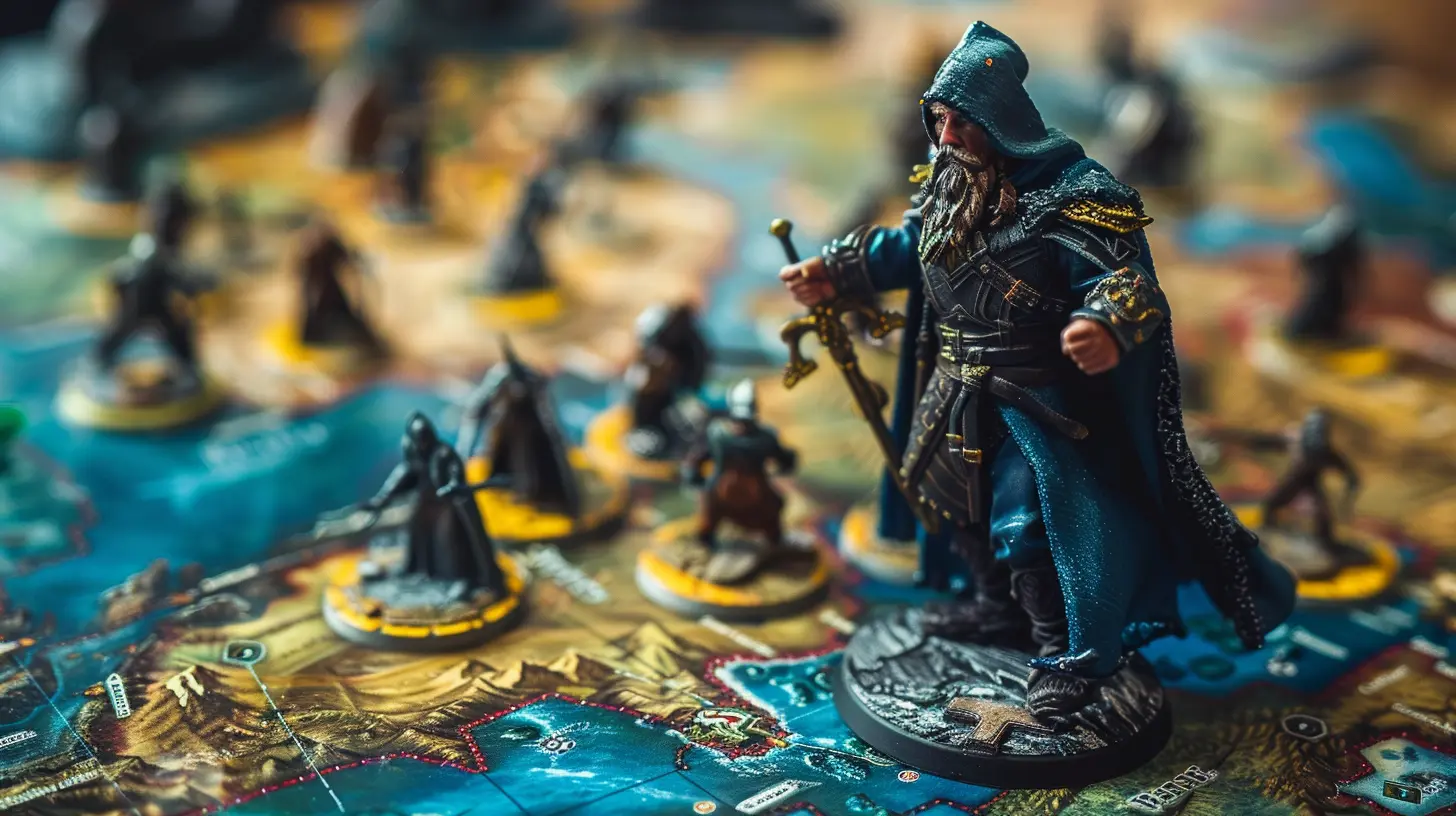
A Shift from One-and-Done to Ongoing Worlds
Once upon a time, you bought a game, played it, and shelved it. Done and dusted. Fast-forward to today, and it's all about living, breathing virtual worlds that evolve long after the initial release.The Rise of Games as a Service (GaaS)
Games like Destiny 2, Final Fantasy XIV, and Fortnite have championed the live service model. These titles constantly roll out expansions, events, and updates as part of their long-term engagement strategy. Players aren’t just gamers—they’re long-term residents of these digital universes.This model has flipped the script. Developers no longer only think short-term about release day sales. Now, it’s about building a community that sticks around for months or even years.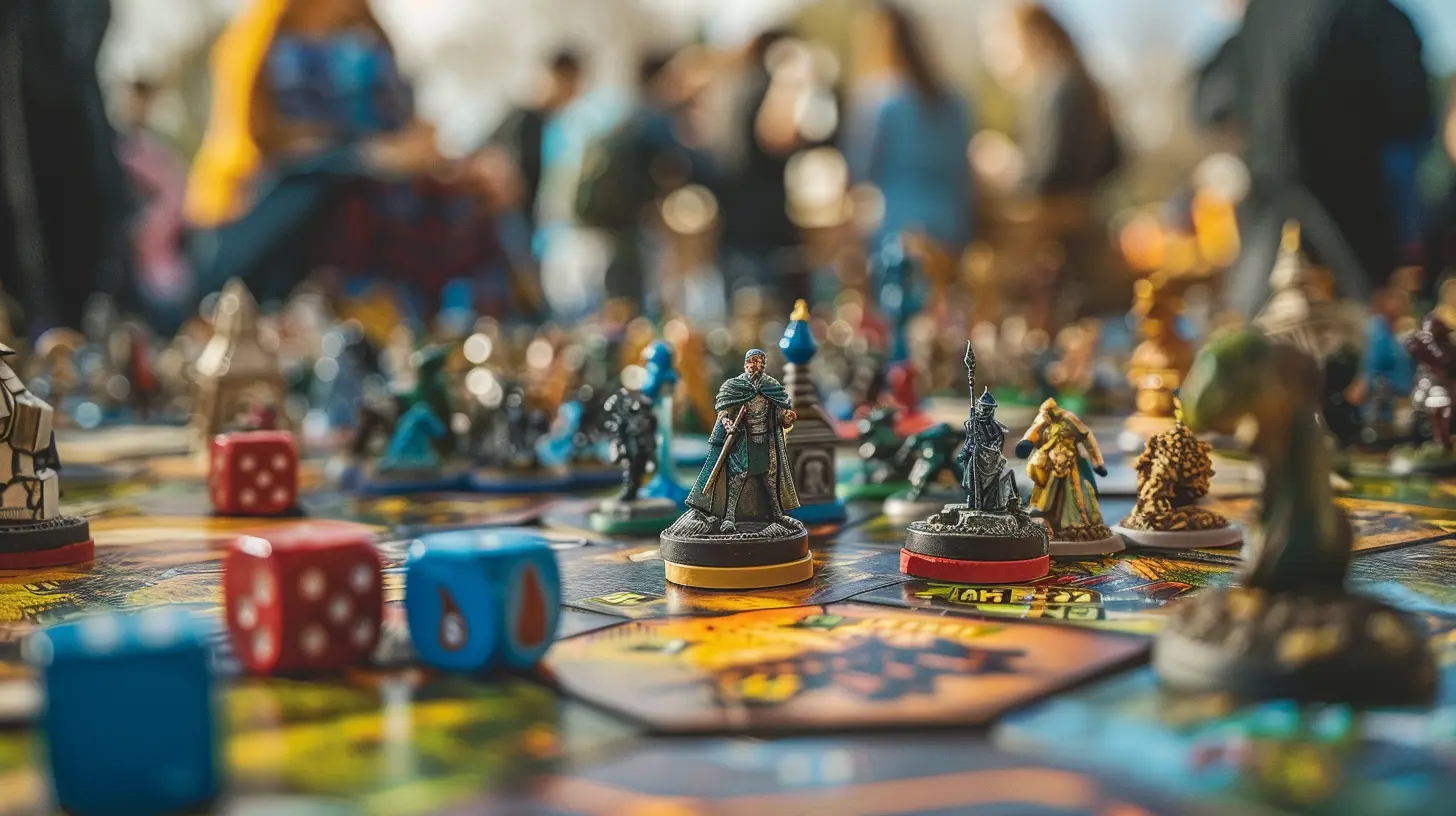
Expansions Keep Games Feeling Fresh
Here’s the thing—gamers hate boredom. We crave challenges, surprises, and reasons to keep grinding. Expansions provide exactly that.More Content Means More Fun
Expansions inject new energy into games. Take The Witcher 3: Blood and Wine, for example. It didn’t just toss in a few quests—this was practically an entirely new game within a game. Fresh locations, a new storyline, new weapons, and mechanics? Yes, please.Replayability Just Skyrocketed
You might’ve played through Skyrim a dozen times, but then the Dragonborn and Dawnguard expansions dropped, and suddenly you had even more reasons to return to the frosty mountains of Tamriel.It’s like your favorite book got new chapters added—chapters that actually affect the ending.
Multiplayer Expansions Are Leveling Up Social Play
For multiplayer games, expansions don’t just add content—they shake up the entire ecosystem.New Maps, New Modes, New Meta
In games like Call of Duty or Rainbow Six Siege, expansions often introduce new maps, weapons, and operators that completely revamp how the game is played. You’re not just adding stuff—you’re changing the way strategies work, how players approach matches, and what the community rallies around.Imagine playing chess, but suddenly, someone introduces a new piece with powers you've never seen. That’s what game expansions do.
The Social Connection
Expansions give players common goals, shared experiences, and fresh reasons to team up. Whether it's taking down a raid boss in World of Warcraft or fighting through a seasonal event in Apex Legends, expansions forge stronger community bonds.They’ve become the social glue of multiplayer gaming.
Expansions as Storytelling Powerhouses
Story-driven games have found gold in expansions. Developers now use them to deep-dive into characters, lore, and alternate timelines.Expanding the Universe—Literally
Games like Horizon Forbidden West and Cyberpunk 2077 use expansions to provide side stories that flesh out the world in ways the main game couldn’t. It’s like watching spin-off shows of your favorite series—they enrich the lore and give fan-favorite characters more screen time.Your Choices Still Matter
Story expansions often allow previous choices to influence outcomes. So if you made a big decision in the base game, the expansion won’t just ignore it—it builds on it. That continuity is what makes expansions feel like a natural (and necessary) part of the journey.Monetization: The Good, The Bad, and The Controversial
Alright, let’s talk money—because expansions aren’t free (well, most aren’t). And while they add value, not every gamer is thrilled with how they're sold.Paywalls and Player Frustration
Some developers have caught flak for locking essential content behind expensive expansions. Especially when the content feels like it should’ve been in the original game. Cue the angry Reddit threads.But When Done Right...
When priced fairly and packed with rich content, expansions can feel like a gift. Titles like Monster Hunter World: Iceborne or Elden Ring's Shadows of the Erdtree offer boatloads of value, often justifying their cost—and then some.Money talks, but so does quality.
Expansion Longevity: How They Extend a Game’s Life
Games used to have a shelf life. Now? Some are running strong five, ten years after release thanks to ongoing expansions.Keeping the Hype Alive
You know how a TV show drops teaser trailers to keep fans hooked? Expansions do the same for games. Regular content drops ensure the community stays active and excited. Monthly updates, teasers, dev logs—they all create hype loops that keep players logging in.It’s All About the Ecosystem
Games like Minecraft and The Sims thrive on expansions. The base game lays the foundation, but expansions allow endless customization and personalization. They're like never-ending IKEA kits for gamers. You can keep building your perfect little world.The Creative Risks Are Paying Off
Expansions give devs a playground to try new stuff—mechanics, themes, even genre shifts.Not Just More of the Same
When expansions shake up gameplay styles, things get really exciting. Red Dead Redemption: Undead Nightmare turned a western into a zombie apocalypse overnight. That bold move could’ve flopped… but it didn’t. Fans loved it.Testing Grounds for the Next Big Thing
Expansions can act as test beds for future ideas. Developers watch how players react and use feedback to shape sequels or even entirely new projects. It’s like a demo that actually matters.The Future of Expansions: What's Next?
So, where are we headed? With tech evolving and gamer expectations rising, expansions are only going to get crazier—in a good way.Cloud Gaming and Instant Updates
With cloud gaming platforms on the rise, pushing massive expansions will become faster and more seamless. No more waiting hours for a download. Just click and play.AI-Driven Personalized Expansions?
Imagine an expansion that actually tailors its content based on how you played the original game. We’re not quite there yet—but we’re close. Procedural generation and AI storytelling are opening crazy new doors.Final Thoughts
Game expansions aren’t just bonus content anymore. They’re reshaping the core of gaming itself. They keep games alive, breathe new life into familiar worlds, and transform us from casual players into lifelong fans. Whether it's grinding for new gear, binging fresh storylines, or just chilling with pals in a new map—you’ve got expansions to thank.So next time you think you’ve "finished" a game… think again. The best part might still be loading.
all images in this post were generated using AI tools
Category:
Game ExpansionsAuthor:

Greyson McVeigh
Discussion
rate this article
1 comments
Kara Myers
Game expansions are like surprise birthday gifts that keep on giving! They change the way we play, adding fresh adventures and exciting challenges. It's like a booster shot of fun that keeps our favorite games feeling alive. Who doesn't love a good plot twist in their gaming life?
June 12, 2026 at 2:58 AM
Greyson McVeigh
Absolutely! Game expansions really do breathe new life into our favorite titles, keeping the excitement alive and introducing unexpected twists that enhance the experience. It's all about those fresh adventures that keep us engaged.