How Flashbacks and Time Travel Enhance Game Stories
1 July 2026
Ever played a game and suddenly — bam! — you're thrown back into the past, reliving the protagonist's most haunting memory? Or maybe you’ve jumped into a futuristic timeline to fix something in the present? Yeah, those goosebumps you felt? That’s the magic of flashbacks and time travel in game storytelling.
Flashbacks and time travel aren't just sci-fi gimmicks or fancy narrative tricks. They’re powerful storytelling tools that, when used well, can completely transform how we connect with characters, feel tension, and experience gaming worlds. So, grab your controller (or keyboard), settle in, and let’s talk about how these time-bending elements enhance game stories in ways you might not have even realized.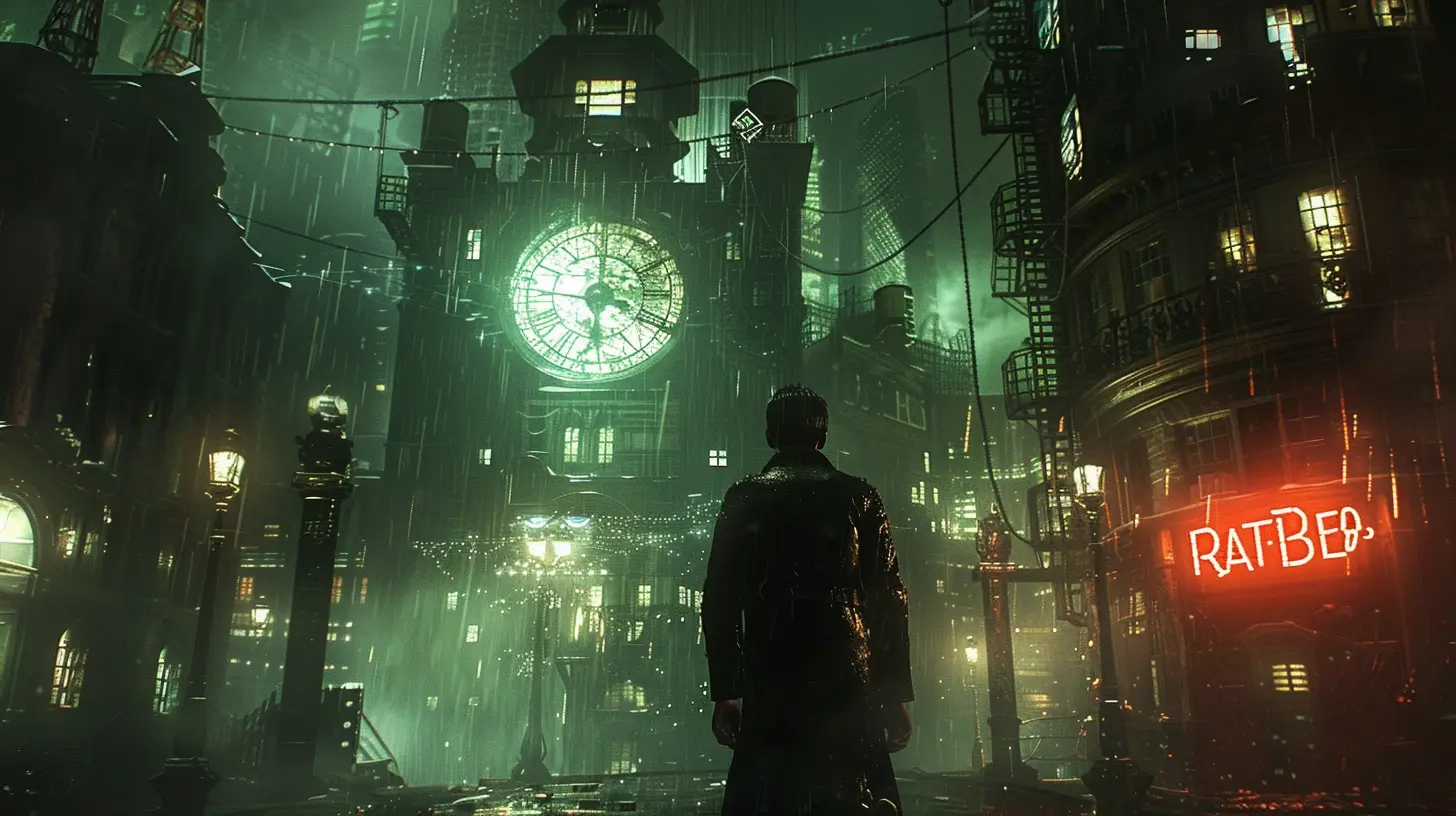
Why Game Stories Matter More Than Ever
Let’s face it—games aren’t just about high scores and cool graphics anymore. Sure, gameplay mechanics and visuals still matter, but storytelling is the heart that keeps players plugged in for hours.A well-told story keeps us emotionally invested. It makes us care about characters and want to see how their journey unfolds. And when a game cleverly messes with our sense of time? That’s when things really get unforgettable.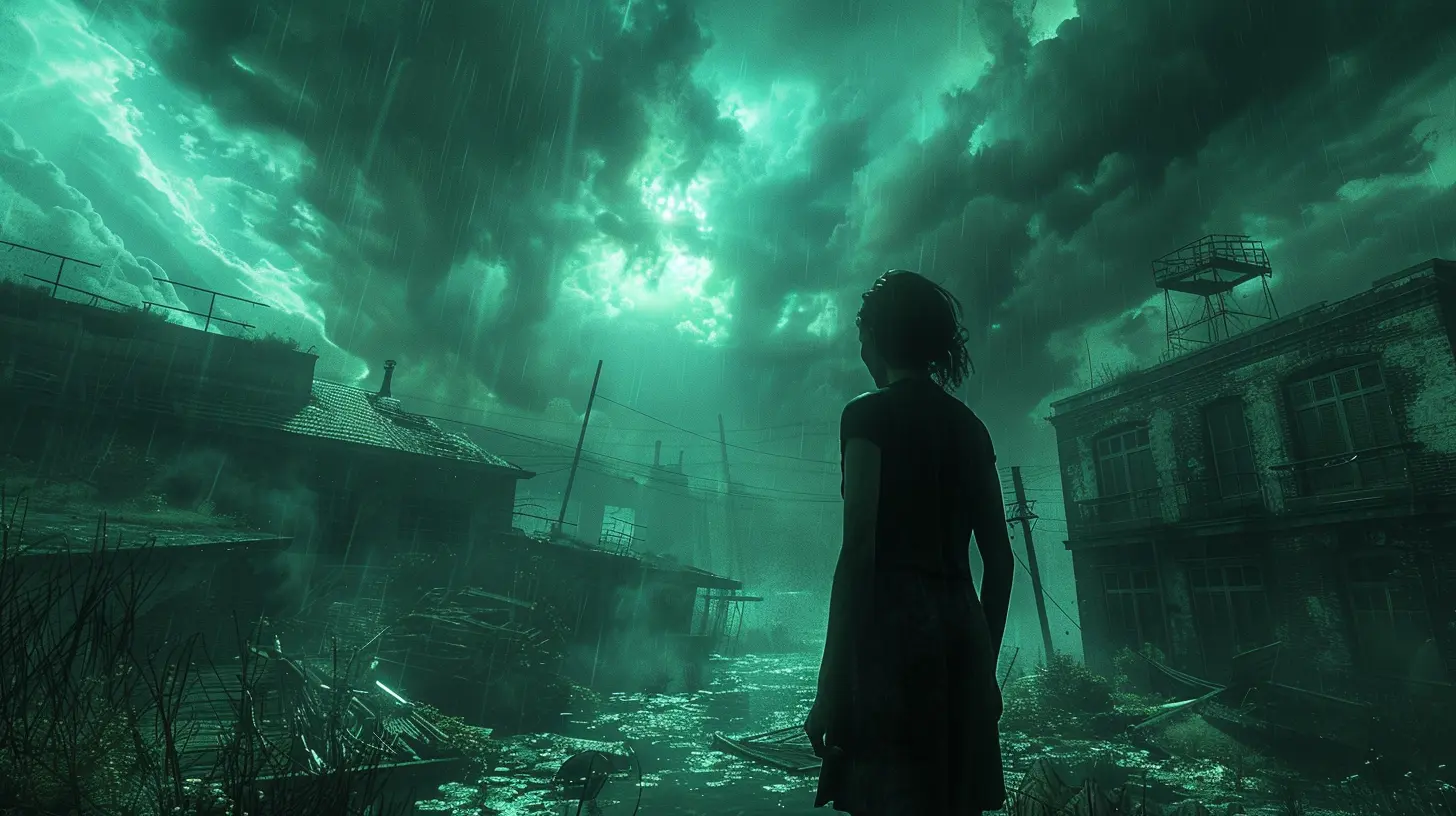
What Are Flashbacks and Time Travel in Games?
Before we dive deep, let’s break it down.Flashbacks: A Peek into the Past
Flashbacks are narrative sequences where the game takes you back to a character’s past. This isn’t just for decoration—it gives you critical backstory that explains motivations, trauma, relationships, or events that shaped the present.Ever played The Last of Us: Part II? Those Ellie and Joel flashbacks? Emotional knockout punches. They deepen character development and make the story hit harder.
Time Travel: A Leap Through Timelines
Time travel, on the other hand, lets players actively influence different periods—past, present, and sometimes future. It's not just watching what happened before, you're literally changing timelines.Think about Life is Strange. You're not just remembering the past—you’re bending time to rewrite it. That kind of narrative control? Immersive and super engaging.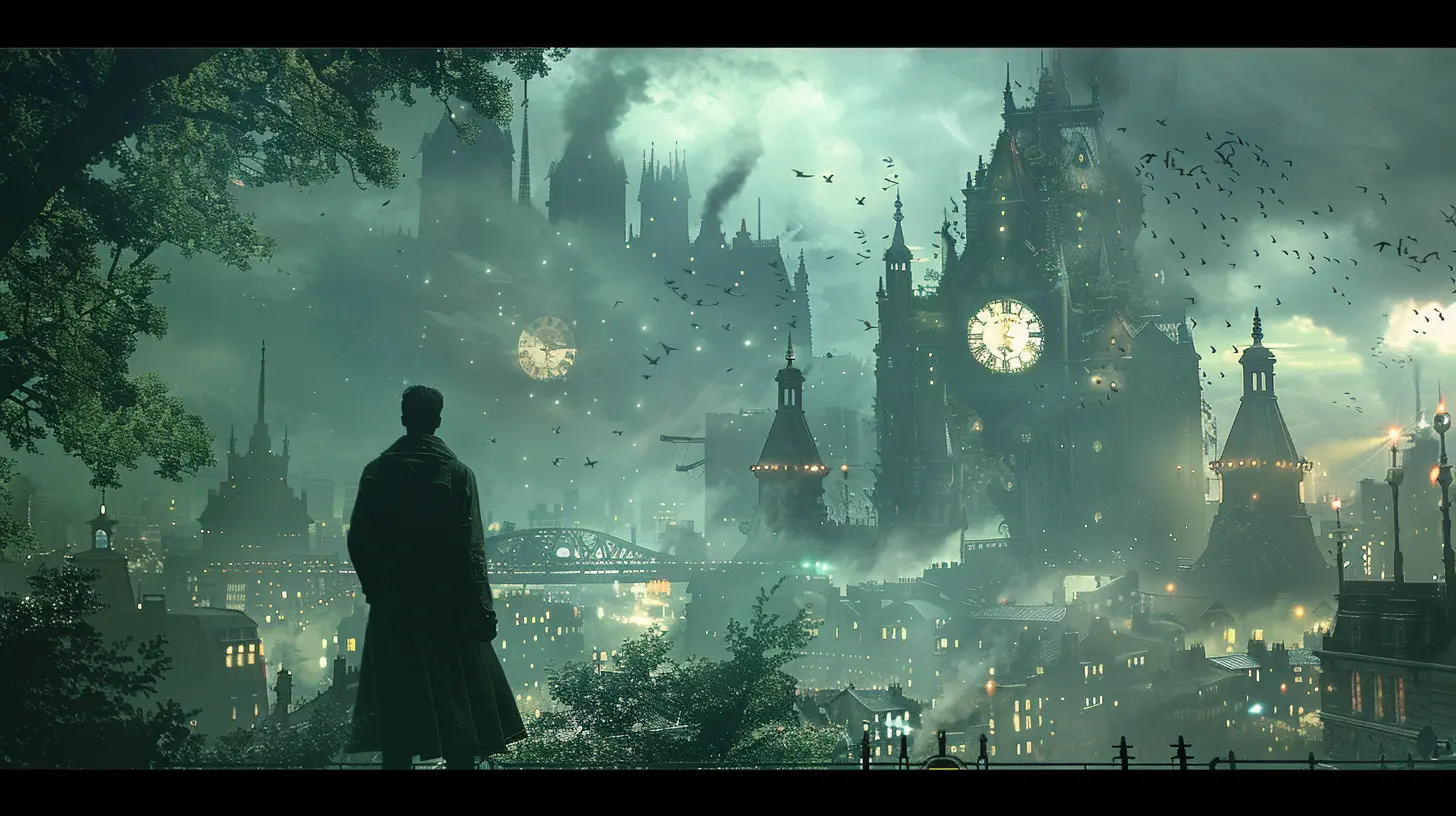
Why Do Flashbacks and Time Travel Work So Well in Games?
Here’s the thing: games are an interactive medium. Players aren’t just observing—they're actively participating. So when narrative devices like flashbacks or time travel are introduced, it’s not passive storytelling anymore.1. Boosting Emotional Engagement
We connect more with characters when we witness their past—especially their pain, regrets, or dreams. Flashbacks make characters feel whole, layered, and relatable. It's like peeling an onion (minus the tears… unless you're playing Red Dead Redemption).2. Creating Mystery and Suspense
A well-placed flashback can act like a breadcrumb, dropping just enough info to keep you guessing. It adds a layer of mystery that keeps players hooked. Meanwhile, time travel often creates tension—will you change the right thing? What if you mess it all up?3. Making Players Feel Powerful
Time manipulation isn’t just cool—it feels empowering. When a game gives you control over timelines, it puts you in the driver’s seat of the story. You’re not just reacting; you’re shaping the narrative. And let’s be real: that’s pretty badass.
Games That Nail Flashbacks and Time Travel
Now let’s look at a few games that use these techniques brilliantly. Ready for some virtual time-hopping?The Legend of Zelda: Ocarina of Time
Let’s start with a classic. Ocarina of Time doesn't just jump timelines—it makes you grow up (literally). Link travels seven years into the future, and you can still jump back and forth to solve puzzles and unfold the story. Playing as young Link and older Link helps you feel the weight of time passing and the cost of your journey.Life is Strange
This one is a time-travel masterclass. Max Caulfield discovers she can rewind time, which gives you the power to change outcomes. But here's the catch—it comes with consequences. The butterfly effect is in full swing, and that keeps tension high. Emotional, unpredictable, and thought-provoking? Check, check, and check.God of War (2018)
This game uses flashbacks subtly but effectively. They’re not constant, but when they hit, they hit hard. Kratos’s past as a ruthless god-slayer slowly unravels, showing why he's so desperate to shield Atreus. The emotional layering makes his journey from monster to father incredibly impactful.Bioshock Infinite
In a word? Mind-blowing. This game doesn’t just dabble with time, it dives right into multi-dimensional storytelling. You’re flipping between timelines, confronting multiple versions of yourself, and unraveling a twisted narrative web. It’s confusing at times—but in a good way. By the end, you’re left questioning everything, which is kind of the point.Design Benefits: More Than Just Storytelling
Flashbacks and time travel also enhance game design in subtle ways. It's not all plot and drama—these devices make games better mechanically, too.1. Variety in Gameplay
Jumping through time allows developers to create diverse scenarios and environments. You go from war-torn cities to peaceful towns. From a sunlit past to a dark future. This keeps gameplay fresh and exciting.2. Building Deeper Worlds
When you explore a world across different times, you notice how places change. A crumbling castle in the present might be a bustling fortress in the past. It gives players a deeper appreciation of the world and its lore.3. Pacing and Control
Flashbacks can break the monotony. Say you’re slogging through mission after mission—then boom, a flashback cuts in, giving you a breather while also enriching the story. Time travel can offer puzzle-solving challenges that rely on sequence and cause-and-effect, giving your brain a pleasant workout.The Emotional Punch: Making Stories Stick
Humans are nostalgic creatures. We remember our past, we hope for the future, and we constantly wonder what could’ve been. Game developers know this, and they use flashbacks and time travel to tap directly into those emotions.It’s not just about gameplay variety; it’s about storytelling that mirrors life. Have regrets? What if you could go back? Wish you could freeze a moment forever? Games let you live that fantasy… while showing you the consequences.
That emotional resonance? That’s what makes stories stick.
Challenges and Pitfalls of Time-based Storytelling
Now it’s not all sunshine and rainbows. These tools, when misused, can confuse players or even break immersion.1. Overcomplicating the Plot
If timelines get too tangled, players might lose track of what's happening. We've all had that "wait, what just happened?" moment. Time loops can be fun—but only if they’re not frustrating.2. Disrupting Gameplay Flow
Too many flashbacks in a row? It might kill the game’s pacing. Developers have to balance storytelling with gameplay to keep things fluid.3. Narrative Inconsistencies
Time travel opens the door to paradoxes and plot holes. If not handled carefully, it can make a story feel sloppy or unbelievable. Consistency is key.What Makes Time-based Storytelling Work?
So how do you implement flashbacks and time travel without confusing the heck out of your players?1. Clear Visual and Audio Cues
Use filters, music, or effects to signal a shift in time. This helps players mentally prepare for the switch, keeping immersion intact.2. Integrated Gameplay Mechanics
If time manipulation is tied into gameplay—like rewinding time to solve puzzles or jumping into a flashback to unlock memories—it feels natural and engaging.3. Emotional Purpose
Don’t just throw in a flashback because it’s cool. It should add emotional weight or explain character motivation. If it doesn't serve the story, it’s just noise.The Future of Temporal Storytelling
As tech improves, expect storytelling to get even more complex and immersive. Games like Cyberpunk 2077 and the upcoming Starfield hint at deeper narrative capabilities.Imagine AI-driven NPCs that remember choices across timelines. Or VR games that let you physically step into a memory. The possibilities? Kinda endless.
Time will always be part of human storytelling. In games, it’s not just a mechanic—it’s poetry. When done right, flashbacks and time travel elevate stories from great to unforgettable.
Final Thoughts
Flashbacks and time travel aren’t just storytelling flavors—they’re the secret sauce. They give players emotional depth, narrative freedom, and gameplay variety. More than that, they allow us to connect with characters and worlds in ways that feel personal and powerful.So the next time a game throws you into the past or lets you mess with the future, embrace it. You're not just playing a game—you're bending the very fabric of its reality, one timeline at a time.
Now, if only we could flashback to when we had more free time to game all day, right?
all images in this post were generated using AI tools
Category:
Game NarrativesAuthor:

Greyson McVeigh
Discussion
rate this article
1 comments
Faith McAllister
Time travel in games: because who doesn't want to fix their past mistakes... or make new ones?
July 9, 2026 at 3:36 AM
Greyson McVeigh
Exactly! Time travel adds depth, allowing players to explore choices and their consequences in unique ways. It makes storytelling in games even more engaging.