How Expansions Reflect Changing Player Preferences
10 February 2026
Let’s face it—video games are like pizza. They’re already delicious, but sometimes, you just want more toppings. Maybe pepperoni doesn’t cut it anymore. Maybe you want anchovies, pineapple, or… I don’t know, marshmallows? (Hey, we don’t judge.)
That’s where expansions come in. Whether we’re talking chunky DLCs, hefty content updates, or full-blown standalone expansions, these gamer goodies are more than just extra levels or shiny loot. They’re a mirror—reflecting our ever-evolving tastes, demands, and gaming quirks back at us.
In this article, we’re pulling back the curtain on how expansions are shaped by what players secretly (or not-so-secretly) crave. So buckle up, grab your favorite snacks, and let’s dive into how expansions change as we do.
🎮 What Are Expansions, Anyway?
Alright, let’s get the basics out of the way.Expansions are like a sequel’s younger, cooler sibling. They pick up where the core game left off and throw in new content—like maps, quests, characters, mechanics, and sometimes, even an entirely different vibe.
Think of them as your favorite game going through a glow-up. And over the years, these add-ons have gone from simple content patches to carefully crafted feedback-fueled evolution machines.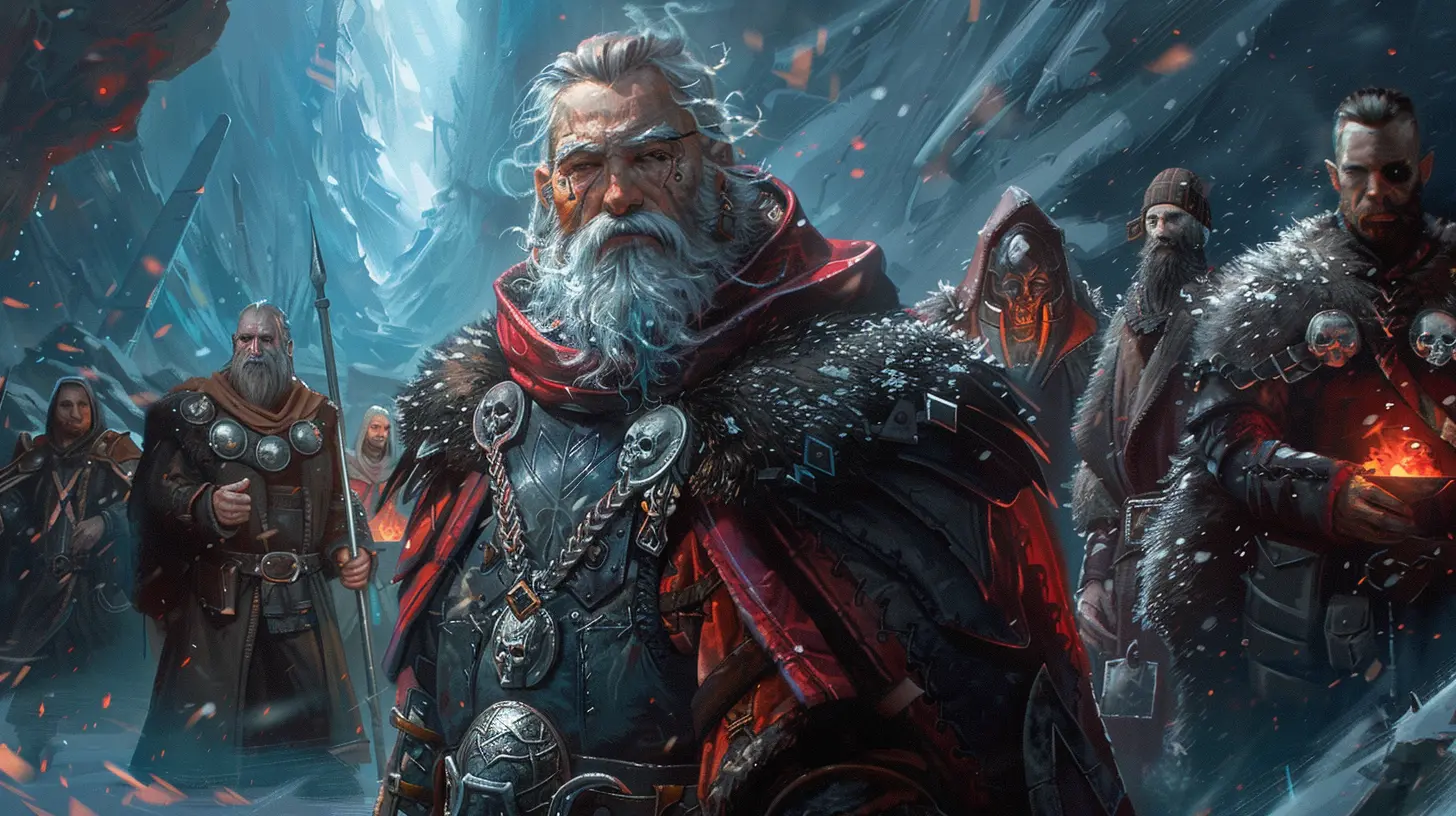
📈 The Evolution of Gaming Tastes: A Never-Ending Plot Twist
Do you remember when games used to be linear, challenging, and didn’t hold your hand? Fast forward a few years, and now players want choice, freedom, and yes—an emotional pet sidekick that can do tricks.Gaming preferences change faster than loading screens in a retro RPG. And expansions? They’re the first responders.
Here’s how these virtual chameleons adjust to us: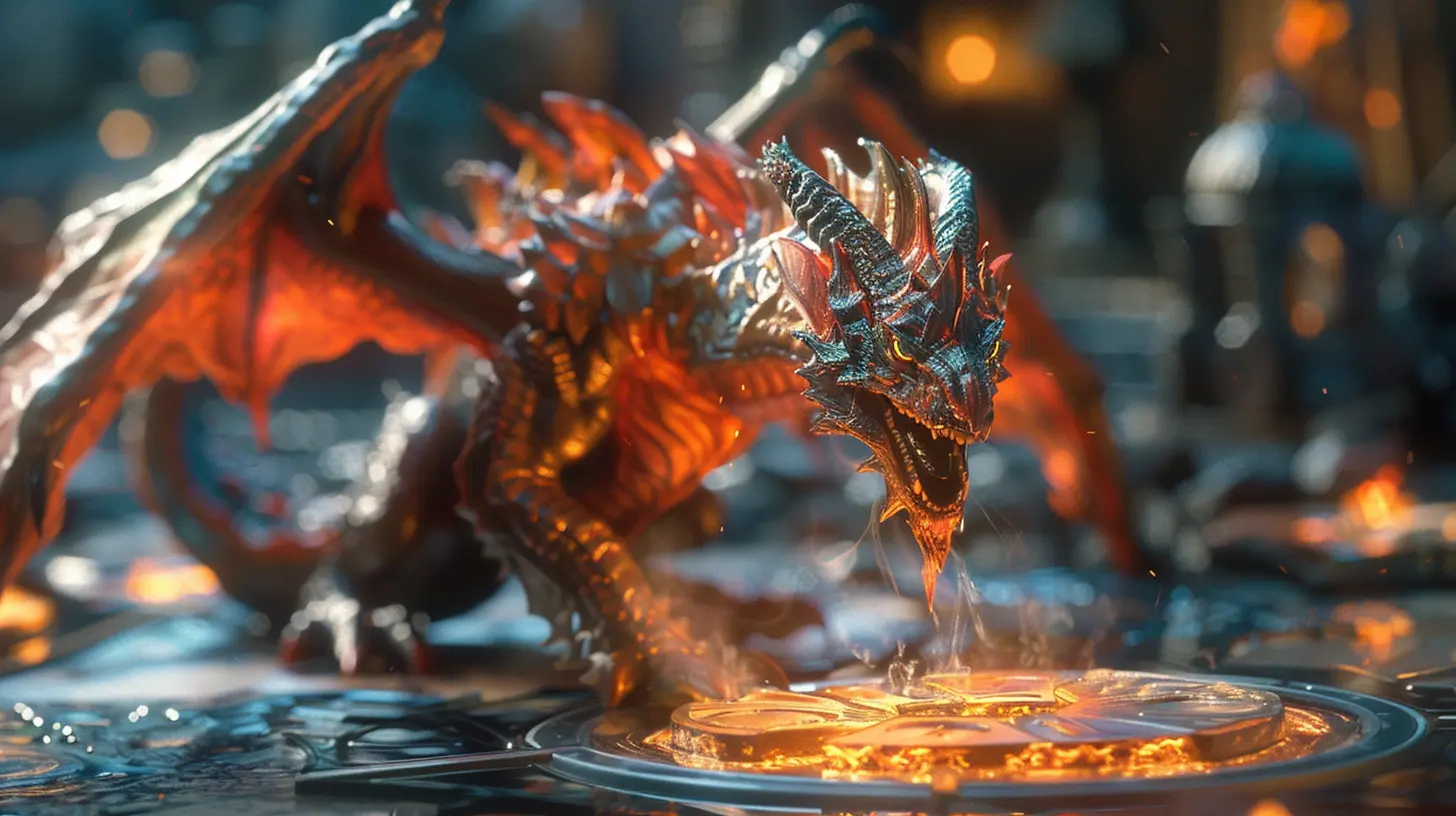
👥 From Solo to Squad Goals
Remember when we were content slaying dragons solo in our dusty wizard robes? Those were simpler times. But now, we want to grind with friends, tackle bosses with guildmates, and earn loot together.That’s why so many expansions are going multiplayer. Look at games like The Elder Scrolls Online or Destiny 2. Cooperative gameplay, clan features, shared world events—they’re baked into nearly every new update. Why? Because we, the players, want the bragging rights and the squad bonding.
Even story-heavy games like The Division 2 started implementing raiding and team-based missions in expansions. The message is clear: gaming today is a group project.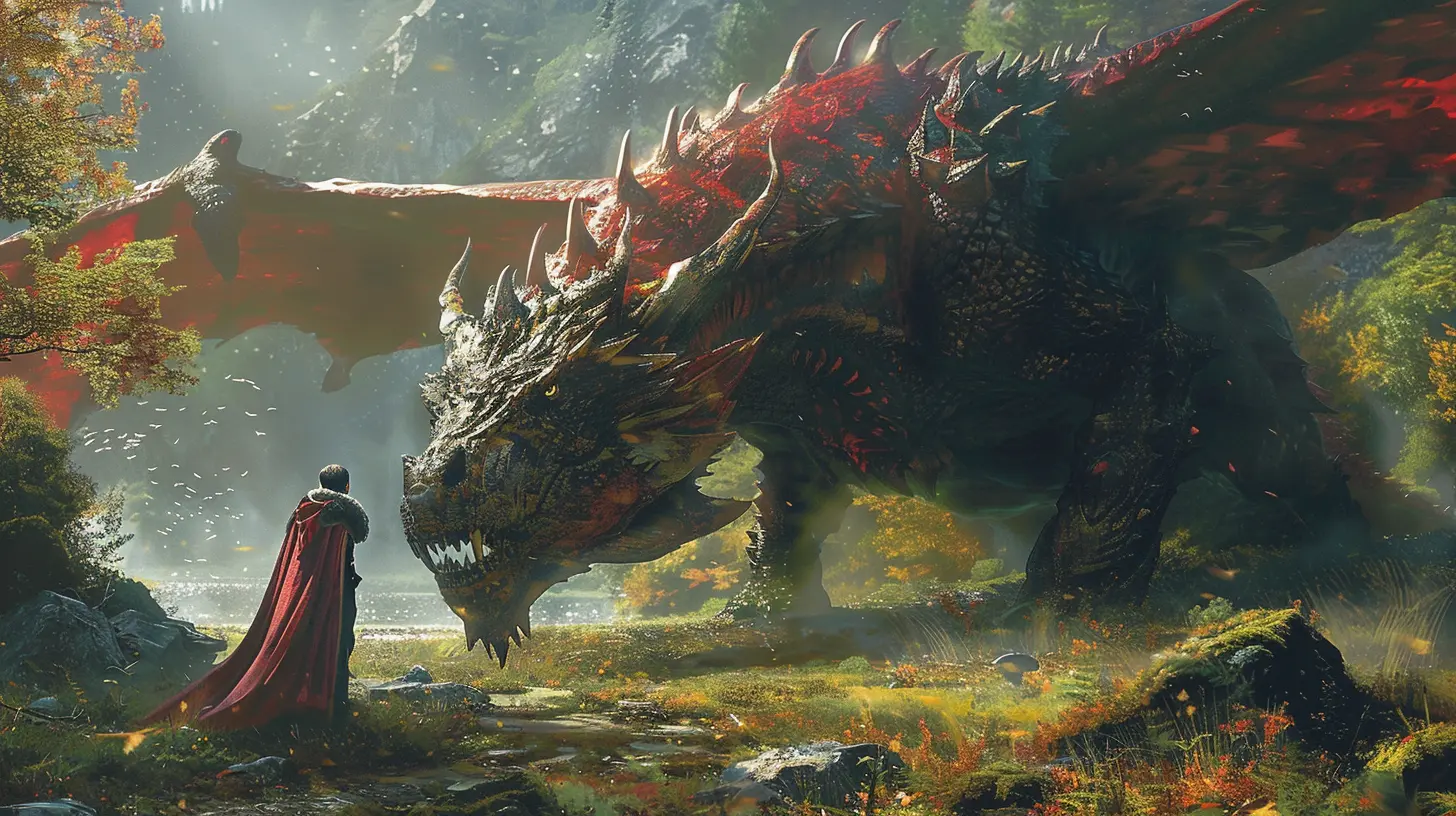
🧠 Smarter Expansions for Smarter Players
Let’s not sell ourselves short—we’re smart cookies. We read lore (sometimes). We expect plot twists. We analyze meta. And developers? Oh, they noticed.Early expansions were often a bit like a second date that brought too much baggage—you got more but not necessarily better. But now, expansions are dense with narrative cohesion, moral choices, and worldbuilding that respects your brainpower.
A perfect example? The Witcher 3: Blood and Wine. It wasn’t just another monster hunt. It gave us political drama, philosophical dilemmas, and finally, some closure (Geralt needed a break, okay?).
We’ve shown devs we love rich stories—and they’ve responded in kind.
🏗️ More Building, Less Breaking: Sandbox & Player Autonomy
Games like Minecraft, Terraria, and now Valheim cracked the code. Players don’t want to just “complete objectives” anymore. We want to build, create, and shape the world our way.Expansions followed suit. Instead of just drop-kicking us into a new dungeon, they give us more tools to shape the experience. The Sims expansions, for instance, don’t just add houses—they add lifestyles. Want your Sim to become an eco-warrior or build a jungle retreat? Go for it.
Game creators realized players are no longer just reacting to the game—they want to interact with it. Control, creativity, and chaos—expansions now give us all three.
🔄 Replayability Is King
Games used to be “one and done.” Not anymore.Players want endless reasons to come back—seasonal events, reward ladders, prestige mechanics, you name it. Expansions that offer replayability aren’t just nice—they’re expected.
Take Diablo III’s Reaper of Souls expansion. It added Adventure Mode and endless Nephalem Rifts, transforming the game from a finite story to an infinite playground of demon-slapping mayhem.
Expansions today lean into this hard. Dynamic quests, randomized dungeons, roguelike mechanics—it’s all about giving you that “just one more run” feeling. And we’re not mad about it.
💀 Difficulty? Yes. But Make It Optional.
There was a time when expansions cranked up the difficulty just to say, “Hey, you thought the base game was tough? Hold my sword.”But guess what? Not everyone wants Dark Souls levels of punishment after a long day at their desk job. Sometimes, players want a challenge. Other times, they just want to enjoy the world, hoard loot, and vibe to the music.
That’s why flexible difficulty settings, casual modes, and accessibility features make their way into expansions now. Developers are tuning into that “play your way” mindset.
And when games let players shape their path—hardcore or cozy—they build a deeper connection. We love that.
🌍 Diversity, Representation, and Inclusive Content
Let’s talk real talk.Expansions are starting to reflect the fact that gamers are a diverse crowd, and we want stories that represent us. Whether it’s empowering female protagonists, LGBTQ+ narratives, or global cultural influences—players expect thoughtful representation.
Mass Effect’s expansions let players explore relationships in deeper, more inclusive ways. Assassin’s Creed has been slowly opening its doors to different cultures and mythologies in its expansions—Valhalla’s Druids, anyone?
It’s not just about ticking boxes—it’s about letting players see themselves in the world they escape into.
🧪 Experimentation Without Risking the Core Game
One of the best things about expansions? Developers get to roll the dice a little.Want to try survival mechanics in an otherwise linear RPG? Toss it into an expansion.
Curious about whether players would enjoy a villain-protagonist twist or a time-travel arc? Put it in an add-on.
Expansions are like the test kitchen of the gaming world. They let devs add spice without risking the whole stew. And if something clicks? Boom—it might become the foundation of the next sequel.
🎁 More Than Just Content—Community
Modern expansions aren’t just for content—they’re for connection.Live service games know this well. When an expansion drops, it’s an event. Streams explode. Forums light up. Memes fly like magic missiles. It’s a shared experience that brings the community back.
And with features like crossplay, shared progression, and global events, these expansions foster more than gameplay—they create memories.
You’re not just grinding for loot. You’re hanging out with friends, arguing over which new weapon is OP, and sharing your ugliest screenshot from character creation.
🕹️ The Feedback Loop: Players, Devs, and Everything in Between
What’s the secret sauce? Communication.Players today are vocal. We tweet, post, review, and maybe cry a little when our favorite class gets nerfed. Developers have learned to listen—and expansions are often a direct response to what we, the community, ask for.
Games like No Man’s Sky went from cautionary tale to comeback king thanks to updates and expansions that answered player feedback. Pokémon recently adapted open-world styles and difficulty options in their newer expansions based on what fans begged for.
Expansions aren’t static—they’re conversations. And that’s powerful.
🔮 The Future: Where Are Expansions Heading?
With AI-driven NPCs, procedural storytelling, realistic physics, and more cross-platform play on the horizon, expansions are only going to get weirder. (In the best way.)Imagine an expansion that evolves based on how you play. Or a companion that grows emotionally attached depending on your dialogue choices—and maybe throws some shade if you ignore them too much.
As technologies evolve and players get even more specific with their wants, expansions will keep being the flexible, ever-morphing answer to our wildest gaming dreams.
And honestly? We’re here for it.
Final Thoughts: Expansions Are Love Letters to the Players
At the end of the day, expansions aren’t just shovelware tacked on to make a quick buck (well, not the good ones, anyway).They’re reflections. They show where the game has been, where it’s going, and most importantly, what players like you and me care about.
So the next time your favorite game drops an expansion with a weird mechanic, a brand-new storyline, or even a cuddly pet fox you can ride—remember: that’s not just content. That’s game devs tipping their hats and saying, “Hey, we see you.”
And we appreciate it.
all images in this post were generated using AI tools
Category:
Game ExpansionsAuthor:

Greyson McVeigh
Discussion
rate this article
2 comments
Dominic Wyatt
Absolutely! Expansions are a testament to the dynamic nature of gaming and how developers adapt to our evolving preferences. They not only enrich our play experiences but also foster community engagement. Embrace the journey of growth and change—every expansion brings new adventures! Keep gaming!
February 16, 2026 at 5:40 AM
Greyson McVeigh
Thanks for your insightful comment! I completely agree—expansions truly highlight how developers respond to player preferences and enhance the gaming experience. Happy gaming!
Delta McQuiston
Insightful perspective, well done!
February 10, 2026 at 4:45 PM
Greyson McVeigh
Thank you! I'm glad you found it insightful!