From Board Games to Digital Platforms: The Evolution of Social Gaming
2 December 2025
Social gaming has come a long way, hasn’t it? I mean, think about it. From sitting around a rickety table with a deck of battered cards to battling it out with friends across the globe in an immersive digital world—it's wild how far we've come! Social gaming has transformed drastically over time, adapting to the needs of each generation, and it’s more than just a pastime now. It’s a culture. A lifestyle. A way to connect and play.
But how did we end up here? How did those old-fashioned board games evolve into modern-day multiplayer masterpieces? Let’s dive right in and explore the fascinating journey of social gaming, from its humble beginnings to its digital revolution. 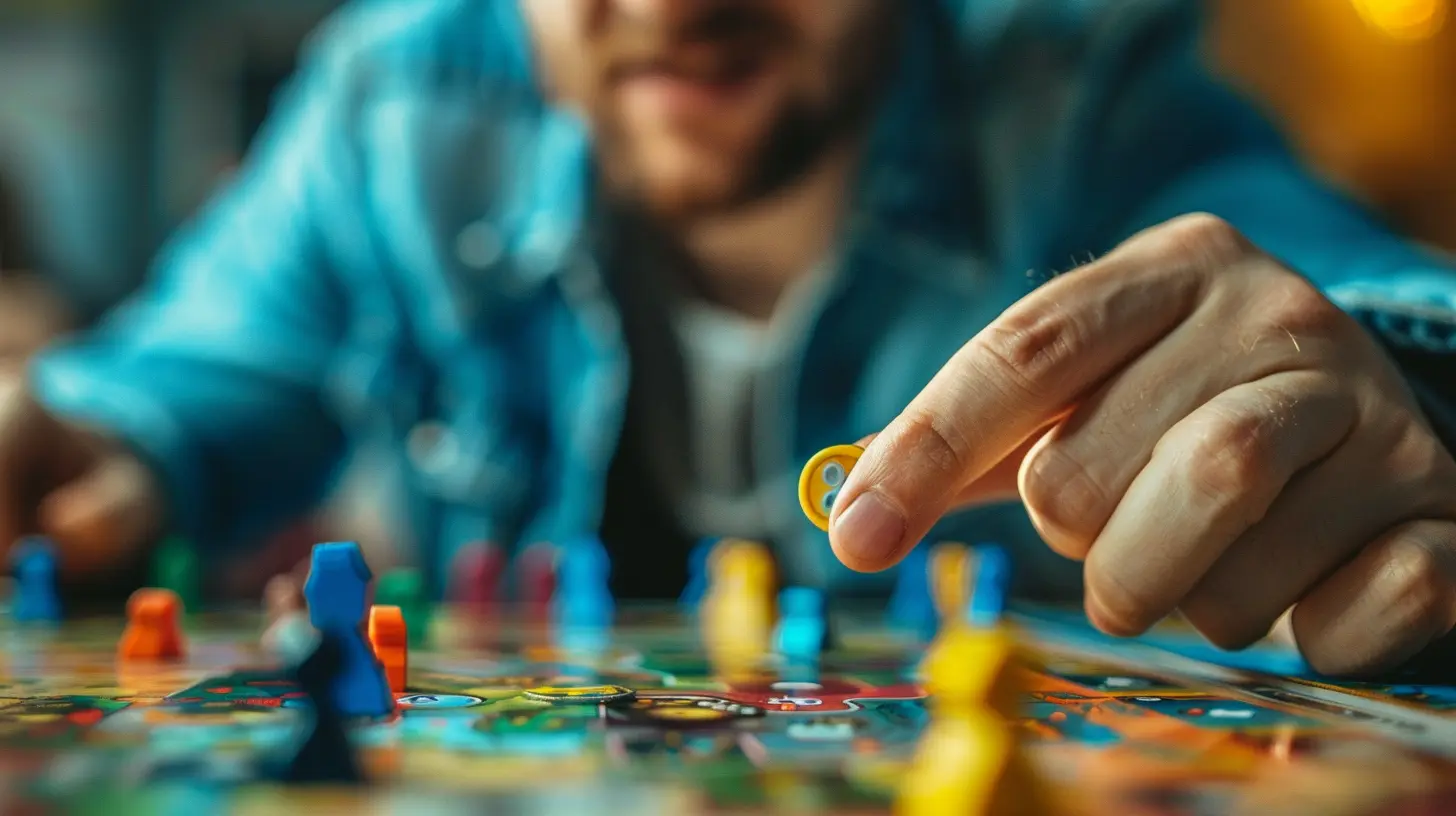
The Humble Beginnings: Board Games That Started It All
It all started with good ol’ board games, didn’t it? Long before screens and controllers took over, board games were the heart and soul of social gaming. Games like Chess and Go go back centuries. People would sit face-to-face, strategizing, laughing, and sometimes flipping the board in frustration (we’ve all been there).Some of the earliest board games were designed not just for entertainment but also as tools to teach strategy and skills. For example, Chess—a game of wits and tactics—was like mental gymnastics for the brain. And then came the family-centric classics like Monopoly, Scrabble, and Clue. These games didn’t just rely on strategy; they hinged on interaction and bonding.
Remember those epic family gatherings when a simple game of Uno turned into a battle of wills? Yeah, board games were more than just games. They were catalysts for connection, moments that brought people together. 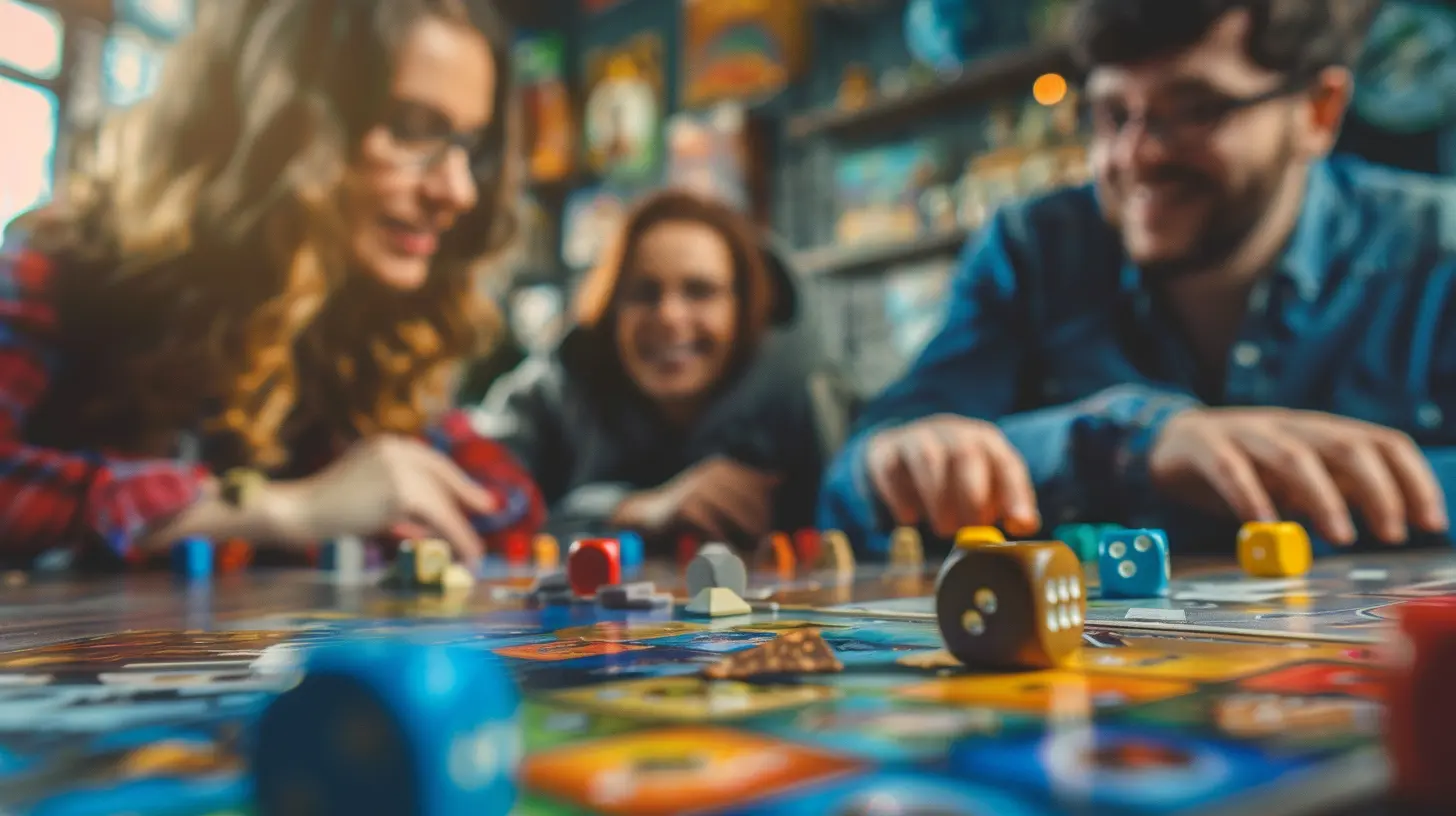
Arcade Machines: The Dawn of Digital Competition
Fast-forward to the 1970s and 1980s, and gaming took its first steps into the digital realm. Enter: arcade machines. These neon-lit cabinets were the holy grail of social gaming for that era.You’d walk into an arcade, and it wasn’t just about playing; it was about proving your skills. Who could get the high score in Pac-Man or dominate the day in Street Fighter? It was a public showdown, a way to compete while crowds of other players cheered (or jeered) you on.
Arcade machines turned gaming into a communal experience—no longer confined to homes or family game nights. They planted the seed for competitive gaming, right in the heart of gaming culture. 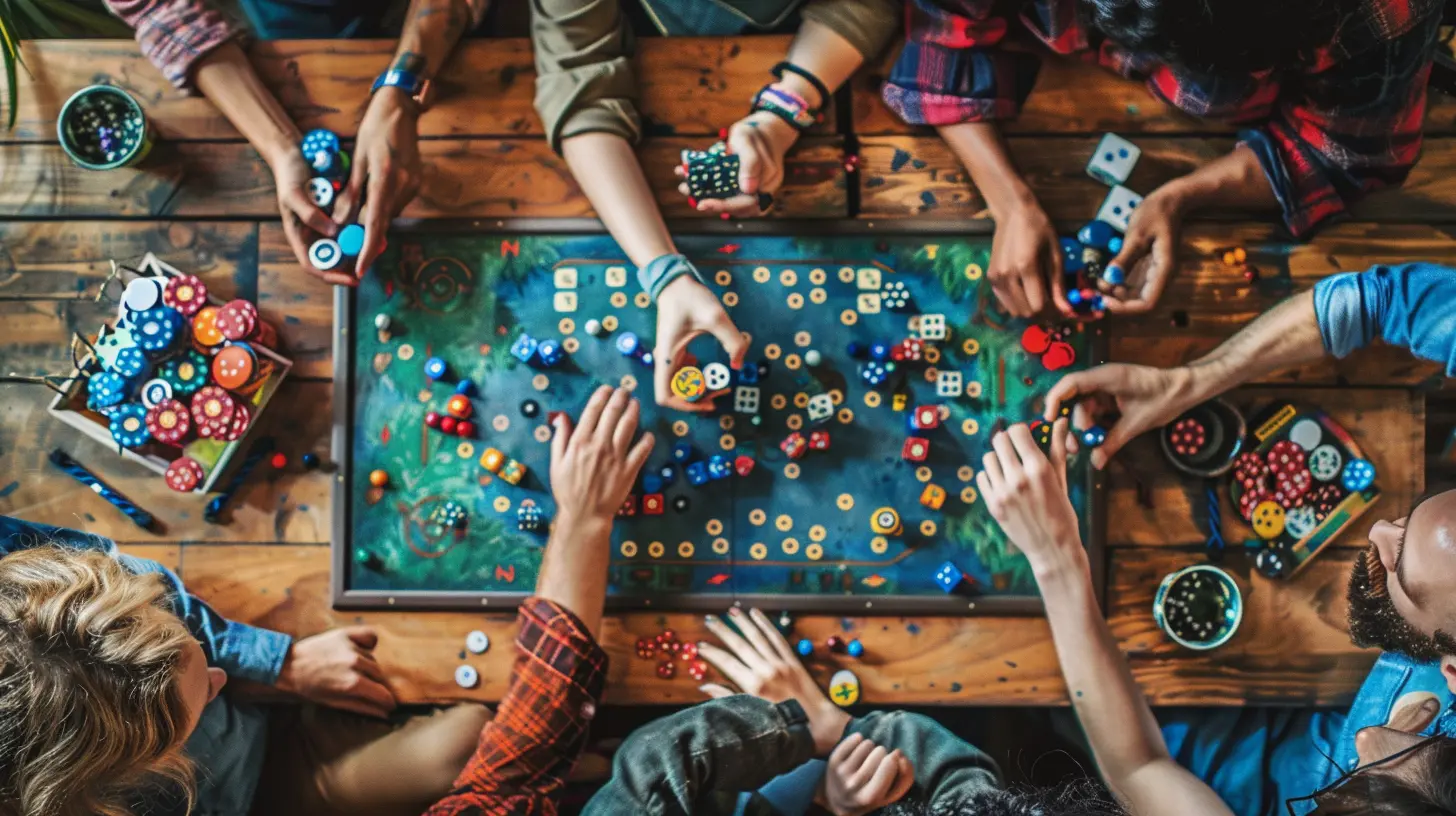
Home Consoles: Gaming Gets Personal
The next big leap? It came when gaming moved from arcades to our living rooms. The introduction of home gaming consoles in the late 80s and early 90s—like the Nintendo Entertainment System (NES) and Sega Genesis—was revolutionary.These consoles brought friends and families together. You weren’t just playing; you were sharing experiences. Whether it was taking turns in Super Mario Bros. or teaming up in Contra, gaming started to feel more personal.
Split-screen multiplayer games, like GoldenEye 007 or Mario Kart, were peak social gaming. They defined the childhoods of many 90s kids (shoutout to the couch co-op warriors of that time). It wasn’t just about winning. It was about the laughter, the playful trash-talking, and the memories created with friends and siblings. 
The Birth of the Internet Era: Online Multiplayer Gaming
Then came the internet, and honestly, it changed everything. With online multiplayer games, social gaming left the confines of local gatherings. Suddenly, you could play with anyone, anywhere, anytime.Games like Quake and Counter-Strike in the late 90s paved the way for massive online gaming communities. Players weren’t limited to their neighborhood friends anymore. They could join clans, participate in tournaments, and immerse themselves in a global gaming culture.
And then there was World of Warcraft (WoW). If you were around in the early 2000s, you know what I’m talking about. WoW didn’t just build a game; it built a universe. An entire world where millions of players interacted, formed alliances, and battled together.
Online gaming wasn’t just about competition anymore. It became a way to socialize in a virtual world—an entirely new kind of connection.
The Rise of Mobile Games: Social Gaming in Your Pocket
Enter smartphones, and suddenly, gaming was literally at our fingertips. Mobile games exploded onto the scene, giving rise to quick, casual gaming experiences that anyone could enjoy.Games like Words with Friends, Clash of Clans, and Candy Crush were insanely popular for good reason. They were accessible and easy to play, yet still competitive. Plus, you could challenge your friends or team up with them without needing a fancy console or PC.
Think about how addictive it felt to crush your friend's high score or send them a cheeky game invite while waiting in a line. Mobile games made social gaming more spontaneous and, well, social.
The Digital Renaissance: Modern Multiplayer Gaming
Now let’s talk about the current era. Social gaming has leveled up, big time. Multiplayer games are more sophisticated than ever, with platforms like Steam, Xbox Live, and PlayStation Network making it easier to connect with friends (or strangers) in an instant.Games like Fortnite, Among Us, and Call of Duty: Warzone are prime examples of how social gaming has evolved. These games combine high-stakes competition with moments of pure fun and collaboration.
But here’s the thing—modern multiplayer games aren’t just about playing. They’re about creating. Platforms like Minecraft, Roblox, and The Sims allow players to build worlds and tell their own stories. Creativity and connection are at the forefront of today’s social gaming experience.
Streaming and Esports: Gaming Meets Entertainment
Did you ever think gaming would become a spectator sport? Well, that’s exactly what esports and streaming platforms like Twitch have done. Now, people don’t just play games—they watch and cheer for them like they would in any major sporting event.Streamers interact with their fans while playing games live, creating a whole new kind of social experience. You’re not just playing or watching; you’re part of a community.
And esports? It’s bigger than ever. Competitive gaming tournaments, like League of Legends World Championship or The International (for Dota 2), draw millions of viewers. It’s like the Super Bowl, but for gamers.
The Future of Social Gaming: What’s Next?
So what’s next for social gaming? Honestly, it feels like the possibilities are endless. With advancements in virtual reality (VR), augmented reality (AR), and cloud gaming, the future is looking pretty darn exciting.Imagine putting on a VR headset and sitting across a virtual table from your friends to play Monopoly or teaming up in a fully immersive first-person shooter. It’s not just sci-fi anymore—it’s happening. And then there’s the metaverse (you’ve heard of it, right?). It’s shaping up to be the ultimate playground for social gaming, where virtual worlds will blend seamlessly with real-world interactions.
Social gaming has always been about connection at its core. And as technology evolves, so too does our ability to connect in ways we never thought possible.
Conclusion: Gaming Is More Than Just a Game
From old-school board games to cutting-edge virtual reality, social gaming has evolved into something extraordinary. It’s not just about playing anymore; it’s about building relationships, creating memories, and being part of something bigger than yourself.So, the next time you team up with your friends for a digital battle royale or revisit a classic board game on a rainy Sunday afternoon, take a moment to appreciate how far social gaming has come. It’s more than just a hobby—it’s a journey we’re all on together.
all images in this post were generated using AI tools
Category:
Social GamesAuthor:

Greyson McVeigh
Discussion
rate this article
2 comments
Noemi McGuffin
Exciting journey! Digital platforms truly revolutionize social gaming experiences.
December 19, 2025 at 4:10 AM
Greyson McVeigh
Thank you! It’s fascinating to see how digital platforms have transformed social gaming and connected players worldwide.
Alexa Peterson
The transition from board games to digital platforms has revolutionized social gaming, fostering global connections and enhancing gameplay experiences. This evolution not only reflects technological advancements but also redefines how we interact and engage socially.
December 4, 2025 at 3:38 AM
Greyson McVeigh
Thank you for your insightful comment! Indeed, the shift to digital platforms has transformed social gaming, creating new opportunities for connection and interaction across the globe.