Why Expansions Are Essential for Open-Ended Games
17 January 2026
So, you've sunk 100+ hours into your favorite open-ended game. You've built the strongest base, unlocked the rarest loot, maybe even bent the in-game economy to your will. But now what? That thirst for "just a bit more" starts creeping in. This is where expansions come in—those glorious digital packages that breathe fresh life into the worlds we love.
Expansions aren’t just DLCs with side content or new skins. They’re the secret sauce that keeps open-ended games from going stale. They add depth, challenge, and new layers to the gameplay we’re already obsessed with.
Let’s dive into why expansions aren’t just nice-to-haves—they’re absolutely essential for open-ended games.
The Nature of Open-Ended Games
Open-ended games are beasts of their own kind. We're talking about games like Skyrim, Minecraft, The Sims, Civilization, and No Man's Sky. These titles have no strict "end." You make your own goals, carve your own path, and create your own stories.But here's the catch: even the most open sandbox has limits. Eventually, you’ve seen almost everything the game world has to offer. You either start over, mod it, or... hope for new content that pushes those boundaries further. That's exactly what expansions are designed to do.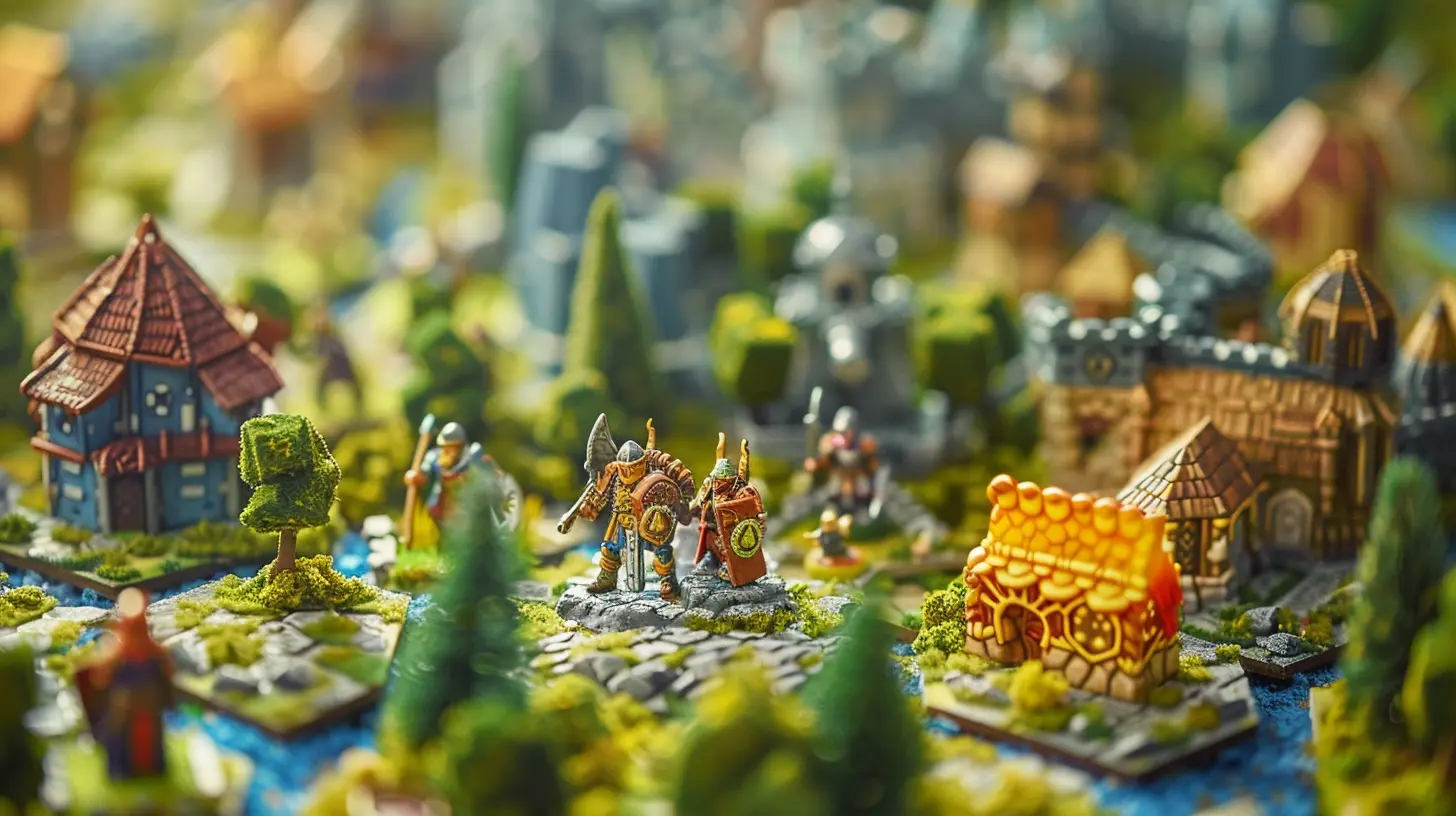
Keeping the Fire Alive: Why Players Crave More
Let’s be real. Gamers are a passionate bunch. We don’t just play—we invest. Time, energy, sometimes even emotion. When a world captures our imagination, it's like falling into a book you never want to finish. Expansions give us permission to keep turning the pages.They rekindle that "first-time" feeling. New mechanics? Count us in. Fresh quests? Say no more. Entire new planets or cities to explore? Shut up and take my money!
The longer a game can keep providing fresh, meaningful experiences, the stronger its community becomes. And for open-ended games, communities are everything.
Expansion Packs vs. Base Game Content: What’s the Difference?
You might be thinking, “Why not just include all this in the base game?” Good question, but here's the tea.Game development isn't a one-and-done deal. Studios work with budgets, timelines, and technological limits. The base game has to be a finished, polished product that can stand on its own. Expansions, on the other hand, are like sequels with the benefit of an established foundation.
It’s like baking a cake. The base game is your sponge. Expansions? They’re the icing, the filling, the sprinkles, and the cherry on top. You can eat the cake without them, sure—but why would you?
How Expansions Affect Gameplay Depth
A good expansion isn’t just more content—it’s smarter content.Ever noticed how an expansion can completely flip the meta? Maybe it adds a powerful new faction or a game-altering mechanic that forces even the veterans to reevaluate their strategies. That’s not just fluff. That’s design evolution.
For example:
- In Civilization VI, expansions like "Gathering Storm" added climate change and natural disasters, making your long-term planning way more complex.
- The Sims 4’s "Seasons" expansion altered how you play all year round, influencing careers, relationships, gardening—you name it.
- Fallout New Vegas' "Old World Blues" turned the familiar into sci-fi chaos, adding new layers of storytelling and lore.
Expansions challenge us to unlearn what we’ve mastered. Suddenly, things aren’t so predictable. That’s gameplay depth you feel.
The Power of Narrative Expansions
Narrative is a huge deal for many open-world titles. You remember the twists, the morally grey choices, the NPCs you got too attached to.A strong narrative expansion is basically a mini-sequel. It gives developers the chance to explore story arcs that didn’t fit into the main game, introduce memorable new characters, and enrich the lore. And for fans? It’s like revisiting your favorite universe but seeing it with fresh eyes.
Think about Mass Effect’s "Lair of the Shadow Broker" or The Witcher 3’s "Blood and Wine"—these weren’t just add-ons. They were stories that could stand on their own, yet felt deeply connected to the core experience.
Expansions Fuel Player Retention
Let’s look at the business side for a sec, because it actually matters.Game studios want to keep players engaged long-term. Why? Because active players are more likely to spend money, share the game with friends, and keep the community alive. Expansions are one of the simplest, most effective ways to do this.
Every new expansion is a reason for players to come back.
It creates a loop:
1. Expansion drops.
2. Old players return.
3. New players get intrigued.
4. Community booms again.
Rinse and repeat.
Modding and Expansions: The Dynamic Duo
Modding communities and expansions go hand-in-hand like peanut butter and jelly.While modders are fantastic at tweaking features, fixing bugs, or adding fan-made quests, they usually work within the limits of the base game. An expansion, however, gives both devs and modders new tools, mechanics, and environments to play with.
That synergy keeps the game alive for YEARS.
Look at Skyrim. Its official expansions—Dragonborn, Dawnguard, and Hearthfire—not only added hours of gameplay, but also became building blocks for some of the best mods out there. Expansions amplify the modding potential exponentially.
Multiplayer and Expansions: Rebuilding the Playground
If you’re into multiplayer open-ended games—MMORPGs or sandbox survival sims—then you know how crucial expansions are to keeping things fresh.In titles like Elder Scrolls Online or World of Warcraft, expansions aren't just new stories—they reshape the entire ecosystem. New classes, raids, zones, dungeons, and PvP content force players to rethink team compositions, community strategies, and even social dynamics.
It’s like hitting the reset button, without losing your progress. Everyone starts fresh together, exploring the unknown side by side.
Encouraging New Playstyles
Have you ever played a game one way for so long, you almost forgot other options existed? Yeah, guilty.Expansions are great at nudging players out of their comfort zones.
Maybe a new expansion introduces underwater mechanics, or spaceship piloting, or base-building in extreme biomes. Suddenly, you’re seeing the game through a completely different lens.
These changes encourage experimentation and teach players new ways to engage with familiar systems. And let’s face it—trying something new is way more satisfying when it’s baked into the game’s design than when you're forcing it yourself.
Extending the Game's Lifecycle
Let’s not sugarcoat it—games are expensive. Both for you and the developers.So when you find a game you love, and the devs commit to supporting it with expansions, that’s a win-win. You get more content for your money, and they get extended shelf life for their product.
Some games literally survive on expansions. Think about how The Sims has been doing it for decades. Or how Destiny and Warframe thrive through a constant loop of seasonal updates and full-blown expansions.
Instead of moving on to the next big thing, we get to deepen our relationship with the current one.
The Emotional Comeback
Here’s something most people don't talk about: expansions often trigger a deep emotional reaction.They make us nostalgic.
When an expansion drops, it’s like reuniting with an old friend who’s gone through some exciting changes. You remember why you fell in love with the game in the first place, and that spark reignites.
Suddenly, that loading screen music hits differently. The first steps into the new zone feel like stepping into uncharted territory, full of promise.
That emotional connection? It’s gold. And expansions are the easiest way to revive it.
Wrap-Up: Why Expansions Are Non-Negotiable
Let’s keep it straight—when it comes to open-ended games, expansions aren’t just bonus content or optional fluff. They are vital. Crucial. Non-negotiable.Here’s the quick recap:
- They re-engage veterans and attract new players
- They push gameplay boundaries with fresh mechanics
- They deeply expand the lore and storylines
- They support thriving player communities and modding
- They extend a game’s lifespan by years, not weeks
If open-ended games are giant playgrounds, then expansions are new slides, monkey bars, and secret tunnels that keep us climbing, discovering, and chasing the next thrill.
So next time someone asks, “Why not just finish the game and be done with it?”, hit them with this knowledge bomb: open-ended games aren't about finishing. They're about growing—and expansions are how they evolve.
all images in this post were generated using AI tools
Category:
Game ExpansionsAuthor:

Greyson McVeigh
Discussion
rate this article
2 comments
Lucy Henderson
Expansions fuel creativity, keeping gameplay fresh and exciting!
January 26, 2026 at 4:36 AM
Greyson McVeigh
Thank you! Expansions truly breathe new life into games, enhancing creativity and maintaining player engagement.
Deborah Franklin
Great insights! Expansions truly enrich open-ended games, enhancing replayability and introducing fresh mechanics that keep players engaged.
January 17, 2026 at 5:54 AM
Greyson McVeigh
Thank you! I completely agree—expansions breathe new life into open-ended games, offering fresh experiences and deeper engagement.