Exploring Emotional Storytelling Through Interactive Media
26 July 2026
When was the last time a game made you cry, smile uncontrollably, or sit in stunned silence after the credits rolled? It’s wild how something as seemingly simple as a video game can leave such a lasting emotional impact, right? Games have evolved far beyond just competing for high scores or shooting at baddies. These days, interactive media is becoming one of the most powerful tools for storytelling—one that doesn’t just tell a story, but lets you live it.
In this deep dive, let’s talk about how emotional storytelling works in interactive media—why it’s so effective, how it’s changing the narrative landscape, and which games are doing it best. Trust me, by the end of this, you’ll never look at storytelling in games the same way again.
What Exactly Is Emotional Storytelling?
At its core, emotional storytelling is about more than just sad scenes or tear-jerking moments. It’s about crafting experiences that make us feel something—joy, sorrow, anger, love, or even guilt. It's the kind of narrative that lingers long after the game is over.But here's the kicker: interactive media—like video games—adds another layer. Unlike books or movies where you just observe, in games, you participate. You make choices. You shape the journey. That active role? It makes the emotions hit way harder.
Why Interactive Media Hits Different
Let’s be real—games play with your head (in a good way). When you’re the one making decisions, it instantly becomes personal. That level of immersion can't be rivaled by passive media.Imagine this: You're playing a game where you have to choose between saving a friend or completing your mission. The game won’t move forward until you decide. That’s not just storytelling—that's emotional manipulation at its finest (and we love it).
Here’s why interactive storytelling hits home:
- Player agency: You control the outcome, so the stakes feel real.
- Immersion: By actively participating, you develop stronger emotional ties to characters.
- Perspective: Games let you walk in someone else’s shoes, fostering empathy.
- Replayability: Different choices reveal different emotional arcs, deepening the storytelling.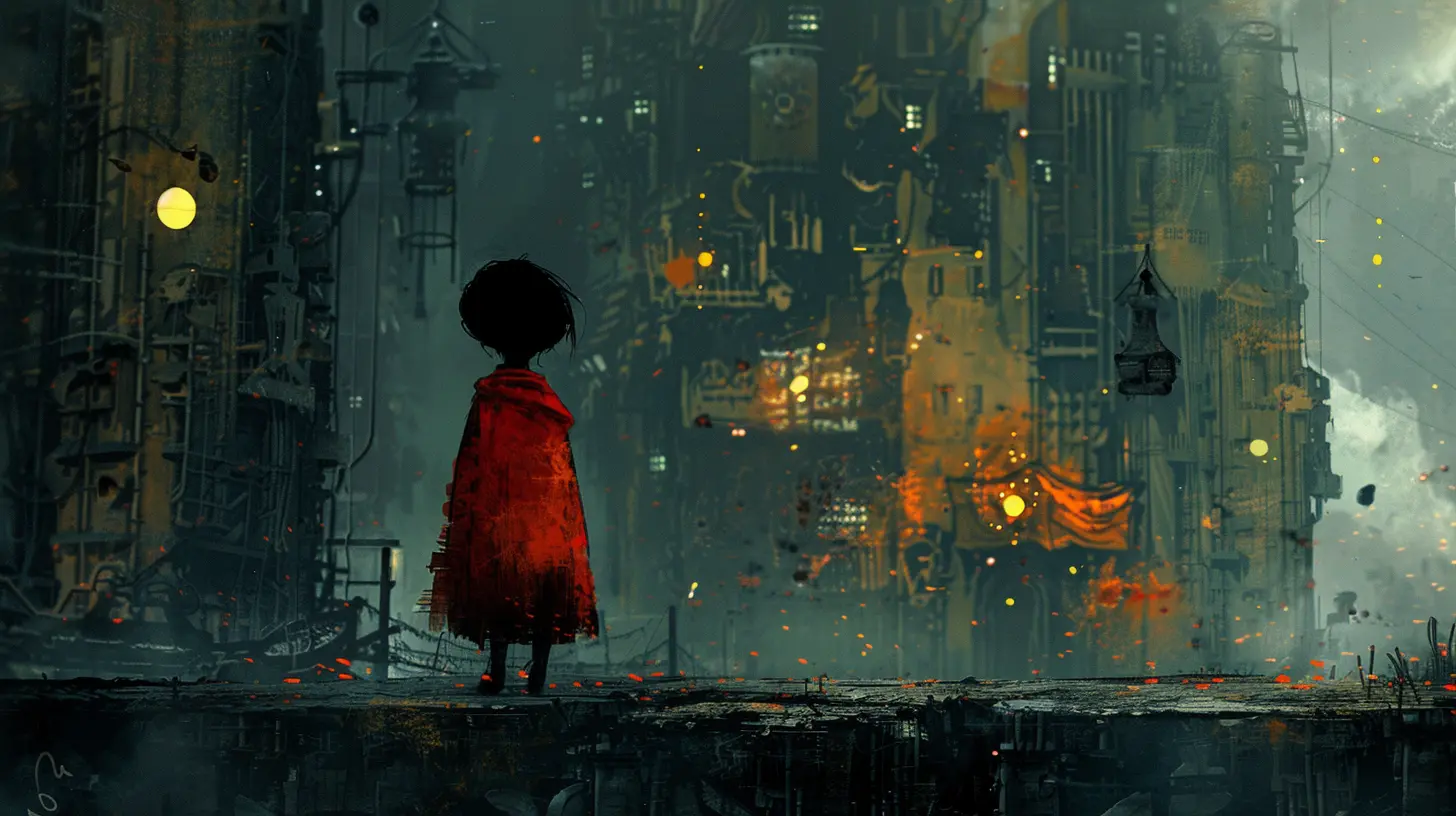
The Brains Behind The Feels: Game Design That Tugs at the Heart
Telling an emotional story in a game isn’t just about writing sad dialogue or throwing in a tragic backstory. It’s about design. Every element—the soundtrack, the visual art, the pacing—all work together to craft the emotional journey.1. Music and Soundscapes
Ever noticed how a certain melody can hit you like a truck? That’s no accident. A well-placed piano tune or eerie silence can shape your emotional response without a single word of dialogue.Games like Journey and Life is Strange use music to build a mood so immersive, it's like the soundtrack to your soul.
2. Visual Aesthetics
From photorealistic environments to stylized, dream-like landscapes, visuals play a massive role in storytelling. The color palette, lighting, facial animations—they all combine to communicate emotion without saying a word.Look at Gris—a game that literally uses color as a language to represent stages of grief. Talk about genius.
3. Narrative Pacing and Gameplay Mechanics
Emotionally driven games tend to slow things down. There’s space to breathe, reflect, and interact. Games like Firewatch use walking sims (yeah, slow-paced, but deeply poetic) to let the story unfold gradually, making every moment meaningful.On the flip side, games like The Last of Us mix fast-paced survival with quiet, human moments. That contrast? It sharpens the emotional impact even more.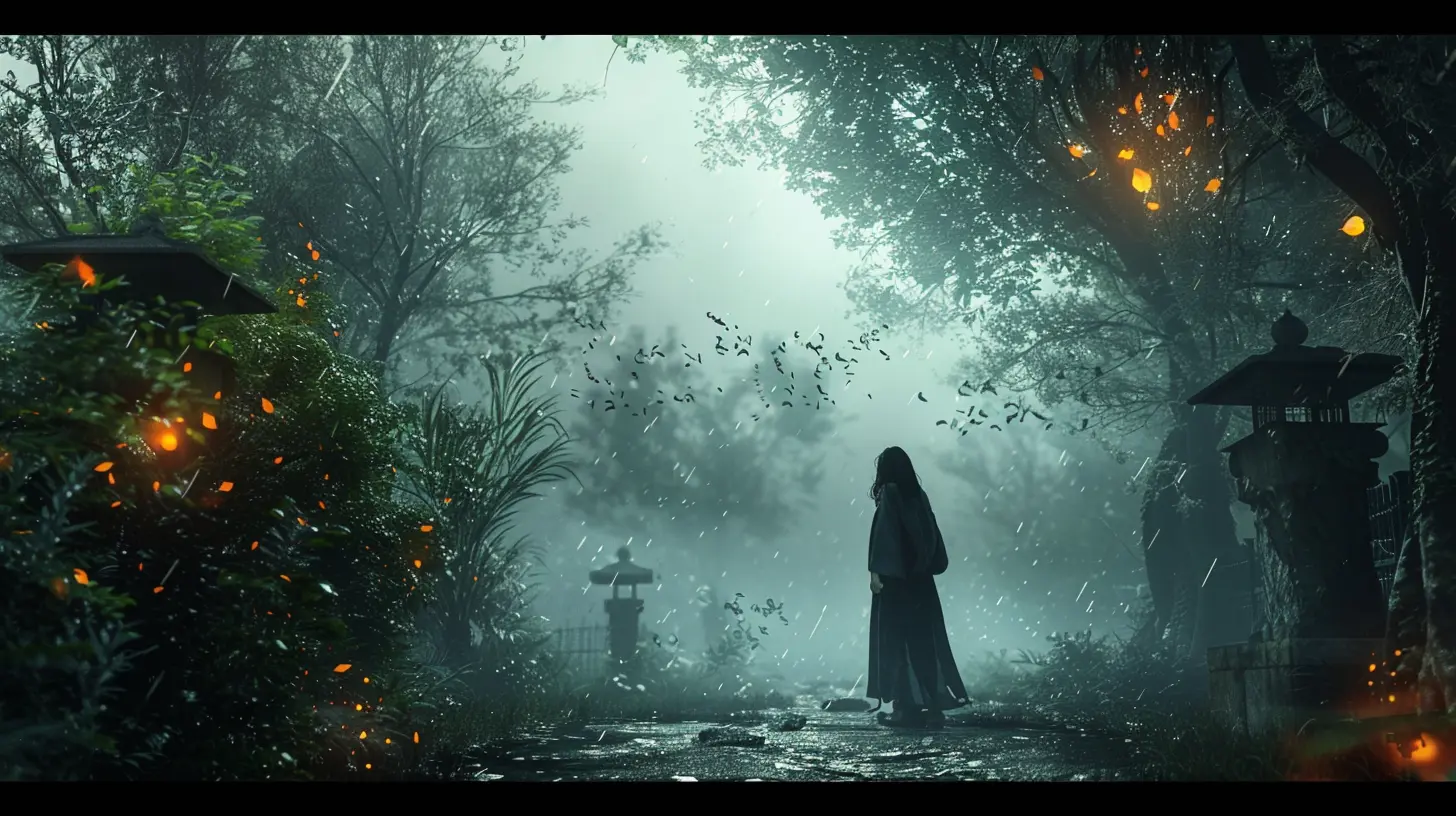
The Role of Choices and Consequences
One of the most powerful storytelling tools in interactive media is the concept of choice. But it’s not just about presenting options—it’s about making those options matter.Games like The Walking Dead series have built their reputation on "choices that shape the narrative." You pick who lives or dies, who you trust, and who you betray. And yes, the guilt feels real when that decision comes back to bite you in the next episode.
Let’s break down why this works so well:
- Player investment: When your actions have real consequences, suddenly you care a lot more.
- Emotional ownership: You're not just witnessing a story, you're co-writing it.
- Exploration of morality: Games often place players in morally grey areas, forcing introspection.
Basically, it’s like being the author of a book that actively pushes back.
Standout Examples of Emotional Storytelling in Games
Wanna know which games hit emotional storytelling out of the park? Here are a few that are absolutely worth checking out:1. The Last of Us Series
This one’s practically a poster child for emotional storytelling. From Joel and Ellie’s deeply complex relationship to the moral ambiguity of survival, it dives into grief, trauma, and love with brutal honesty. The gameplay's intense too, but it’s those quiet, character-driven moments that really wreck you.2. Life is Strange
A teenage girl discovers she can rewind time—but every choice still carries a cost. It’s part supernatural drama, part coming-of-age story, and all heart. The butterfly effect isn’t just a mechanic—it’s a metaphor.3. Hellblade: Senua’s Sacrifice
This game dives into mental illness in a way that’s haunting and respectful. Through its sound design and visual distortions, it puts you inside Senua's mind—forcing you to not just understand her trauma but experience it alongside her.4. What Remains of Edith Finch
A narrative masterpiece that explores the tragic history of a family through short but emotionally loaded vignettes. Each mini-story is a different genre, gameplay mechanic, and emotional punch. It’s like walking through a museum of memories… but one where every exhibit hurts in a beautifully poetic way.5. Celeste
Yeah, it’s a challenging platformer—but it’s also an exploration of mental health, self-doubt, and perseverance. Climbing that mountain? It’s not just a metaphor. It’s a real-time struggle that feels both physical and emotional.The Rise of Indie Devs in Emotional Narratives
Indie games have absolutely dominated the emotional storytelling space. Why? Because they often take creative risks that big AAA studios might shy away from. Without the pressure of mass-market appeal, they can afford to be weird, raw, vulnerable… and that's exactly what makes them unforgettable.Games like To the Moon, Night in the Woods, and Spiritfarer aren’t just entertaining—they’re soul-searching experiences wrapped in beautiful pixel art and heartfelt writing.
Why We Crave Emotional Storytelling in Games
So, why do we chase these emotional highs and lows? Isn't gaming supposed to be fun?Well, here’s the thing—emotions make the experience memorable. Fun is fleeting, but a story that made you reflect on your own life? That sticks.
When you connect with characters, when your choices feel heavy, and when your heart skips a beat because of a game—you’re not just playing for entertainment. You’re playing for connection.
It’s like a mirror. One that shows us who we are, or who we could be.
The Future of Emotional Storytelling in Interactive Media
We’re only scratching the surface here. With the advancement in AI, motion capture, and narrative engines, the future of storytelling in games is glowing with potential.Imagine games that learn from your emotions, that evolve based on your mental state, or that draw from real-life experiences to tailor your story. Scary? Maybe. But thrilling? Absolutely.
One thing’s for sure—we’re moving toward a future where interactive media isn’t just a form of escapism. It’s a tool for empathy, reflection, and maybe even healing.
Final Thoughts
At the end of the day, emotional storytelling through interactive media is way more than just a trend—it’s a revolution. It’s changing how we view games, how we engage with art, and even how we understand ourselves.Whether it’s a heartbreaking choice, a meaningful conversation, or just a silent moment in a beautifully crafted world—games have the power to move us like never before.
So next time someone says, “It’s just a game,” smile to yourself… because you know it’s so much more than that.
all images in this post were generated using AI tools
Category:
Game NarrativesAuthor:

Greyson McVeigh