Evaluating Fan Expectations for Upcoming Expansions
22 March 2026
Gamers are a passionate bunch, aren’t we? We pour our hearts into our favorite titles, follow every development update, and when our favorite game announces an expansion—boom! Hype levels explode. But that hype comes with expectations, and if those expectations aren’t met... well, let’s just say the internet goes up in flames.
In this article, we're diving deep into the wild world of fan expectations when it comes to upcoming expansions. Why do players expect what they do? How do developers walk the tightrope between surprise and satisfaction? And what can we, as fans, do to keep our excitement in check without killing the magic?
Let’s break it down.
What Fans Expect – And Why It Matters
Let’s face it: expansions are a big deal in gaming. Whether it’s a massive MMORPG like World of Warcraft, a story-driven RPG like The Witcher 3, or even a cozy simulator like The Sims, expansions promise more of what we love—and sometimes, entirely new ways to play.So, what do most fans expect from an expansion?
- More Content: New maps, missions, characters, lore, mechanics—you name it.
- Better Things: Improved gameplay, smoother performance, bug fixes.
- Surprises That Actually Work: Not just curveballs, but twists that make sense.
- Respect for the Original Game: Don’t break what’s already great.
The thing is, expectations don’t just appear out of thin air. They’re built on past experiences, developer promises, community hype, and… let’s be real: sometimes our own wild imaginations.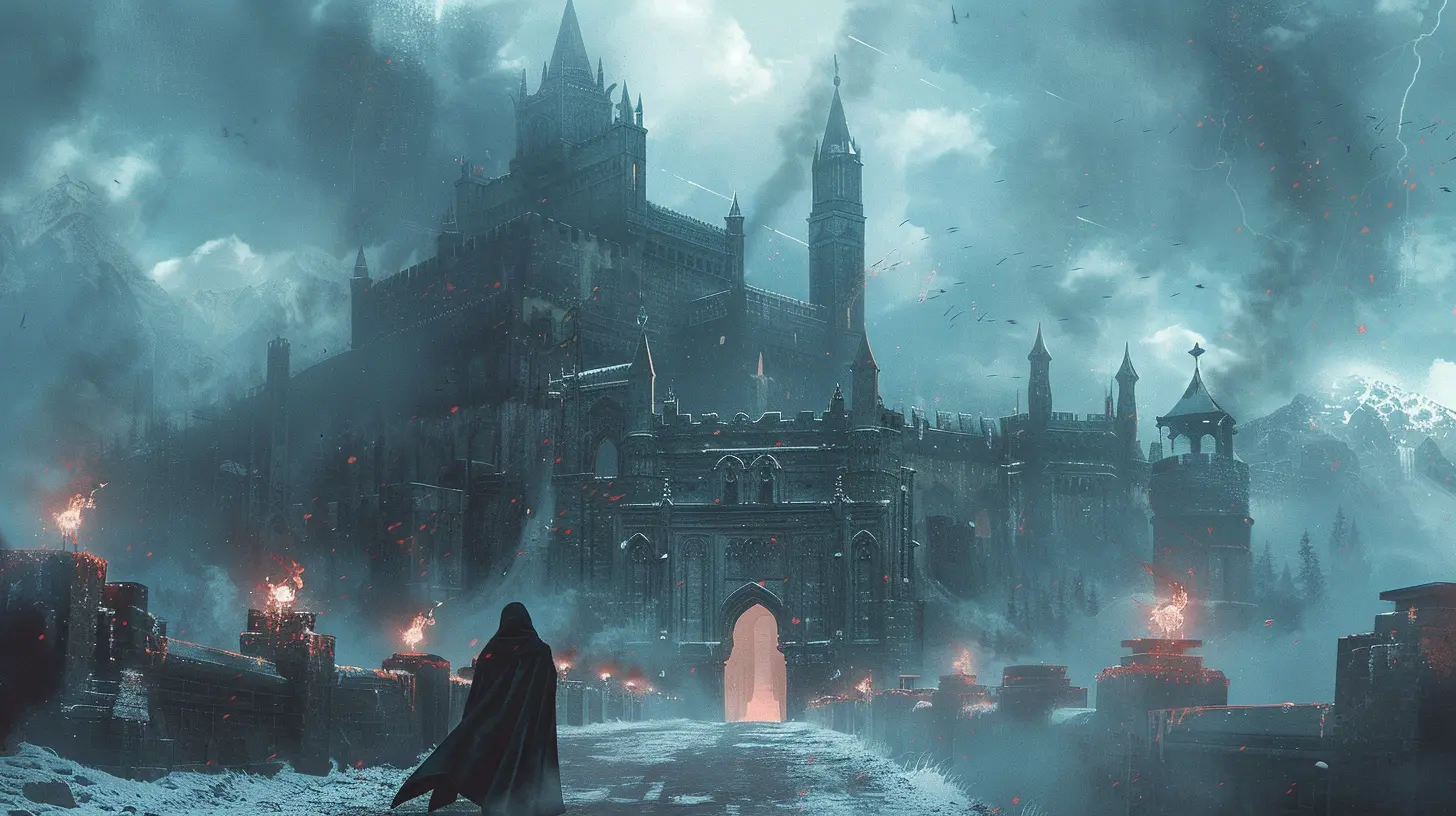
Hype vs. Reality: The Eternal Struggle
Remember Cyberpunk 2077? Yeah, that launch was a masterclass in overhyped expectations meeting a harsh reality. That kind of fiasco doesn’t just disappoint fans—it makes everyone more cautious about future promises.Here’s what often fuels the hype train:
- Teasers and Trailers: A single shot of a new area or character can send fans into theory-crafting overdrive.
- Dev Diaries and Interviews: Promised features sometimes sound better than they actually are.
- Speculative Leaks: A double-edged sword that builds excitement but often misleads.
The problem? When developers can’t—or don’t—deliver what fans anticipate, backlash is inevitable. Social media erupts, review bombings happen, and trust is broken.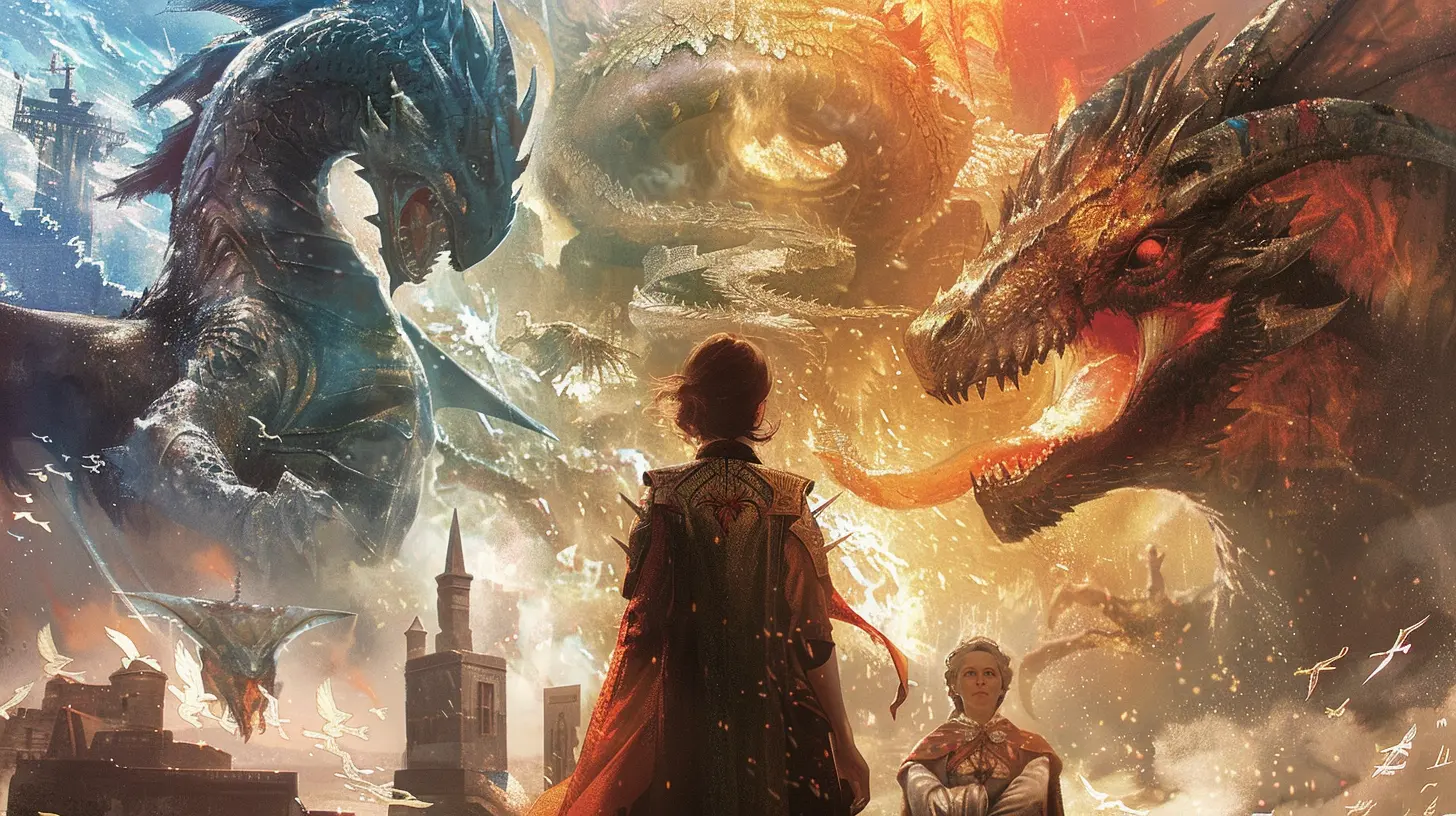
The Developer’s Dilemma: Delivering Without Overpromising
Let’s give some credit to the devs. They’ve got a nearly impossible job.On one hand, they want to innovate and surprise players. On the other, they don’t want to alienate long-time fans. They’ve got deadlines, budgets, and publishers breathing down their necks. So how do they manage expectations?
Transparent Communication
Studios that stay in touch with their communities generally earn more goodwill. Think about No Man’s Sky. Hello Games turned one of the most disappointing launches into a redemption arc—mostly by keeping it real with players and rolling out solid updates.Keeping It Manageable
It’s better to underpromise and overdeliver than the other way around. Players respect devs more when a surprise feature drops than when a hyped-up mechanic arrives half-baked.Listening to Feedback
Games with active betas or open test servers get the chance to mold the expansion based on real player input. When studios actively listen, fans feel heard—and that’s half the battle.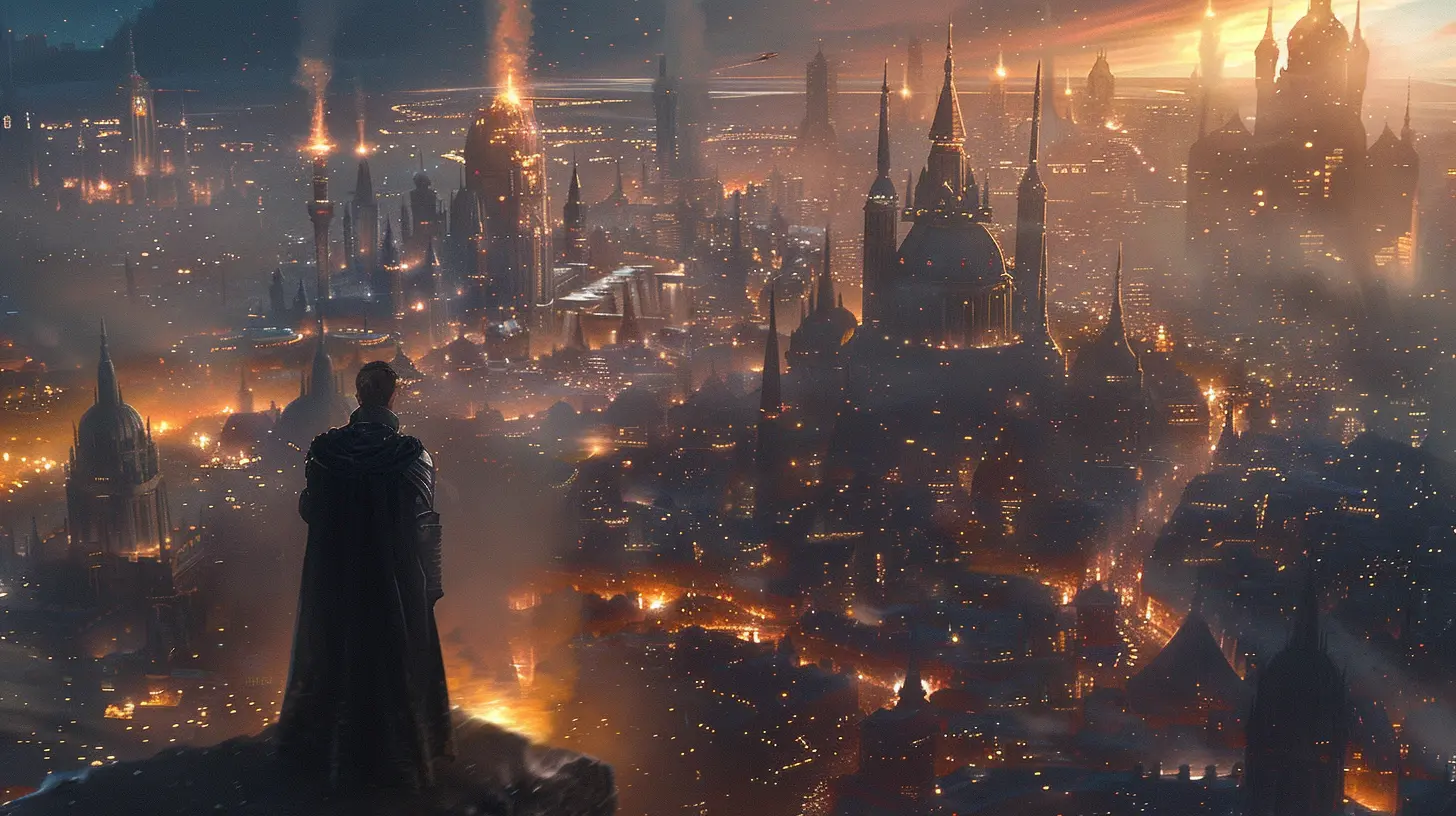
Fan Perspective: Where Do We Draw the Line?
As players, we want the moon and stars. And hey, that’s okay. It’s part of what makes gaming communities so vibrant and passionate. But sometimes, unchecked expectations can lead to unnecessary disappointment.So what can we do better?
Balance Excitement with Realism
It’s okay to be excited, but don’t bank everything on day-one perfection. Almost no expansion comes out flawless, and that’s alright! Think of it like ordering a pizza: sometimes the toppings aren’t evenly spread, but it’s still pretty darn good.Wait for the Hands-On
Instead of jumping on leaks and assumptions, wait for gameplay reveals and user feedback before deciding how you feel. The internet can be an echo chamber—make sure you’re forming your own opinion.Accept Imperfection
No expansion will make every single player happy. The sooner we accept that, the happier we’ll all be. Plus, it gives devs the breathing room to adjust and improve post-launch.Case Studies: Hits and Misses in Expansion History
HIT: The Witcher 3 - Blood and Wine
CD Projekt Red knocked it out of the park with this expansion. New region, gripping story, tons of content—it felt like a whole new game. Fans wanted more Geralt, and they got it, wrapped beautifully in a wine-soaked bow.What Worked:
- Clear communication
- High-quality storytelling
- Genuine added value
MISS: Anthem – Cataclysm Event
This expansion was hyped as the game-changer for Anthem. What players got was a confusing, limited-time event with minimal impact. Oof.What Went Wrong:
- Misleading promotion
- Lackluster content
- Poor communication
MIXED: Destiny 2 – Beyond Light
Some loved the new stasis powers and lore expansion. Others hated the content vaulting that removed access to older areas. It was a case of giving with one hand and taking with the other.Lesson? Expectations aren’t just about what’s added, but also what’s taken away.
The Role of the Community: Building Each Other Up
One of the best parts of gaming is the community. From forums and Discords to TikTok and YouTube, fans shape the buzz around expansions long before they're released.But with great power comes great responsibility.
Be Thoughtful with Speculation
Wild theories are fun, but when they spiral out of control, they can harm overall perception. Take everything with a grain of salt—and maybe sprinkle in some humility.Support Constructive Feedback
Instead of just shouting into the void when things go wrong, offer thoughtful critiques. Devs are more likely to listen to reason than rage.Celebrate Wins
When a game nails an expansion, shout it from the rooftops. Positive energy spreads just as fast as negativity—if not faster.How to Spot a Promising Expansion
If you’re wondering whether an upcoming expansion is worth your time, here are some green flags to look for:- Detailed Roadmaps: Are the devs being clear about what’s coming?
- Community Involvement: Are they listening to player feedback?
- Stable Previews: Do early testers have good things to say?
- Developer Track Record: Have they delivered solid expansions before?
If you’re seeing these signs, it's probably safe to get hyped (cautiously, of course).
Managing Post-Launch Expectations: It’s Not Over Yet
Okay, so the expansion is out. Now what?Keep in mind that launch day is just the beginning. Many expansions improve drastically over the first few weeks or months. Bugs get squashed, systems get balanced, and content expands.
Give It Time
Sometimes first impressions lie. Keep an eye on patch notes and developer updates.Stay Engaged
Join the community, talk about what works and what doesn’t, and help shape the future of the game. This is where your voice matters most.The Bottom Line: Expectations Are a Double-Edged Sword
Evaluating fan expectations for upcoming expansions is about honesty, patience, and teamwork—between devs and players alike. Hype is thrilling, sure. But keeping our feet on the ground helps us enjoy the game a whole lot more when it finally drops.So, the next time that teaser trailer lands and you feel your heart racing? Take a deep breath, grab a snack, and remember: it’s okay to hope for the best—as long as we’re ready for reality, too.
Final Takeaways
- Fan expectations are rooted in experiences, hype, and communication.- Developers balance innovation with fan service—it ain’t easy.
- Communities play a huge role in building and managing expectations.
- It's all about synergy: devs, players, and the game itself need to work in harmony.
all images in this post were generated using AI tools
Category:
Game ExpansionsAuthor:

Greyson McVeigh
Discussion
rate this article
2 comments
Ian McLain
Great read! It's always fun to see how fan expectations evolve with each expansion. Let’s keep the excitement rolling and embrace the surprises ahead—game on and enjoy the journey!
March 25, 2026 at 5:07 PM
Greyson McVeigh
Thank you! I'm glad you enjoyed it. Excited to see where the journey takes us next!
Maggie McDonald
Great insights! It’s important to balance fan hopes with realistic expectations. Excited to see how developers respond to feedback!
March 25, 2026 at 3:19 AM
Greyson McVeigh
Thanks for the feedback! Balancing hopes and reality is key, and I'm eager to see how developers take it all in.