The Influence of Mobile Games on Modern Achievement Systems
4 February 2026
The gaming world has evolved big time. It’s not just about beating the final boss or finishing a campaign anymore—now, it's about the badges, the streaks, the XP boosts, and those little “ding” sounds that tell you, “Hey, you accomplished something!” You’ve probably guessed it—we’re talking about achievement systems.
But here’s the twist: mobile games have taken this concept to a whole new level. Whether you’re a casual Candy Crush swiper or a Clash Royale strategist, mobile games have reshaped how we chase goals in gaming. So, how exactly have they influenced achievement systems across the board? Well, let’s dive deep (but keep it fun, promise).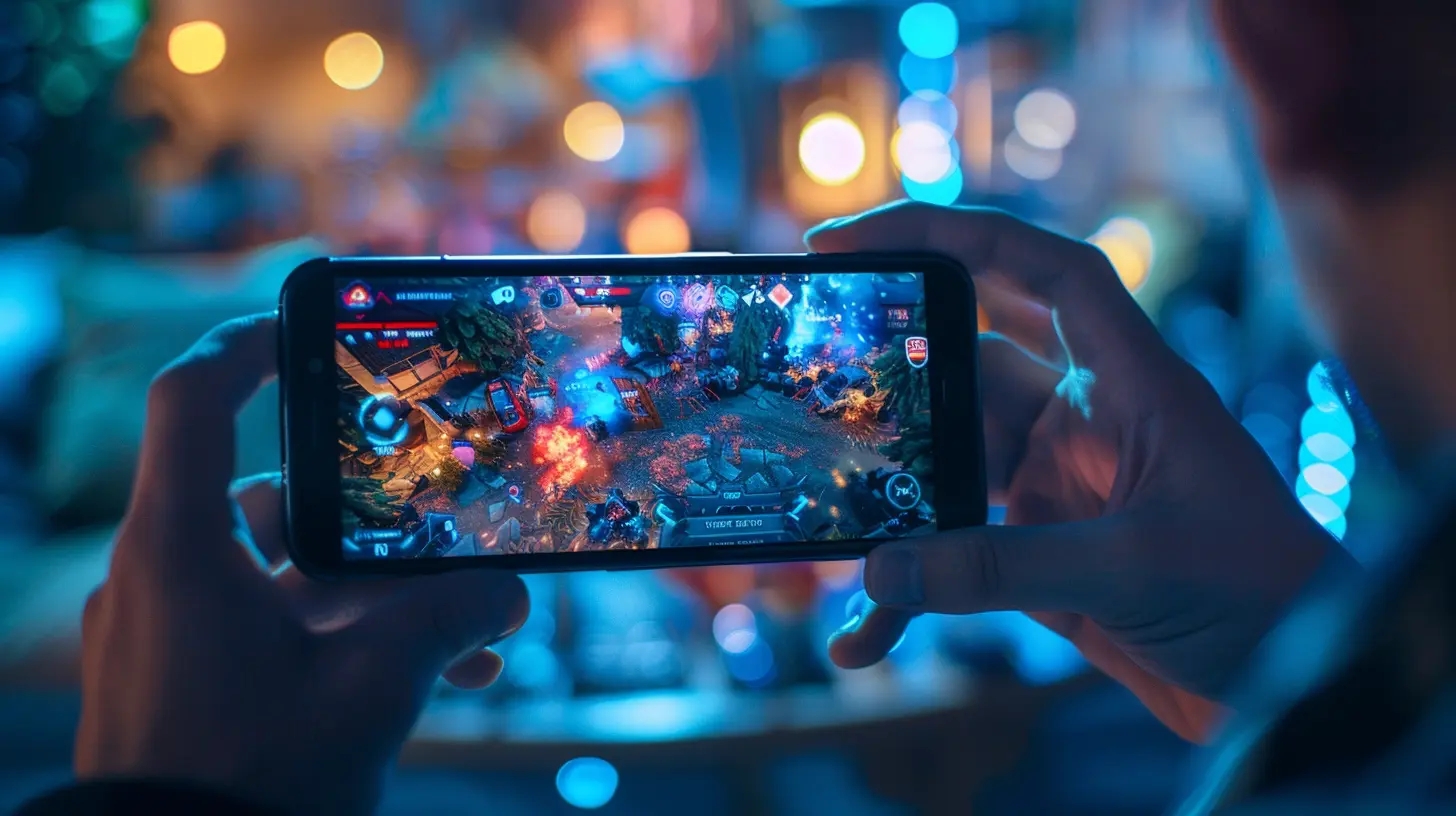
What Are Achievement Systems, Anyway?
Before we give mobile games the credit (or blame), let’s clear this up.Achievement systems are those built-in goals within a game that reward players for hitting specific milestones. Think trophies, badges, stars, medals—you name it. These could be as simple as “Complete Level 1” or as crazy as “Defeat 100 enemies without taking damage.” They’re like mini-quests layered into a game to keep players hooked and constantly challenged.
In the past, these were mostly seen in console or PC games—Xbox’s Gamerscore and PlayStation Trophies were big pioneers. But mobile games? They saw these shiny digital prizes and said, “We can turn this into gold.”
The Mobile Gaming Revolution
Let’s set the stage: back in the early days, mobile games were... well, let’s just say they weren’t exactly known for depth. Snake on Nokia? Iconic, but basic. Fast forward to now, and mobile games are dominating the market with billions of downloads—literally.So, what changed?
Phones got smarter, processors faster, and developers more ambitious. Suddenly, mobile games weren’t just time-killers; they were full-blown ecosystems. And guess what played a key role in making these games stickier than ever? Yep—achievement systems.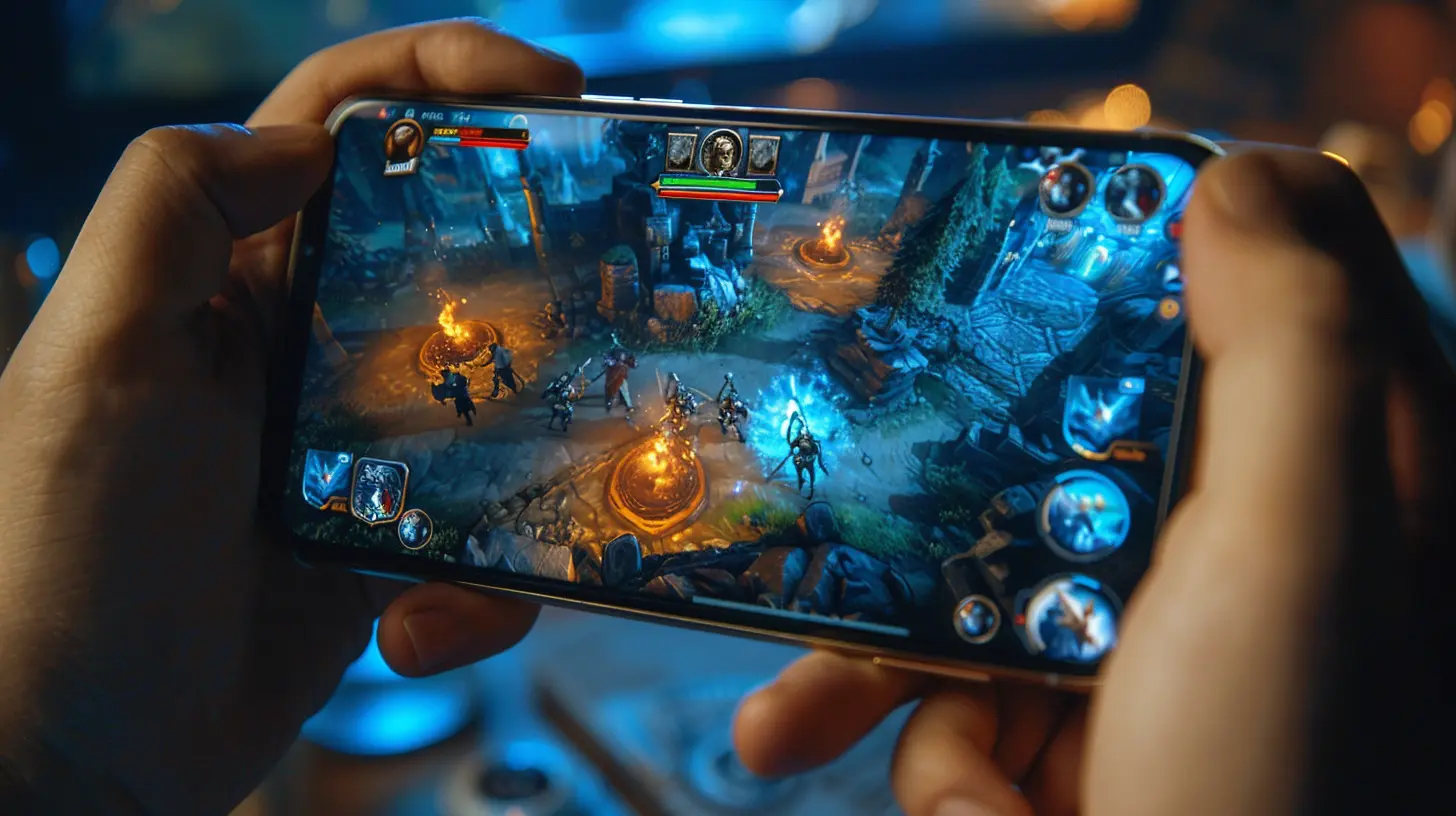
The Psychology of Tapping: Why Mobile Games Nail Motivation
Have you ever felt a weird urge to log in to a game just because you’ll miss out on a daily reward? That’s not random—it’s design. Mobile games capitalize heavily on psychological triggers like:- Dopamine loops – Small rewards that give your brain a little “woohoo!” moment.
- Fear of missing out (FOMO) – Limited-time events that push players to engage or lose out.
- Progression satisfaction – Those satisfying progress bars and percent-complete meters.
Now, throw achievement systems into that mix, and you’ve got a recipe for engagement that keeps players coming back for more—even if they didn’t plan to.
Mobile games have essentially gamified everything within themselves. You’re not just playing a game—you’re constantly leveling up in micro-goals. 
Bite-Sized Goals, Big-Time Impact
Console and PC games often have long-form achievements—finish a whole campaign, master all levels, collect every item. Mobile games, though? They chopped those big goals into bite-sized nuggets and said, "Here, have one every 5 minutes."That’s a game-changer (pun intended).
Mobile achievements are:
- Quick to earn
- Stackable
- Often tied to real-world rewards or in-game currency
This makes the player feel constantly rewarded, even during short play sessions. You're literally progressing in line at Starbucks. That's efficient gaming.
The Rise of Streaks and Daily Missions
Let’s talk about streaks. Yup, those "Come back tomorrow!" reminders. Mobile games absolutely crushed it with daily login rewards, task streaks, and rolling challenges.These systems play on habit-building psychology. You miss a day? You lose your streak. And NO ONE wants to break a 23-day streak, right?
Achievement systems in mobile games added that extra nudge—rewarding not just performance, but consistency. This was a huge shift from traditional games, where achievements were mostly skill-based.
Now, just showing up gets you closer to a shiny medal. And hey, that counts too.
How Mobile Gamification Spread to Other Platforms
Here’s where things get really interesting. The clever systems that started in mobile games didn’t stay in mobile games. They trickled into every corner of the gaming universe.Console and PC Caught On
Ever noticed how even major AAA titles now have daily quests or login bonuses? Thank mobile games for that.Games like Fortnite, Destiny 2, and even World of Warcraft adopted mobile-style achievements—daily goals, seasonal challenges, and time-limited events designed to keep players circling back.
The message was clear: If it works for mobile, it can work anywhere.
Fitness Apps, Learning Tools, Even Work?
Yeah, the influence goes beyond traditional gaming. Apps like Duolingo use streaks and XP systems almost exactly like mobile games. Even productivity platforms are gamifying with badges and milestones.The line between games and life? It’s blurring by the minute.
Monetization, Microtransactions, and the Dark Side
Okay, it’s not all sunshine and sparkle badges. Achievement systems in mobile games also opened the door to some pretty shady tactics.Let’s be honest: some games tie achievements directly to spending. Want to complete that badge? Buy this power-up. Want that weekly trophy? You could grind... or just pay $4.99.
This mix of rewards and monetization can quickly become manipulative, especially for younger or impulsive players.
So yeah, mobile achievements can be awesome—but they can also be a little too good at their job.
Social Sharing and Bragging Rights
Another cool twist mobile games brought in? Sharing achievements socially.Many mobile games encourage players to post their progress on socials, share badges, or challenge friends. This turned gaming into a conversation, not just a solo activity.
Sure, some people roll their eyes at these posts, but for a lot of players, sharing that “100% Completion” badge boosts their enjoyment and even triggers friendly competition.
Mobile games understood something console developers missed for years: Achievements are more fun when you can show them off.
Real-World Rewards? Yup, That Too.
Some mobile games took achievements beyond the screen. Think Swagbucks Live, or games that offer gift cards, discounts, or even cash as rewards for completing tasks.This hybrid of gaming and real-world compensation hooked players with a “play and earn” model. Suddenly, achievements weren’t just digital trophies—they were literal incentives.
It was a game-changer for engagement and retention.
Achievement Systems 2.0: Where Do We Go From Here?
So, where’s all this heading? We're already seeing the next evolution:- Cross-platform achievement tracking – Seamless tracking across PC, console, and mobile.
- Smart AI-driven goals – Personalized achievements based on playstyle.
- Community achievements – Group challenges that unlock rewards for everyone.
- Physical integration – Games syncing with smartwatches or fitness trackers to grant in-game achievements for real-world actions.
The influence of mobile is far from over—in fact, it’s shaping the future of achievements in gaming.
Closing Thoughts
Mobile games didn’t just borrow the concept of achievements—they reinvented them. They made them more frequent, more addictive, more varied, and sometimes more manipulative.Whether you love them or love to hate them, there’s no denying it: mobile games shifted what achievement systems mean in modern gaming. They made it more personal and, in many ways, more social.
So next time your phone buzzes with a “Congrats! You leveled up!” notification, take a second to appreciate just how far we’ve come—from collecting trophies to chasing daily rewards in your pocket.
It’s not just about playing anymore—it’s about progress, every single tap of the way.
all images in this post were generated using AI tools
Category:
Gaming AchievementsAuthor:

Greyson McVeigh
Discussion
rate this article
2 comments
Zevon Weber
Who knew swiping your way through candy and jumping over pixelated obstacles could rewrite the rulebook on achievement systems? Mobile games are turning our 'achievements' into a delightful buffet of points and badges! Let’s raise a virtual toast to the pixels that keep us motivated (and sometimes mildly obsessed)!
February 12, 2026 at 3:51 PM
Greyson McVeigh
Absolutely! Mobile games have transformed achievement systems into engaging experiences that reward players in innovative ways, making motivation fun and accessible. Cheers to that!
Phaedron McQuiston
This article insightfully explores how mobile games have reshaped achievement systems, emphasizing their role in enhancing player engagement and motivation. A must-read for anyone interested in game design evolution!
February 9, 2026 at 4:56 PM
Greyson McVeigh
Thank you for your kind words! I’m glad you found the insights valuable.