Why Some Expansions Succeed While Others Fail
30 May 2026
Ever been hyped for a game expansion only to find it completely misses the mark? You're not alone. Expansions have the power to breathe new life into games—or totally crash and burn. Whether it's an added map, a new storyline, or fresh mechanics, expansions walk a tightrope between innovation and disaster.
In the gaming world, expansions can either become the stuff of legends or cautionary tales. So, what separates the hits from the flops? Let's break it down and dig into the real reasons why some expansions succeed while others flat-out fail.
What Makes an Expansion Tick?
First things first—what are we even talking about when we say “expansion”? In simple terms, it’s extra content added to an existing game. That could mean new characters, quests, maps, or entirely fresh gameplay mechanics. The goal? To keep players engaged and coming back for more.But just slapping on new features doesn’t guarantee success. There’s an art to making expansions that feel right. And more often than not, the best ones are those that extend the core experience without overshadowing or diluting it.
Success Starts With Understanding the Base Game
Think of the base game like the foundation of a house. You wouldn’t add a second floor if the first one is already falling apart, right? The most successful expansions are built on games that already have strong mechanics, loyal communities, and well-established lore.Case in Point: The Witcher 3 – Blood and Wine
CD Projekt Red nailed this with Blood and Wine. The base game was already critically acclaimed, and the expansion didn’t try to reinvent the wheel. Instead, it added a massive new region, a fresh storyline, and quality-of-life improvements—all while staying true to the tone and mechanics of the original game.
Knowing Your Audience is Everything
An expansion is basically a love letter to your player base. If that letter doesn’t resonate, it’s going straight in the trash. Developers who understand what their players enjoy (and what they don’t) stand a much better chance of hitting the mark.Hit: World of Warcraft – Wrath of the Lich King
This expansion is practically gaming royalty. Blizzard knew their audience was hungry for engaging end-game content and epic storytelling. Wrath of the Lich King delivered all of that and more, cementing itself as one of the most beloved expansions in MMO history.Miss: World of Warcraft – Warlords of Draenor
On the flip side, Warlords of Draenor failed to maintain momentum. Despite a strong start, it fizzled out due to a lack of content and long content droughts. Blizzard misread the room, assuming players would be satisfied with half-baked systems and fewer updates.
Balance Between Innovation and Familiarity
Players want something new—but not too new. There's a fine line between fresh and confusing. The best expansions innovate within familiar boundaries, adding spice without changing the whole recipe.Think of it like adding hot sauce to your favorite dish. A little can boost flavor, but too much ruins everything.
Example: Destiny 2 – The Taken King
After a rocky start, Bungie launched The Taken King, which revamped key systems and added an engaging storyline. It was a breath of fresh air that still felt like Destiny, just better.Bad Move: Mass Effect: Andromeda (albeit not a traditional expansion)
While technically a new game, Andromeda felt like it took the wrong kind of risks. It tried to reinvent the wheel with awkward characters and a disjointed narrative. Players didn’t recognize the heart of Mass Effect anymore—and the expansion content that followed? It barely registered.Content Volume and Quality Go Hand in Hand
Nobody wants to pay for extra content that feels more like a cheap patch than an expansion. When gamers invest in expansions, they're expecting a meaningful experience—not filler.Quality Over Quantity
Adding dozens of fetch quests won’t impress anyone. A tightly written, well-designed short campaign can be far more appealing.The Elder Scrolls IV: Oblivion – Shivering Isles
Bethesda hit the sweet spot with Shivering Isles. It offered a significant chunk of gameplay with new environments and an insane (in the best way) storyline. Players felt they were getting real value—and they were.
Timing Is Everything
It’s not just what you release—it’s when you release it. Imagine hyping up an expansion when the community is already frustrated or bored. Even great content can flop if it arrives at the wrong moment.Poor Timing: Anthem's Cataclysm Update
By the time Cataclysm dropped, most of the player base had already checked out. It’s like throwing a party after everyone goes home. Even though the content had potential, the timing killed any chance of recovery.Communication and Community Engagement
Let’s be real—gamers are vocal. They’ll tell you exactly what they want (and what they hate). Developers who listen and actively engage with their communities tend to produce better, more well-received expansions.Bungie’s Turnaround
After initial backlash to Destiny 2, Bungie took a step back, listened, and came back strong with expansions like Forsaken. The team actively communicated with players, took feedback seriously, and showed that they cared. That kind of transparency builds trust—and trust leads to success.
Bugs and Technical Issues? Deal Breakers.
You could have the best storylines, art direction, and design—but if the expansion is riddled with bugs? Forget it. Players aren’t going to slog through broken quests and glitchy mechanics.Fallout 76 – Wastelanders (a redemption story)
While Fallout 76 launched in rough shape, the Wastelanders expansion did a lot to redeem the game. It fixed core issues and added NPCs and story depth. It’s a great example of how even a failed launch can be salvaged with the right expansion—if bugs are fixed and improvements are meaningful.Monetization: Greed Can Kill the Hype
When it comes to expansions, cost matters. Gamers are willing to pay—but only if they don’t feel like they're being gouged.The Line Between DLC and Microtransactions
Expansions should offer complete content, not half a game locked behind paywalls. Monetization tactics like exclusive gear behind loot boxes or season passes can backfire hard.Bad Example: Star Wars Battlefront II
We all remember the massive backlash around loot boxes and pay-to-win mechanics. Players revolted. EA had to overhaul the system just to salvage their reputation.
Storytelling: Does the Expansion Add Depth?
Narrative matters. Players want stories that go beyond just “you need to kill this boss.” Successful expansions offer emotional depth, character arcs, and world-building that feels purposeful.Amazing Story Example: Final Fantasy XIV – Shadowbringers
This expansion didn’t just continue the story—it elevated it. With high-stakes storytelling and nuanced characters, Shadowbringers is proof that expansions can rival full-game narratives.Player Progression and Reward Loops
One of the worst things an expansion can do is make all your previous progress feel worthless. Resetting progression can frustrate long-time players, while a well-integrated reward system keeps them motivated.Respect the Grind
Expansions should reward the grind—not reset it. Gating new features behind arbitrary power levels or making players re-earn old abilities can sap the fun out of the experience.
Replayability and Longevity
A good expansion keeps players coming back. Whether it's through branching story paths, diverse activities, or end-game content, replay value is key.Diablo III – Reaper of Souls
Blizzard nailed it with Reaper of Souls. The new Adventure Mode and Nephalem Rifts added near-infinite replayability. It wasn’t just about new stuff—it was about new ways to play the stuff you already loved.So, Why Do Some Expansions Fail?
To sum it up, failed expansions usually suffer from one or more of the following:- Weak or rushed content
- Misalignment with the base game
- Poor timing
- Technical issues
- Tone-deaf changes to progression or monetization
- Ignoring community feedback
It's not usually one giant mistake—it’s death by a thousand cuts.
Final Thoughts
Expansions are like sequels in the movie world. They carry huge expectations and often walk the razor’s edge between triumph and disaster. When done right, they remind players why they fell in love with the game in the first place. When done wrong, they can leave a bitter taste and sometimes even kill a franchise.As players, we crave more of what we love—but only if it adds value. Developers who understand that, who listen to their community, and who respect the core of their game tend to strike gold.
Whether you’re a dev looking to build the next big hit or a gamer bracing for the next expansion drop, remember this: great expansions don’t just add content—they add meaning.
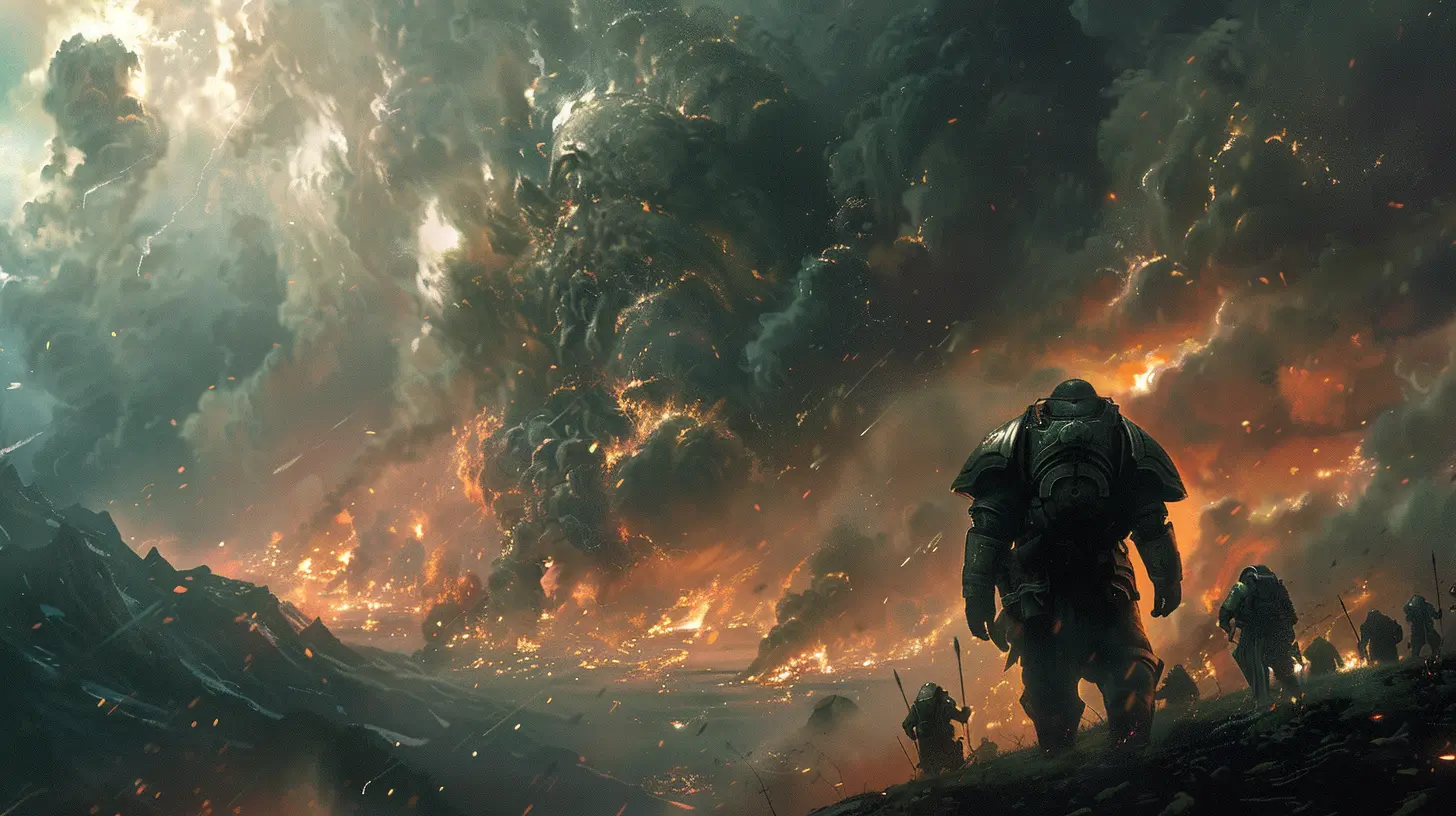
all images in this post were generated using AI tools
Category:
Game ExpansionsAuthor:

Greyson McVeigh
Discussion
rate this article
1 comments
Valeris McKittrick
I find it fascinating how certain expansions resonate with players while others miss the mark entirely. Is it all about timing, innovation, or something deeper? What common threads can we uncover in the successful ones compared to the flops? I'm eager to hear different perspectives on this intriguing topic.
June 6, 2026 at 3:20 PM