When Expansions Introduce New Genres in Existing Titles
25 May 2026
Ever jumped into your favorite video game expecting more of what you love, only to find it's suddenly added an entirely new gameplay genre in an expansion? It’s like ordering a pepperoni pizza and being served sushi on top. Weird? Maybe. Interesting? Definitely. That’s what happens when expansions introduce new genres in existing titles—and it’s one of the most exciting (and sometimes controversial) trends in gaming today.
In this article, we’re diving headfirst into the strange, experimental, and surprising world of genre-bending game expansions. We'll look at why developers take these creative risks, how players react, and whether these genre-switches ultimately help or hurt the game’s legacy.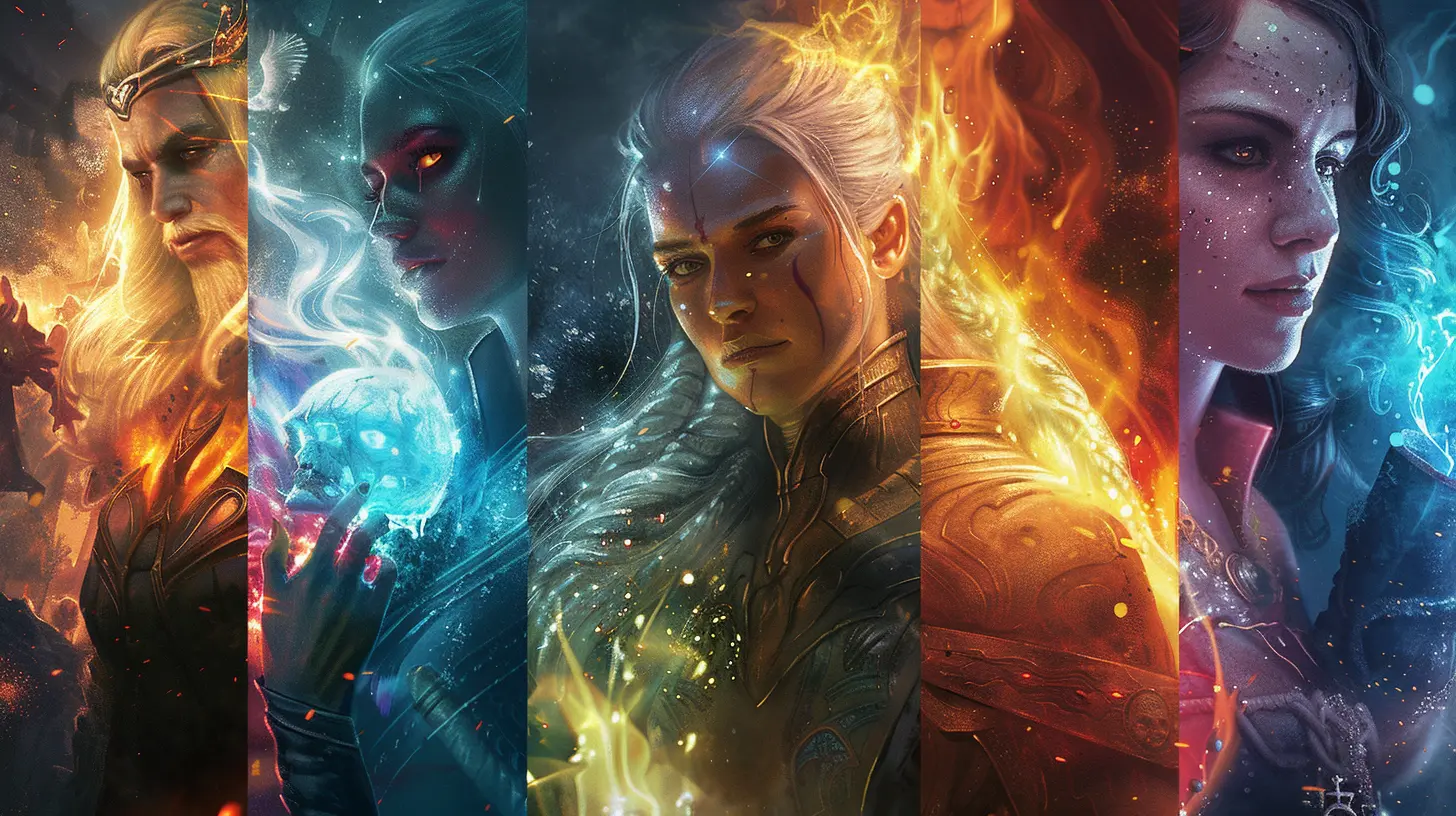
What Do We Mean by "New Genres in Expansions"?
Before we hit the gas, let’s pump the brakes for a second—what do we actually mean when we say a game expansion is adding a “new genre”?Usually, when we think of expansions or DLCs (downloadable content), we expect more of the same: new maps, fresh missions, added characters, or weapons. But every now and then, developers throw a curveball and drop an expansion that completely changes how the game plays by introducing elements from entirely different genres.
Imagine a first-person shooter adding a real-time strategy mode. Or a role-playing game suddenly including rhythm-based combat. Sounds wild, right? But it’s been done—and sometimes with shockingly good results.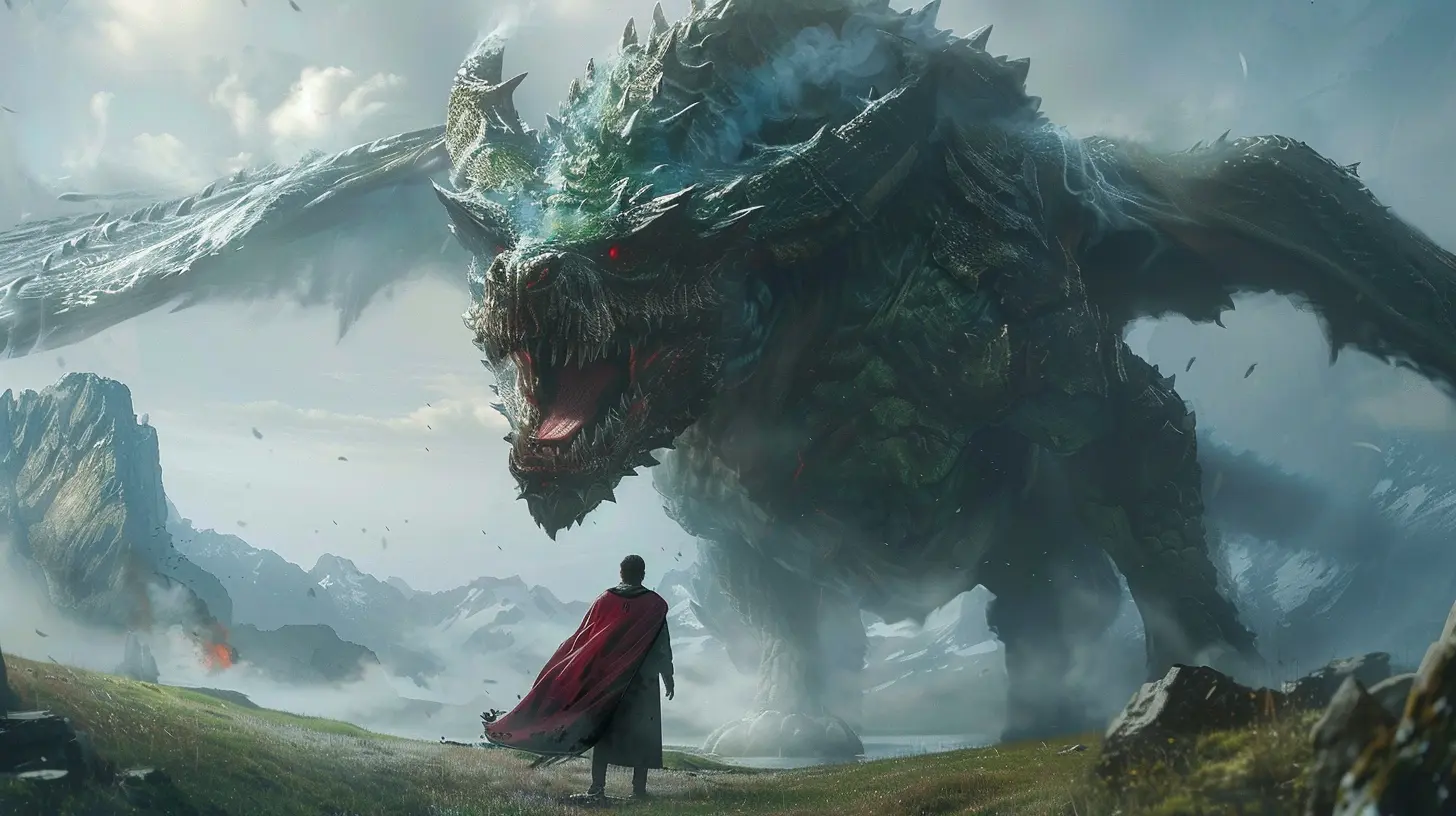
Why Studios Take the Genre Leap
You might be wondering: why would a game dev risk alienating fans by changing the very genre of the game they love?1. Keeping Things Fresh
Players get bored. Studios know this. A sudden genre shift can bring renewed excitement and buzz around a title that’s begun to slow down. It’s a way to keep the experience fresh without building an entirely new game from scratch.2. Creative Expression
Let’s be honest—game developers are artists at heart. Some expansions are passion projects, a chance for creators to experiment with new ideas while still working within a familiar universe. It’s like a painter trying a new brushstroke technique on the same canvas.3. Testing Waters for New Titles
Sometimes, an expansion doubling as a genre test-run is just smart business. Studios use them to gauge audience reaction to a new style of gameplay before committing to a completely new title.
Memorable Examples of Genre-Shifting Expansions
Okay, let’s talk examples. These will either make you go “Whoa, that’s genius!” or “What were they thinking?”The Elder Scrolls V: Skyrim – Dragonborn DLC
Skyrim is the ultimate fantasy RPG, but the Dragonborn DLC flirted with some survival horror vibes. Its eerie island setting, Lovecraftian creatures, and psychological horror elements felt like stepping into a different game entirely. While it didn’t fully abandon its RPG roots, it dabbled deep into horror territory—and surprisingly, it worked for most fans.Red Dead Redemption: Undead Nightmare
The original Red Dead Redemption was a gritty, Western-themed action-adventure. So when Rockstar followed it up with a zombie apocalypse expansion? Minds were blown. Undead Nightmare introduced survival horror mechanics and changed the mood of the entire game. And guess what? It was a massive hit.Grand Theft Auto Online – Arena War
The core GTA experience? Open-world crime simulator. Arena War expansion? Full-blown vehicular combat and arcade mayhem that feels more like Twisted Metal. That’s a major genre shift with an identity all its own within the GTA universe.Final Fantasy XV: Episode Prompto
This one’s a curveball. Final Fantasy XV is a fantasy action RPG. But when Episode Prompto rolled in, players found themselves in a third-person shooter with stealth mechanics. Wait, what? Yep, it’s like Square Enix handed Prompto the Metal Gear playbook and said “Go wild.”
Player Reactions: Love It or Hate It?
Here’s where things get spicy. Gamers love innovation, but they also love consistency. Throwing a new genre into the mix can either elevate a title—or enrage its community.The Fans Who Embrace Change
There’s a sizable chunk of players who welcome these changes with open arms. For them, it’s a refreshing twist that breathes new life into a game they’ve sunk hundreds of hours into. Think of it like a new flavor of ice cream—unexpected, but delicious.The Purists Who Push Back
Then there are the purists. You know the ones. They mastered every skill tree, memorized every loot drop, and suddenly they’re being asked to play a stealth mission in what was a hack-and-slash game? Nope. It breaks immersion for them and often feels like a betrayal of the core experience.So, can you please everyone? Not really. But that hasn’t stopped developers from trying.
The Risks and Rewards of Genre Experimentation
Changing a game’s genre isn’t just a creative move—it’s a gamble. Let’s break down the pros and cons.Pros
- Fresh gameplay: Keeps longtime players engaged.- New audience appeal: Different genres attract different player bases.
- Creative storytelling: Opens doors for storytelling in new and exciting ways.
- Marketing buzz: Genre shifts make headlines and generate chatter.
Cons
- Divided fanbase: Loyal players may feel alienated.- Gameplay imbalances: Mixing genres can lead to clunky mechanics.
- Short shelf life: Novelty can wear off quickly if not done well.
- Risk of “jumping the shark”: Some expansions feel desperate or gimmicky, especially late into a game’s life cycle.
The Psychology Behind Why We Crave (Or Reject) Genre Swaps
Let’s get a little nerdy for a second. Why do some people absolutely adore these shifts, while others rage-quit over them?It boils down to expectations and cognitive dissonance. When players boot up a game, they have a mental model of what to expect. A sudden genre shift breaks that model. For some, it’s exciting—a brain teaser that triggers curiosity. For others, it creates friction. It’s like expecting hot coffee and sipping cold soda instead. Your brain goes, “Wait, what just happened?!”
Do Genre-Bending Expansions Set a New Standard?
In many ways, yes. We’re seeing more studios take these creative swings with their expansions. And in today’s saturated gaming market, standing out is crucial. Why not slap a new genre skin onto an old favorite and mix things up?That being said, this trend isn’t for everyone—and it definitely shouldn’t be the default. Genre-shifting expansions work best when they complement the core game rather than clash with it.
How to Pull Off a Genre Shift Successfully
Alright, game devs, if you're reading this—here’s the playbook for doing it right:1. Respect the Core Game
First and foremost, stay true to the tone and lore of the original game. Even if the gameplay mechanics change, the world and characters should still feel familiar.2. Don’t Force It
Players can spot a gimmick from 10 miles away. If the expansion feels slapped on or awkward, it’s going to flop hard. Make sure the genre shift feels like a natural evolution.3. Offer It as Optional Content
Make the genre-shifting expansion standalone or non-mandatory. That way, purists can stick to what they love while adventurers can experience something new.4. Polish Matters
Cross-genre gameplay is hard to nail. If the execution is sloppy—unresponsive controls, confusing UI, or jarring story transitions—it’ll leave a sour taste. Polish it like your reputation depends on it (because it does).What the Future Holds for Genre-Shifting Expansions
Looking ahead, it’s clear the genre mashup isn’t going anywhere. With indie developers pushing boundaries and big studios catching on, we’ll likely see more expansions flipping the genre script.Imagine a multiplayer shooter adding a single-player puzzle campaign. Or a sports game introducing RPG character development arcs. The sky’s the limit.
But it’s crucial that developers remember: innovation should never come at the expense of player trust. Take risks, sure—but make them meaningful.
Final Thoughts
So, when expansions introduce new genres in existing titles, is it a bold evolution or a risky gimmick?Honestly, it’s both. It can be a thrilling invitation to re-engage with a familiar world in a brand-new way—or it can feel like a confusing sidestep that loses what made the original great. The secret sauce lies in balance, execution, and understanding your player base.
Next time your favorite game does a genre switch-up, ask yourself: is this a fresh twist… or just an unnecessary pivot? And who knows, you might just fall in love with a new style of gameplay you never saw coming.
all images in this post were generated using AI tools
Category:
Game ExpansionsAuthor:

Greyson McVeigh
Discussion
rate this article
1 comments
Zevan Carrillo
When expansions dive into new genres, they can either rejuvenate a game or derail its identity. It's a bold gamble that can lead to fresh experiences or leave fans scratching their heads... or both.
May 26, 2026 at 2:23 PM
Greyson McVeigh
You're right. Expansions that explore new genres can really shake things up, for better or worse. It's a fine line between innovation and confusion.