When Expansions Go Too Far or Break the Game
8 August 2026
Ah, expansions. The sweet nectar that keeps our favorite games fresh, exciting, and—let’s be honest—sometimes totally unrecognizable. If you've been gaming long enough, you’ve probably bought into at least one expansion that left you scratching your head. You know the kind. One minute you’re having the time of your life, and the next, your favorite game has changed so much it’s practically speaking a different language.
So, what happens when an expansion takes it a bit too far? When instead of improving the core gameplay, it bloats the system, introduces wildly unbalanced mechanics, or worse—completely breaks the game?
Let’s talk about the darker side of game expansions and why, despite our excitement, some additions should’ve stayed on the drawing board.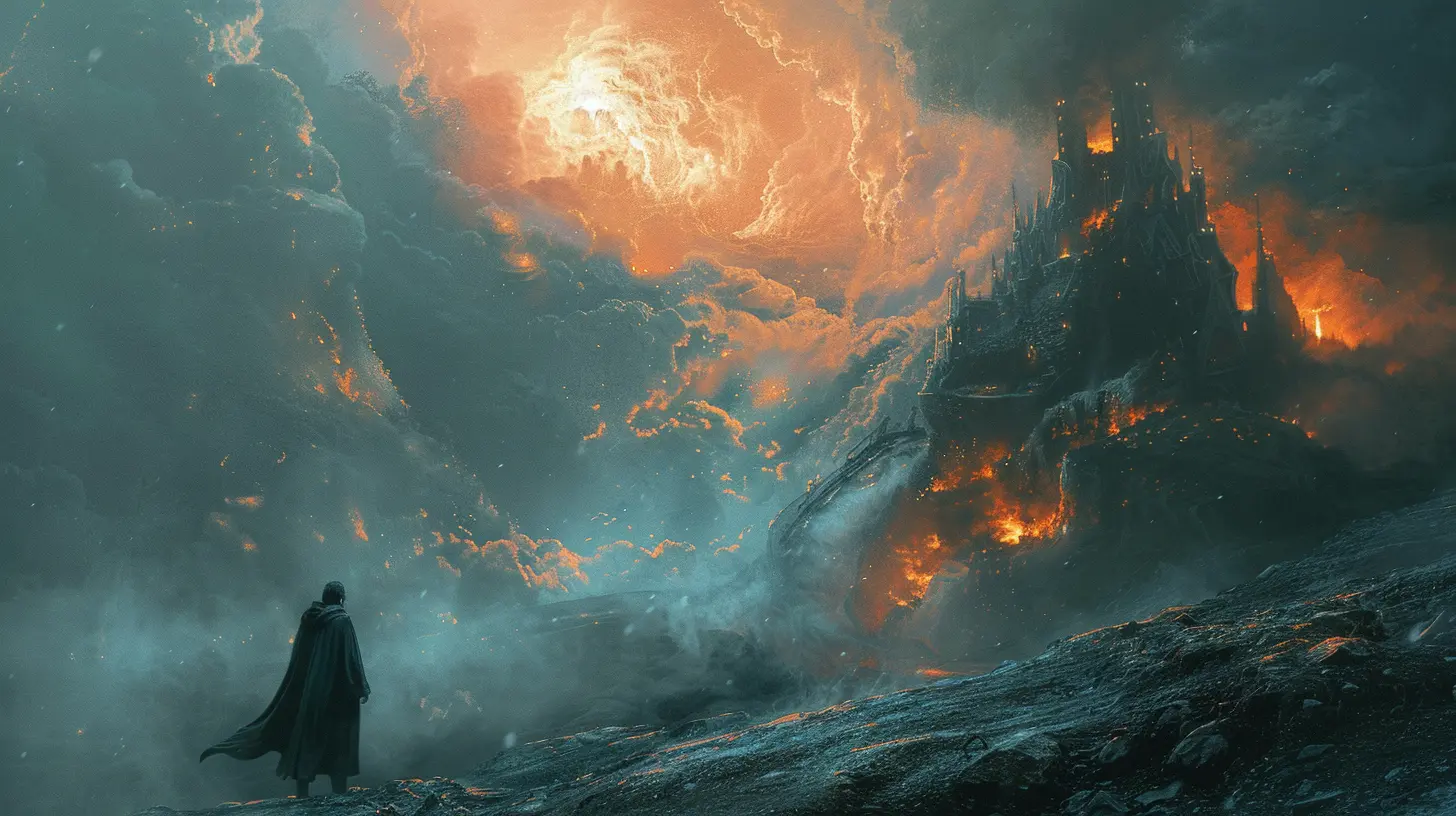
What Makes an Expansion "Go Too Far"?
Not all expansions are created equal. Some bring fresh life to tired systems, introduce well-balanced content, and keep players engaged for years. Others? Well, they're like that one band member who insists on a 10-minute cowbell solo.Here’s what usually tips the scale from "awesome" to "awful":
1. Loss of Core Identity
An expansion is supposed to add to the game, not replace it. When a game you love suddenly feels like a completely different experience, something’s gone sideways. If a cozy city-builder suddenly turns into a combat-heavy strategy sim, you've gotta ask: who is this really for?2. Overcomplication of Mechanics
There's a thin line between depth and confusion. Adding more rules, systems, or resources can enhance gameplay, but if players need a spreadsheet just to track their inventory or remember the rules, it's probably gone too far. Games should challenge you—not make you feel like you’re studying for a calculus final.3. Pay-to-Win Pitfalls
We’ve all seen it. An expansion comes out, and suddenly the person who paid for it has weapons of mass destruction while the rest of us are still flinging wooden spears. Competitive imbalance kills fun faster than a bugs-in-the-main-menu crash loop.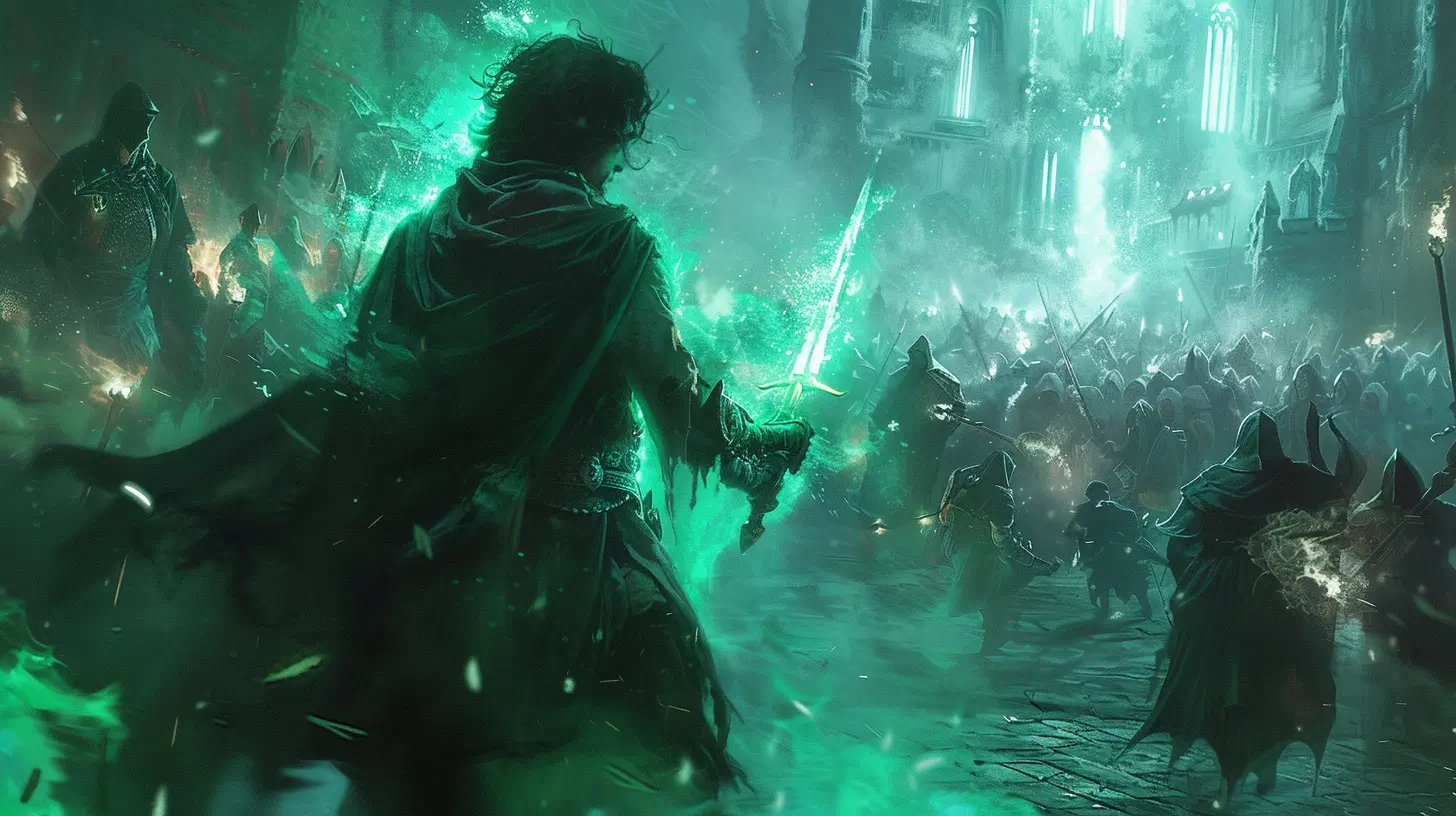
The Domino Effect: How One Expansion Can Wreck a Great Game
Let's paint a picture. You’re deep into a game you love. You’ve mastered the mechanics, nailed the meta, and then—boom—a new expansion drops. You’re pumped. New items, new quests, maybe even a new map.But then it begins.
That new sword? It does five times the damage of every existing weapon. That new character class? Virtually unkillable. The once carefully balanced mechanics are now in chaos.
What you’re experiencing is the "domino effect." One poorly balanced expansion can ripple through the entire ecosystem of a game and knock down everything that made it enjoyable in the first place.
Classic Cases of Expansion Overkill
Let’s walk down the hall of fame—or maybe shame—of expansions that went too far.? World of Warcraft: "Cataclysm"
Blizzard decided to literally blow up the old world. Zones were remade, quests rewritten, and entire gameplay systems revamped. Sure, it was ambitious—but many longtime players felt the soul of the original game was lost in the chaos. Think of it like remodeling your childhood home so much you can't recognize your old bedroom anymore.? Settlers of Catan: "Cities & Knights"
Great game. Brilliant expansion—but boy, does it change everything. Instead of a casual, resource-trading strategy game, suddenly you’ve got barbarians, city upgrades, and players racing towards tech trees. If you were looking for chill Sunday night vibes, this one turned the table (literally and metaphorically).? Skyrim: "Dragonborn"
Don't get us wrong—riding dragons is cool. But the power creep that came with it? Not so much. Suddenly, OG dragon fights felt like tackling toddlers, which kind of ruins the epic scale of the base game.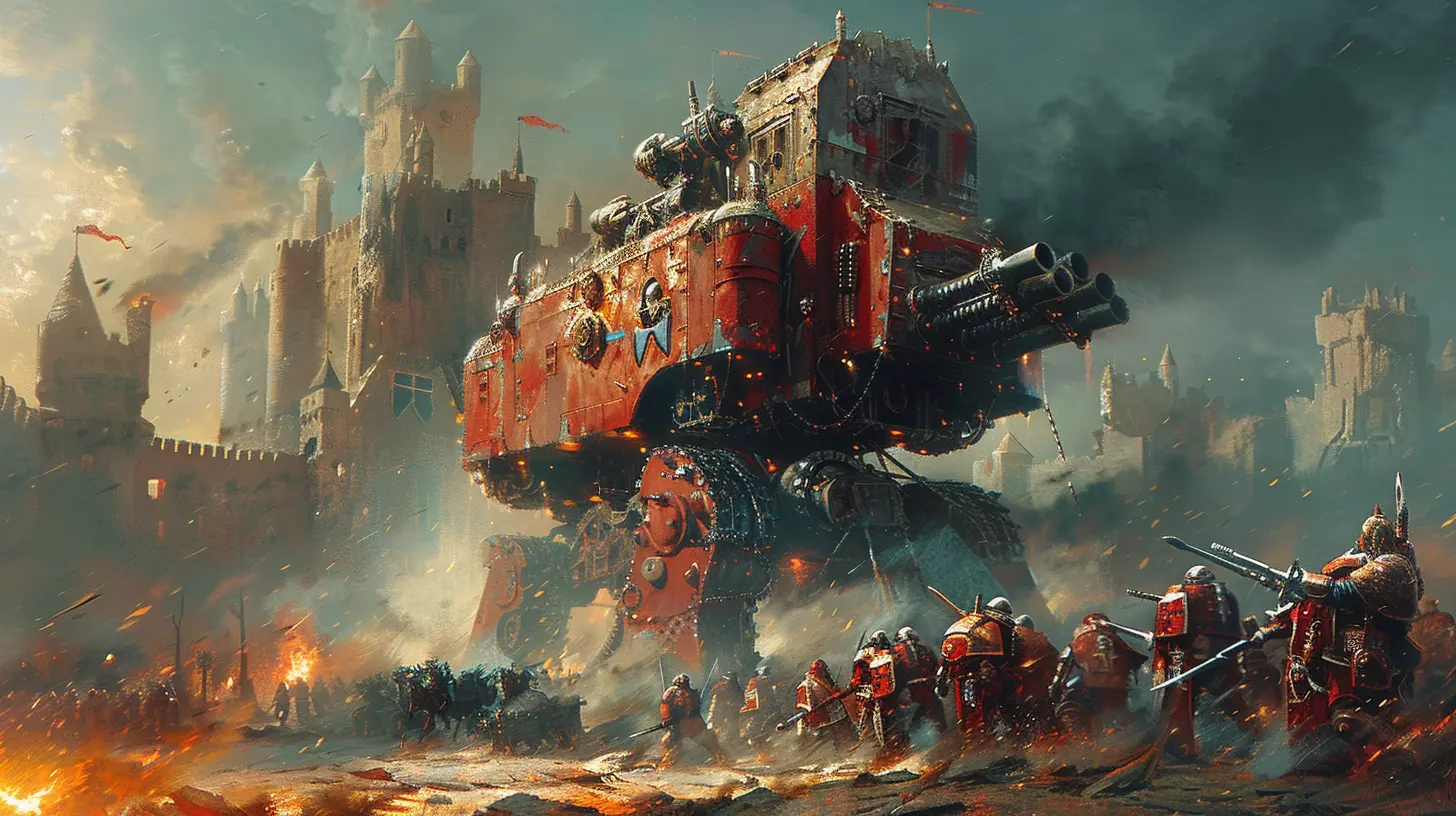
Why Do Developers Push the Limit?
Let’s be real—game developers aren’t trying to ruin your favorite pastime. So why do expansions keep wandering off the rails?1. The Pressure to Innovate
Gamers crave new stuff. New maps, new loot, new characters—we want it all. So devs feel pressure to deliver big updates. But in trying to keep things exciting, they sometimes overshoot the mark.2. Monetization Mania
In the age of live services and microtransactions, expansions are often used to squeeze more juice from the orange. That’s not always evil—studios need to survive—but it can lead to rushed content and imbalanced, cash-centric designs.3. Community Demands (Yes, We're Guilty Too)
Let’s own up. Gamers are a passionate, opinionated bunch. When enough players clamor for new mechanics or big changes, developers sometimes oblige—even when those changes don't really fit the core design. The result? Frankenstein expansions that try to please everyone but end up pleasing no one.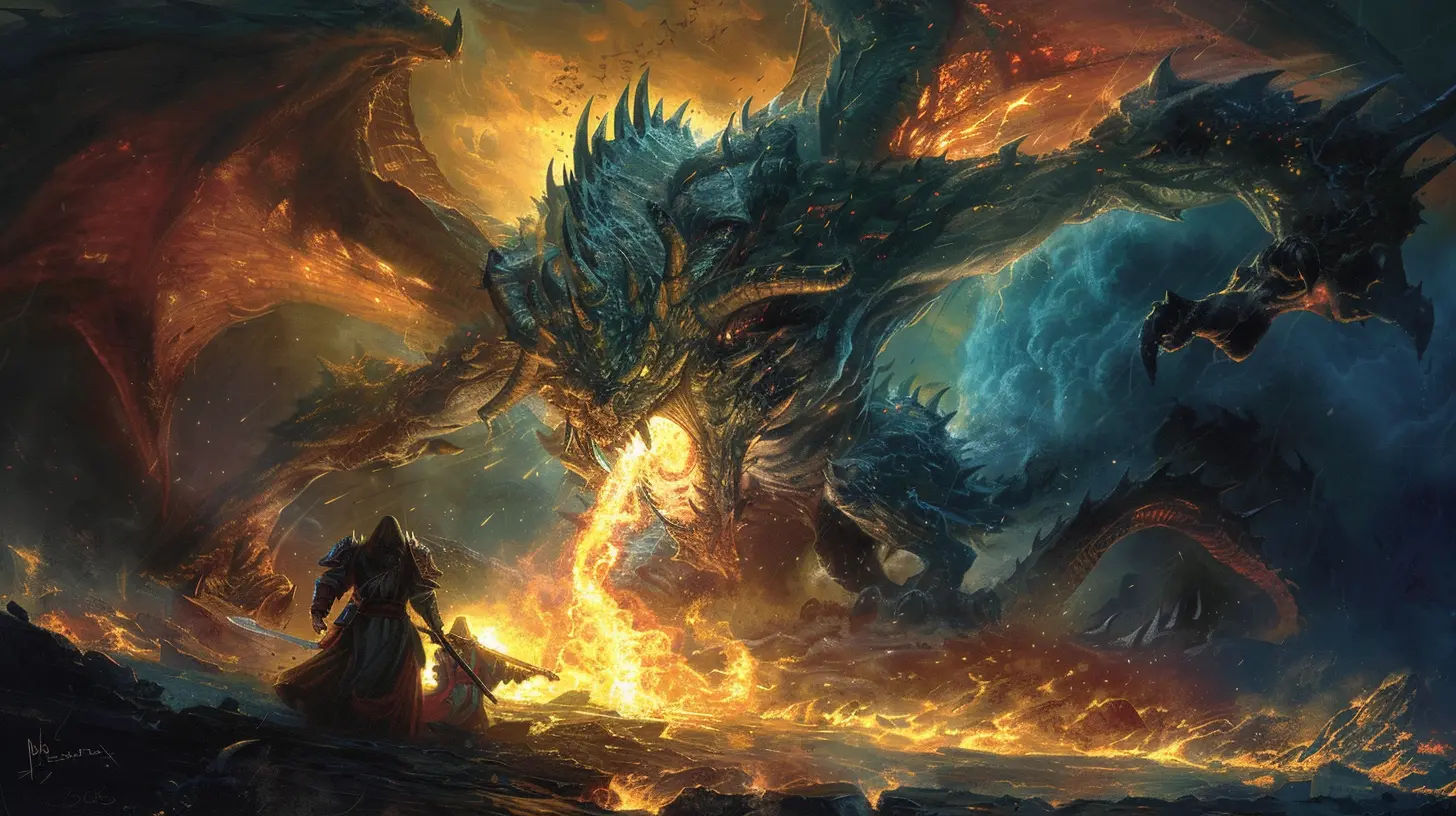
When Is an Expansion Just Right?
Okay, let’s not be all doom and gloom. Some expansions absolutely nail it. Think of them as a sequel that respects everything great about the original, AND adds meaningful depth.Here’s what makes them sing:
✅ Adds Depth Without Overload
Expansions should make you think, not make your brain melt. A well-crafted addition offers a few new pieces to the puzzle, not an entirely new puzzle with 5,000 pieces.✅ Respects the Original Game's DNA
The best expansions feel like they belong. They enhance the core gameplay loop instead of replacing it with something unrecognizable. They’re more like a fresh coat of paint—not an entirely new house.✅ Keeps the Playing Field Balanced
In multiplayer games especially, fairness is critical. Good expansions keep the power creep in check and give everyone—newbies and veterans—a fair shot at success.✅ Adds Replay Value
A great expansion should breathe new life into an old game, not make you wish you'd never installed it. If you find yourself saying "just one more turn" at 2AM, it probably did its job right.How to Spot a Red-Flag Expansion (Before You Buy)
Let's be proactive. Rather than falling into the trap of a $30 expansion that ends up collecting digital dust, here are some things to watch out for:? Check the Reviews (Especially Player Feedback)
Critics can offer insight, but user reviews often highlight gameplay issues that don’t show up in trailers or marketing material.? Watch for Feature Overload
If the expansion’s bullet list looks like a novella, it could be a sign it’s trying to do too much. A ton of features doesn’t always mean a better experience.? Follow the Money
If you see phrases like “premium-only content” or “pay-to-unlock abilities,” proceed with caution. These tend to skew balance and alienate the base community.? Ask: Does It Fit the Game’s Original Vision?
This one’s more subjective, but trust your gut. If you're watching the expansion trailer and thinking, “Wait, is this the same game?” — that’s a big ol’ red flag.The Community Reaction: It Matters
Gamers are vocal, and when an expansion hits—or misses—the mark, you’ll hear about it.One of the beautiful things about modern gaming is that developers now listen. Well, the good ones do. A strong community backlash can lead to patches, rebalances, and in rare cases, complete rollbacks of expansions gone wrong.
So if you’ve been burned by a bad expansion, don’t just uninstall and move on. Leave reviews. Join forums. Post feedback. Games are living, breathing ecosystems—and your voice matters.
Final Thoughts: Expansion or Explosion?
Expansions are a double-edged sword. Done right, they make great games unforgettable. Done wrong, they can take cherished mechanics and grind them into digital dust.The trick, both for developers and us as players, is balance. Staying true to what made a game great while exploring new creative territory is no easy task—but when the stars align? That’s when magic happens.
So next time you’re contemplating that shiny new DLC, ask yourself a few questions. Will this deepen your love for the game or shatter it? Is this evolution… or mutation?
Because in the world of gaming, more isn’t always better.
all images in this post were generated using AI tools
Category:
Game ExpansionsAuthor:

Greyson McVeigh