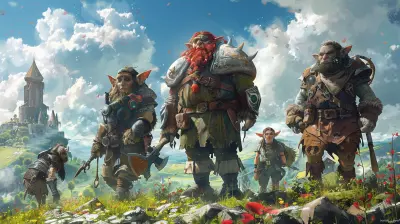
When Achievements Break the Fourth Wall
19 May 2026
Let’s be honest—achievements in games are usually just fancy digital stickers. You kill ten zombies, you get a medal. You finish a level in record time? Boom. Trophy unlocked. But what happens when those achievements start noticing you? When they don't just track your progress, but start talking back, teasing you, or even questioning your motives?
Welcome to the hilariously bizarre—and sometimes deeply unsettling—world of fourth wall-breaking achievements.

What Does "Breaking the Fourth Wall" Even Mean?
Before we dive headfirst into this rabbit hole, let's break down what it actually means to break the fourth wall. Traditionally, the "fourth wall" is that invisible wall separating the world of the characters from the audience—like a one-way mirror. In movies, theater, and yes, games, breaking that wall means the characters or the narrative acknowledge that you, the player or viewer, are out there.So when achievements break the fourth wall, they’re not just describing what's happening in the game—they're reacting to you, to the way you're playing, and sometimes even to what you're thinking. Pretty wild, right?

The Rise of Meta-Achievements in Gaming
Back in the day, achievements were simple. “Collect 100 coins.” “Defeat the final boss.” But as games started getting more complex—and more creative—some developers thought, “Hey, what if we mess with the player a little?”And thus, fourth wall-breaking achievements were born. These are the little gems that stop you mid-game and make you go, “Wait… what just happened?”
Sometimes they're hilarious. Sometimes they’re unsettling. But one thing’s for sure—they’re always memorable.
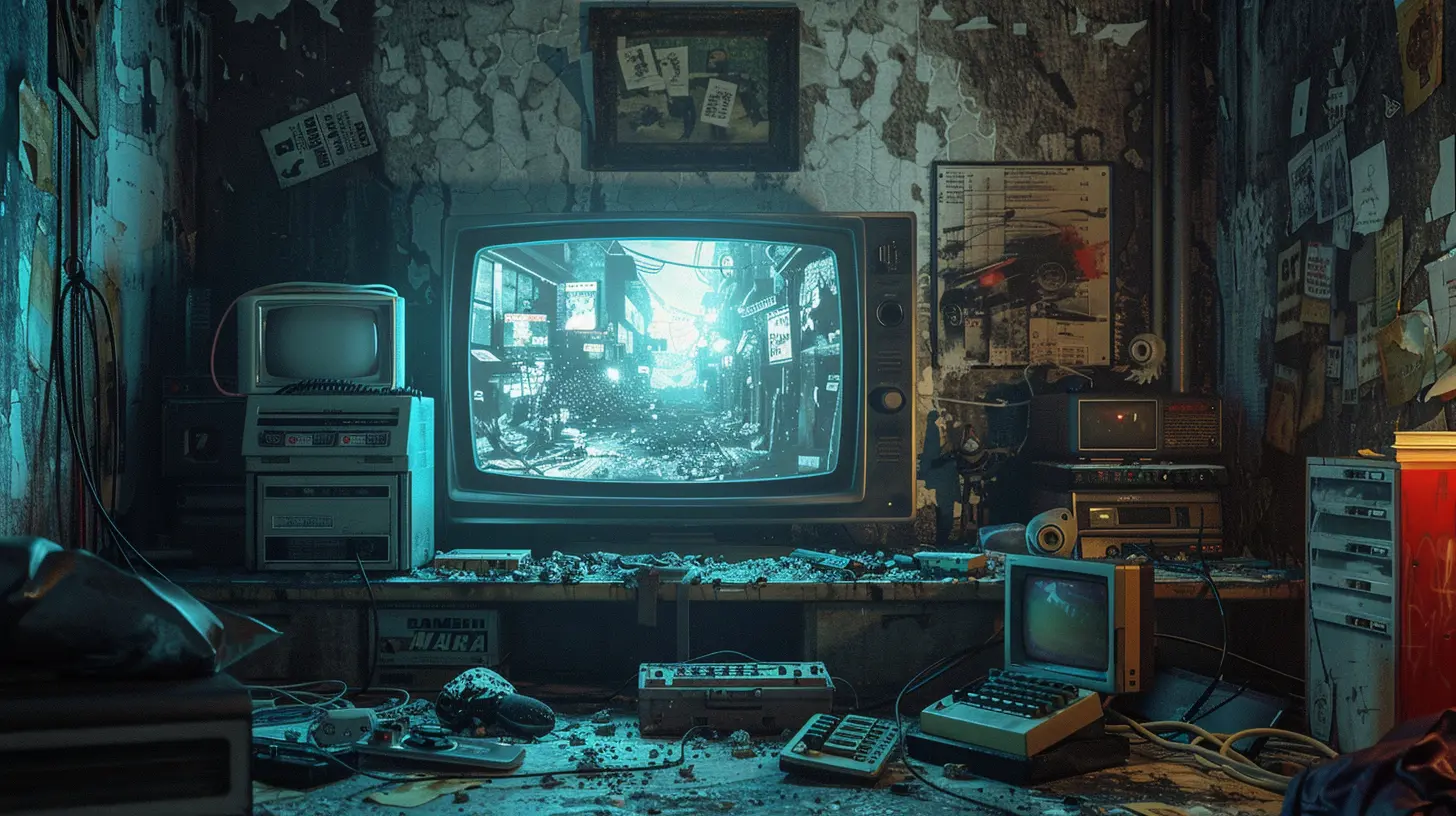
When the Game Knows You're Watching
Let’s talk about some of the most iconic (and mind-bending) examples of fourth wall-breaking achievements—and what makes them so powerful.1. “Achievement Unlocked” — The Satirical Masterpiece
If you’ve never heard of this game, you’re missing out on a meta-gaming marvel. It’s literally called Achievement Unlocked, and guess what the entire game is about? Yup—unlocking achievements. There’s no story, no enemies, no objectives—other than popping as many achievements as possible, some of which include “Press the Left Arrow Key” or “Exist.”It’s a straight-up satire of the achievement system in modern gaming. But ironically, in poking fun at achievements, Achievement Unlocked ends up being a love letter to them. It's like a stand-up comedian roasting the audience but also hugging them afterward.
2. “This Is the Only Level” — Where Your Knowledge Betrays You
From the same creator as Achievement Unlocked, this deceptively simple game features—you guessed it—one level. But every time you beat it, the rules change. This means your previous knowledge becomes your worst enemy.The achievements here often refer to your confusion, your repeated failures, and your inevitable overthinking. The game sees you, knows you’re trying to outsmart it, and basically says, “Nice try. Not today, pal.”
3. The Stanley Parable — The King of Meta
The Stanley Parable is basically a playable existential crisis wrapped in humor and served with a side of paranoia. Here, achievements range from the oddly specific (“Don’t play the game for five years”) to the utterly absurd (“Click on door 430 five times”).This game is terrifyingly aware of your intentions. Think you're being clever by disobeying the narrator? Jokes on you—that was the intended path. Every achievement feels like the game is laughing with you—and sometimes at you.
4. Undertale — When the Game Judges You
Toby Fox’s Undertale is a masterclass in emotional manipulation—er, I mean storytelling. This RPG can tell whether you’re playing nice or playing dirty. The game’s achievements reflect your morality. Did you go full genocide route? The game remembers. Forever.You’ll feel guilty. You’ll feel watched. You’ll feel like your little murder spree doesn’t just affect in-game characters—but affects you on an emotional and psychological level. Achievements here aren’t just rewards—they’re consequences.
5. Doki Doki Literature Club — You Thought This Was a Dating Sim, Huh?
If you haven’t played Doki Doki Literature Club, proceed with caution—and maybe a hug. It starts as your typical anime-style dating sim and then takes a hard left into psychological horror.The game actively tampers with your save files. Achievements react to your outside-the-game actions. Delete a character from the game directory? The game knows. It talks to you. It looks at you.
This is the kind of fourth wall break that makes you double-check your webcam.

Why Do Players Love These Weird Meta-Moments?
Alright, so why do we, as gamers, go absolutely bananas for achievements that mess with us? Let’s break it down.They Make Us Feel Smart
When a game acknowledges your cleverness (or trickery), you feel like you’re in on the joke. It’s like sharing an inside joke with the developers. You pushed a boundary, and instead of punishing you, the game awards you.They’re Unexpected
Games are predictable. Shoot the enemy, get loot. Solve the puzzle, get the key. But when an achievement jumps out and says “I see you, you little rebel,” it’s such a rare delight that it sticks with you forever.They Blur the Line Between Game and Reality
Let’s be honest—most games are escapism. But when a game reaches out of the screen and touches your real-life actions? That’s haunting. It’s unsettling. And that’s why we love it. It makes the experience so much more real—even if it’s just an illusion.The Psychological Impact: When Games Start Playing You
Alright, time to get real for a second.When achievements break the fourth wall, they do more than entertain—they mess with your head. They make you question your role in the story. Are you the hero? The villain? Just a puppet?
And once that line is blurred, it’s hard to forget. You take that feeling with you. Even days after turning off the console, you start wondering: Was that game just a game? Or was it something more?
Developers Love It Too—Here’s Why
It’s not just players who get a kick out of it. Game devs love playing the role of puppet masters. By designing fourth wall-breaking achievements, they turn the entire game experience into a conversation.It’s like they’re saying, “We see how you’re playing. We anticipated this. Here’s a surprise for being clever/annoying/persistent.”
That kind of feedback loop builds a deeper connection between player and developer. It’s not a one-way street anymore. It’s a dialogue.
So What Makes a Great Fourth Wall-Breaking Achievement?
Let’s break down the secret sauce. Not every cheeky message can count as a fourth wall masterpiece. The best ones usually have:- Awareness: They recognize something you, the player, did—not just your character.
- Humor or Emotion: They either make you laugh or absolutely destroy your mental state (there’s no in-between).
- Surprise: They come out of nowhere. The more unexpected, the better.
- Relevance: They tie into the game’s mechanics or narrative in a meaningful way.
It’s about designing moments that make the player go, “Wait… did the game just do that?”
Are More Games Doing This Now?
Oh, absolutely. As indie games continue to push boundaries and mainstream developers get more experimental, we’re seeing tons of new games embrace meta-narratives and fourth wall shenanigans.From Inscryption to Pony Island, developers are more willing than ever to break reality for the sake of a memorable moment.
And the best part? Players love it. These weird little easter eggs get shared, talked about, streamed, and memed to oblivion. They’re marketing gold—and genuine fan service at the same time.
Final Thoughts: Sometimes, the Game Plays You
So next time you boot up a game and earn an achievement that feels a little too self-aware, just smile. You’ve just stepped into the matrix. The game sees you. And whether it’s poking fun at your playing habits, applauding your stubbornness, or straight-up breaking your heart—it’s giving you a moment you won’t forget.Achievements used to be just about numbers. Now? They’re about feelings. And the best ones?
They break the fourth wall—and maybe a tiny piece of your mind, too.
all images in this post were generated using AI tools
Category:
Gaming AchievementsAuthor:

Greyson McVeigh
Discussion
rate this article
2 comments
Ford McCord
What a fun twist! Achievements that break the fourth wall add a playful layer to gaming. Keep the creativity flowing!
July 11, 2026 at 3:41 PM
Greyson McVeigh
Thanks for the feedback! I love how these achievements add a unique spin to the gaming experience.
Joel McKeehan
This article raises a fascinating point about how achievements can not only reward players but also create a unique connection between the game and its audience. It's interesting to see how breaking the fourth wall enhances immersion. Thanks for sharing these insights and prompting deeper thoughts about our gaming experiences.
May 30, 2026 at 4:07 PM
Greyson McVeigh
Thanks for your thoughts! I'm glad you found the link between achievements and immersion intriguing. It's fascinating how these elements shape our gaming experiences.