Top Games Where Your Choices Truly Matter
25 July 2026
Imagine this: you're standing at a digital crossroads inside a game, your finger hovering over a decision that could change everything. Do you save the innocent stranger... or let them die for the greater good? Do you lead with kindness or rule with fear? In some games, these aren't just flavor options—they ripple through the world like a thrown stone across calm water. Welcome to the thrilling realm of choice-based games, where every decision can carve a new path in the narrative forest.
In a gaming world filled with mindless button-mashing and linear storytelling, there's something intoxicating about knowing your actions genuinely matter. Whether you're trying to maintain moral integrity or embracing the chaos, some games are built entirely around your choices, forcing you to live with the consequences, both good and gut-wrenching.
So, ready to dive into the vortex of impactful storytelling and player agency? Buckle up. These are the top games where your choices truly matter.
? Why Do Choices in Games Matter, Anyway?
Before we jump into the list, let’s pause and ask—why do we even crave choice in games?Well, think of it like this: playing a game with no real choices is like riding on a train—you’re going somewhere, but you’ve got no control over the direction. Games where your choices matter? They’re more like driving a car. You stop where you want, take the scenic route, or veer off the road entirely. And when things go wrong? You’re the one behind the wheel.
These games make you feel in control, and that’s not just fun—it’s downright addictive.
? 1. The Witcher 3: Wild Hunt
Ah, Geralt of Rivia—monster slayer, weary traveler, and reluctant decision-maker extraordinaire.From the get-go, The Witcher 3: Wild Hunt throws moral dilemmas at you like a medieval game of dodgeball. There's rarely a “right” or “wrong” choice—just shades of messy gray. Save a young girl but unleash a deadly spirit? Help a betrayed lover or remain detached?
Even small side quests can come back to haunt you in unpredictable ways. And the main story? Your big calls shape the fate of kingdoms, entire lives, and your relationships. The multiple possible endings aren't just cosmetic—they're earned through hours of nuanced choices.
Think of it as a butterfly effect simulator wearing chainmail.
?️ 2. Detroit: Become Human
This one’s for the sci-fi fans and moral philosophers in the crowd.Detroit: Become Human is a narrative-heavy game where you control three androids in a near-future world where AI seeks freedom. Each choice you make—big or small—can completely reshape the story.
Characters can die early. Revolutions can rise or fall. Relationships can blossom or shatter. And you’ll find yourself pausing the game just to think, “Wait… what should I really do?”
It's not just what you do; it’s how you do it. With over 40 possible endings, the game branches like a thunderstruck tree.
Playing it once? That's cute. You’ll want to see how deep the rabbit hole really goes.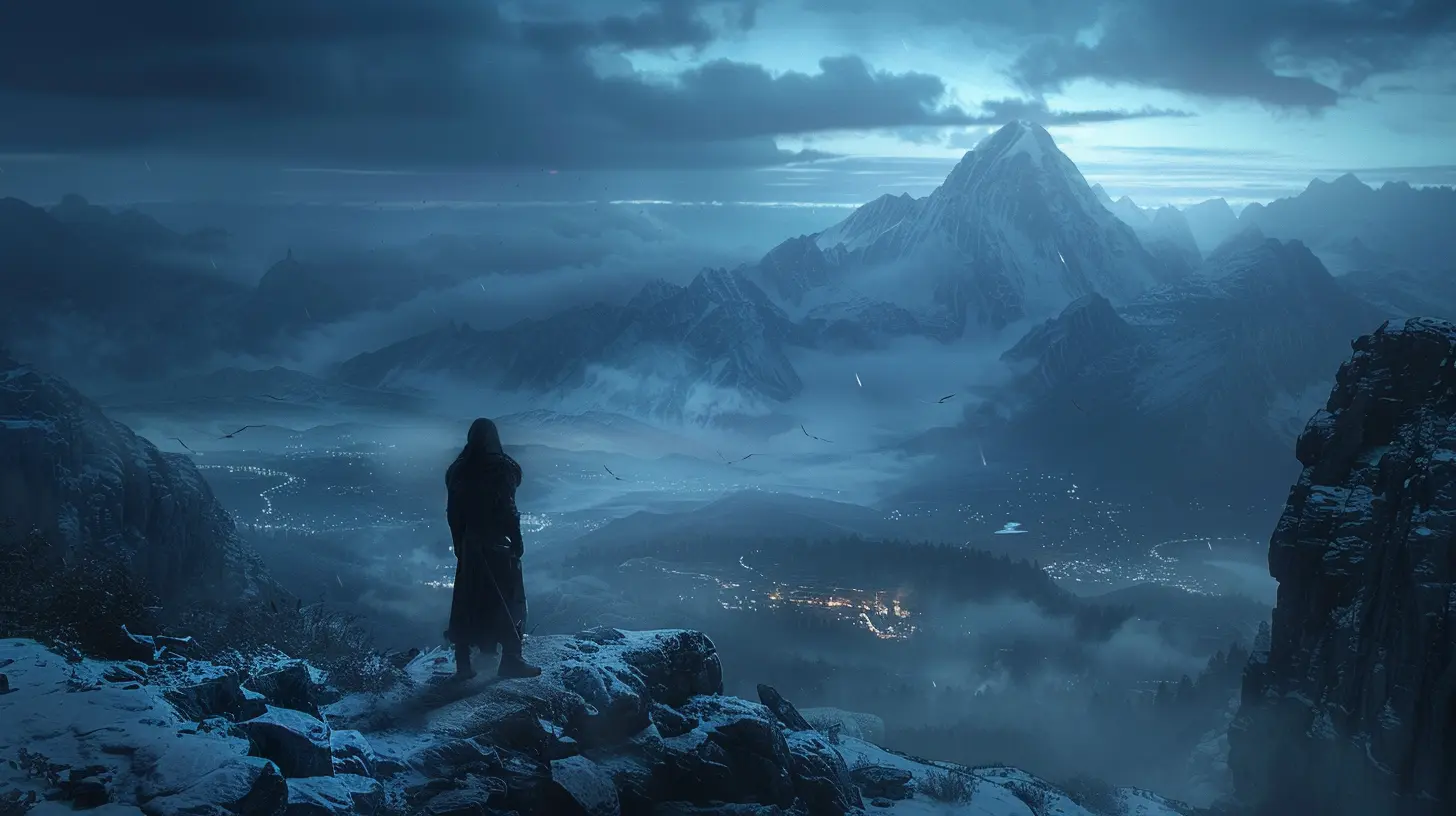
? 3. Until Dawn
What happens when you mix horror, teenage clichés, and a “no one is safe” mindset?You get Until Dawn, a dark and jump-scare-filled masterpiece where every decision could mean life or death. It’s a slasher flick brought to digital life, and you’re holding the script.
The Butterfly Effect mechanic ensures that even the tiniest choices—like investigating a noise or choosing not to—can decide who makes it to dawn. And trust me, it’s a gut punch when someone dies because of a choice you made three chapters ago.
It’s like playing god with sweaty palms.
✊ 4. Life is Strange (Series)
If you’ve never played Life is Strange, get ready to feel like your heart's been wrung out like a sponge.The choices here aren’t about war or survival—they’re intimate, emotional, and deeply human. Do you stand by your friend or try to move on? Do you reveal someone’s secret or protect them?
The original game introduces time travel, so you can immediately rewind and see the other outcome. But that only makes decisions harder. When you know how each road plays out, the weight of your final choice hits harder.
Each entry in the series carries this same emotional punch. It’s not about good vs. evil—it’s about love, pain, and being human.
? 5. Heavy Rain
If you love noir thrillers and don’t mind getting emotionally wrecked, Heavy Rain is essential.You play as four characters tangled in the mystery of the Origami Killer. Your decisions don’t just influence dialogue—they decide who lives, who dies, and whether justice is served.
Forget checkpoints and hand-holding. Mess up? Someone could die. And that’s that. No redo. The tension becomes unbearable in the best way possible.
Every time you pick up the controller, you’re walking a tightrope, and the safety net is nowhere in sight.
? 6. Mass Effect Trilogy
This space opera isn’t just about shooting aliens—it’s about forging relationships and building a legacy across galaxies.From the first game’s opening hours to the final moments of Mass Effect 3, the decisions you make as Commander Shepard carry over. That’s right—your choices travel across three entire games.
Do you save a species? Romance a squadmate? Choose diplomacy or destruction? These choices culminate in epic, often heartbreaking consequences.
Sure, some fans debated the final ending. But the emotional investment leading up to it? Unparalleled.
? 7. The Stanley Parable
Alright, time to get weird.The Stanley Parable isn’t your typical choice-based game. You play as Stanley, a corporate drone in an empty office building. A narrator tells you what to do—but do you obey?
The magic lies in defiance. Go left when he says right. Stay silent when he asks questions. The game reacts hilariously, sometimes existentially, to every deviation.
It’s clever, meta, and oddly profound. Your choices are the game.
It’s like if Inception had a lovechild with Office Space.
? 8. The Walking Dead (Telltale Series)
You knew this one was coming.Telltale’s The Walking Dead series redefined emotional storytelling in games. From the very first season, where you play as Lee trying to protect young Clementine, to the final season where she becomes the mentor—every. Single. Choice. Hurts.
Who lives, who dies, how characters see you—it’s all up to your moral compass. The game tracks your decisions, often throwing them back in your face later. And when characters remember what you said or did? Guilt hits hard.
You’ll find yourself staring at the “This choice will be remembered” message like it’s judging your soul.
? 9. Vampyr
Now here’s a deliciously dark addition to the list.In Vampyr, you’re a doctor-turned-vampire in a plague-ridden London. You need blood to survive—but every NPC has a backstory, relationships, and consequences tied to their existence.
Will you feed on the innocent to grow stronger? Or struggle and starve to retain your humanity?
The more you kill, the more power you gain… but the city decays alongside your soul. It’s a beautiful, bloody balancing act.
? 10. Disco Elysium
Let’s end with a mind-bender.In Disco Elysium, you play a washed-up detective trying to solve a murder. But it’s not the crime that defines the game—it’s you.
Every choice, from your moral compass to your internal thoughts, shapes your story. Your dialogue, thoughts, even your brain chemistry can shift the narrative in wildly different directions.
It’s like playing chess with your own psyche.
There’s no combat. No hero’s journey. Just choices—raw, weird, and brutally introspective.
? Final Thoughts: Your Story, Your Consequences
The truth is, we need games where choices matter. They remind us that agency is powerful—and sometimes dangerous. They mirror real life in all its murky, unpredictable, and beautiful complexity.Each of the games on this list doesn’t just tell you a story. They ask you to shape it… and then live with what you’ve made. That’s not just good game design—it’s unforgettable storytelling.
Next time you're itching to play something with heart, brain, and genuine stakes—remember this list.
And remember... sometimes, even choosing not to choose is a choice all its own.
all images in this post were generated using AI tools
Category:
Top GamesAuthor:

Greyson McVeigh