The Role of Storytelling in Game Expansions
20 May 2026
If you’ve ever played a game that totally sucked you in, chances are it wasn’t just because of flashy graphics or tight combat mechanics—it was the story. Now, let’s take that a step further: what about when that same game drops an expansion? Does the story really matter there too? Absolutely. In fact, storytelling in game expansions can make or break not just the new content, but your entire experience with the game as a whole.
Let’s dive deep into why storytelling holds such a powerful place in game expansions, how it shapes gameplay, fuels the hype, and keeps players like you and me coming back for more.

Why Storytelling Matters in Expansions More Than Ever
So here’s the deal—main games already do the heavy lifting. They set the world, introduce characters, kick off major plotlines. But expansions? That's where games prove they’ve got staying power. They need to keep us hooked, and storytelling is the glue holding it all together.Think of it like your favorite TV show. The pilot season gets you in, sure, but the later seasons? That’s when things get juicy. The same rules apply to games. Expansions are either a deep dive into the lore or a bold new chapter. The question becomes: can the game not just continue the story but make it richer, deeper, and even more exciting?
Adding Depth, Not Just Size
Let’s be real—there’s a difference between just throwing more stuff into a game and actually building on what’s already there. And that’s where storytelling shines.Expansions Aren’t Just DLC with Extra Maps
Yes, a new map, a new raid, or a new class is cool. But what pulls us back into the game world isn’t just a shiny new sword. It’s why we’re wielding that sword. Who we’re fighting. What’s at stake.Narrative expansion lets devs build on relationships, explore consequences from the base game, and introduce new conflicts that actually make sense—not just “yo, this big bad guy suddenly showed up, go beat him.”
Emotional Investment = Player Retention
Storytelling makes us care. And when we care, we stick around. It’s as simple as that. A well-told expansion story reminds you why you fell in love with the game in the first place.Whether it's the fate of a beloved character, an unexpected betrayal, or unlocking hidden truths about the world—you’re emotionally hooked. And when you're emotionally hooked, you’re far more likely to re-invest time, money, and attention.
Evolving the World, Not Just Extending It
Games are living things, especially online or service-based ones. Their worlds grow, change, adapt. Expansions that tell meaningful stories let the game world evolve alongside the player base.Lore Lovers Rejoice
Hardcore lore fans eat this up. Every new corner of the map is a chance to answer a question or pose a new mystery. A good expansion doesn’t just answer “what happened after the main quest?” It digs deeper: “What led to these events? What’s the real history?”This is how worldbuilding stays fresh and exciting. It’s not just about creating new locations—it’s about embedding those places into the lore in meaningful ways.
Creating New Entry Points
Believe it or not, expansions are often the first point of introduction for new players. Solid storytelling helps make these expansions feel like welcoming doorways rather than giant locked gates. Players should feel intrigued, not overwhelmed.A tightly woven narrative can help guide new players through the chaos, giving them a reason to care from the start—and maybe pushing them to go back and experience the base game too.
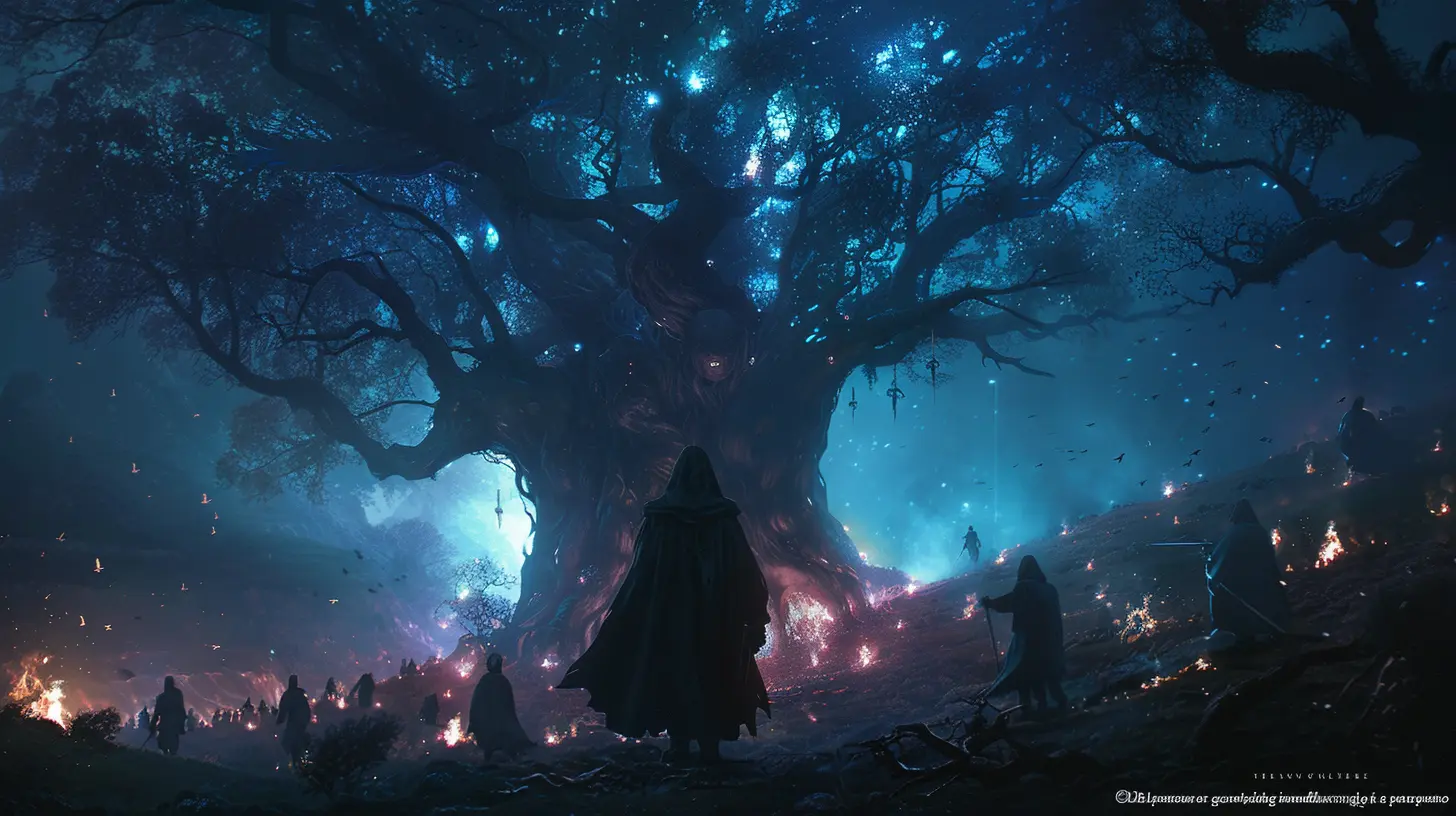
Characters That Grow With You
Static characters? Boring. We want to see growth. Conflict. Complexity. And expansions give developers a second chance to bring characters to life in a way that might not have been possible in the base game.Maybe a side character from the main story ends up becoming a major player. Or a former villain turns ally. That’s the kind of emotional whiplash we live for!
Player-Driven Choice
Some of the best expansions lean into player choice. Think “your decision in the base game just came back to haunt you” kind of moments. That’s when you realize your actions mattered—and that’s a huge storytelling win.This level of interactive narrative keeps you on your toes and deepens your emotional connection with the world. Suddenly, you're not just a player. You're a legend in a story that reacts to you.
Let’s Talk Gameplay – Storytelling as a Design Pillar
Okay, so we’ve been fangirling over narrative and characters—but what about actual gameplay? Don’t worry, storytelling weaves into game mechanics too.Quests That Actually Mean Something
How many times have you done a fetch quest that felt completely pointless? Too many, right?Now imagine that same quest, but it’s tied to a character’s backstory or reveals something shocking about the world. Suddenly, you give a damn. That's the power of context. Story transforms a basic mechanic into something memorable.
Boss Fights With Narrative Weight
There’s something deeply satisfying about facing a boss you’ve been hearing whispers about for hours—a villain with a backstory, whose motives you understand, even if you hate them.Compare that to a random beast you fight just because it’s “the next big thing.” Story turns bosses into milestones, not roadblocks.
Bringing the Community Together
Here’s one thing devs often aim for with expansions: reigniting the community. And storytelling can do exactly that.When players debate theories, speculate on endings, or create fan fiction, they engage with the game on a completely different level. It becomes a shared cultural experience, not just solo gameplay.
Shared Emotional Moments
Remember when everyone freaked out about that moment in an expansion? (Yes, you know the one.) Those shared emotional experiences bond communities.Whether it’s the death of a character, a surprise twist, or a feel-good reunion, storytelling lets players share their reactions, creating a richer community vibe.
Examples That Nailed It
Let’s shout out a few iconic expansions that nailed storytelling:- The Witcher 3: Blood and Wine – This wasn’t just an expansion; it was practically a sequel. New regions, complex characters, and a plot that felt fresh but familiar.
- World of Warcraft: Wrath of the Lich King – Remember Arthas? Yeah, that expansion made every encounter feel personal. His story was central, and players knew this was more than just a raid; it was a showdown years in the making.
- Final Fantasy XIV: Shadowbringers – Dark, emotional, masterfully written. Tons of players say this expansion alone elevated the entire game.
These examples prove you can expand a game’s universe and still stay rooted in strong, meaningful storytelling.
Challenges in Expansion Storytelling
Now, storytelling in expansions isn’t all sunshine and dragon slaying. There are real challenges.Continuity and Retcon Woes
Ever seen a sequel that acts like the first story never happened? Super frustrating, right? Poorly designed expansions can mess with established lore or ignore earlier choices. That’s a fast track to breaking immersion.Good devs plan ahead, respecting what came before while paving the way for more.
Balancing New and Returning Players
It’s tricky to write a story that grips longtime fans while not alienating newcomers. The best expansions sneak in context clues for new players without boring veterans. A fine art, but when it's done right, it's magical.The Future: Expansions as Episodic Storytelling
Look, the gaming world is shifting. With live-service models, seasonal updates, and story arcs that unfold over months—expansions are starting to feel more like TV seasons.Episodic Hooks
More devs are leaving cliffhangers at the end of expansions. Why? To keep you coming back. To make the wait for the next content drop somehow bearable (even when it’s not).That’s what storytelling does—it makes even the wait feel exciting.
A Living, Breathing Narrative
Games aren’t static anymore. Stories evolve based on player feedback, decisions, and time. Expansions aren’t just content—they’re chapters in a living book we’re all reading (and writing) together.
Final Thoughts: The Soul of a Game Lies in Its Story
At the end of the day, we all want to feel something when we play. A rush of victory. A pang of sorrow. The thrill of discovery. And that emotional core? That’s storytelling.Expansions that prioritize story don’t just add content—they add heart. They respect your time, your choices, and your love for the game. They remind you why you started playing in the first place.
So next time an expansion drops, don’t just ask “what new stuff is there?” Ask “what’s the story?” Because that’s where the magic truly begins.
all images in this post were generated using AI tools
Category:
Game ExpansionsAuthor:

Greyson McVeigh
Discussion
rate this article
2 comments
Mercy McFee
Game expansions thrive on storytelling. Engaging narratives not only enhance gameplay but also deepen player connections, making the experience unforgettable and driving continued interest in the franchise.
July 18, 2026 at 2:46 AM
Greyson McVeigh
Absolutely, strong storytelling can transform an expansion into a memorable journey, keeping players invested and eager for more.
Roxie Frye
Game expansions that prioritize storytelling can deepen player engagement and enrich the overall experience. A well-crafted narrative not only enhances gameplay but also provides a meaningful connection to the game world and its characters.
May 21, 2026 at 2:35 AM
Greyson McVeigh
I completely agree. A strong narrative can transform how players relate to the game, making every moment more impactful and memorable.