The Role of Sound Design in Elevating Immersion in Games
28 November 2025
Imagine playing your favorite game on mute. Sounds weird, doesn't it? You might be able to see everything happening on the screen, but something feels missing. That's how crucial sound design is in making games come alive. It’s not just about background music—though that’s a big part of it—it’s also the footsteps on gravel, the distant howl of a wolf, or the chilling creak of a door in a dark corridor. These small yet powerful details weave a world that's not only seen but felt.
In this blog post, let’s dive deep into how sound design takes gaming immersion to the next level. Whether you're a casual gamer or a devout enthusiast, by the end of this, you may find yourself paying more attention to all those jaw-dropping sound moments in your next playthrough.
What Is Sound Design in Gaming?
First off, let’s break it down—what exactly is sound design? In gaming, sound design refers to the creation, blending, and integration of all audio elements. This includes music, sound effects (like a sword clanging or a grenade exploding), ambient noises, character voices, and even silence (yes, silence is a tool too!).Good sound design isn’t just about throwing in any old sound effect to match an action. It’s about crafting a sonic identity that supports gameplay, enhances storytelling, and boosts the overall feel of the game. It's like the cherry on top of an already delicious cake—it completes the experience.
Why Sound Is the Unsung Hero of Game Immersion
1. It Sets the Mood and Atmosphere
Have you ever noticed how unsettling a horror game can feel, even before a single jump scare? That’s largely thanks to the eerie music and unsettling background sounds. Think of games like Dead Space or Silent Hill—their audio design makes you feel like you’re part of a nightmare. Without it, those games wouldn’t feel half as terrifying.Now flip the script and look at an open-world adventure game like The Legend of Zelda: Breath of the Wild. The serene, almost meditative background music perfectly complements the visuals. The rush of wind, birds chirping, and subtle piano melodies make you feel at peace. It's like the game whispers, “Take your time. This world is yours to explore.”
2. Audio Cues Guide the Player
Ever noticed how games use sound to give you hints without outright telling you what to do? That’s smart sound design in action. For example, in stealth games like Dishonored or Hitman, the audio changes when an enemy spots you. The heightened tension in the music signals you to act fast or rethink your strategy.Even in platformers like Mario, the happy little coin-collection "ting!" sound or the "one-up" jingle immediately tells you you've done something right. It’s like the game is cheering you on.
3. It Enhances Emotional Impact
Let’s talk feelings. One of the most memorable elements of a game is how it makes you feel. Sound plays a massive role here. Take The Last of Us, for instance. Its melancholic acoustic guitar soundtrack adds an emotional weight to every scene, making you feel Joel and Ellie’s struggles on a deeply human level.On the flip side, upbeat and triumphant soundtracks (think Halo or Final Fantasy) can make victories feel monumental. It’s like the sound wraps around your heart and pulls you into the moment.
The Ingredients of Great Sound Design
So, what makes sound design in games so impactful? Let’s break it down:1. Dynamic Soundtracks
Dynamic soundtracks adapt to your in-game actions. You know those moments when the music shifts as you enter a battle or escape a dangerous situation? That’s dynamic audio doing its thing. One moment you're strolling through a quiet forest, and the next, drum beats and horns surge as enemies ambush you. It adds an adrenaline rush—and who doesn’t love that?2. 3D Spatial Sound
If you've ever used a good pair of headphones while gaming, you've probably noticed how sound seems to come from specific directions. That’s 3D spatial sound at work. It’s especially crucial in immersive VR games or first-person shooters like Call of Duty or PUBG. Hear footsteps closing in from behind? You’d better spin around quickly!This tech mimics real-world hearing, making you feel like you’re truly “there.” It’s not just sound—it’s spatial awareness.
3. Ambient Noise
The little things matter. Ambient noise might not take center stage, but it lays the foundation for believability in a game world. In a bustling city, it’s the chatter of NPCs, honking cars, and distant train horns. In an enchanted forest, it’s rustling leaves, bubbling brooks, and the occasional bird song.Without ambient noise, a game world would feel static, like a pretty postcard instead of a living, breathing space.
4. Silence Can Be Loud Too
Sometimes, the most powerful sound... is no sound at all. Strategic use of silence can heighten tension and anticipation. Think of the moments before a boss fight or a suspenseful cutscene. The absence of sound makes you hold your breath, waiting for something big to happen.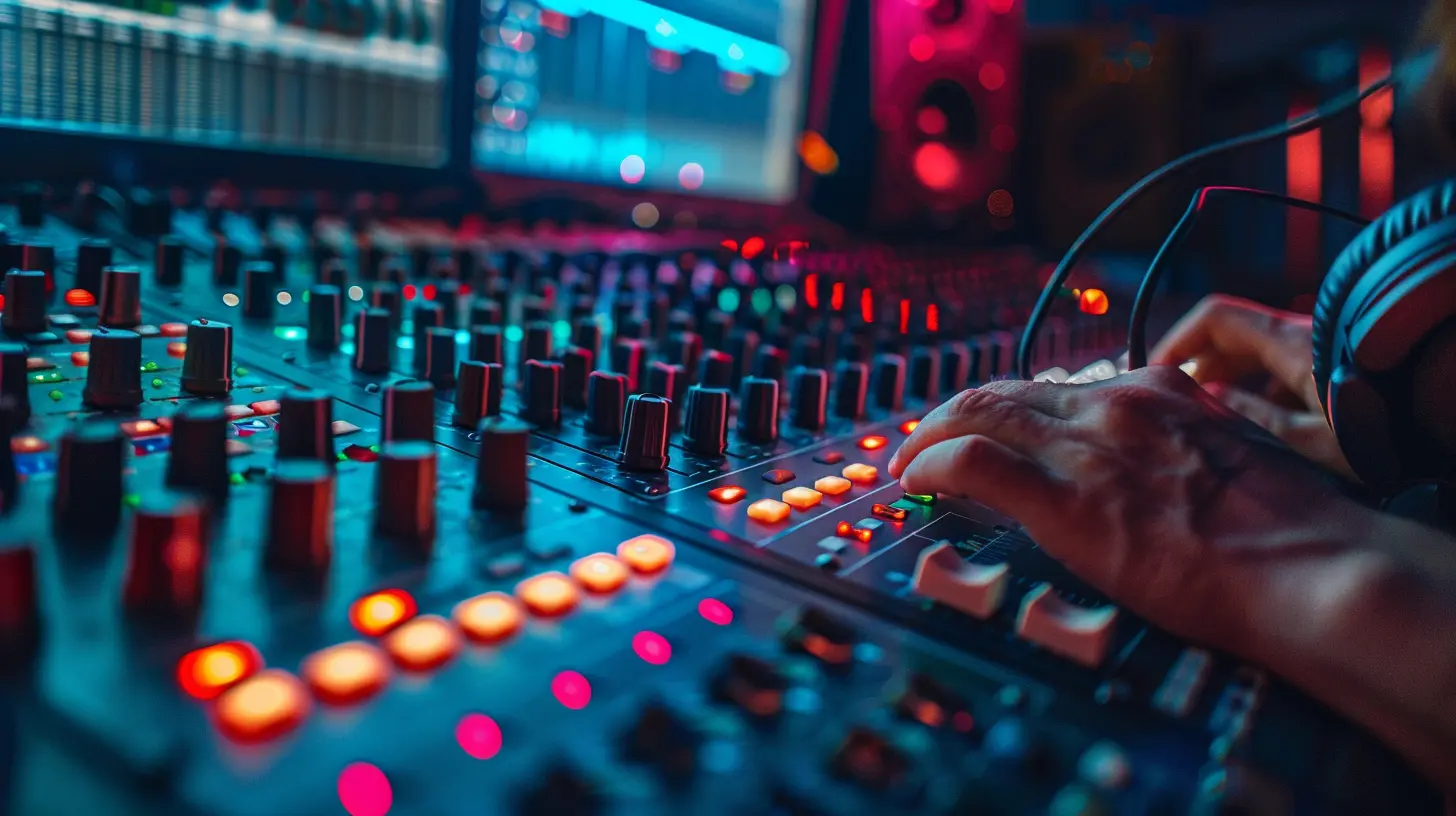
Examples of Games Nailing Sound Design
It’s one thing to talk about it, but let’s look at some standout examples where sound design truly elevated the gaming experience:- Hellblade: Senua's Sacrifice: This masterpiece uses binaural audio to replicate the feeling of hearing voices in your head. It’s haunting, disorienting, and incredibly immersive.
- Red Dead Redemption 2: The rustling grass, chirping crickets, and galloping horses make the Wild West feel like a real, tangible place. Each sound is meticulously detailed.
- DOOM (2016): The pulse-pounding metal soundtrack syncs perfectly with the frenetic gameplay. It’s like each riff tells you to keep pushing forward.
How Developers Perfect the Art of Sound Design
Did you know that sound designers sometimes go to extreme lengths to create authentic audio? They might bang pots and pans together to mimic metallic clashes or record storm sounds in the real world for that perfect thunder effect. It’s part science, part art.They also use high-tech tools, like synthesizers, sound libraries, and advanced mixing software, to shape their creations. And let’s not forget about voice acting—games like God of War wouldn’t have the same emotional punch without stellar vocal performances.
How Gamers Can Appreciate Sound Design
Alright, so how can you, as a gamer, truly appreciate sound design? Simple: next time you boot up a game, pay attention. Pop on a great pair of headphones, close your eyes during a cutscene, and soak in the atmosphere. Notice how the sounds complement the visuals and gameplay. Trust me, it’ll enhance your appreciation for the craft.The Future of Sound Design in Games
With advancements in AI and audio tech, the possibilities for sound design are limitless. Imagine fully adaptive music that responds to your emotions or soundscapes that react to your every decision. The gap between virtual worlds and reality will only get smaller—and sound design will play a major role in that evolution.Final Thoughts
Sound design is the unsung champion of video games. It’s the glue that holds everything together, turning a bunch of pixels and polygons into an unforgettable experience. Next time you’re gaming, take a moment to appreciate the incredible craft behind every footstep, explosion, and melody. Because without sound, games would feel... well, pretty hollow. And who wants that?all images in this post were generated using AI tools
Category:
Game DevelopmentAuthor:

Greyson McVeigh
Discussion
rate this article
2 comments
Aubrey Garcia
Great read! Sound design truly makes gaming worlds come alive—turn up the volume!
December 15, 2025 at 5:21 AM
Greyson McVeigh
Thank you! I completely agree—sound design is key to creating immersive gaming experiences!
Xavi McWilliams
Sound design transforms gameplay, creating emotional connections that visuals alone cannot achieve.
November 29, 2025 at 4:55 AM
Greyson McVeigh
Absolutely! Sound design is a powerful tool that deepens immersion and evokes emotions, enhancing the overall gaming experience in ways visuals can't fully capture.