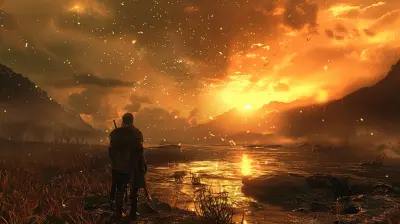
The Rise of Environmental Storytelling in Level Design
15 August 2026
Let’s face it—nobody wants to be spoon-fed a story anymore. Gamers today crave immersion and subtlety, and what better way to deliver that than through environmental storytelling? If you're a gamer, game designer, or just someone who nerds out over game worlds (like I do), then you already know how powerful a well-designed level can be. It’s not just about beautiful graphics or complex puzzles anymore—it’s about telling a story without uttering a single word.
In this article, we’re diving deep into the rising trend of environmental storytelling in level design, how it works, why it matters, and where it's headed. Trust me, by the end of this piece, you’ll be seeing your favorite games in a whole new light.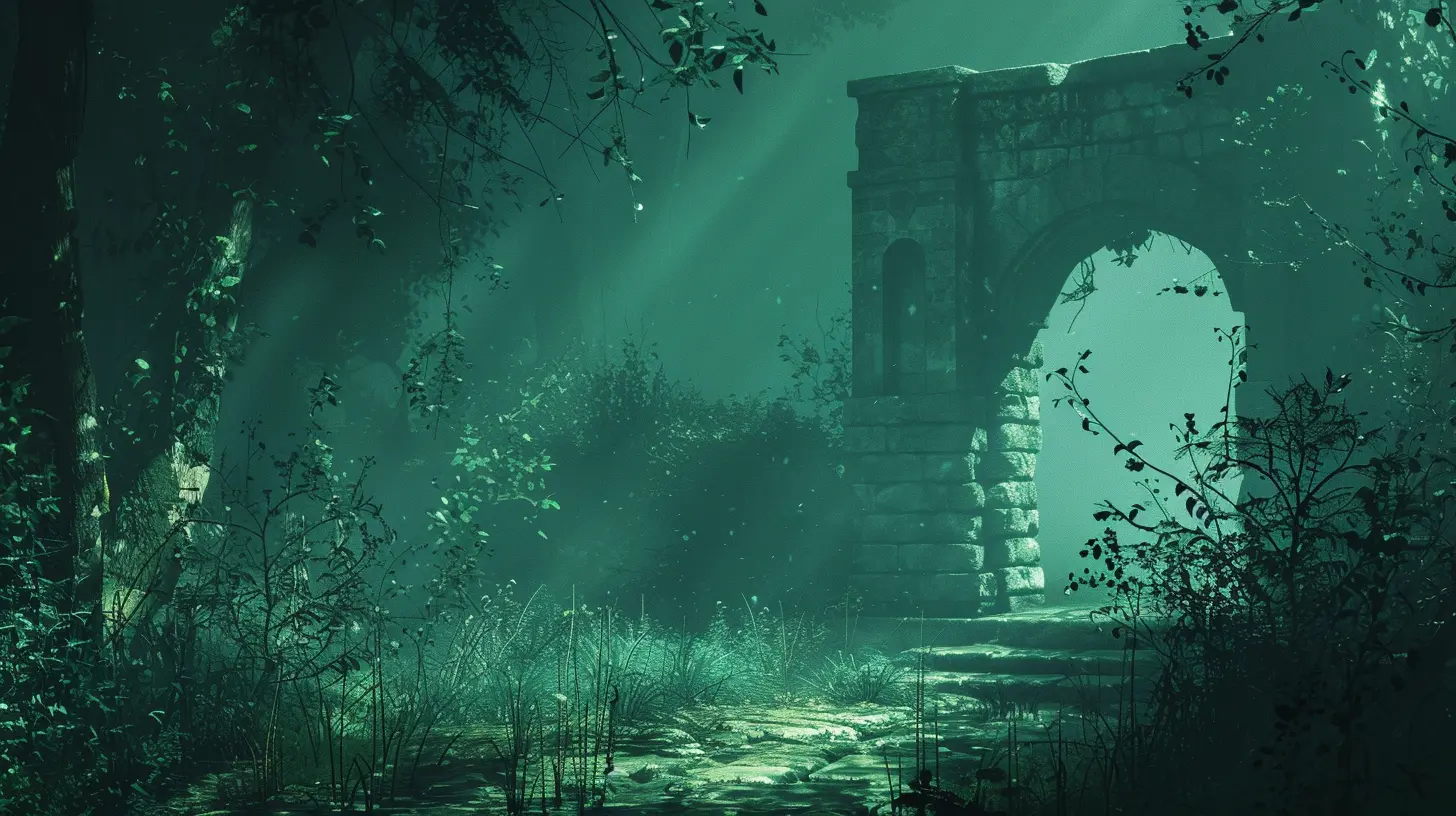
What Is Environmental Storytelling, Anyway?
Let’s unpack the term a bit. Environmental storytelling is the art of using a game’s environment—its visuals, layout, props, and more—to tell a story. No text, no dialogue, no cutscenes. Just the world around you whispering its secrets.Think of it like walking into someone’s apartment. You don't need them to tell you they’re a cat lover when there’s fur on the couch, toy mice scattered around, and a big ol’ cat tree in the corner. The space tells you everything.
In games, this often shows up as abandoned houses with broken chairs facing the window, blood trails leading to locked doors, or graffiti hinting at a rebellion. It's storytelling that rewards curiosity.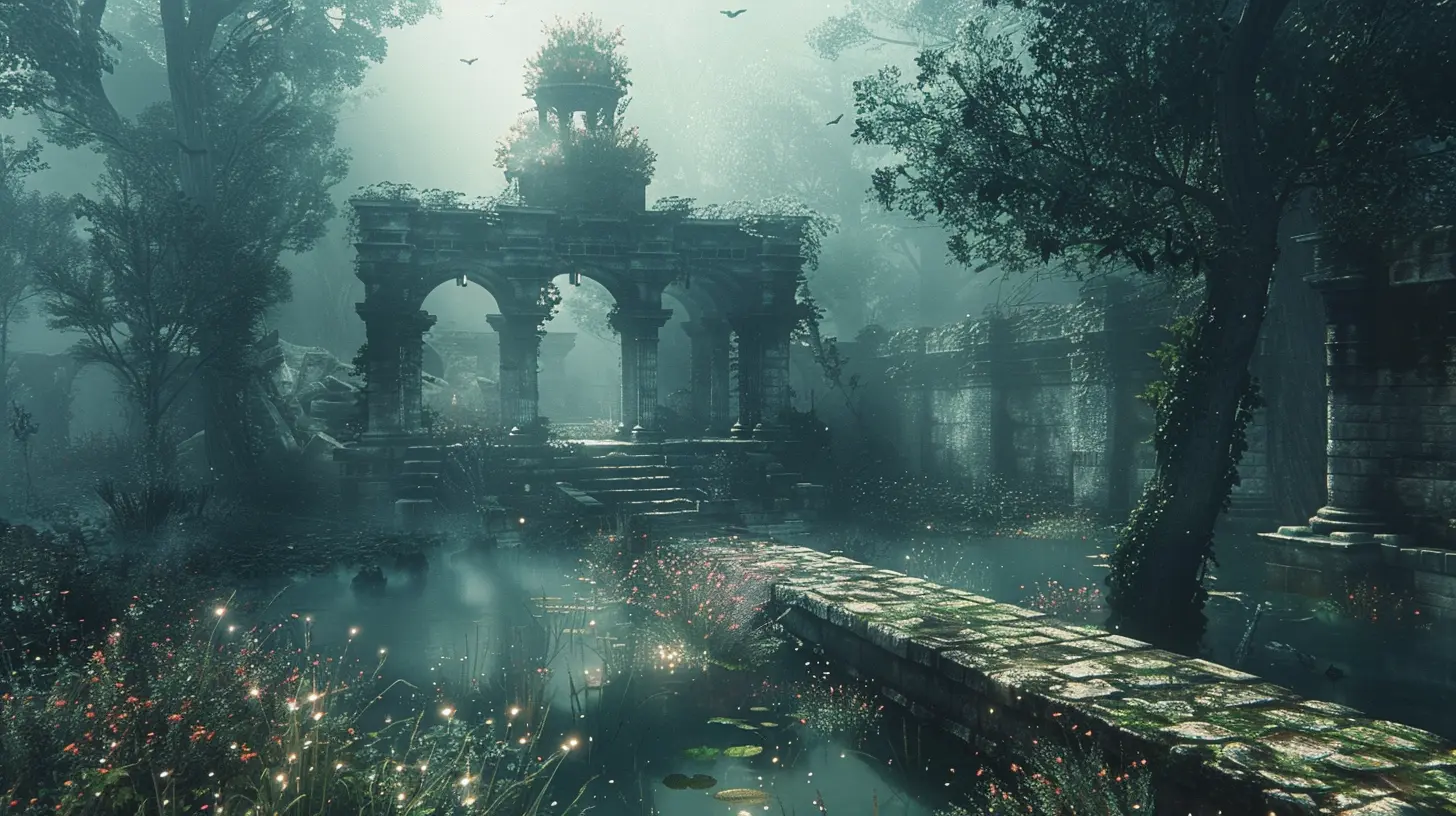
The Evolution of Level Design
Back in the early days of gaming, level design was mostly about mechanics. Think Pac-Man, Super Mario Bros, or Doom. The layout guided players from start to finish, throwing in challenges but barely offering any backstory.Fast-forward a couple of decades and we’ve entered a whole new playing field. Modern games like The Last of Us, Red Dead Redemption 2, and Hollow Knight use their worlds to deliver emotional weight, mystery, and context—all without holding your hand.
Here’s the shift in a nutshell:
- Then: Levels focused solely on gameplay (aka beat the boss, get the coin).
- Now: Levels are narrative-rich environments that make you feel part of a living world.
And the kicker? Players love it.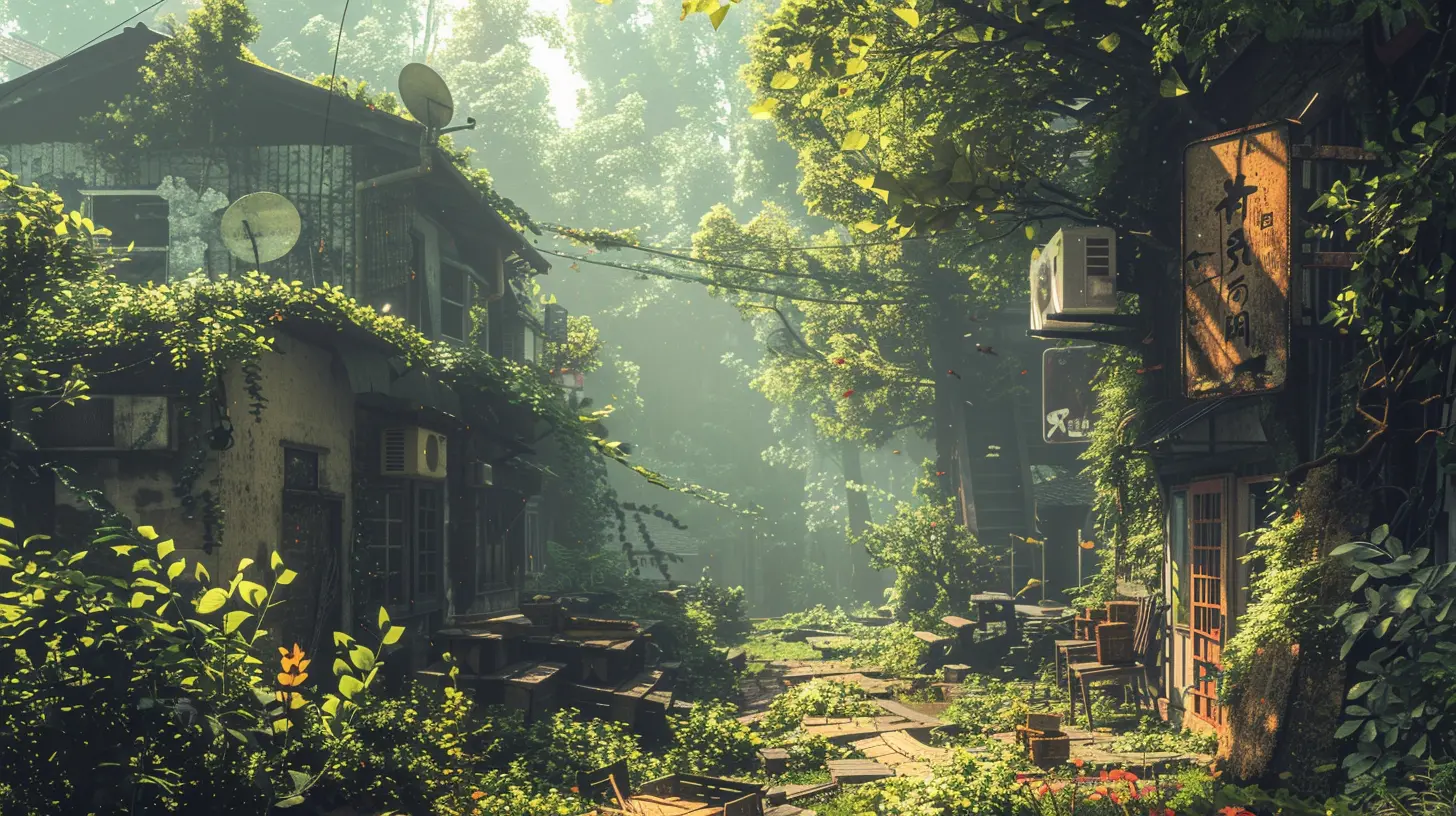
Why Environmental Storytelling Works So Well
You know that old writing rule, “Show, don’t tell”? Yeah, environmental storytelling is that rule in 4K resolution.Here’s why it works like magic:
? Immersion Gets a Boost
You stop feeling like a player and start feeling like a participant. Every detail becomes a clue, every area feels lived-in, and suddenly you’re emotionally invested. Even picking up an old shoe in a corner can hit differently if the context is right.? Players Love Being Smart
Gamers are detectives at heart. They love connecting dots and figuring things out on their own. When a game lets them piece together a backstory just by observing the environment, it’s a win for both player and developer.? It Makes the World Feel Alive
Nothing breaks immersion like a static world. When things change or tell stories without explanation, it feels organic—like the world keeps turning whether you’re watching or not.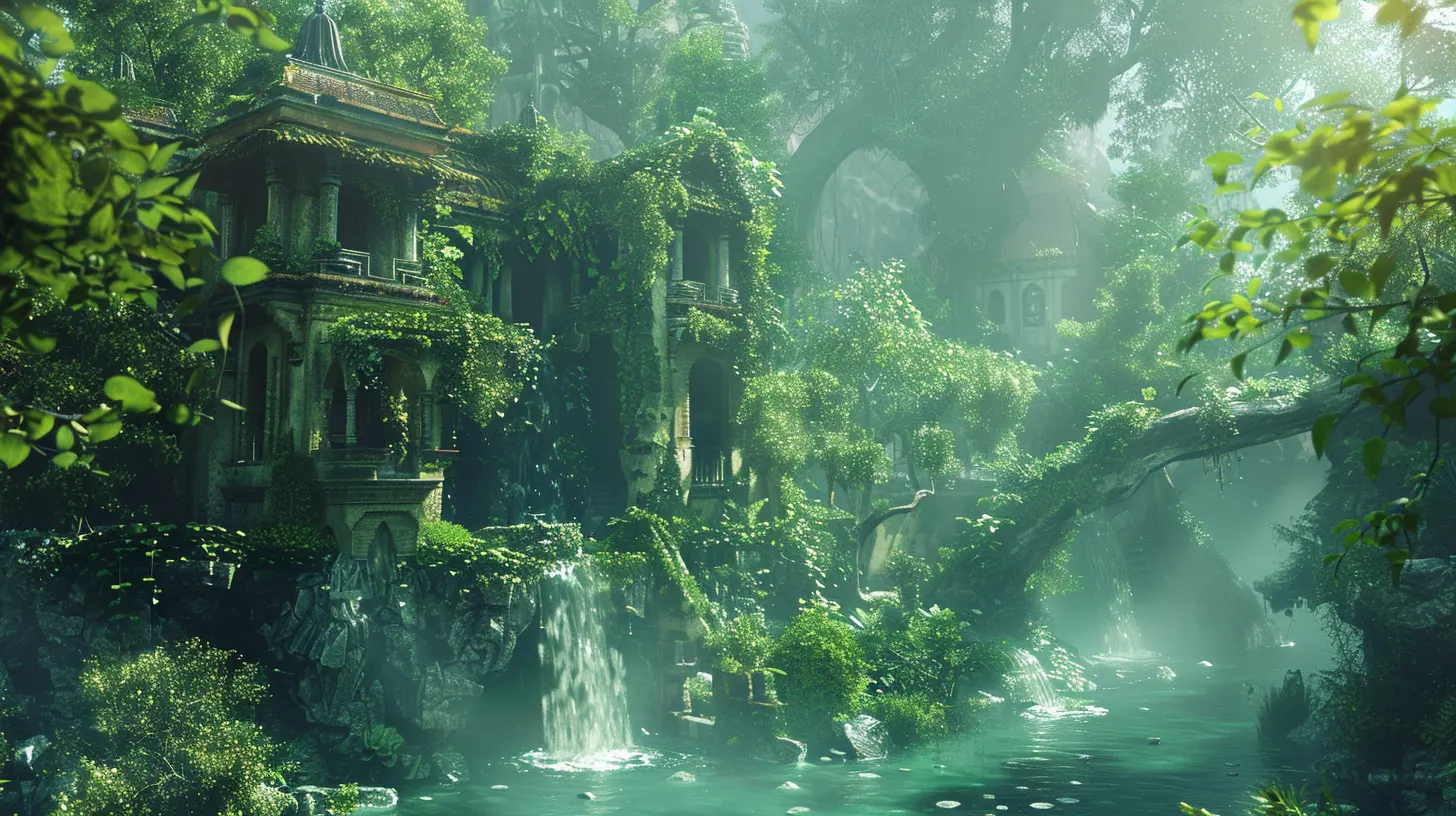
Examples That Nailed It
Let’s talk about some games that have absolutely crushed environmental storytelling. Because theory is cool, but examples are cooler.? The Last of Us Series
Naughty Dog doesn’t mess around. In The Last of Us, you can walk into a ruined apartment and see a child’s drawing next to a bloodied adult’s handprint. No cutscene tells you what happened—but you get the message loud and clear.?♂️ Bloodborne
Want creepy, cryptic, and compelling? Bloodborne’s gothic, decaying world is a masterclass in subtle storytelling. You don’t get a neat narrative laid out for you. Instead, you explore eerie towns, massacre grotesque beings, and gradually understand the horrific events that unfolded—if you’re observant.?? Half-Life 2
Valve are the OGs of this craft. Whether it's the oppressive urban layout hinting at authoritarian control, or long-deserted hideouts filled with resistance posters, Half-Life 2 says a lot without ever breaking the fourth wall.? What Remains of Edith Finch
Now this game… It’s basically environmental storytelling in pure form. You explore a strange house, each room frozen in time, telling the story of a different family member. It's like walking through a living photo album—haunting, poetic, and unforgettable.Techniques That Bring It All Together
Alright, so how, exactly, do developers pull this off? It’s not just about throwing a few skeletons into a room and calling it a day.Here are some pro-level techniques that make environmental storytelling so effective:
?️ Layout and Flow
Where you place objects, doors, or pathways speaks volumes. A hallway blocked by rubble? That’s not just an obstacle—it’s a message. It tells you that something happened here, something violent or rushed.?️ Visual Clues
Details matter. A broken family photo, scorched wallpaper, overgrown vines, or flickering neon lights—they all contribute to the mood and hint at a backstory.? Interactive Objects
Sometimes picking up a minor object changes everything. A journal entry, a toy, or even a grocery list can shed light on a character’s life or hint at the world’s history.? Lighting and Color
Don’t underestimate lighting. You can guide players emotionally and physically just through contrast, shadows, or bursts of color. A warm light in a dark corridor can feel like hope—or false security.? Ambient Sound
Nothing yells "something's up" quite like sudden silence or a distant echo. Sound cues are storytellers in their own right and add a visceral layer to the environment.Open-World Games and Their Unique Challenge
Now, if linear games can master environmental storytelling, what about open-world titles?Good question. Open-world games come with their own set of challenges—mainly, freedom. When players can go anywhere and do anything, how do you make sure they still “get” the story?
? The Witcher 3: Wild Hunt
CD Projekt Red did something brilliant with side quests and locations. Tucked-away huts in the mountains still told stories, even if you weren’t sent there by a mission. You could skip them entirely, but if you didn’t, it was like finding a bonus track on your favorite album.? Skyrim
Bethesda’s entire design philosophy leans on environmental storytelling. Remember the skeleton in the bathtub surrounded by wine bottles in a locked cabin? That tiny scene paints a tragic (and oddly relatable) picture.Player Perspective: Why We Love It
From a player’s point of view, this design style feels respectful. It’s almost like the developers are saying, “Hey, we trust you to figure this out.” And we love that!It also makes you feel smarter. Connecting story dots by just walking around? That’s some Sherlock Holmes-level satisfaction.
Plus, it enhances replayability. You often miss clues the first time around. Revisiting the same spot after understanding the full context makes the experience richer and more emotional.
The Future of Environmental Storytelling
So, where’s this all heading?Well, with VR and AR on the rise, expect environmental storytelling to get even more personal and immersive. Imagine walking through a virtual world and feeling like the environment reacts to your choices—or even your emotions.
AI-driven world-building could also play a role in crafting dynamic environments that change based on how you play, making every player’s experience unique.
Final Thought:
Environmental storytelling isn’t just a trend—it’s the new normal. Players want to feel like they're in the story, not just watching it. And with technology and creativity both on full throttle, the future of level design is looking more immersive (and narrative-rich) than ever.all images in this post were generated using AI tools
Category:
Game NarrativesAuthor:

Greyson McVeigh