The Psychology of Player Engagement in Expansions
24 June 2026
We all know that feeling — your favorite game drops a new expansion and suddenly, you're back in front of your screen like a moth to a flame. But have you ever paused mid-quest to wonder why expansions pull us in so effectively? It’s not just more content. There’s a deep psychological reason behind it. Let's peek under the hood and break down the fascinating psychology of player engagement in expansions.
What Is Player Engagement, Really?
Before we dive headfirst into expansions, let’s understand what "player engagement" means. It’s not just about logging in — it's about players feeling emotionally connected, motivated, and invested in the game. Engaged players are the ones who grind for hours, create content, chat in forums, or buy DLCs without thinking twice.And the magic trick? Keeping that engagement alive — especially long after the base game has launched.

So, Why Do Expansions Matter?
Game expansions are like seasons in your favorite TV show. They keep the story (and you) coming back episode after episode. They offer new lands to explore, characters to meet, mechanics to master, and, yeah — loot to hoard. But it’s more than that. Expansions act as emotional refreshers. They rekindle interest, offer novelty, and most importantly, they tap into a player’s psychological core.But how do they pull that off so well?
1. The Lure of Novelty: We Crave "New"
Humans are wired to seek new experiences. It’s called the novelty effect. When something new comes along — say, a fresh expansion — our brains release dopamine, the “feel-good” chemical. It’s why new zones, fresh gear, or revamped mechanics feel so thrilling.Ever heard a player say, “I just want to see what it’s like”? That’s novelty at work.
How Expansions Use This:
- New environments and art styles- Unknown enemies or lore twists
- Unique gameplay mechanics or classes
- Bonus side quests, rare gear, and secret bosses
The idea is to shake things up enough to reignite curiosity and wonder, even for long-time players.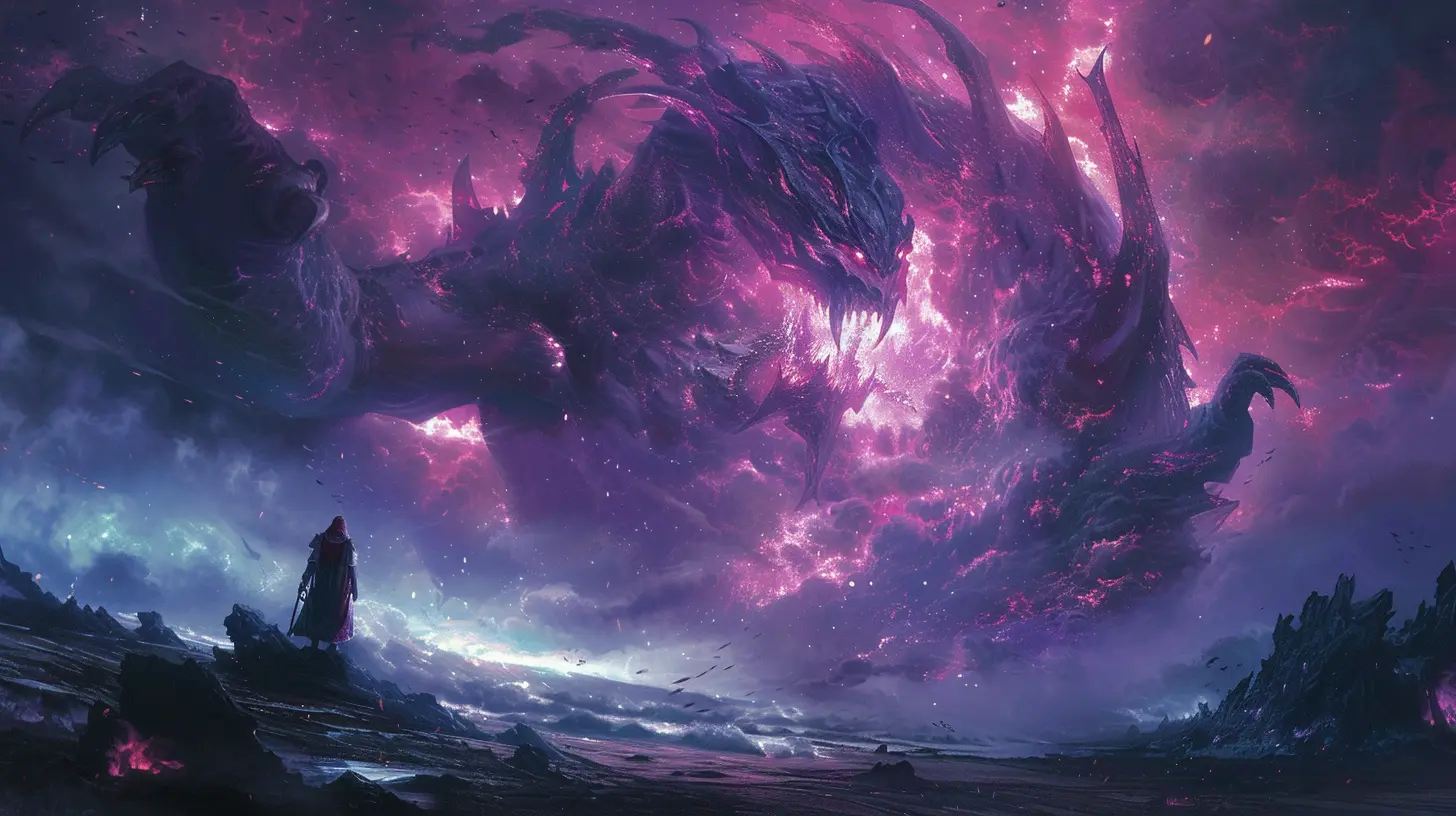
2. The Fear of Missing Out (FOMO) Is Real
FOMO isn’t just for social media. It’s a massive driver in gaming too. Expansions often come with limited-time events, seasonal content, or pre-order exclusives. And let’s be honest — no gamer likes being left behind.When players think, “If I don’t play now, I’ll miss out,” they’re far more likely to dive in ASAP. That ticking-clock pressure? It’s a psychological nudge that keeps fingers on keyboards and controllers.
Game Studios Leverage FOMO With:
- Limited edition cosmetics or mounts- Exclusive achievements/titles only available during the expansion period
- Leaderboards or timed challenges
- Seasonal rewards that won’t return
FOMO turns casual interest into urgent action.
3. Progression Systems = Dopamine Machines
Progress feels good. Really good. Expansions usually bring new progression pathways — higher level caps, upgraded gear, skill trees, reputation systems — and these are catnip for the human brain.Why? Because our brains love rewards. We’re drawn to systems that show us we’re moving forward, improving, becoming more powerful.
Think of it like climbing a mountain with treasure at the top. Each level gained, each new sword equipped, is another step up that peak.
Expansions Feed the Need to Progress:
- New XP caps and level grinds- Prestige systems or Paragon levels
- Endgame raids with tiered difficulty
- Cosmetic badges of honor (titles, mounts, gear skins)
It’s not about the grind — it’s about feeling like the grind means something.
4. Social Loops Make It Stick
Here’s the thing — most players don’t just play for the game. They play for the people. Expansions often reignite a game’s community. Old friends return. Guilds get active again. New players flood in. Suddenly, your in-game world feels alive all over again.And when everyone around you is talking about the new patch, the new dungeon, or that insane new boss? You want in. Social pressure, herd mentality, and tribalism all kick in — and yep, they all work in the game devs’ favor.
Strong Social Triggers in Expansions:
- New guild activities and raid content- Shared journey or group achievements
- PvP seasonal resets and rankings
- In-game social events or celebrations
Games become more than games — they’re social platforms with missions attached.
5. Storytelling Hooks Reignite Emotional Investment
A great expansion tells a story worth returning for. Maybe a former hero falls. Maybe a new villain rises. Or maybe the world you thought you knew turns upside down. The best expansions introduce plot twists that demand attention.Story helps players feel connected to the game world. When you care what happens to the world, you come back to witness the next chapter firsthand.
Great Storytelling Devices in Expansions:
- Cinematic trailers that tease new arcs- In-game cutscenes and character development
- Lore-rich quest lines
- Moral choices with real consequences
When expansions deepen the lore, they deepen a player’s emotional stake.
6. Mastery and Competence: Feeling Good at the Game
Everyone loves the feeling of being good at something. In game design, this is connected to the concept of “competence” — one of the three core psychological needs in Self-Determination Theory (SDT), along with autonomy and relatedness.Expansions often give veterans chances to show off their skills or climb new heights. At the same time, they’re designed with learning curves that teach new players the ropes gently.
How Mastery Is Baked Into Expansions:
- New boss fights that challenge reflexes and strategy- New skill trees or abilities that reward experimentation
- PvP rebalancing to keep metas fresh
- Leaderboards that reward top performers
Whether a noob or a seasoned raider, everyone walks away feeling like they learned and grew.
7. The Reset Effect: A Fresh Start
You know that feeling when a new expansion drops, and the gear you worked so hard for suddenly becomes obsolete? Annoying, right? But also… kind of exciting?It’s a reset. A brand-new starting line for everyone. And that’s a big deal.
Psychologically, resets tap into our love for fresh starts and clean slates. They give players permission to jump back in without feeling behind. It’s basically a New Year’s resolution… for your character.
Expansion Resets Often Include:
- Gear stat compression or re-scaling- Revamped talent or skill systems
- Universal progression resets (PvP ranks, raid clears)
- Accessibility boosts to help casuals catch up
It tells every player: “You’re not late. You’re right on time.”
8. Autonomy: Let Me Choose My Fun
Another key concept from SDT is autonomy — the need to feel like we’re in control. Expansions often offer more ways to play your way. Want to solo? Go ahead. Prefer crafting over combat? That’s valid. Want to just vibe in a new area and roleplay? Sure thing.Game developers are keenly aware that modern players crave options. The more an expansion respects player choice, the more engaging it becomes.
How Expansions Promote Autonomy:
- Multiple endgame paths (PvE, PvP, crafting, exploration)- Open-world sandbox features
- Custom class builds or talent trees
- Dialogue choices or branching quest outcomes
Giving players choices keeps them invested long-term.
9. The Escapism Factor
Let’s get real: life is stressful. Games — especially expansive, immersive ones — are a way to escape that stress. When a new expansion drops, it’s like an open invitation to just... disappear into a fantasy world for a bit.New environments, atmospheric soundtracks, compelling characters — all of these combine to create a richer escapism experience. It’s like hopping on a plane to a digital paradise.
And in all honesty? That’s a powerful psychological draw.
The Lifecycle of Engagement
Here’s the twist: engagement from expansions isn’t random. It follows a rhythm. Let’s look at the typical emotional journey of a player during an expansion:1. Hype Phase – Teasers, trailers, theorycrafting
2. Launch Phase – Exploring, racing, first impressions
3. Mastery Phase – Grinding, refining builds, optimizing
4. Plateau Phase – Routine sets in, content fatigue grows
5. Exit or Maintenance Phase – Casual play or full stop until the next expansion
Good expansions are aware of this cycle — and great expansions design content to extend the mastery and maintenance phases.
Final Thoughts: More Than Just New Content
At the end of the day, expansions are far more than chunks of new content. They are carefully crafted psychological tools designed to re-engage players by hitting all the right emotional and cognitive buttons.From that first buzz of novelty, to the deeper emotional stakes, to the social and progression hooks — the psychology of player engagement in expansions is a rich, cleverly designed ecosystem. And when done right? It keeps us coming back, time after time.
So next time you jump into an expansion, pay attention to not just what you're playing — but why you're playing. You might just spot the invisible strings that keep your fingers glued to the keyboard.
all images in this post were generated using AI tools
Category:
Game ExpansionsAuthor:

Greyson McVeigh
Discussion
rate this article
1 comments
Lucy Vaughn
Unlock your potential, embrace the adventure ahead!
June 30, 2026 at 4:56 AM
Greyson McVeigh
Thanks for the encouragement! Exciting times ahead for players as they dive into new experiences.