The Power of Silence in Game Narrative Moments
16 July 2026
Picture this: you're controlling a character who’s just lost a beloved comrade. The screen fades to black. No music. No voice. No text. Just silence… and your own thoughts echoing in your head.
Chills, right?
That’s the magic we’re diving into today. Not explosions. Not epic boss music. We're talking about silence. Yep — the quiet, awkwardly empty kind. Because, believe it or not, in the loud, chaotic world of gaming, silence might just be the loudest storytelling tool of all.
Why Silence Deserves Some Freakin’ Respect
Silence — often overlooked, ignored, and relentlessly replaced with dramatic orchestras or surround-sound gunfire. But when used right? It's like that one friend who doesn’t say much, but when they do, you listen. Deeply.Games are interactive storytelling machines. You’re not just watching a tragedy unfold, you're in it. But sometimes, the best way to drive home an emotion, a decision, or a twist, is not with dialogue… but with absence.
Not All Soundtracks Need to Be Bangers
Let’s be real. We all love a good game soundtrack. “To Zanarkand” from Final Fantasy X? Tears. “Still Alive” from Portal? Iconic. But sometimes, the most memorable moments are the quietest.Remember the ending of Red Dead Redemption? Rockstar could’ve blasted a sad country ballad to manipulate our emotions. But nope. They let the moment breathe. Silence made John Marston’s fate more personal — more haunting. You weren’t told how to feel. You felt it your way.
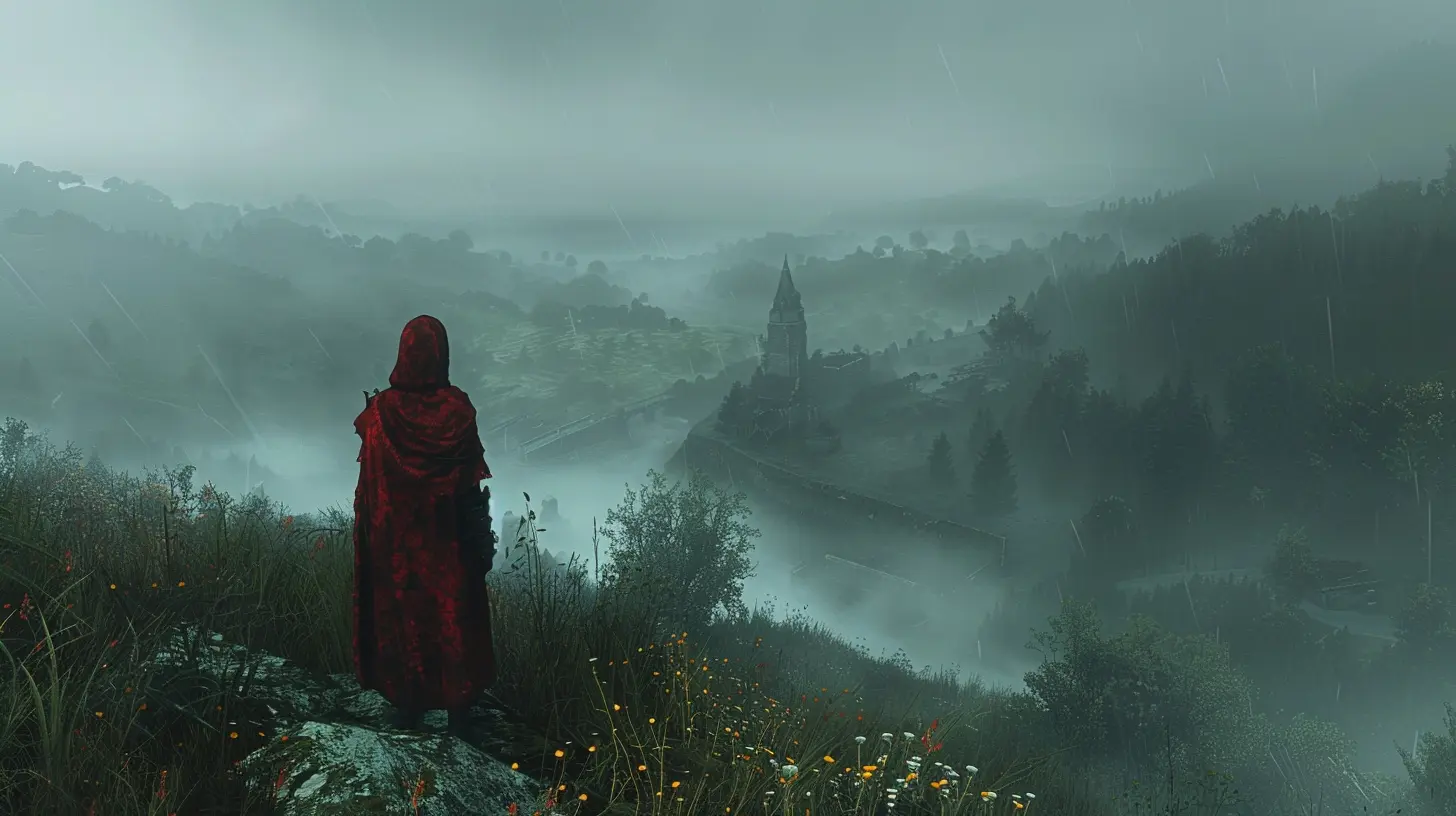
When the Game Zips It — And You Lean In
Silence in a game is like a well-timed pause in a conversation. It makes you lean forward, pay attention. It’s the devs saying, “Hey, something BIG just happened. Let it sink in.”Think about The Last of Us (both games). Naughty Dog has mastered the art of “shut up and feel.” They know when to let the ambient world do the talking. No music, no chatter, just the cold wind, a creaking pipe, and the weight of everything you’ve just done.
That awkward silence after Ellie makes a chilling decision? Yeah, that hits harder with no soundtrack telling you how sad you should be.
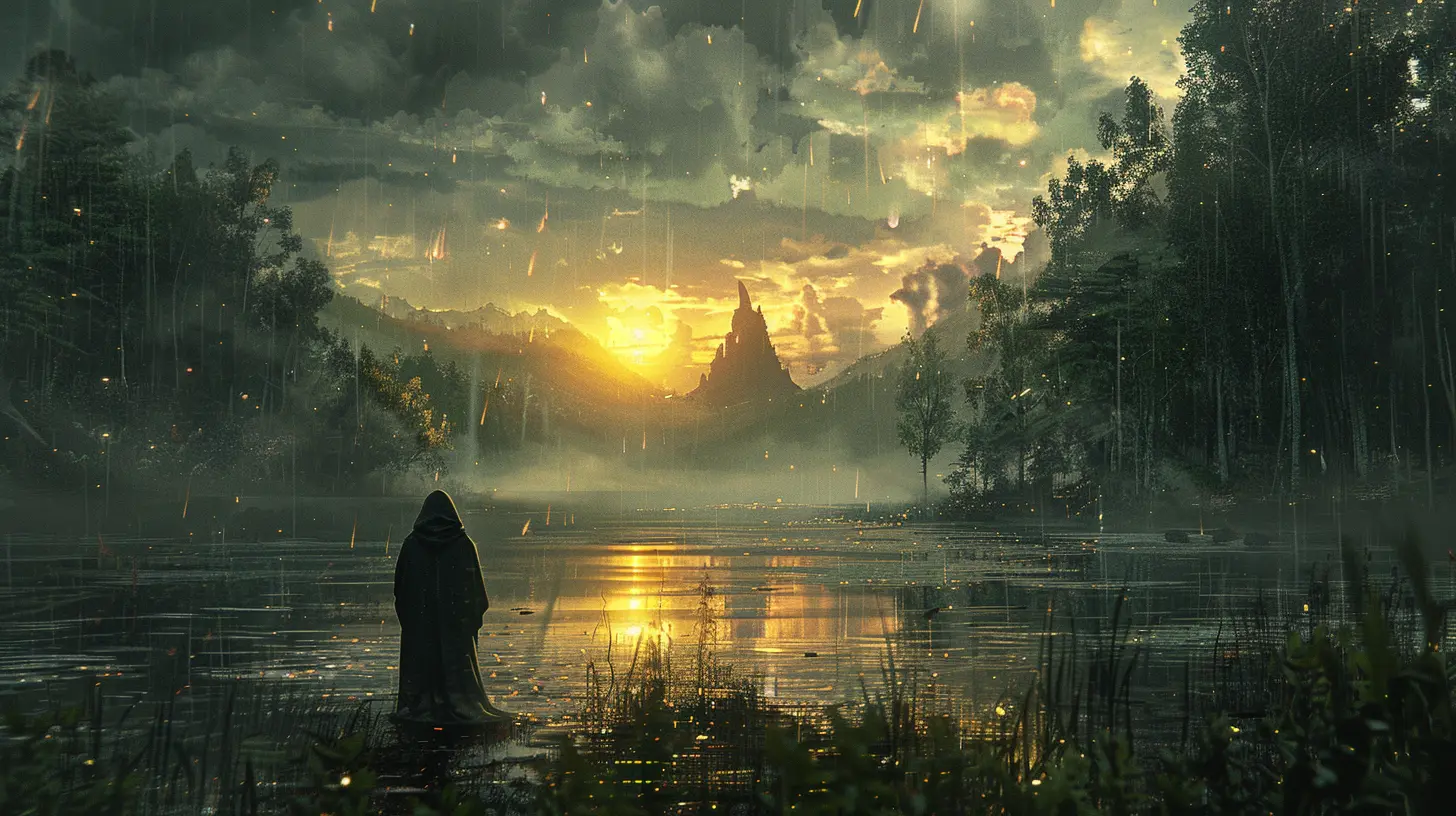
Silence Isn’t Just for Sad Boi Hours
Alright, so silence isn’t always about tragedy. It can be suspenseful, eerie, reflective — even funny. Ever had that moment in a game where you expected a big reveal, and instead, you got... nothing?Case in point: Portal 2. That comedic pause when GLaDOS is processing something dumb you did? Comic genius. The absence of sound actually adds to the sarcasm.
Or take Inside by Playdead. That entire game is practically allergic to dialogue and tutorials. No text boxes. No narrator. Just a creepy boy in a creepy world. And somehow, it works. You feel lost, vulnerable, and curious as hell — all thanks to good ol’ fashioned silence.
The Psychology Behind the Mute Button
There's actual brainy science stuff happening here too. Our brains are wired to fill in blanks. When there’s no noise, your imagination kicks in, and guess what? It’s probably scarier, sadder, or more intense than anything the devs could cook up.It’s like when you hear a rustle outside your window at night. It could be the wind… or a chupacabra. Silence makes space for tension. It leaves room for interpretation. In a way, it’s collaborative storytelling — the devs give you the canvas, and your brain paints the chaos.
Hey Devs, Don’t Be Afraid to Shut Up
Game developers, if you're reading this (first of all, hi — big fan), please don’t be afraid to go mute when the story calls for it. Let silence be a design choice, not a last resort.Silence is like that perfectly timed punchline pause in comedy — it makes or breaks the delivery. Don’t fill every second with sensory overload. Trust your players. They’re smarter than you think, and sometimes, they don’t want to be told what to feel. They want to feel it on their own.
Top Games That Nail the Art of Silence
Let’s talk about some legends in the silence game (pun fully intended):1. Shadow of the Colossus
You remember it. That massive, empty world. No NPCs. No bustling cities. Just you, your horse, and a deafening hush between colossi battles. That silence speaks volumes. You feel the weight of Wander’s mission growing heavier with every step. Is it noble? Is it monstrous? The game doesn’t scream it at you. It whispers. And then goes quiet.2. Journey
No text. No talking. Just visuals and a hauntingly minimal soundscape. Journey proves you don’t need words to build a connection. When your scarf buddy suddenly disappears without a goodbye, the silence hits like a breakup you didn't see coming.3. Limbo
This one’s pretty much a monochrome nightmare in silence. Every trap, every grotesque little death plays out in a world devoid of music and cheer. It’s not just creepy. It’s isolating. You’re really alone. And that realization? It crawls under your skin.4. Firewatch
While the game is filled with witty banter and beautiful music, there are long silent stretches where you’re just walking through the woods. In those moments, you’re left alone with Henry’s thoughts — and your own. It’s beautiful and kinda existential in the best way.
Silence Can Be the Hero, Too
We always praise protagonists, voice actors, even the composers. But maybe it’s time to give an award to silence. Best Supporting... Nothing.When used right, silence becomes the player’s own voice. It fills the gaps with personal interpretation, reflecting your experiences, your emotions, your memories. It’s like a mirror behind the screen.
Building Tension One Mute Moment at a Time
Think horror games aren’t relevant here? Think again. Ever played a horror game where the music cuts off right before a jump scare? Instant poop-your-pants moment.Games like Dead Space and Resident Evil know this tactic well. Silence isn’t the absence of sound — it’s the presence of danger. It’s the breath the monster takes before it lunges.
Let's Get Real: Not All Silence Slaps
Now, here’s a quick disclaimer: just throwing silence into a narrative doesn’t make it deep. We’ve all seen those games where the music cuts out for a "dramatic" moment, and you’re sitting there like, “Dude... this ain't it.”Silence needs to feel earned. It’s got to come at a point where the player's emotionally invested, not when you’re two cutscenes in and still figuring out the controls. Timing is everything.
Why Players Remember Silent Moments
Years later, when you're reminiscing about your favorite games, it’s not always the epic boss fights or plot twists you remember. It’s that feeling... the moment that caught you off guard, stripped the sound away, and laid your emotions bare.That’s the power of silence. It sneaks past your emotional defenses like a ninja with tear gas.
How You Can Appreciate These Moments More
Next time you play a game and it goes quiet, don’t rush to unmute Spotify or check your phone. Sit in it. Feel it. Think about what the devs aren’t saying. Because sometimes, what’s left unsaid is more powerful than anything shouted in 4K surround sound.Final Thoughts: Embrace the Quiet
So here’s the deal. In a world where everything’s screaming for your attention — social media, news, your cat demanding treats — silence is rare. It’s precious. And when games respect that, they grab you in a way no loud boss battle ever could.Let silence stretch out awkwardly. Let it linger. Let it punch you in the gut and then pat your back. Because in those moments, you’re not just playing the game.
You’re in it.
all images in this post were generated using AI tools
Category:
Game NarrativesAuthor:

Greyson McVeigh