The Legacy of Iconic Game Expansions
13 August 2026
Let’s be honest—there’s nothing quite like finishing a game and realizing there’s more. Expansions have become the icing on our gaming cake, and sometimes, they even outshine the original dish. Whether it’s a world-expanding DLC or a game-changing patch, expansions carry a legacy that's hard to ignore.
But why do some expansions leave an indelible mark on the gaming world while others fade into the digital void? Let’s dive deep into the iconic game expansions that shaped the industry, redefined gaming experiences, and raised the bar for what post-launch content should look like.
What Makes a Game Expansion Truly Iconic?
Before we get into the meat and potatoes, let’s lay down the criteria. What turns an expansion into a phenomenon?- It meaningfully enhances or extends the base game.
- It introduces fresh mechanics or storylines.
- It’s remembered fondly by fans years after release.
- It influences future games or expansions.
Simple framework, right? Yet, so few actually hit all these notes. Let’s explore the ones that did—and how they changed the game (pun fully intended).
1. The Shivering Isles – Elder Scrolls IV: Oblivion
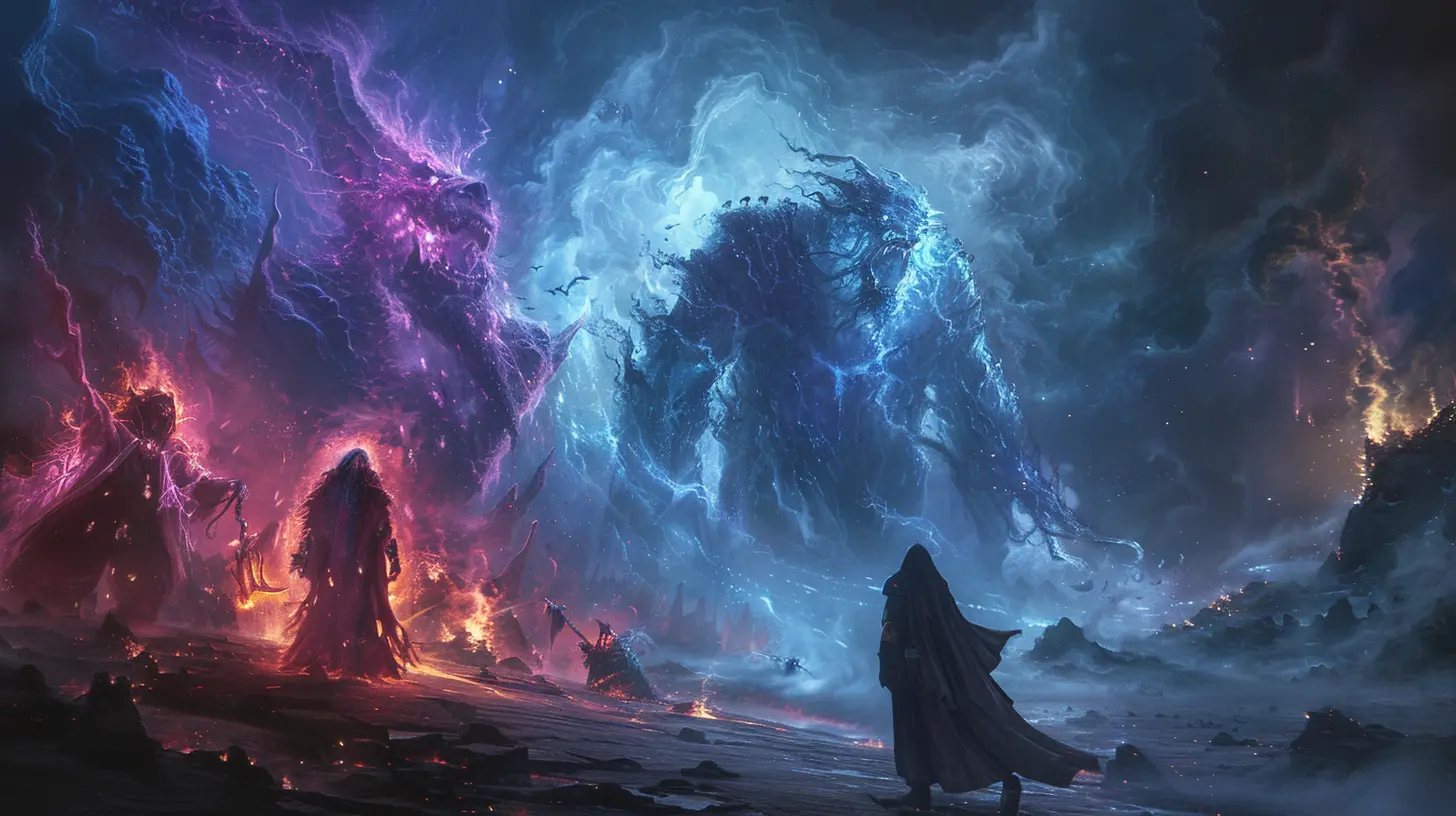
Bethesda had already nailed the open-world concept with Oblivion, but then they dropped “The Shivering Isles.” This wasn’t just a map addon. Nope. It was an entire new plane of existence run by the Mad God, Sheogorath.Where the base game leaned toward medieval fantasy, the expansion took a detour into the surreal and sometimes hilarious realm of madness. The attention to detail, the divided regions (Mania and Dementia), and the sheer creativity on display put it miles ahead of most expansions at the time.
What made it iconic? It didn’t just expand the game. It reinvented the vibe.
2. The Frozen Throne – Warcraft III
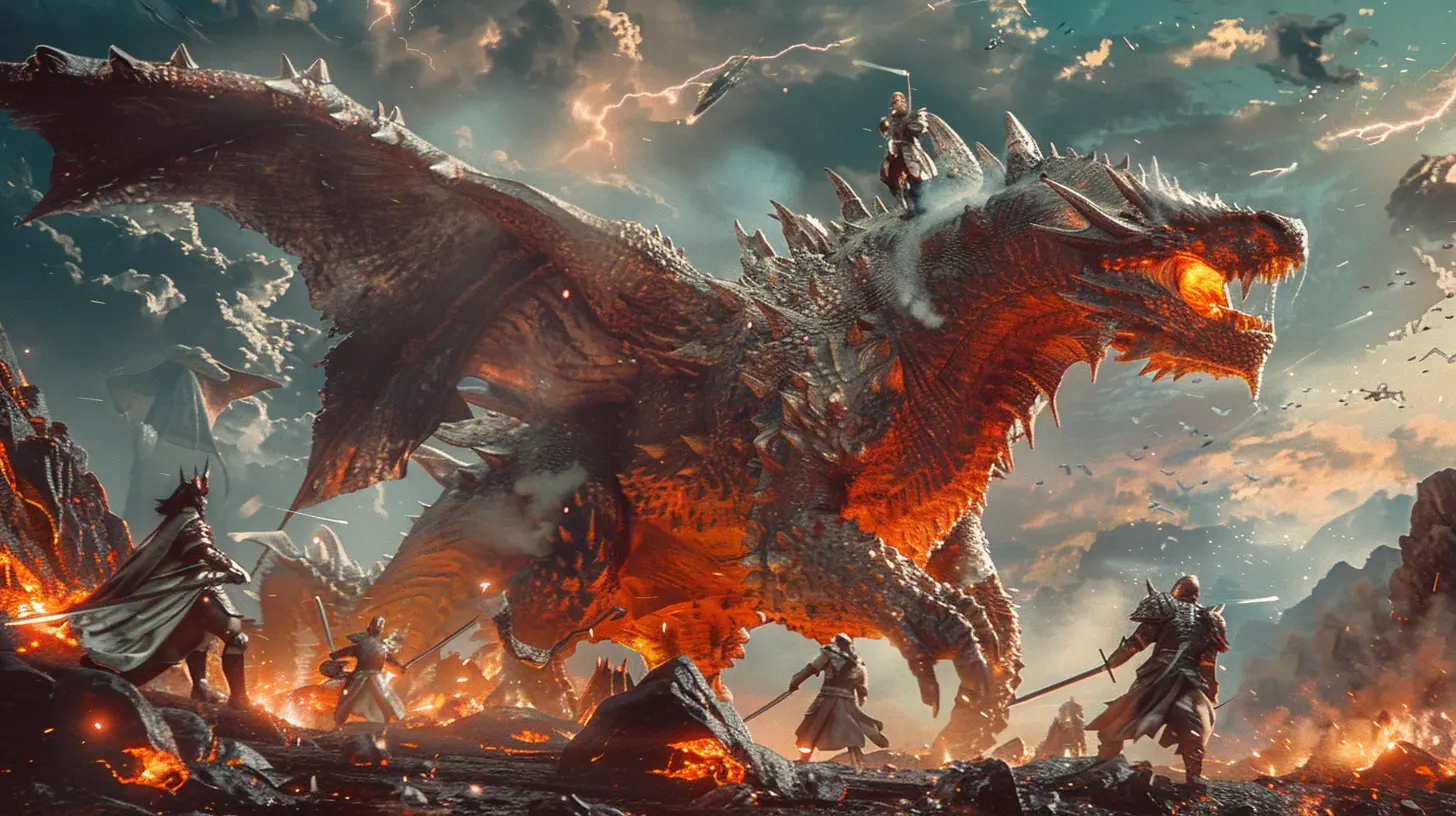
Let’s go back to 2003. PC gaming was roaring, and Blizzard wasn’t just making games—they were shaping genres. “The Frozen Throne” carried the already beloved Warcraft III into legendary status.New campaigns, units, heroes, and that little thing called World Editor (which helped spawn DotA) made this expansion a genre-defining moment. It didn’t just expand Warcraft III—it kickstarted an entire MOBA revolution we’re still riding today.
Talk about a legacy.
3. Blood and Wine – The Witcher 3
If you ever needed a reason to believe expansions can be standalone masterpieces, “Blood and Wine” is it. CD Projekt Red delivered a full-blown new region (Toussaint) that felt different yet perfectly fit the Witcher universe.The expansion was massive. We’re talking 30+ hours of new content. New monsters, characters, and even new game mechanics like armor dyeing and a customizable vineyard for Geralt (finally, he gets to relax).
It wasn’t just DLC. It was a love letter to fans and one of the most critically acclaimed expansions of all time.
4. Lord of Destruction – Diablo II
Naming an expansion “Lord of Destruction” is a flex. And for Diablo II fans, this content drop changed everything. Two new character classes (the Assassin and Druid), an entire new act, better item drops, and quality-of-life features that made the experience feel fresh.Today’s action RPGs still draw from the systems refined in this expansion. It’s no stretch to say Lord of Destruction helped define what an expansion should deliver.
5. Heavensward – Final Fantasy XIV
FFXIV wasn’t always the MMO giant it is today. The base game stumbled badly at launch. But after a successful relaunch as “A Realm Reborn,” expectations for its expansion were sky-high. Enter “Heavensward.”This expansion did more than add content—it added heart. It introduced a dark, compelling story, new jobs, flying mounts (finally!), and full voice acting for key quests. More importantly, it proved that Square Enix could turn this game into something special.
It laid the path for future expansions and secured FFXIV’s place in the MMO hall of fame.
6. Brood War – StarCraft
You can’t talk “legacy” without bringing up “Brood War.” This wasn’t just an expansion—it was a shift in esports history. It added new units, rebalanced factions, and told a gripping story. But above all, it turned StarCraft into a competitive phenomenon.For almost two decades, Brood War ruled the South Korean esports scene. It wasn’t just a game—it became a cultural icon.
7. Undead Nightmare – Red Dead Redemption
Now let’s stir the pot a bit. Rockstar Games took their Western epic and added zombies. Sound ridiculous? Maybe. But “Undead Nightmare” worked so well because it leaned into its absurdity.It gave players a spooky, standalone spin on the original game’s world, without overwriting any of the base story. Riding through a foggy field on a flaming horse while blasting undead? Count us in. It was creative, unexpected, and a fan favorite.
8. Destiny: The Taken King
Destiny’s launch was rocky. Content felt thin, the story was... vague, to say the least, and players weren’t thrilled. But Bungie flipped the script with “The Taken King.”The expansion introduced a compelling villain (Oryx, the Taken King), new subclasses, better storytelling, and smart revamps to core systems. It felt like Destiny 1.5—but in a good way.
It’s still widely regarded as the turning point that saved Destiny from mediocrity. Not bad for an expansion, huh?
9. Burning Crusade – World of Warcraft
You knew this one was coming. “The Burning Crusade” wasn’t just the first expansion for WoW—it was a cultural moment.New continents, races, flying mounts, dungeons, and raids that still inspire fear (cough Karazhan cough)—it took everything fans loved about WoW and cranked it up. For many, this was the golden age of World of Warcraft.
It set the template for every MMO expansion to follow. And that’s no small feat.
10. Iceborne – Monster Hunter World
Capcom took Monster Hunter World, already a massive game, and supercharged it with “Iceborne.” This wasn’t just a few extra monsters to kill. It was a whole set of new systems, an icy biome, a new endgame loop, and seriously challenging hunts.It rebalanced weapons, added the Clutch Claw mechanic, and basically gave players a second game. If you thought you'd seen all Monster Hunter had to offer, Iceborne was like a second wind—only colder and deadlier.
How Expansions Shape a Game's Legacy
A great expansion does more than just tack on content—it transforms the game. Just like a good sequel can retroactively make the first movie better, a top-tier expansion can elevate a game from “pretty good” to “instant classic.”Think about how “The Frozen Throne” added narrative depth to Warcraft III, or how “Blood and Wine” gave Geralt’s story the sendoff it truly deserved.
These expansions shape how we remember the game as a whole. Sometimes, they become the reason we still talk about the base game years later.
The Rise of Modern Expansions and Live-Service Games
Of course, the landscape has changed. With live-service games, the term "expansion" is a bit fuzzy now. Is it a season? A battle pass update? A story chapter?Games like Fortnite, Apex Legends, and Warframe are constantly evolving—sometimes without a traditional "expansion" in sight. But every once in a while, a big content drop hits and carries the same legacy as the classics. Think Destiny 2's Forsaken or Path of Exile’s leagues.
The model may be shifting, but the goal remains: deliver something memorable.
Why We’ll Always Love Expansions
At the heart of it, expansions tap into something core to gamers: the desire for more. We finish a game, fall in love with its world, and crave fresh reasons to return.Iconic expansions succeed because they respect our time, expand the universe in meaningful ways, and most importantly—they’re fun as hell.
They’re the encore after a great concert. The bonus chapter after a killer book. The sequel before the sequel.
And that’s why they’ll always matter.
Final Thoughts
So next time you hear about a new expansion coming out, don’t shrug it off. Some of the most revolutionary moments in gaming came from “just a DLC.” These expansions built legacies, defined eras, and proved that sometimes, the best is yet to come—even after the credits roll.We’ve seen how expansions like “The Frozen Throne” or “Blood and Wine” can add more than extra hours—they add extra heart. And in the end, that’s what makes them iconic.
all images in this post were generated using AI tools
Category:
Game ExpansionsAuthor:

Greyson McVeigh