The Evolution of Storytelling in Video Games
21 July 2026
Ah, storytelling in video games. Once upon a time (see what I did there?), all you needed was a pixelated plumber and a princess in another castle to call it a story. Fast forward a few decades, and now we’ve got emotionally wrecking narratives, plot twists that make soap operas jealous, and game worlds so deep you'd need scuba gear to explore them.
But how did we get here? How did we go from “rescue the damsel” to gut-punching emotional rollercoasters like The Last of Us or existential crises in NieR: Automata? Buckle up, grab some snacks, and let’s take a wild ride through time to see how storytelling in video games has leveled up — pun absolutely intended.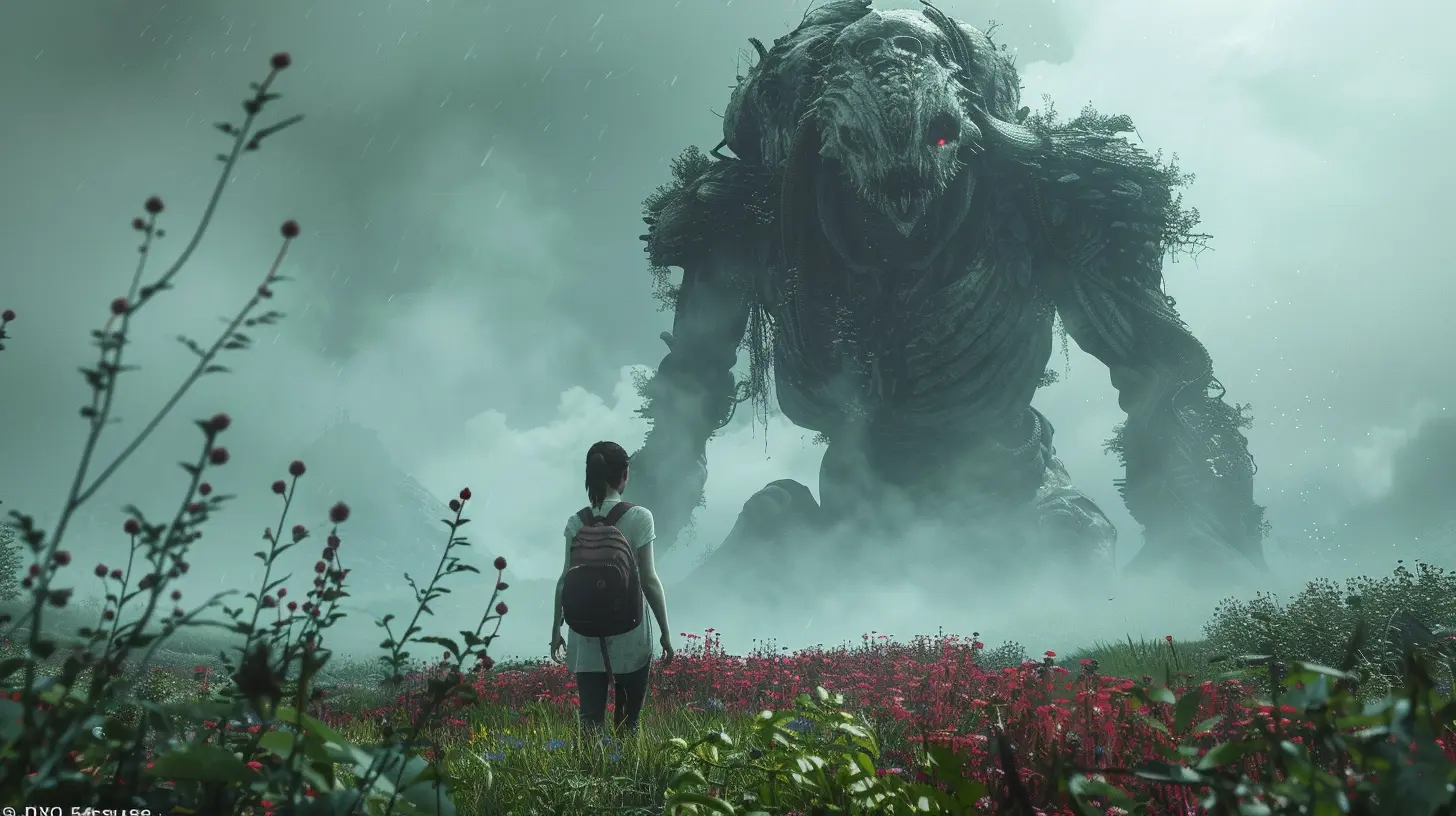
Pong: The Silent Film of Gaming
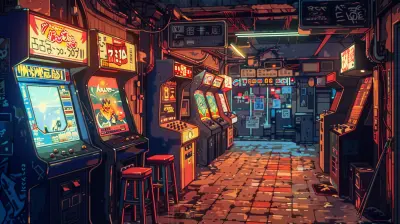
Let’s kick things off with the OGs. Way back in the ‘70s, storytelling in games wasn’t even an afterthought. I mean, Pong was literally two paddles and a dot. The only story there was, “Don’t let the dot get past you.” Riveting, huh?But hey, just like silent films laid the foundation for cinema, these pixelated pioneers paved the way for the epic tales we enjoy today.
8-bit Era: When “Story” Was a Paragraph in the Manual
Enter the NES era. Developers started sprinkling stories into their games like seasoning. You didn’t get cutscenes — you got a couple of lines of text and a prayer.Games like The Legend of Zelda and Metroid hinted at bigger worlds, giving players just enough lore to spark the imagination. Half the time, the real story lived in your head, which was kind of the beauty of it.
Ever stare at that Zelda cart and imagine Link battling fire-breathing dragons to save Hyrule long before the game loaded? Yeah, that right there was pure childhood magic.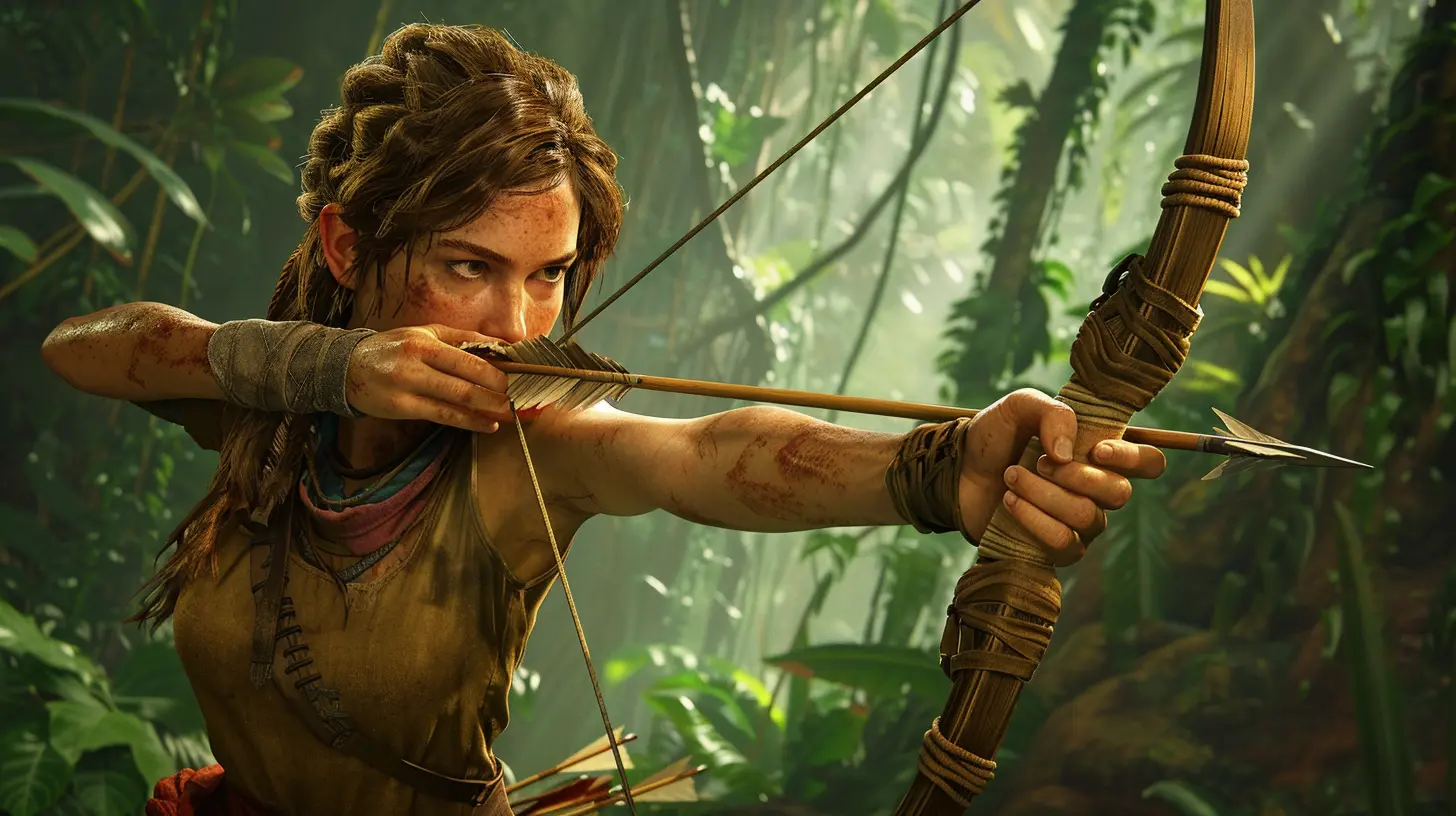
16-bit Era: Dialogue Boxes and Drama
Ah yes, the SNES and Sega Genesis days — where storytelling got its first taste of drama, thanks to the rise of RPGs.JRPGs: Tearjerkers in a Cartridge
Let’s talk Final Fantasy VI, shall we? That game had character development, plot twists, actual heartbreak, and even environmental commentary. Kefka ruined the world, and we had to fix it! For a game from the early ‘90s, that was Shakespeare-level storytelling.Suddenly, games weren’t just about beating the high score. They were about FEELS. Like, actual emotional investment. You cared about these chunky sprite people!
Side Note: Text Boxes Were Life
Sure, everything was spelled out in dialogue boxes, but they worked. You read every line like it was gospel. Some of us even started skipping school to see what happened next. (Don’t worry, I won’t snitch.)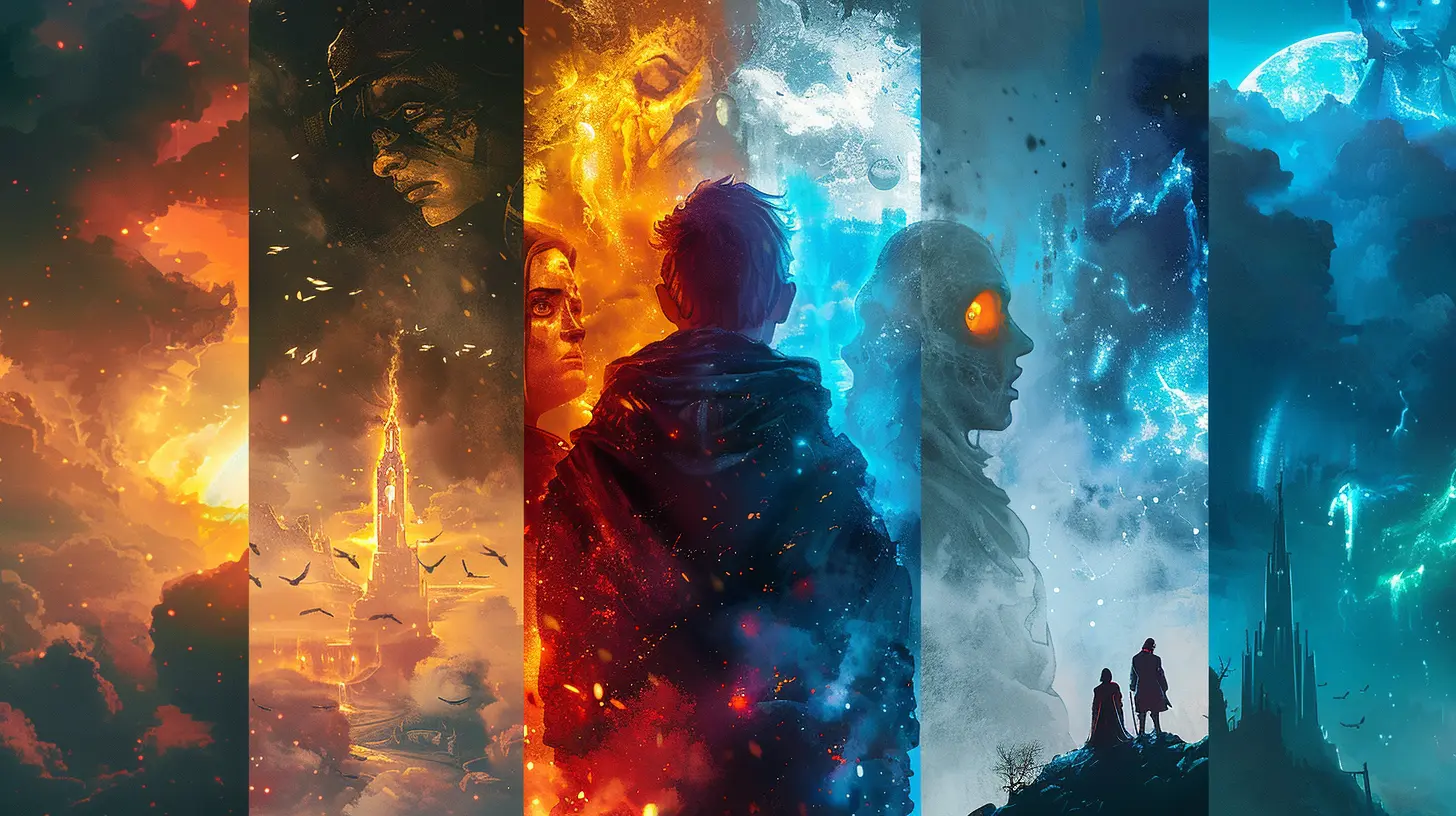
CD-ROM Era: Cutscenes and Voice Acting Crash the Party
Then came the PlayStation era, and with it, the magic of CD-ROM. Suddenly, developers had space — glorious space — to flex their creative muscles.Final Fantasy VII Said “Hold My Buster Sword”
If you didn’t cry when Aerith died… you might be a robot. That scene was a cultural moment, solidifying video games as a legit storytelling medium.Between the pre-rendered cutscenes, haunting music, and complex narrative, Final Fantasy VII turned what could’ve been just another “save the world” adventure into a personal tale of loss, identity, and inner demons.
Metal Gear Solid: Kojima’s Soap Opera
And then there was Metal Gear Solid, where Hideo Kojima was like, “You want story? Here’s a 20-minute codec call.” The man delivered plot twists, philosophical rambles, and boss fights that doubled as therapy sessions. What’s not to love?
Early 2000s: The Age of Cinematic Storytelling
Games started flexing their cinematic chops, and suddenly it wasn’t weird to say things like “I’m playing a game for the story.” Your parents still didn’t get it, but that’s okay.Games That Felt Like Movies
Titles like Max Payne, Silent Hill 2, and even Halo brought in powerful narratives, memorable characters, and good ol’ fashioned existential dread.Developers experimented with mature storytelling, exploring themes like grief, revenge, and moral ambiguity. And players? We soaked it all in like story-hungry sponges.
Branching Paths and Player Choice: The Game Changers
Then came games like Mass Effect, The Walking Dead, and Heavy Rain, where your choices actually mattered. Well… at least they made it look like they mattered. (Looking at you, Mass Effect 3.)Press X to Feel Something
Telltale Games mastered the art of emotional manipulation. Characters you loved had a 90% chance of dying, usually because YOU picked the wrong dialogue option. Traumatizing? Sure. Addictive? Absolutely.Player-driven storytelling created a new kind of immersion. It wasn’t just the devs telling a story — it was you living it, shaping it (or messing it up) with every decision.
Open Worlds, Deeper Lore
Fast forward to games like The Witcher 3, Red Dead Redemption 2, and Elden Ring, and you’ve got sprawling worlds where stories aren’t just told — they’re discovered.Storytelling became environmental. A broken sword on the ground could hint at a forgotten battle. A ruined village might hide a tale of betrayal. Exploration became narrative, and suddenly you were Indiana Jones, uncovering ancient secrets without a narrator holding your hand.
The Indie Uprising: Small Teams, Big Hearts
Let’s not forget the indie scene. These underdogs pumped out some of the most emotionally rich games of the past decade.Minimalist Storytelling, Maximum Impact
Games like Journey, Undertale, Celeste, and Oxenfree stripped away the bells and whistles and focused on raw, heartfelt storytelling.They proved you don’t need a AAA budget to make a player cry. Just a good idea, a bit of charm, and maybe one really sad dog (curse you, To The Moon).
The Modern Era: Storytelling as Art
These days, games like God of War (2018) and The Last of Us Part II are blurring the lines between game and movie. Heck, HBO made a show about Joel and Ellie, and it was actually good!Show, Don’t Tell… Unless It’s a Lore Dump
Modern storytelling leans heavily into character-driven plots, layered narratives, and cinematic presentation. These games don’t just want you to play — they want you to feel.The writing? Sharper. The performances? Oscar-worthy. The graphics? Real enough to make you question reality.
So, Where Are We Headed?
Great question! With tech evolving and narratives becoming more complex, the future of storytelling in video games looks brighter (and probably more emotionally devastating) than ever.AI and Procedural Storytelling?
Imagine a game that tells a different story every time you play — not just branching paths, but dynamically generated characters, conflicts, and resolutions. Scary? A little. Awesome? Definitely.Narrative Meets VR
Virtual reality is slowly becoming a storytelling powerhouse. Picture standing in the middle of a scene, the story unfolding all around you. You’re not watching it happen — you're in it.Final Thoughts: Game On, Storyteller
Storytelling in video games has come a long way from “Save the princess” to “Question the morality of your actions while sobbing through a boss fight.” And it’s not done evolving.Whether it's a deeply personal indie title or a blockbuster with the emotional depth of a good novel, one thing’s clear: video games aren’t just fun — they’re one of the most powerful storytelling tools of our generation.
So yeah, next time someone says, “It’s just a game,” feel free to laugh, cry, and then hit them with a 30-minute Ted Talk on narrative design.
all images in this post were generated using AI tools
Category:
Game NarrativesAuthor:

Greyson McVeigh