The Evolution of Protagonists in Story-Rich Games
10 August 2026
So, let’s go back to the start — back when video game protagonists were pixelated blobs with all the depth of a kiddie pool. Fast forward to today, and these characters are complex, emotionally scarred, and layered deeper than a seven-layer dip. Yup, we’re diving headfirst into the beautifully chaotic world of story-rich games and how their leading stars have gone from silent sprites to award-winning Oscar-worthy characters (well, if Hollywood ever woke up to gaming, that is).
Ready to walk down memory lane, do some pixel-peeping, and chuckle at how far we’ve come? Great — grab your save files, and let’s respawn history.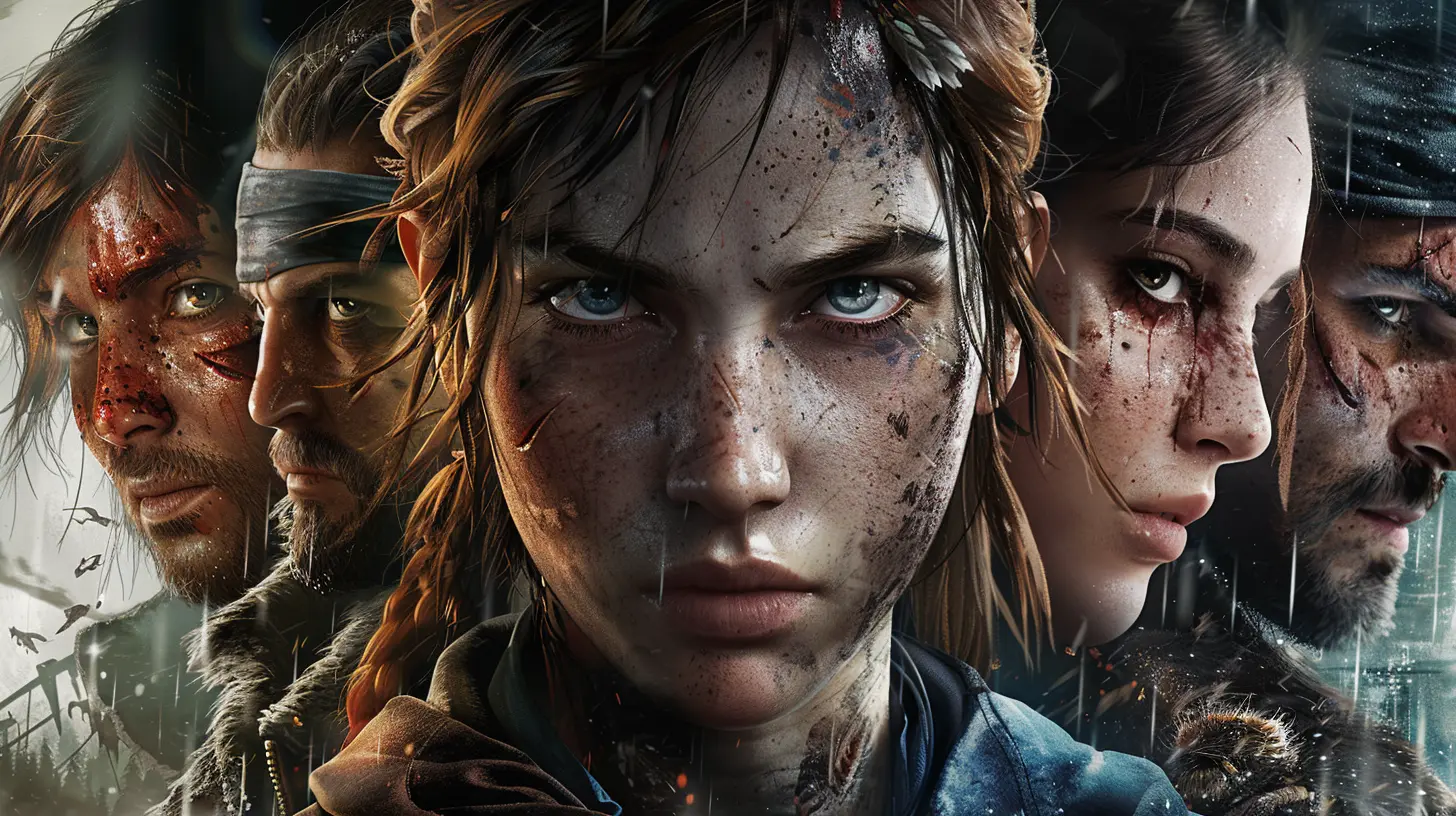
? When Protagonists Were Pixel Puppets
Ahh, the 80s and 90s. The golden age of arcade cabinets, neon colors, and protagonists that didn’t say a word. Why? Because they couldn’t.Take Mario — our favorite Italian plumber who’s been jumping on turtles since 1981. He had one mission: save the princess. That’s it. No monologue, no background trauma, just “It’s-a me, Mario!” and he was off to stomp Goombas like his life depended on it (which, to be fair, it kinda did).
?️ The Silent Era
Back then, story wasn’t king — gameplay was. Developers didn’t have the budget, technology, or storage space to give us emotional backstories or character arcs. If your hero wore a cape or carried a sword, that was all you needed to know. If they had a name? Bonus points!Think Link in the original _The Legend of Zelda_. Did he speak? Nope. Did we understand his motivation? Kind of. But we loved him anyway. He was an avatar for us, the players — our story, our adventure.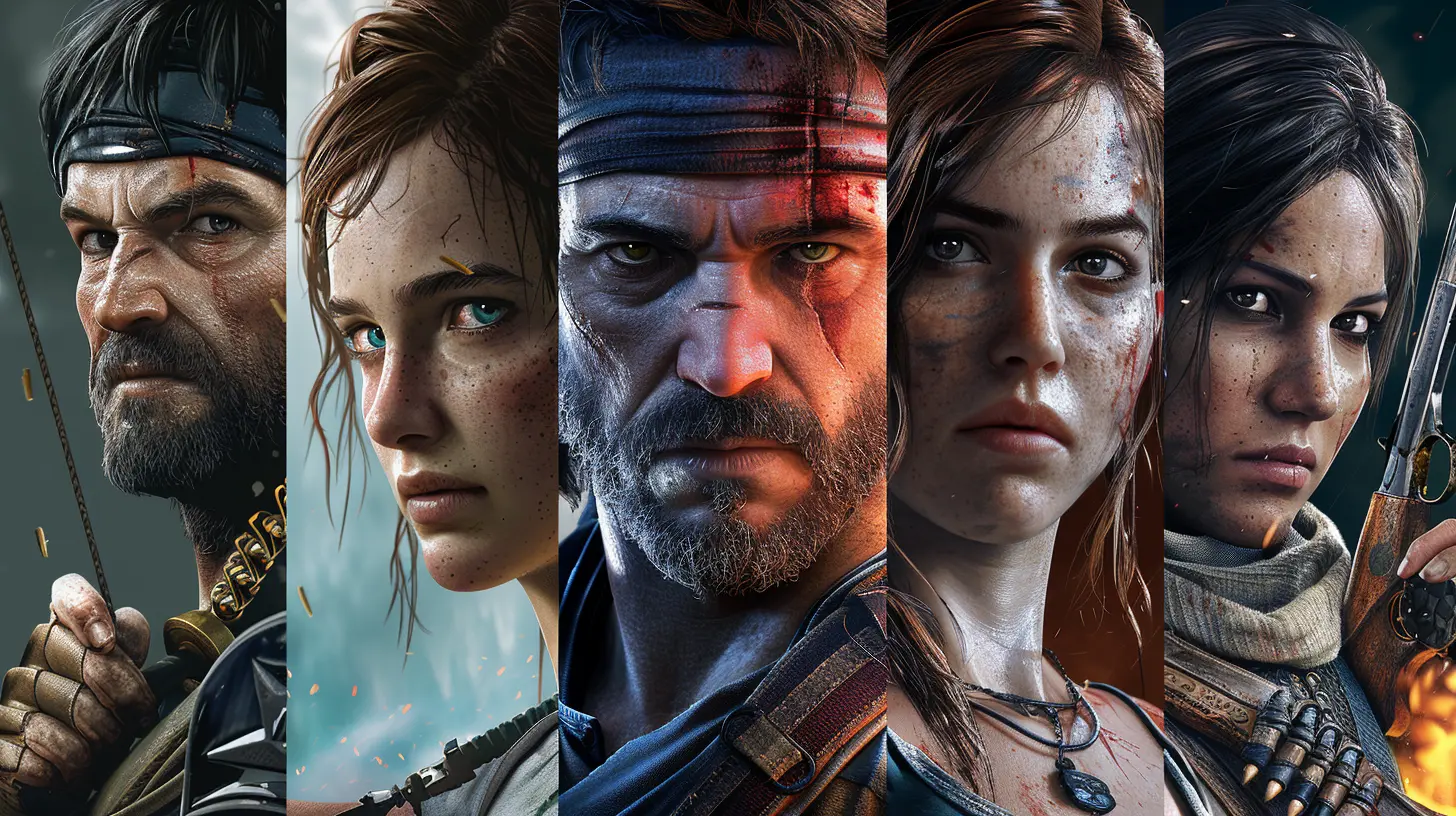
? The Rise of the Edgy Anti-Hero
Welcome to the early 2000s, where things got dark — like, eyeliner-on-a-Tuesday kind of dark. Protagonists were no longer just good guys. They had angst. They had trauma. They had…really complicated haircuts.? From Heroes to Anti-Heroes
Say hello to Kratos from _God of War_. The guy started off as a rage-fueled demigod with a chip on his shoulder the size of Mount Olympus. His story? Tragic. His attitude? Terrifying. His facial expressions? Always set to “furious.”And then there was Max Payne — a noir nightmare of a man who narrated his own life like he was auditioning for a gritty Netflix special. Max didn’t save butterflies or smile at strangers. He punched existentialism in the face and made you feel every bullet wound along the way.
Suddenly, protagonists had backstories so dramatic they made soap operas look like bedtime stories.
? The Age of Emotional Depth and Storytelling
As gaming consoles became more powerful and storytelling evolved, so did our heroes. By the time we hit the 2010s, games were out here making grown adults cry harder than the end of The Notebook.✨ Character Development Hits its Stride
Let’s talk about Ellie from _The Last of Us_. Not only did she grow up in a post-apocalyptic fungus-filled nightmare, but she also had to make choices that would give philosophers migraines.These characters weren’t just vessels for gameplay anymore — they were the story.
Geralt of Rivia? A mutant monster hunter with sarcasm levels so high you could cut glass with them, but also with feelings and philosophies about destiny, love, and humanity.
Arthur Morgan from _Red Dead Redemption 2_? Possibly the most poetic cowboy to ever whistle at a horse. This man went from outlaw to philosopher faster than a tumbleweed in a tornado.
We saw characters evolve emotionally with the story — experiencing love, loss, guilt, redemption… you name it. They were human, flawed, and relatable in ways that made you pause and feel something deep in your pixel-loving soul.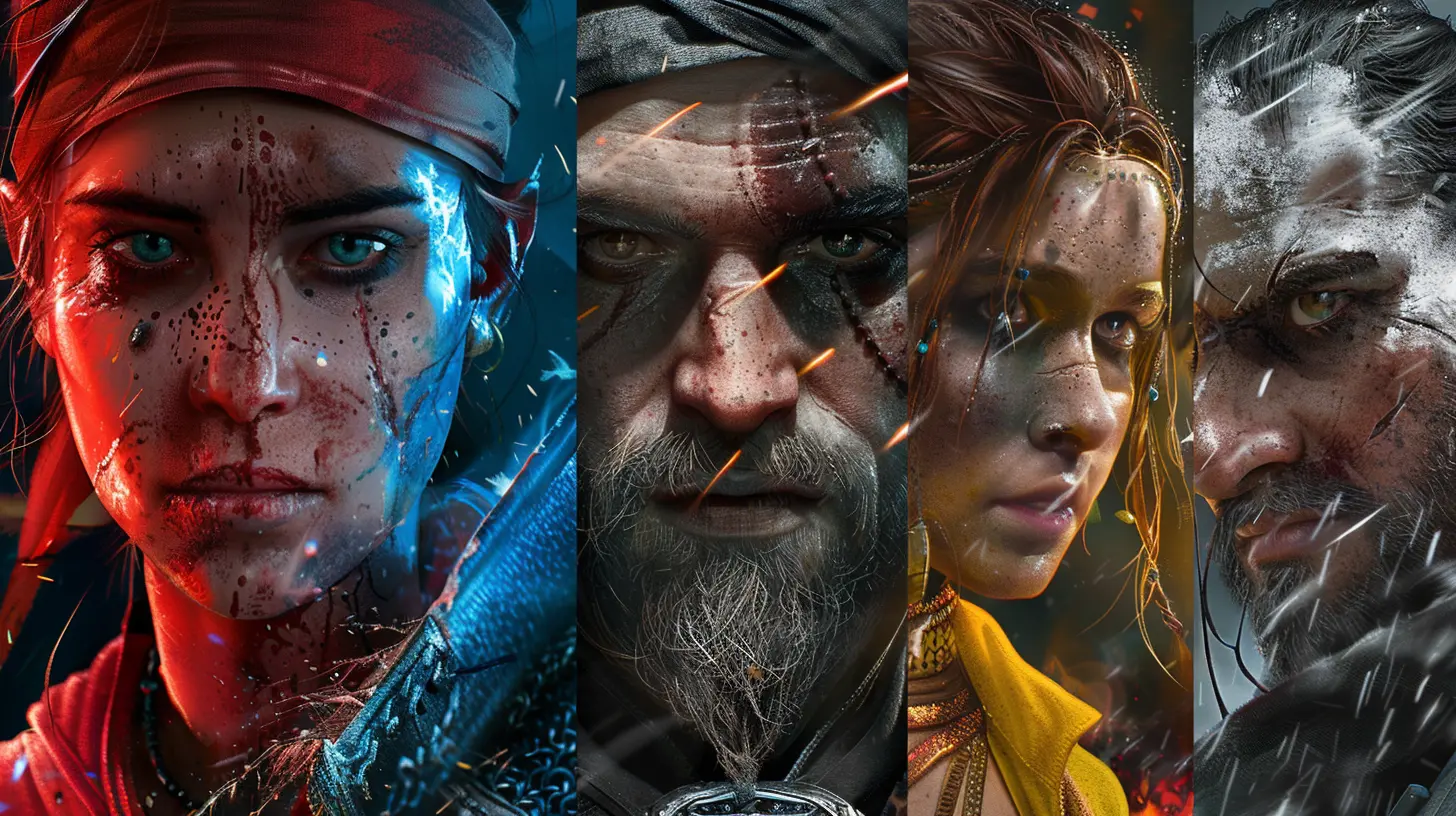
? Custom Protagonists: Be Who You Wanna Be
Alright, let’s take a detour into the character-creation explosion.Games like _Mass Effect_, _Dragon Age_, and _Cyberpunk 2077_ let you pick your hero’s look, gender, backstory, and sometimes even voice actor. You could be noble, chaotic, evil, or a flirtatious rogue with commitment issues. The floor was yours.
? Choices That Matter (Supposedly)
Now, did all these choices actually change the ending? Sometimes yes. Sometimes… not really. (We’re lookin’ at you, _Mass Effect 3_.) But still, giving players that agency created a bond with the protagonist. Suddenly, they weren’t just a protagonist — they were your protagonist.Heck, even Shepard had more personality than half the cast of most movies. And the emotional rollercoaster of seeing your own character suffer, succeed, or romance someone slightly out of your league? Priceless.
? AI, Dialogue Trees, and Protagonists that Talk Back
Let’s not forget the magic of advanced AI and increasingly smart dialogue systems. Protagonists now actually respond to the world around them. Like, with full-blown conversations.? Role-Playing with Real Consequences
In games like _The Witcher 3_ or _Detroit: Become Human_, your choices have weight. Say something snarky? That NPC might hate you forever. Try to save everyone? Good luck, hero — someone’s probably gonna die anyway.And then there are games like _Disco Elysium_, where your protagonist argues with their own thoughts. Yes, really. You’ve got a neurotic inner monologue, conflicting opinions, and a drug problem — all wrapped into one detective with a hangover and an existential crisis.
It’s wild. It’s hilarious. It’s also weirdly beautiful.
? Growth Arcs We Actually Care About
Let’s be real — watching a character grow over the course of a game is more satisfying than watching your houseplant finally sprout a new leaf.? From Zero to Hero and Everything In-Between
Take Aloy from _Horizon Zero Dawn_. She starts off as an outcast, hunting robotic deer for dinner, and ends up saving the world with futuristic tech and a vocabulary that could rival any scientist.Or Lee and Clementine from _The Walking Dead_ — a pair so emotionally devastating, they should’ve come with a tissue warning on the cover. Their relationship? Chef’s kiss. Their growth? Heartbreaking and heartwarming at the same time.
When you can watch a character evolve, struggle, and emerge as someone new, it’s like watching a butterfly awkwardly shuffle out of a cocoon — except instead of wings, they get character development and sometimes a cool sword.
? The Oddballs, The Quirks, and The Unforgettable
Let’s not forget the lovable weirdos — the protagonists who didn’t save the world but made you laugh till your stomach hurt.? Goat Simulator, Untitled Goose Game & Other Madness
You ever play a game where the protagonist is… a goat? Or a very aggressive goose?These games flipped the script. You’re not a hero. You’re chaos incarnate. And honestly, it’s a refreshing break from the usual doom-and-gloom.
Protagonists don’t always have to be brooding warriors or reluctant heroes. Sometimes, they’re just here to cause mayhem, honk loudly, and wear a fancy hat.
?♂️ The Future: AI-Generated Heroes and Narrative Infinity?
So, what’s next for gaming protagonists?? The Infinite Possibilities of Procedural and AI Magic
With AI storytelling tools and procedural narrative systems, future protagonists could be completely different for every player. Imagine a game where your character’s entire arc is written dynamically as you play — influenced by your playstyle, choices, and how many times you’ve rage-quit.It’s not far off. Already, we’re seeing games dip their toes into this with dynamic dialogue and morphing storylines. One day, your digital BFF could remember every cringey decision you’ve ever made, and bring it up during boss fights just to roast you.
AIs: petty, powerful, and possibly your new co-op partner.
? What Makes a Great Game Protagonist?
Let’s boil it down: what really makes a game character great?Is it their ability to wield a sword the size of a surfboard? Their tragic backstory? Their charming one-liners?
Honestly? It’s heart. It’s the way they stick with you after the credits roll. Even if they're silent, sarcastic, or shaped like a cube — if they make you feel something in your overworked gamer soul, they’ve done their job.
? TL;DR: The Humble Hero Has Come A Long Way
From Italian plumbers and silent swordsmen to morally questionable cyborg detectives with emotional baggage — the evolution of protagonists in story-rich games has been one heck of a glow-up.We’ve gone from blank slates to full-blown literary character arcs, and gamers couldn’t be happier. Because whether you’re dodging apocalypse mushrooms, romancing alien diplomats, or just stealing hats as a goose — it's the story, and the hero at the center of it, that makes it all worth playing.
And honestly? We can’t wait to see who (or what) we get to become next.
all images in this post were generated using AI tools
Category:
Game NarrativesAuthor:

Greyson McVeigh