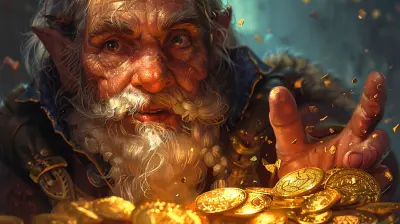
The Dark Side of Chasing Gaming Achievements
4 March 2026
Alright, fellow gamers—let’s get real for a minute. Gaming is awesome. It's immersive, it’s exciting, and yeah, it can be super rewarding. But have you ever found yourself grinding through a game you don't even enjoy anymore, just to get that one last achievement? You know the one—it’s buried deep in the corner of some pixelated map, protected by nightmare-level enemies, or worse, requires you to sit through hours of mundane tasks.
If you've nodded along, you're not alone.
Chasing gaming achievements can be a lot of fun. It gives us purpose in-game, a reason to explore every nook and cranny, and bragging rights to flaunt among friends (or strangers online). But there's a lesser-known underside to this digital pursuit. Let’s dive deep into the dark side of chasing gaming achievements and see why this seemingly harmless endeavor might be doing more harm than good.
What Exactly Are Gaming Achievements?
First, a quick refresher—gaming achievements are in-game goals or milestones that reward players for completing specific tasks. These can range from finishing levels, collecting items, defeating bosses, or trying out unusual gameplay mechanics. Consoles like Xbox and PlayStation and platforms like Steam have turned achievements into visible badges of honor.They’re often displayed publicly, adding a competitive edge—like a digital résumé of your gaming prowess.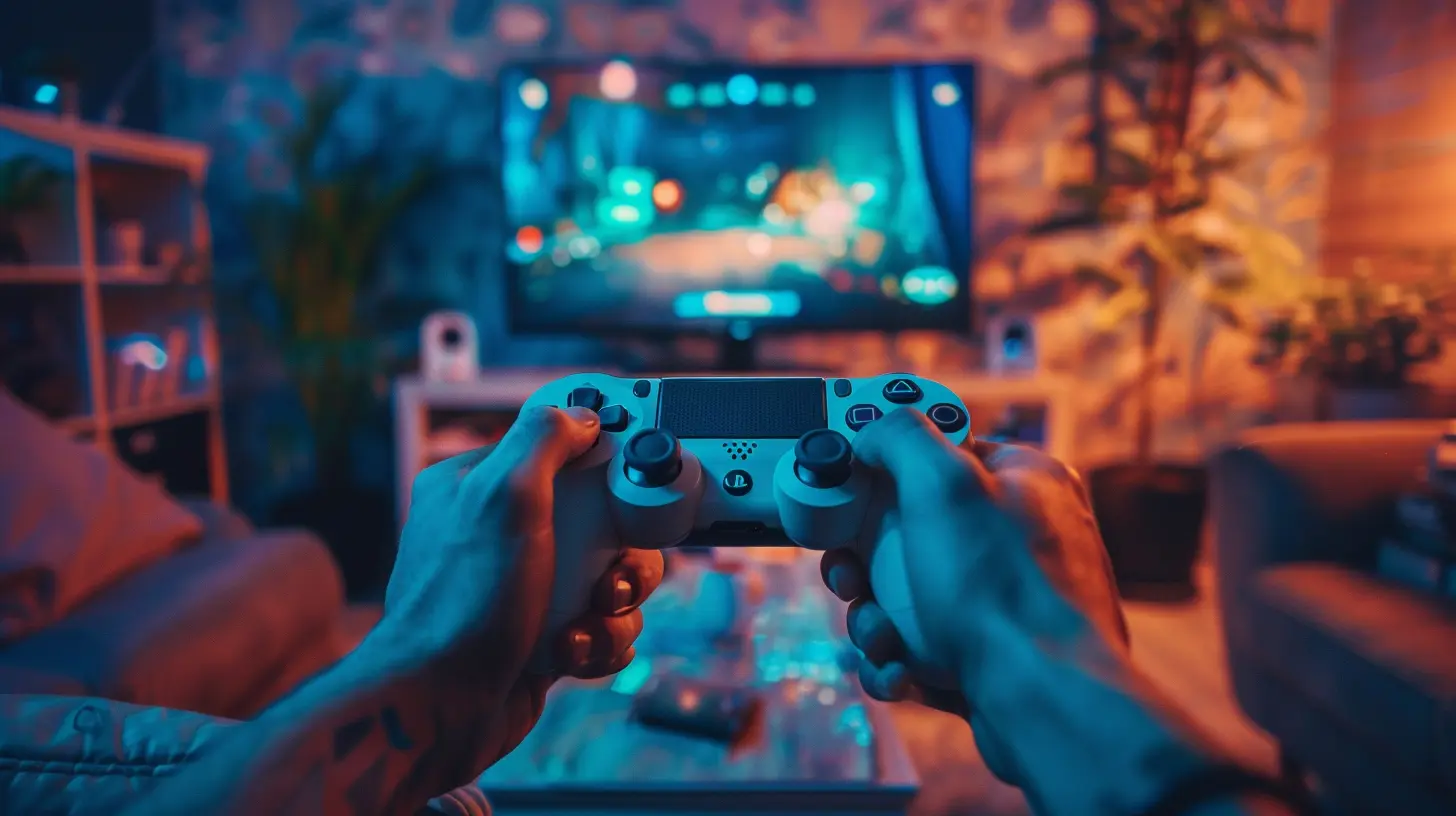
Why Do We Chase Them?
Before we explore the darker corners, it's important to understand the why. Why do so many of us fall into this achievement-chasing rabbit hole?The answer is simple—but powerful: dopamine.
Yep, that sweet little rush of joy you get when that “Achievement Unlocked” banner pops up is no accident. Psychologically, it works like a reward system, similar to the feel-good hit you get from likes on social media or ticking off your to-do list.
It feels good. It’s addictive. It scratches an itch in our brain.
When Achievements Take Control
Now here's where things start to get a little sketchy. That drive to “complete” games can morph into something that’s less joy and more job. You’re not playing for fun anymore—you’re playing to get that 100% badge. Whether it’s killing 1,000 enemies, finding 100 hidden feathers, or doing a "no-death" run on hardcore mode... things can start to spiral.1. Burnout Hits Hard
Grinding for achievements can turn casual gaming sessions into exhausting marathons. Ever spent hours trying to beat the same level just for a trophy? You start to hate the game, and worse—you might start to hate gaming altogether.Burnout in gaming isn't just physical—it’s mental. When your favorite hobby starts to feel like homework, you know you’ve pushed too far.
2. The Fear of Missing Out (FOMO)
Some achievements are time-limited or tied to specific events. This means if you miss the window, you're out of luck—unless it comes back the following year (which is never guaranteed). And guess what?That leads to stress. Real stress… about freaking video game content.
Suddenly, you're not enjoying the seasonal event—you’re panicking about missing achievements. It's like holiday shopping panic but with virtual snow skins and limited-edition swords.
3. The Grind Gets Real
Some achievements are flat-out ridiculous. Think "Play 500 matches" or "Collect 1,000 rare drops." These aren’t skill-based—they’re time-based. And time, as we all know, is a pretty valuable thing.Grinding for the sake of ticking off a box? That’s when you know the scale has tipped from passion to obsession.
When Gaming Becomes a Second Job
Not gonna lie, chasing achievements can start to feel like a job—especially with games that stretch into hundreds of hours. You log in at the same time every day, follow the same route, complete the same repetitive tasks.It’s the gamified version of punching a clock.
You might even start creating Excel spreadsheets to track your progress, scheduling sessions for maximum efficiency… wait, are we still talking about games?
The Illusion of Progress
Here’s the wild part: all that effort isn’t always real progress.Yeah, you collected 500 blue mushrooms. Gold star. But did that really challenge you? Did it make you better at the game… or did it just eat up your time?
Many achievements are arbitrary. They're designed to keep you playing—not necessarily to reward skill or creativity. And that’s a dangerous loop. Because the more invested you get, the harder it is to stop, even when it’s not fun anymore.
Think of it like chasing likes on social media. It feels like growth… but is it?
Toll on Mental Health
Let’s get serious for a sec. When achievement hunting turns into obsession, it can take a real toll on your mental health. People can experience:- Anxiety over missing limited-time events
- Guilt for not playing "efficiently"
- Frustration with difficult or buggy achievements
- Depression after completing massive grinds that feel hollow
Gaming is supposed to be an escape. When it starts causing more stress than peace, that’s a red flag.
The Social Pressure Doesn’t Help
Achievement stats are visible. Your friends can see them. Strangers online can see them. And that turns what should be a personal journey into a public scoreboard.You might start comparing your stats. Maybe your buddy has a platinum trophy in a game you gave up on in the first hour. Now you feel like you're slacking—even if you were doing something way more productive or enjoyable.
This leads to a toxic loop of validation-seeking through meaningless metrics.
Developers Know What They’re Doing
Let’s not pretend this is accidental. Developers are smart. Game studios bake achievements into their design as a way to increase player retention. Some are designed to make you explore more of the game world—awesome. But others? They're designed specifically to keep you playing longer, even when you're no longer having fun.It’s like a casino. You get just enough wins to keep you pulling the lever.
When To Take A Step Back
So, how do you know if it's time to pause the obsession? Ask yourself:- Are you still having fun?
- Are you only playing to chase achievements?
- Are you ignoring other games, hobbies, friends, or responsibilities?
- Do you feel frustrated or stressed when you think about your "backlog"?
If the answer is “yes” to any of these, it's OK to step back. Seriously. You're not less of a gamer for it.
Healthy Ways to Enjoy Achievements
Now, let’s not throw out the Xbox with the Game Pass. Achievements aren’t inherently bad. They can be awesome when approached with the right mindset. Here's how to enjoy them without losing your mind:1. Pick Your Battles
Not every game needs a 100% completion run. Choose titles you actually love to dive deep into. If it's fun to go the extra mile, great! If not, walk away without guilt.2. Set Your Own Goals
Instead of following pre-set achievements, set personal milestones. Maybe you want to finish a game without using guides or try a self-imposed challenge. Make it yours.3. Balance Your Gaming Diet
Mix in games that don’t have achievements or aren't structured around them. Story-driven indie games, chill puzzlers, or sandbox titles can reset your mindset.4. Play With Friends
Sometimes the joy of gaming gets lost when you're too focused on solo goals. Jump into multiplayer modes just to have fun—no pressure, no trophy hunting.5. Remember Why You Started
Think back to when you first picked up a controller. Was it for digital trophies… or was it the thrill of discovery, the joy of storytelling, the rush of a close call?Keep that spirit alive.
Final Thoughts
Gaming achievements can be awesome. They push us to explore, master, and experience games in new ways. But like anything designed to tap into our brain's reward system, it's easy to go overboard.The dark side of chasing gaming achievements isn’t just about time wasted—it’s about joy lost. When the hunt overshadows the adventure, it’s worth taking a step back.
Your gaming life isn’t measured in platinum trophies. It’s about the moments that made you laugh, gasp, cheer, and yell at the screen in disbelief. Those are the real achievements.
So go ahead, chase that next trophy if you want to—but make sure you're still having fun along the way.
all images in this post were generated using AI tools
Category:
Gaming AchievementsAuthor:

Greyson McVeigh
Discussion
rate this article
2 comments
Sablethorn Ramirez
While gaming achievements can enhance enjoyment, they can also lead to unhealthy competition and burnout. Balance is key—prioritize your well-being and gaming experience over the incessant chase for accolades.
March 20, 2026 at 5:46 AM
Valen McCarty
Great insights! Remember, balance is key to enjoying gaming without pressure!
March 6, 2026 at 3:42 PM