The Art of Worldbuilding in Open-World Games
20 August 2026
Let’s be real—there’s something magical about stepping into a game world that feels alive. You know the kind: where you spot a random NPC chopping wood, birds fly overhead, and distant mountains tease you with the promise of adventure. That’s worldbuilding. And not just any worldbuilding—this is the high art of crafting open-world game universes.
So grab your sword, your map, or maybe just your headphones, because we’re diving deep into how developers build these breathtaking digital worlds and why we as players can’t get enough of them.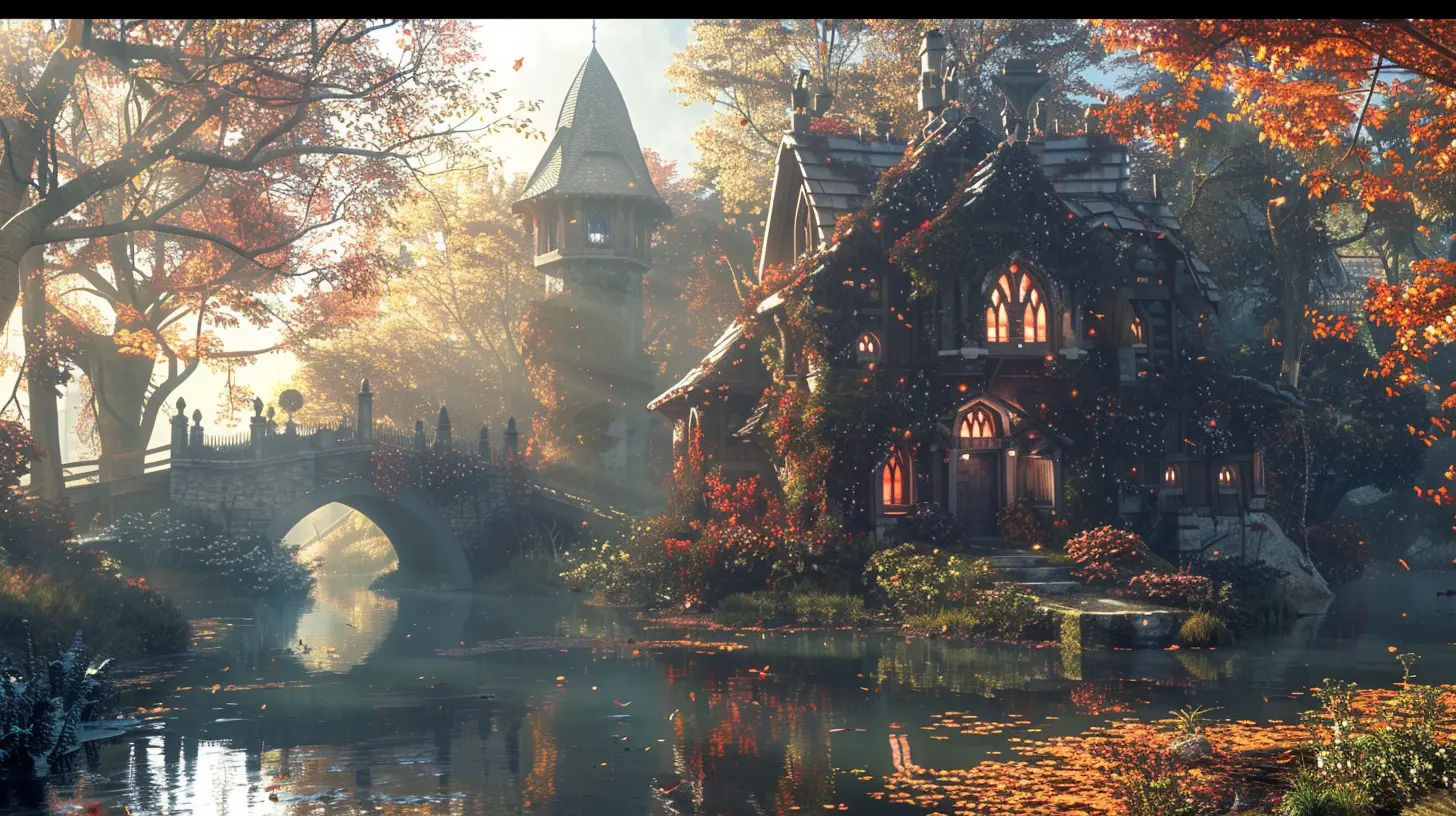
What Is Worldbuilding Anyway?
First things first—what the heck is worldbuilding?In the simplest terms, worldbuilding is the process of constructing a fictional universe. It's the lore, geography, culture, history, politics, and even the weather cycles that make a game world feel believable. It’s not just about creating a place—it’s about creating an experience.
Think of it like building a sandcastle. You’re not just piling up sand; you’re designing towers, carving moats, and adding little shell windows. In games, instead of sand and shells, developers use code, art, and storytelling.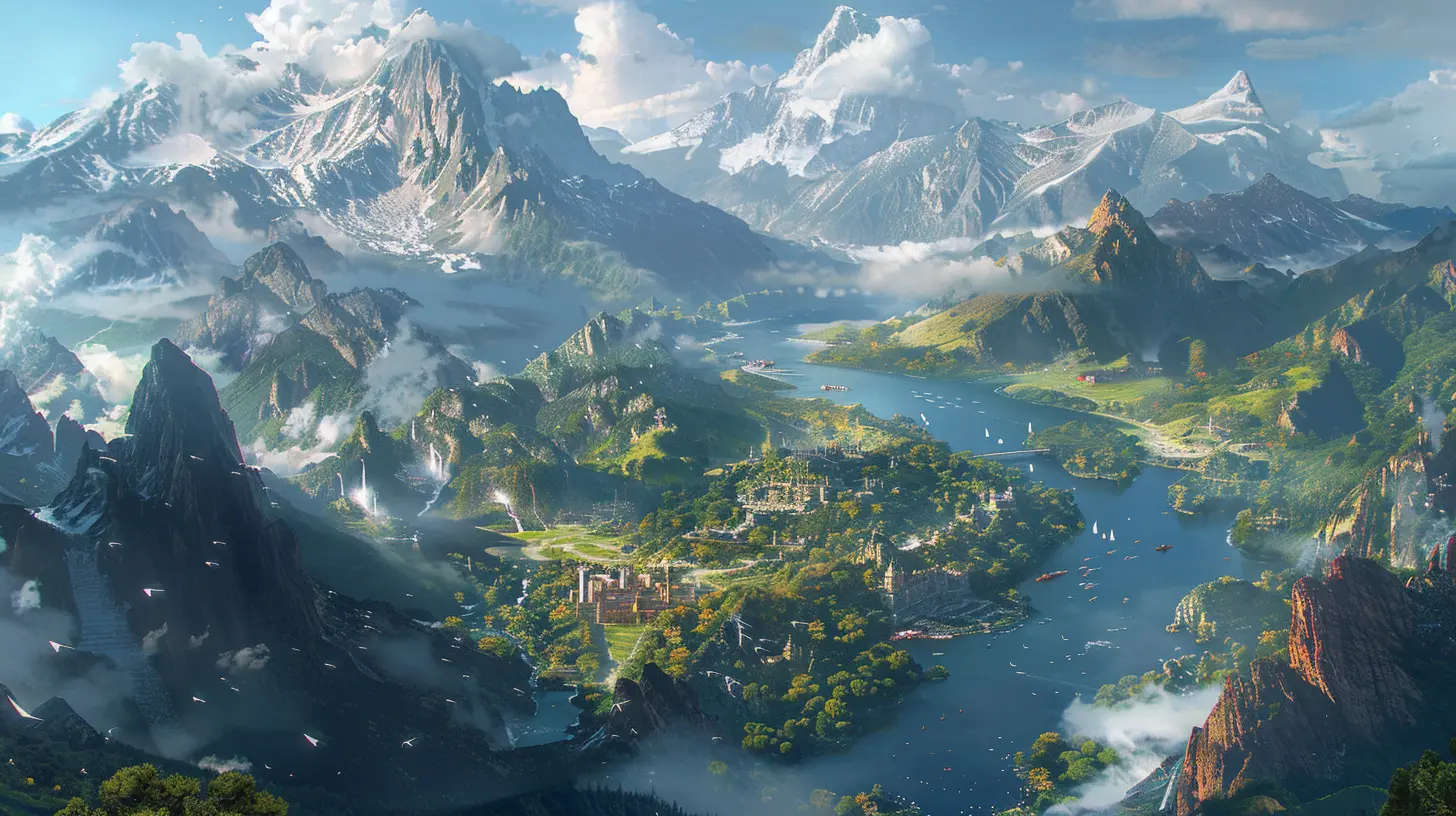
Why Worldbuilding Matters in Open-World Games
Unlike linear games, where the path is mostly laid out for you, open-world games hand you the keys and say, “Go nuts.” That freedom? It only works if the world makes sense.A well-built world invites exploration. It whispers, "There’s something over that hill,” and when you get there, it delivers. It doesn’t feel like a backdrop; it feels like the main character.
Immersion Is Everything
You know that feeling when you forget you’re sitting on your couch because you're too busy hunting dragons, or talking to villagers who seem to have actual lives? That’s immersion, and it only happens when worldbuilding hits the sweet spot.Games like The Witcher 3 or Red Dead Redemption 2 aren't just fun because of combat or missions—they're fun because you believe in the world. It's consistent, layered, and reactive.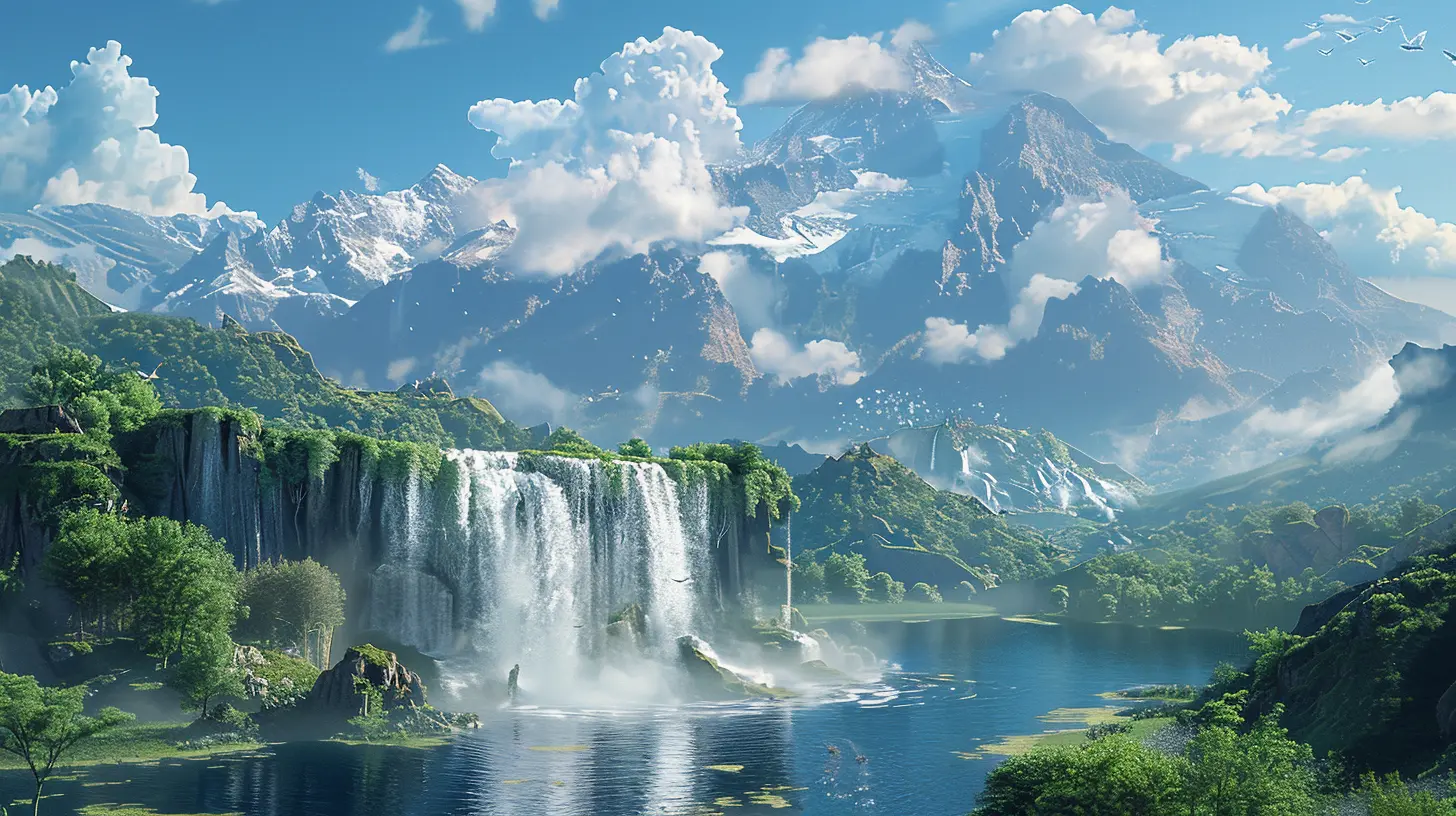
The Building Blocks of Great Worldbuilding
Alright, so how do developers bring these worlds to life? There’s no single blueprint, but here are the key ingredients they use.1. Geography and Environment
Where does your world take place? Snowy mountains? Sweltering deserts? Lush forests? The terrain is the foundation of any game world.And it’s not just about looks. Good geography affects gameplay. Maybe a high cliff gives you a sniper advantage, or a river forces you to find a bridge.
Think of Skyrim’s towering mountains and dense forests. You feel the chill in the air. You get lost in a snowstorm. That’s no accident—it’s brilliant design.
2. Lore and History
Every great game world has a past. Cultures rise and fall. Wars were fought. Myths were passed down.You don’t need to read a 500-page codex to appreciate it (though some games offer that, looking at you, Elder Scrolls). Even overhearing NPCs gossip about an old war can add rich layers of context.
Lore gives the world depth. It's the difference between a place that exists and one that means something.
3. Factions, Cultures, and Societies
People—or whatever counts as people in your fantasy universe—are a huge part of worldbuilding. Different regions have different foods, clothes, accents, even governments.When a game includes factions with different goals and beliefs, it creates tension and choice. Will you side with the rebels, or the ruling class? Are these noble criminals or just thugs in nice coats?
These decisions are more impactful when the world feels alive and nuanced.
4. Day/Night and Weather Cycles
Little details like changing light, sudden rainstorms, or foggy mornings do wonders for immersion. They make the world feel unpredictable and real, not static and scripted.Imagine sneaking into an enemy camp under the cover of a thunderstorm. That's not just cool—it’s affecting gameplay and storytelling at the same time.
5. Interactivity and Consequences
In open-world games, what you do should matter. If you burn down a village, people should react. If you rescue someone, they should remember.Worldbuilding isn't just about visuals and lore—it's also about systems that respond to your actions. That dynamic feedback loop is what makes open-world games so addictive.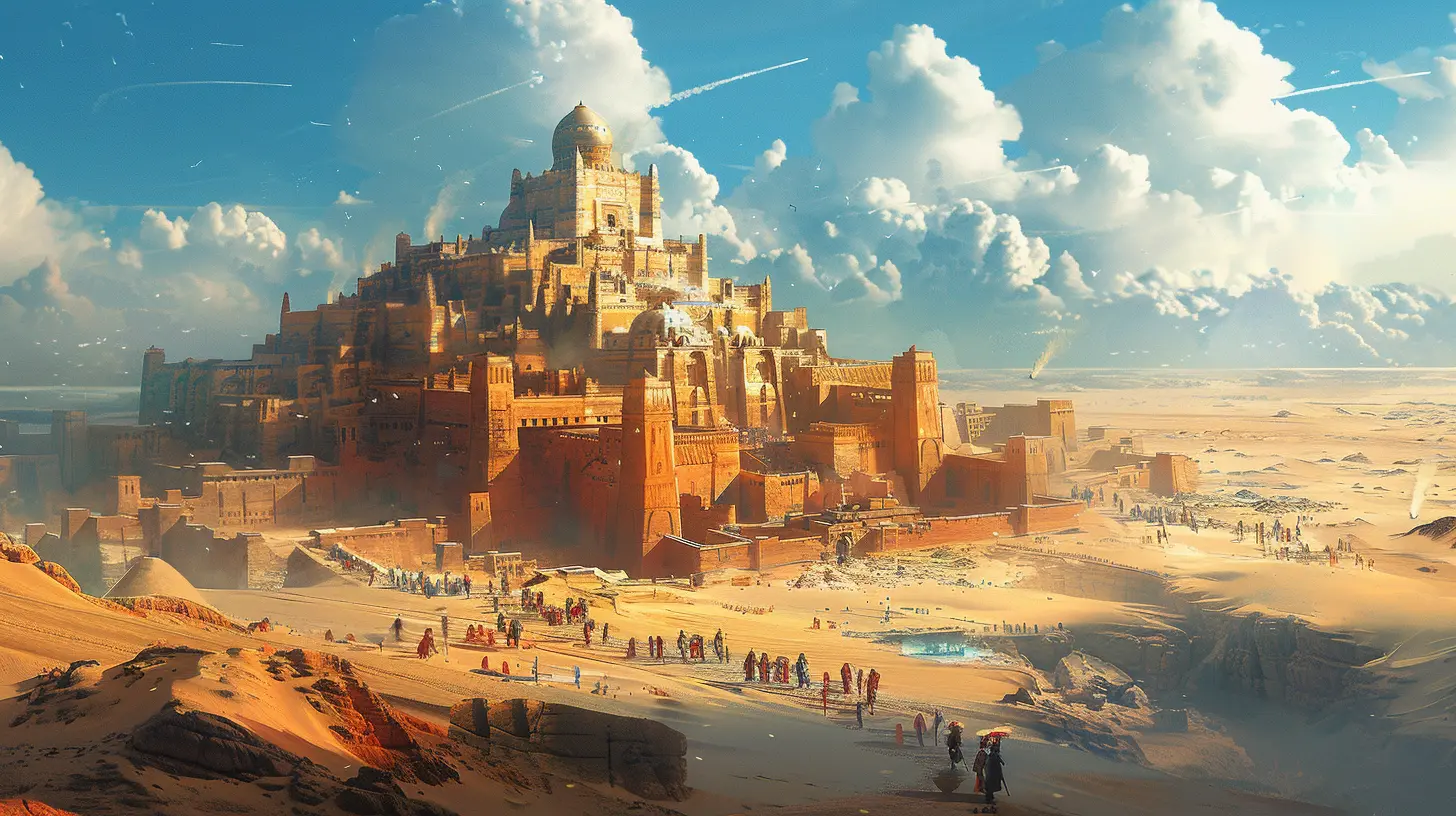
Case Studies: Games That Nailed It
Let’s look at a few open-world games that absolutely crushed the worldbuilding game.The Witcher 3: Wild Hunt
This one's the gold standard. From the war-torn landscapes of Velen to the bustling streets of Novigrad, every inch of the world oozes personality.You get the sense that stuff is happening even when you’re not around. Villages have histories. Sorceresses have agendas. There’s politics, religion, and personal drama.
Plus, the side quests? They’re not just filler—they add cultural texture and emotional weight. That’s worldbuilding done right.
Red Dead Redemption 2
Rockstar basically turned the Old West into an interactive documentary.Every saloon, ranch, and railway has a story. You can eavesdrop on conversations, watch lawmen patrol the towns, and even see animals migrating based on the seasons.
It's slow-paced in the best way—designed to be soaked in like a good novel.
Zelda: Breath of the Wild
Minimalist, but brilliant. The world is your playground, and everything serves a purpose. That broken down ruin? It tells a story. That lone tree on a cliff? Might hide a Korok seed.Nintendo didn't rely on long cutscenes—they let the environment do the talking.
The Role of Sound and Music
Let’s not underestimate audio. Sound is a huge part of worldbuilding.Ambient noises make a forest feel alive—chirping birds, rustling leaves, distant wolves. Music swells at the right moments and pulls you in emotionally.
Ever walked through a peaceful town square in a game, only for the music to subtly shift when night falls or enemies get close? That’s audio worldbuilding, and it’s pure magic.
Procedural vs. Handcrafted Worlds
This is a hot topic in the gaming world.Handcrafted worlds are meticulously designed by artists and developers. Think God of War or Ghost of Tsushima. They’re beautiful and detailed, but limited in scope.
Procedural worlds, like those in No Man’s Sky or Minecraft, are generated by algorithms. They’re massive and unique—but they can sometimes feel repetitive or empty.
The sweet spot? A blend. A procedurally generated world with hand-placed points of interest can offer scale without losing soul.
How Players Affect Worldbuilding
Guess what? You’re not just a visitor in these worlds—you’re a co-author.Your choices, your path, the side quests you take (or ignore), all affect how the world unfolds for you. In some games, entire regions can change depending on your decisions.
This player influence is a huge part of what makes modern open-world games so personal and replayable. No two playthroughs are truly alike.
Challenges Developers Face
Sure, worldbuilding is cool, but it’s also crazy hard.Balancing detail with scale is no easy task. Too much detail and the game becomes overwhelming or bloated. Too little, and it feels flat.
There’s also the issue of consistency. If the world’s rules aren’t clear or the lore contradicts itself, immersion breaks like a glass pane in a boss fight.
Oh, and let’s not forget time and budget. A world as detailed as Skyrim or Cyberpunk 2077 takes years to develop.
The Future of Worldbuilding
With better engines, smarter AI, and more powerful hardware, the sky's the limit.Imagine NPCs who remember you across playthroughs. Or dynamic ecosystems where animals migrate in real time. Or cities that grow or fall based on your actions.
We’re already starting to see glimpses of this. The future? It’s gonna be wild.
Final Thoughts
Worldbuilding in open-world games is an art form. It's about crafting more than just a place—it's about creating a feeling, a vibe, a digital home away from home.When done right, players don’t just play these games—they live in them.
So the next time you're wandering through a misty forest or stumbling upon a haunted ruin, take a moment to appreciate the insane amount of love and detail that went into making that moment feel real.
Because behind every great open-world game is a team of dreamers who asked, “What if we could build a whole new world… and let players write their own story in it?
all images in this post were generated using AI tools
Category:
Game NarrativesAuthor:

Greyson McVeigh