The Art of Realism: How Games Capture Life-like Details
30 March 2026
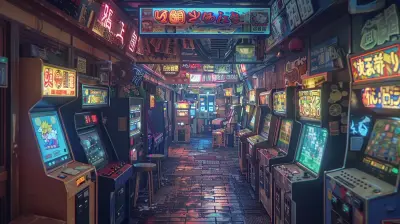
Video games have come a long way from their pixelated origins. Remember those 8-bit sprites where your imagination had to work overtime just to believe it was a dragon or a ninja? Well, those days are long gone. Today's games? They're a visual marvel—so much so that, at times, you can't tell if you're looking at a game or a photograph. It's like watching life unfold onscreen. But what sorcery is this? How do games manage to capture life-like details so perfectly? Let's dive deep into the art of realism in video games.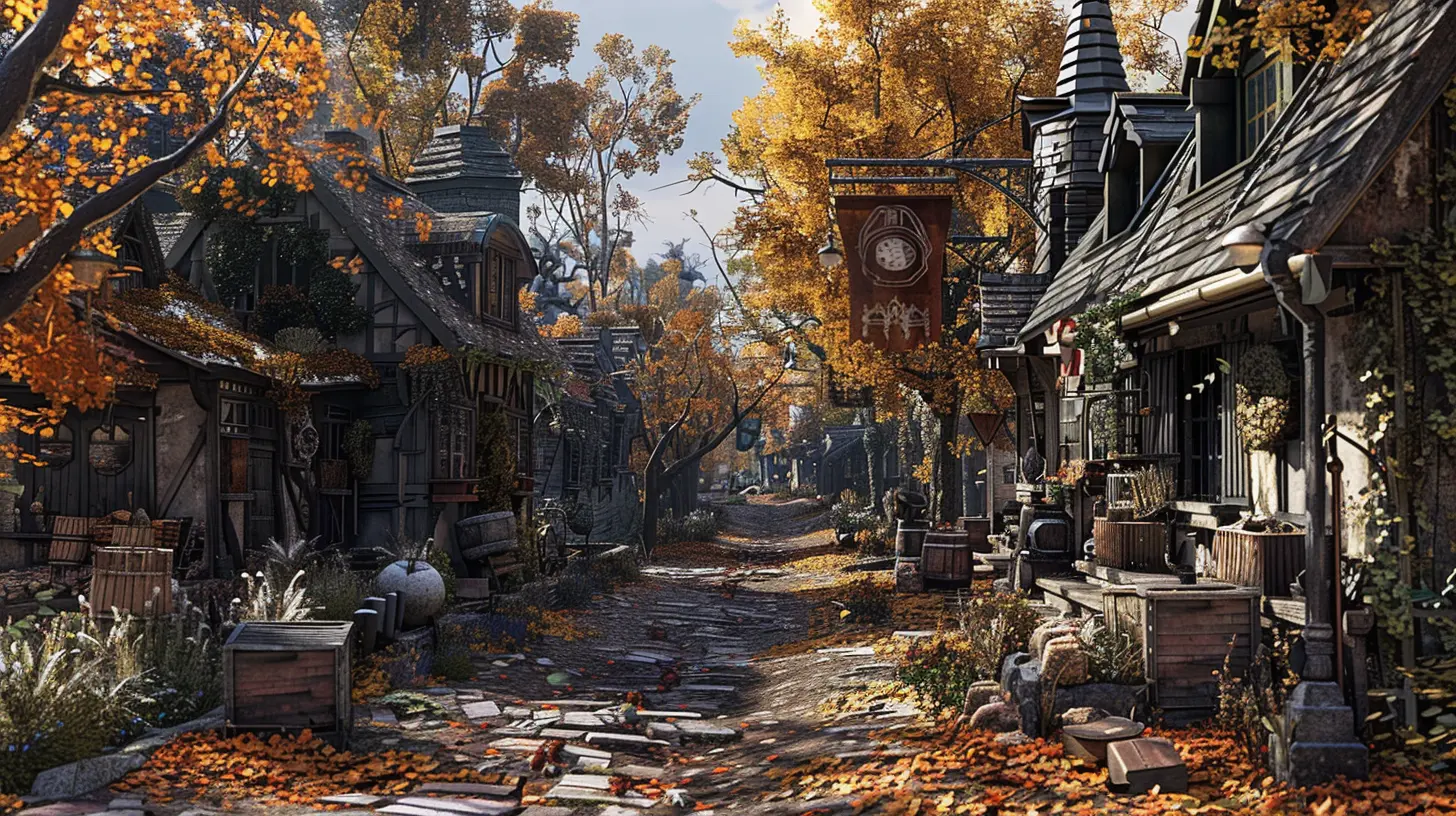
What Is Realism in Gaming?
You’ve heard the term "realistic graphics" thrown around in game reviews, right? But realism in gaming isn’t just about making things look pretty. It’s about creating an experience that feels real, like something tangible you could jump into. Realism goes beyond mimicking real-world visuals—it’s about capturing textures, movement, sounds, lighting, and even emotions.It’s not just what you see; it’s what you feel when you see it. When a character's expression changes subtly during an intense moment, or when the rain hits the ground and you can hear it splatter, that’s realism at its finest.
But wait—how do developers pull this off? What’s the secret sauce?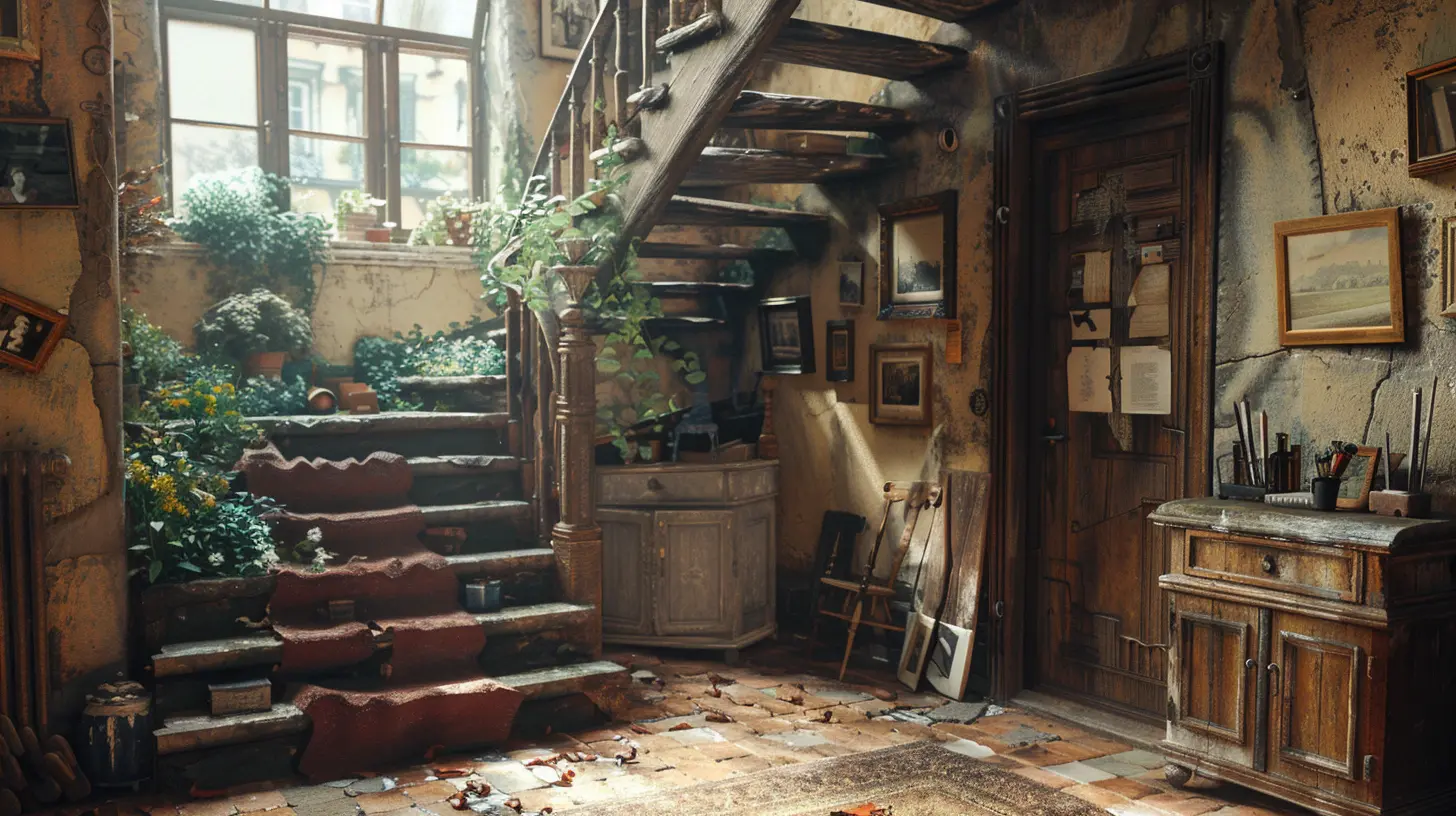
The Magic Ingredients: Techniques That Bring Realism to Life
Creating realism in games isn’t as simple as slapping on high-resolution textures and calling it a day. Developers use a cocktail of advanced techniques to make their virtual worlds feel alive. Here’s a breakdown of how they do it:1. Photogrammetry: Capturing Reality with Precision
Ever wonder why some game environments look so eerily real? That’s photogrammetry at work. This technique involves taking high-resolution photographs of real-world objects and environments from every angle imaginable. These photos are then converted into 3D models, giving gamers the impression they’re walking through an actual forest, city, or war zone.For instance, games like The Last of Us Part II and Battlefield 2042 have used photogrammetry to make their environments stunningly lifelike. Those cracked pavements, moss-covered bricks, and rusted cars? Chances are, they were inspired by actual places.
2. Ray Tracing: When Light Gets Real
Here’s a question for you: what gives a scene its atmosphere? The lighting, right? That’s exactly where ray tracing steals the show. It’s like training a game to “think” about how light behaves in the real world. Light bounces, reflects, and scatters naturally, creating shadows and highlights that look eerily authentic.Ever noticed how sunlight streams through windows in games like Cyberpunk 2077 or how reflections in puddles look surprisingly real? Give ray tracing a round of applause for that one.
3. Physics Engines: When Objects Behave Right
Okay, this might sound a bit nerdy, but you know what really messes with immersion? Bad physics. If a character is supposed to fall off a cliff but floats mid-air like a balloon, all that realism goes out the window. That’s where physics engines come in.Games like Red Dead Redemption 2 nail this perfectly. Whether it’s the way a horse gallops or how snow crunches underfoot, everything feels grounded in reality. Objects in the game behave as they would in the real world, and that consistency makes the experience oh-so-satisfying.
4. Motion Capture: Making Characters Believable
Imagine watching a character deliver a heartfelt speech but their lips move like a puppet’s on strings. Cringe, right? Motion capture (or “mocap”) fixes this by recording the movements of real actors and applying them to digital characters. It’s like CGI for video games.Games like Uncharted 4 and Horizon Forbidden West have mastered this technique, creating characters whose movements, facial expressions, and gestures feel natural—even during high-stakes battles or quiet, emotional moments.
5. AI and NPC Behavior: Breathing Life into Virtual Worlds
It’s not just the graphics that need to feel real—the game’s world should feel alive, too. Nothing kills immersion faster than NPCs (non-playable characters) walking into walls or repeating the same canned line over and over.Advanced AI systems now make NPCs smarter, more reactive, and less robotic. In The Elder Scrolls V: Skyrim, for example, villagers have schedules—they wake up, work, and even go to bed. Simple? Sure, but it makes the world feel like it’s more than just a playground for you to wreak havoc in.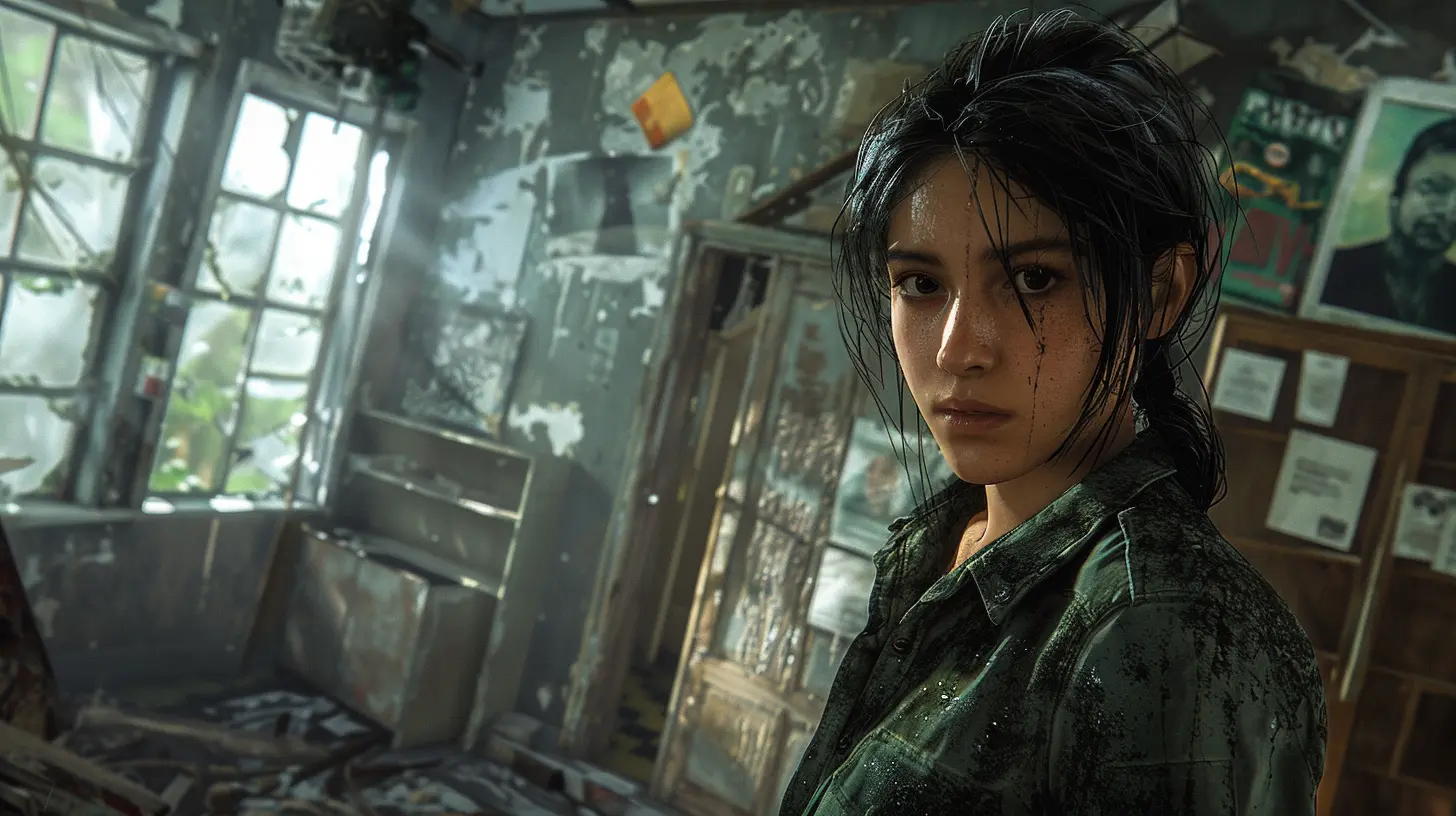
Realism Meets Creativity: The Perfect Balance
Here’s the thing about realism, though—it’s a double-edged sword. Too much realism can actually ruin a game’s fun factor. A hyper-realistic game where your character has to, say, stop and tie their shoes every 10 minutes? No thanks.Game developers have to strike a balance. Realism should enhance the experience, not bog it down. Think of it like adding seasoning to food—you want just enough to bring out the flavors, but not so much that it overwhelms the dish.
Take Grand Theft Auto V, for example. It’s a wild sandbox game where you can drive cars through bustling cities, but it still respects real-world physics and weather patterns. Or look at The Legend of Zelda: Breath of the Wild—its cooking mechanics, weather systems, and physics feel grounded, but the fantastical elements keep the gameplay exciting.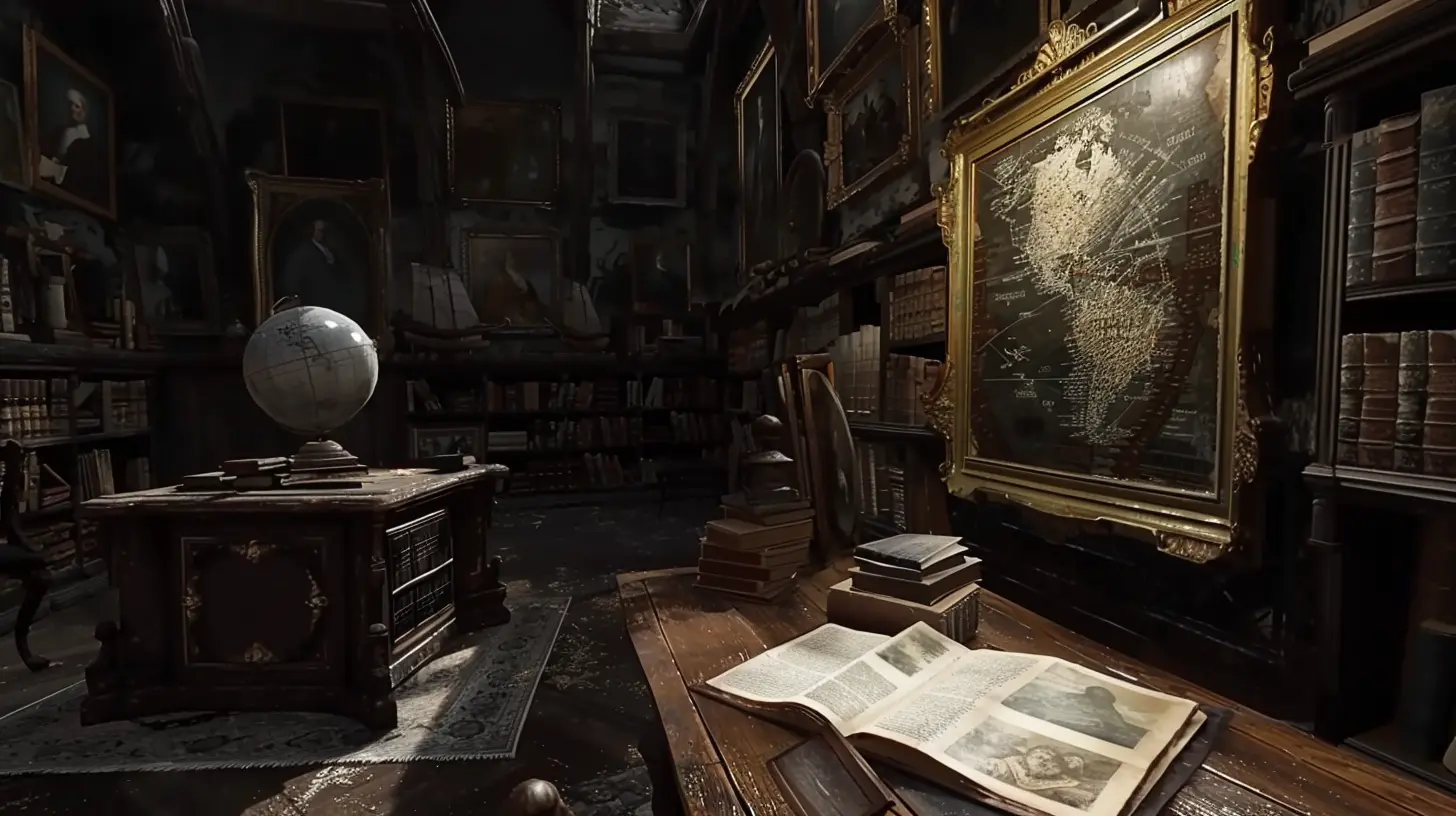
Why Does Realism Matter?
You might wonder—why go to all this effort? Why does it matter if a tree sways realistically in the wind or if a character’s eyes glisten with tears? Simply put, realism bridges the gap between the gamer and the game.When a game feels real, you’re not just playing it—you’re living it. You’re invested in the characters, the story, and the world. Realism isn’t just eye candy; it’s a storytelling tool. It convinces you that what’s happening onscreen is worth caring about.
The Future of Realism in Games
Alright, here’s where things get exciting. If games already look this lifelike, what’s next? With advancements in technology, we’re entering uncharted territory. Think hyper-realistic VR worlds, AI-driven storytelling, and even games that can adapt to your emotions. Imagine a game that looks into your eyes, reads your mood, and changes the story to match how you’re feeling. Creepy? Sure. Cool? Absolutely.As hardware gets better, we’ll see even more impressive levels of realism. From more nuanced facial animations to worlds that feel truly alive, the possibilities are endless. But at the end of the day, the goal will remain the same: to create experiences that captivate us.
Wrapping It Up
Realism in video games is an art—it’s not just about making things look pretty. It’s about creating a world so believable that you forget it’s just a collection of code and pixels. Whether it’s through photogrammetry, ray tracing, motion capture, or smarter AI, developers are constantly finding new ways to push boundaries.The next time you play a game and find yourself marveling at the way water ripples or how a character’s expression tugs on your heartstrings, take a moment to appreciate the artistry behind it. Realism isn’t just a feature—it’s a testament to how far gaming has come.
all images in this post were generated using AI tools
Category:
Realism In GamesAuthor:

Greyson McVeigh
Discussion
rate this article
2 comments
Zeke McVey
This article beautifully highlights the intricate ways games achieve realism, blending technology and artistry. While focusing on lifelike graphics, it prompts reflection on the balance between realism and gameplay, enriching the overall gaming experience. Great insights!
April 3, 2026 at 4:58 AM
Greyson McVeigh
Thanks for your thoughtful comment! I appreciate your insight into the balance between realism and gameplay. It's a crucial aspect of the gaming experience.
Susan Hill
Realism in gaming isn’t just about visuals; it’s the synergy of emotion, narrative, and detail. When done right, the virtual world feels more alive than reality itself.
April 2, 2026 at 4:12 AM
Greyson McVeigh
I completely agree. It's that blend of story and emotion that truly immerses players and brings the game world to life.