The Art of Gamifying Progress Through Digital Rewards
13 June 2026
Ever heard someone say, “Life’s a game”? Well, what if it actually was? No dragons or pixelated bad guys—just your daily goals and tasks, handed to you like quests. That’s the power of gamification. And in today’s tech-drenched world, we’re leveling up pretty much everything with it, thanks to the magic of digital rewards.
Welcome to the art of gamifying progress. It’s not just a trend—it’s a movement. Let’s unpack how this game-changing (pun totally intended) concept works, why it matters, and how it's revolutionizing the way we engage with everything from fitness apps to education platforms.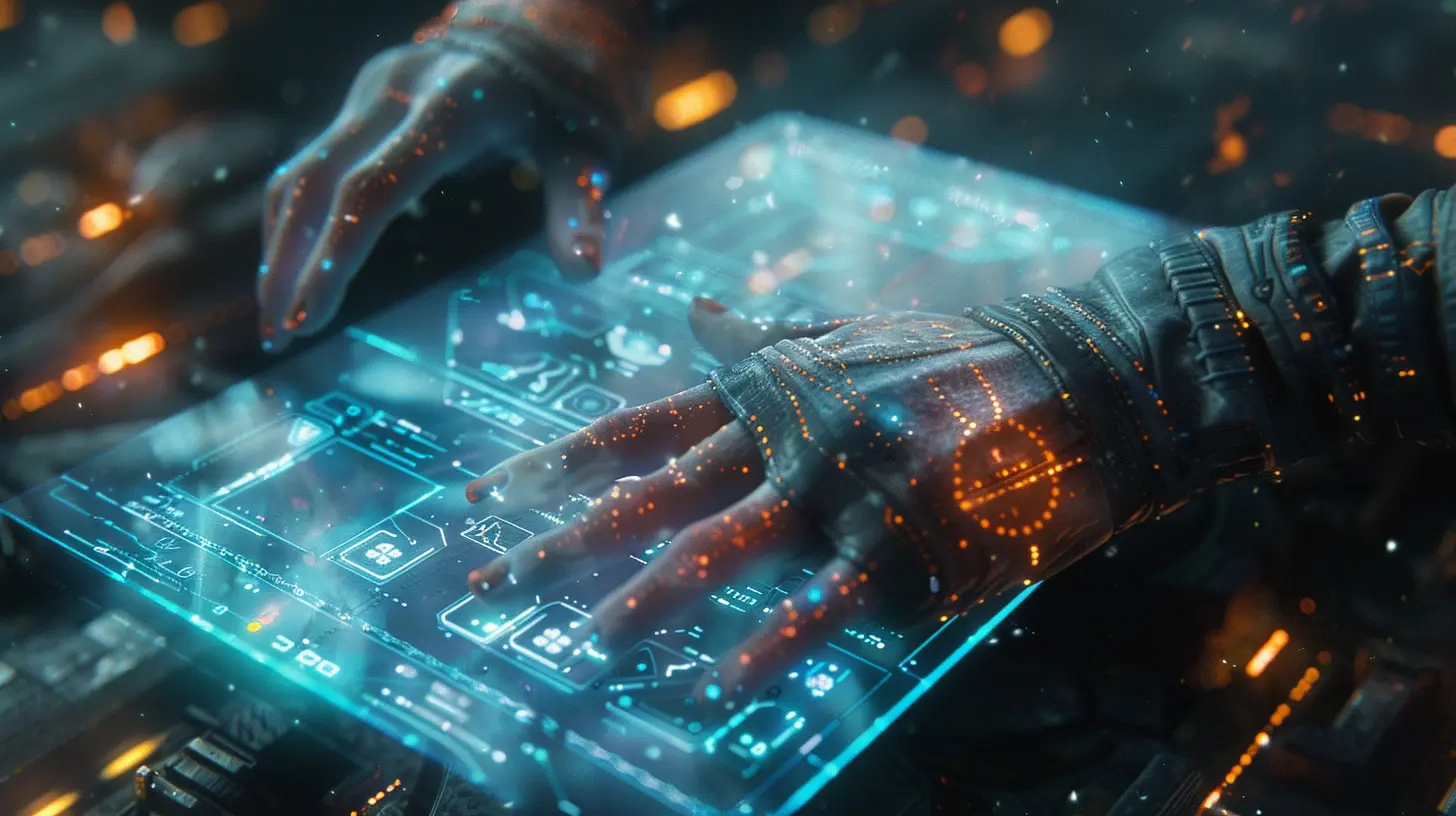
What is Gamification, Anyway?
At its core, gamification is the clever use of game elements—points, levels, badges, leaderboards, and virtual rewards—to make non-game activities more engaging. Think of it as sprinkling a little Xbox Live over your to-do list.Whether it’s tracking your water intake or smashing out a workout, gamification turns boring, repetitive tasks into something fun and rewarding.
You’ve probably experienced it without even realizing. Got a Duolingo streak? That’s gamification. Earning badges on your Fitbit? Yep, that too. Even unlocking achievements on your PlayStation? Classic gamification.
Why Digital Rewards Matter
So, why are digital rewards such a big deal? Aren’t they... kinda fake? Well, yes and no. While you can’t hold a digital reward in your hand, the psychological impact is very real.Picture this: You're learning a new language. You get a badge for completing a 5-day streak. It’s literally pixels on a screen—but it feels good, right? That’s not by accident.
Digital rewards tap into our brain's dopamine system—every time we complete a task and get a shiny reward, our brain goes, “Hey, that was awesome. Let’s do it again!” It’s the same system that makes games so addictive. Only now, it's helping us build good habits and crush real-life goals.
Leveling Up in Real Life: Where Gamification Is Killing It
Gamification isn’t just a thing for gamers anymore. Tons of industries are using it to boost motivation, increase engagement, and even drive change. Let's look at a few fields where it has gone from "nice idea" to "absolute game-changer."? Education
Traditional learning is often a slog. But slap on some points, levels, and unlockable content, and suddenly kids are fighting to be the top scorer in math class. Apps like Khan Academy and ClassDojo use digital rewards to make learning feel like a continuous adventure. Students stay motivated, and teachers can track progress in real-time. Win-win!?️ Fitness & Health
The fitness industry is practically the boss-level player in gamification. Apps like Fitbit, Strava, and MyFitnessPal have made counting steps, logging meals, and completing workouts feel like daily challenges. Virtual medals, streaks, and leaderboard rankings turn sweating into a sport within the sport.? Mental Health & Wellness
Surprise! Gamification even helps with mindfulness and mental health. Apps like Headspace and Moodpath use gentle nudges, challenges, and progress trackers to reward consistency. Your brain gets healthier, and you feel accomplished—without needing to beat a final boss.? Work & Productivity
Gamifying work might sound weird, but it works. Platforms like Trello or Asana offer achievement systems, progress checklists, and badges. Even simple features like completing a task can be oddly satisfying when a progress bar hits 100%. It’s like crossing the finish line of a digital marathon.
The Psychology Behind Gamification
Okay, let’s go a bit deeper. Why does gamification work so well? It’s not just because we like shiny things. There’s a method to the madness.1. Intrinsic vs. Extrinsic Motivation
Gamification blends two powerful forces:- Intrinsic motivation: Doing something because it feels good (like learning a song on guitar).
- Extrinsic motivation: Doing it for a reward (like getting a trophy).
Digital rewards often start as extrinsic—you want the badge, the points, the leaderboard spot. But over time, they reinforce your internal drive. You start looking forward to the action itself. That’s the sweet spot.
2. The Dopamine Hit
Each small reward triggers a burst of dopamine. That’s your brain’s feel-good chemical. It’s the same reason people get hooked on social media likes or video game loot drops. With gamification, you're using that system for good.3. Progress = Motivation
When you can track your progress, it becomes tangible. Even if you’re just 10% through a course, seeing that bar fill up gives you a sense of momentum. And momentum is everything. It turns “I’ll do it tomorrow” into “Just one more level."Designing Meaningful Digital Rewards
Good gamification isn’t about tossing random points at people and hoping they stick around. It’s an art. A balance. Here’s how the best platforms do it:? Make It Purposeful
Rewards should be tied to meaningful actions. Don’t give points for logging in. Give them for completing real steps—solving a problem, finishing a chapter, sticking with the habit.? Offer Variety
Mix it up! Some users like visual badges, others want rankings, and some crave unlockable content. Keep your rewards diverse to appeal to more people.? Keep It Fair
If the system feels rigged or impossible, people bounce out fast. Make sure rewards are achievable with effort—not just luck or payment.? Build A Community
Leaderboards, team challenges, and social sharing add layers of engagement. People like doing things together—and they REALLY like winning in front of a crowd.Challenges in Gamifying Progress
Like any good game, there are obstacles. Gamification isn’t perfect, and it can backfire if not done thoughtfully.- Overjustification: If users rely too much on rewards, they might lose interest once the rewards stop.
- Addiction Risk: Yep, over-gamification can lead to compulsive behavior. Like chasing achievements over actual improvement.
- Shallow Experience: Some systems prioritize points over purpose. That leads to people gaming the system instead of improving themselves.
That’s why balance and intention matter. The goal isn’t to trick users—it’s to empower them.
How Businesses Can Leverage Digital Rewards
If you’re running a platform, brand, or product, gamifying your user experience can seriously boost engagement. Here’s how to hop on board:1. Define the core behavior you want to encourage (e.g., daily check-in, completing a task, sharing content).
2. Identify rewards that feel valuable to your audience—not always monetary. Sometimes a badge is enough.
3. Design a clear, intuitive progression system—levels, achievements, or skill trees give a strong sense of direction.
4. Test and iterate. Watch what works. Improve what doesn’t. Keep feedback loops open.
Done right, gamification keeps users coming back—not out of addiction, but out of joy and purpose.
The Future of Gamified Progress
So what's next in the world of digital rewards? Think bigger. Think smarter. We’re already seeing:- AR/VR experiences where earning rewards feels almost physical
- AI-driven challenges that adapt based on your progress
- Blockchain-based rewards (hello, NFTs and tokens!) offering trackable, transferable digital achievements
Gamification is going beyond screens. It’s shaping how we interact with the real world—from smart cities offering rewards for eco-friendly behavior to educational systems redefining how we grade success.
Final Thoughts: We All Want to Feel Like Heroes
Let’s be real—we all want to feel like we’re accomplishing something. Like we’re progressing. Like we’re winning.Gamification brings that hero’s journey into our everyday lives. With the right digital rewards, we don’t just feel progress—we see it, measure it, and celebrate it.
So whether you’re designing the next big app or just trying to build better habits, remember: you don’t need to slay dragons to feel successful. Sometimes, the real loot is getting 1% better every day—and collecting a digital high-five along the way.
Game on.
all images in this post were generated using AI tools
Category:
Gaming AchievementsAuthor:

Greyson McVeigh
Discussion
rate this article
1 comments
Xylo McBride
Gamifying progress enhances engagement and motivation through meaningful digital rewards.
June 17, 2026 at 4:01 AM
Greyson McVeigh
Absolutely! When rewards feel meaningful, they create a deeper connection and drive motivation. It's all about making the journey enjoyable.