Telling a Story Without Words in Interactive Games
17 May 2026
If you've ever been knee-deep in a game that gave you chills—or made you tear up—without a single line of dialogue, you're not alone. It’s kind of magical, right? Some games don’t bother with scripts or cutscenes. Instead, they show you everything. They let you feel your way through a story using the world, visuals, gameplay, and sometimes just silence. This is the art of telling a story without words in interactive games, and honestly? It can hit harder than any monologue ever could.
Let’s dive into how developers and designers craft these experiences, why this method works so well, and how it’s changing the way we connect with virtual worlds.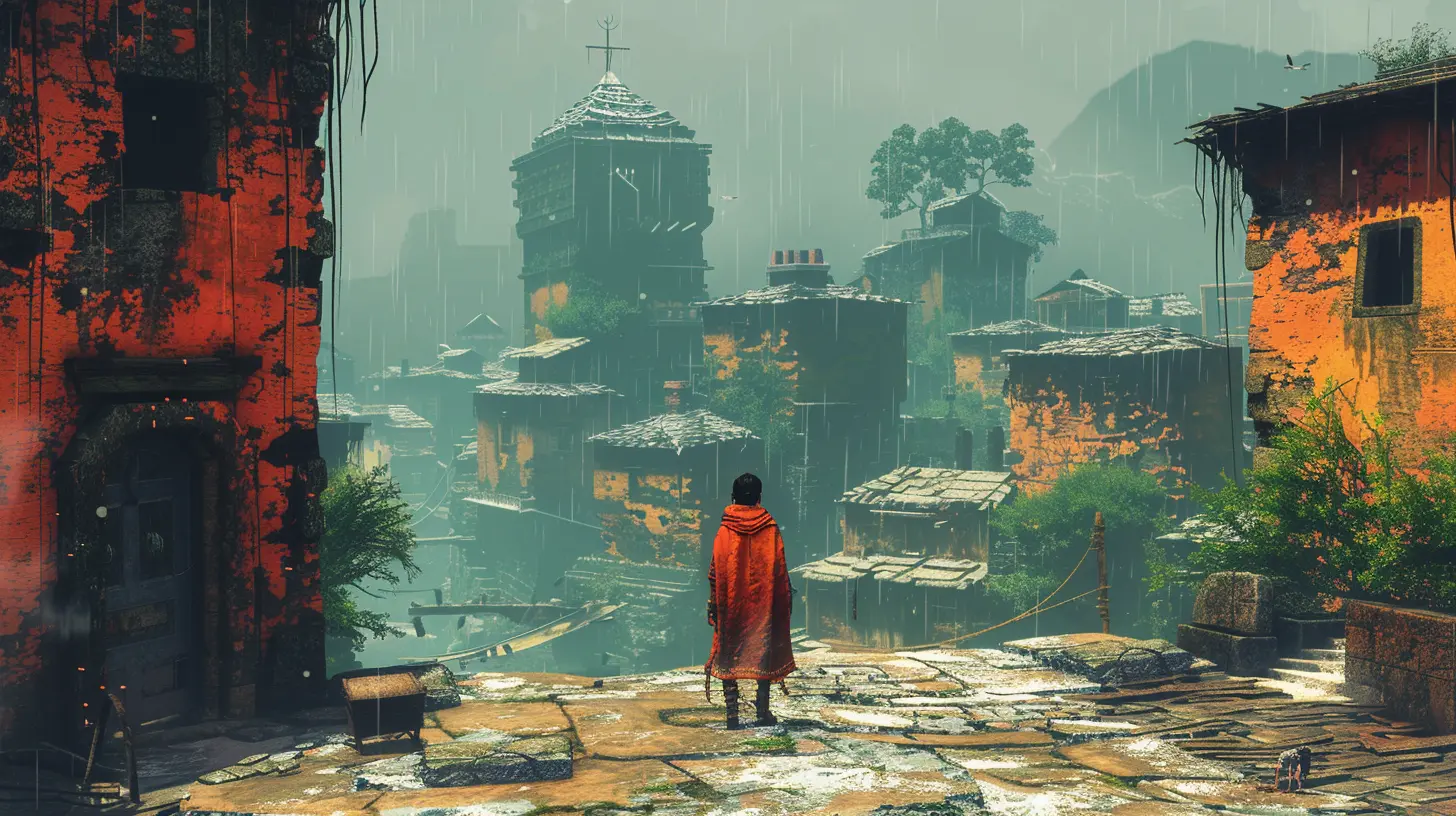
Why Storytelling Without Words Works So Well
Think about the last time a piece of visual storytelling left you speechless. Maybe it was a game like “Journey” or “Inside.” No dialogue. No text. Still, you knew what was happening. You felt it in your gut.It Taps Into Human Instincts
We’re hardwired to respond to visuals. Before humans ever wrote books or scripts, we painted stories on cave walls. In the same way, games without words speak to us on that primal level. They bypass the language filter and go straight to emotion.It Encourages Deeper Immersion
When a story isn't handed to you on a silver platter, you actually pay more attention. You start noticing the little things—the way a character moves, how the environment changes, the music that subtly shifts tone. You're no longer just playing; you're interpreting, filling in the blanks with your own thoughts. It's like being part player, part storyteller.
Visual Storytelling: Painting A Narrative With Pixels
One of the biggest tools in the no-word storytelling toolbox is, of course, visuals. And no, we're not just talking about pretty graphics.Environment is Everything
Some games are pure masters at creating worlds that tell stories just by existing. For example, “Inside” (by Playdead) is bleak, cold, and oppressive. You don’t know why you’re running or what you're running from, but the crumbling buildings, eerie forests, and lifeless cities fill in the blanks. The environment becomes the narrator.It’s not just decoration—it's dialogue, character development, and mood setting all in one.
Character Design and Animation Speak Volumes
In non-verbal games, how a character looks and moves can say everything about who they are or what they’re feeling. Think of “Journey.” Your character is just a robed figure. No face. No voice. But when they slide down dunes or reach out to another traveler, you feel a deep sense of wonder, loneliness, and connection.Body language is the star here. Developers use subtle animations—things like a character slouching, moving hesitantly, or speeding up in panic—to communicate exactly what's going on internally.
Sound and Music: The Invisible Narrators
Let’s not forget audio. While there's no spoken dialogue in these games, the sound design is often louder than words.Ambient Sounds Create Atmosphere
You know that eerie silence just before something bad happens? Or the subtle creaking of a wooden floorboard that sends a chill down your spine? Ambient sounds can set a tone faster than five paragraphs of exposition.Games like “Limbo” use silence and sparse sound to ramp up tension. Every footstep, every echo becomes a part of the narrative.
Music Drives Emotion
Music is one of the most direct lines to human emotion. A rising crescendo can make your heart race. A lonely piano melody? Instant tears. Take “Journey” again—the score reacts dynamically to your actions. It swells when you take off into the air, creating a moment that feels epic without needing to explain why.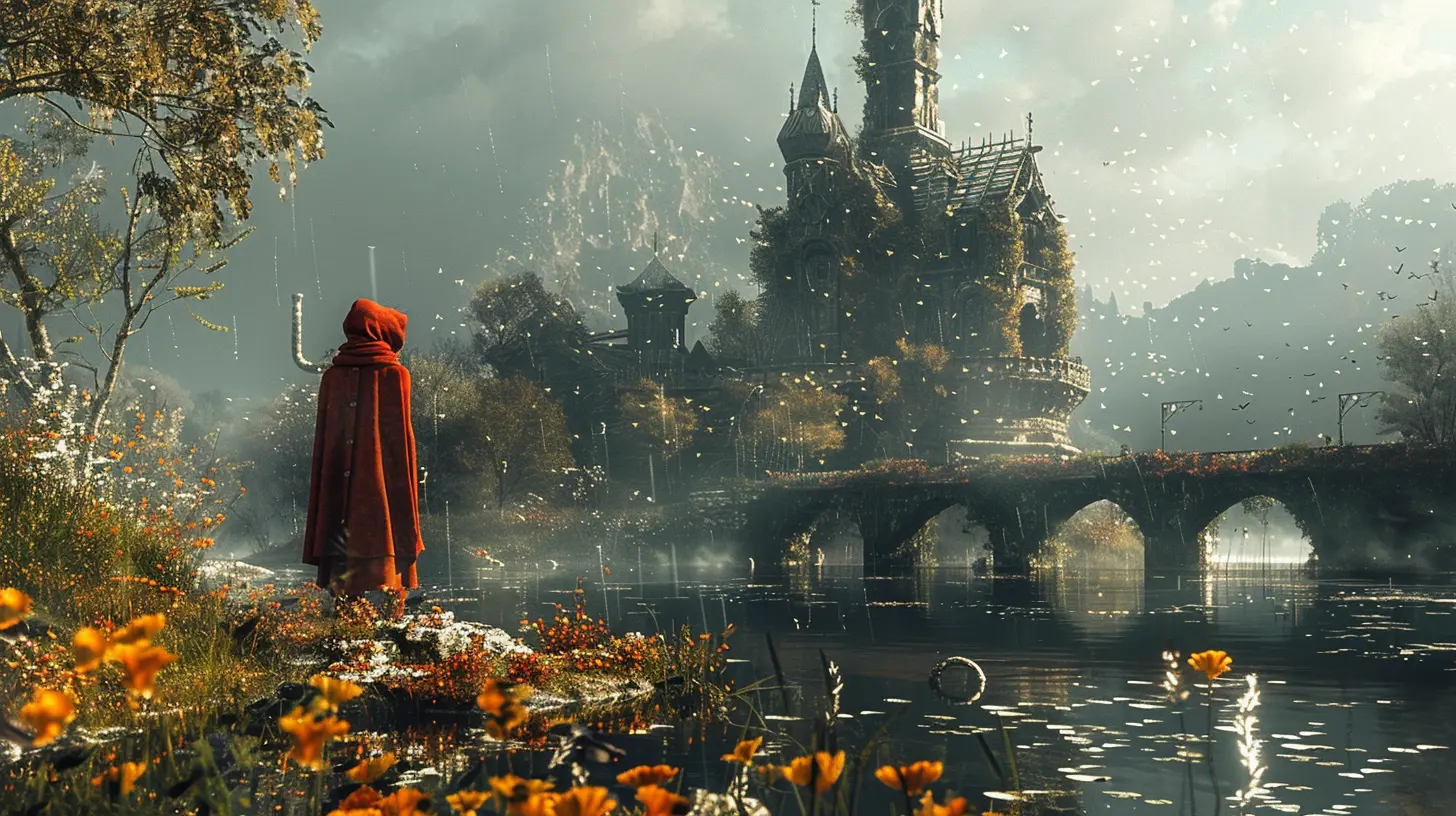
Gameplay Mechanics as Storytelling Tools
Here's another clever trick in the no-word storytelling playbook: gameplay mechanics that reflect narrative themes.Progress = Emotion
In many of these titles, your progress through the game mirrors the emotional or narrative arc. You're not just jumping across platforms for fun—you’re escaping, chasing, discovering. What you do is a direct part of the story.Take “Brothers: A Tale of Two Sons.” One thumbstick controls one brother, the other thumbstick controls the other. It’s a bit awkward at first—but that’s the point. As the game progresses, you learn to sync them, to work together. And when something tragic happens (no spoilers!), the gameplay mechanic itself changes in a way that tells the story better than any script ever could. You'll feel it in your fingers.
Environmental Puzzles as Dialogue
In wordless games, puzzles often serve as conversations or clues about the world. Solving them isn’t just about “winning”—it’s about understanding. Why is this door locked? Why is that bridge broken? Every action you take deepens your connection to the story.Symbolism and Metaphor: When Objects Speak Louder than Words
Some things just don’t need to be spelled out. A broken mask, a single flower blooming in an otherwise dead world, or the slow crumbling of architecture—it’s all symbolic. And in games that don't use text or voice acting, symbolism becomes the primary language.Personal Interpretation = Personal Connection
One of the coolest parts of wordless storytelling? It means different things to different people. You bring your own feelings, your own baggage, into the experience. That flower might represent hope to one player and grief to another. That’s powerful.The Social Element: Shared Experiences Without Shared Dialogue
What happens when two players connect without words? It doesn’t sound like much of a multiplayer experience, but oh man—it can be magic.Journey’s Wordless Multiplayer
Let’s go back to “Journey” one more time (can you tell we love it?). In this game, random players can join your session. You can’t chat. You can’t send messages. All you’ve got is a button that makes a musical chime.And somehow, it’s enough.
Players communicate through movement, gestures, and those little sound pings. They wait for each other, help one another. It’s proof that connection doesn’t always require conversation.
Challenges of Wordless Storytelling
Of course, this style of storytelling isn’t without its hurdles.It’s Easy to Miss the Point
Without traditional storytelling cues, some players might miss key parts of the narrative. Not everyone picks up on subtle details. Developers have to trust the player’s curiosity—or risk losing them.Limited Accessibility
For some gamers, especially those with cognitive or visual impairments, non-verbal games can be confusing or inaccessible. It’s important for devs to include tools or modes that help all players enjoy the experience.Games That Nailed It
Let’s give a quick shout-out to some titles that absolutely crushed the art of wordless storytelling:- Journey – Possibly the gold standard. Visuals, music, multiplayer—everything works together flawlessly.
- Inside – Dark, mysterious, emotionally gripping without saying a word.
- Limbo – Bleak, minimalistic, and way more intense than you’d expect.
- Abzû – A relaxing underwater journey told entirely through exploration and awe-inspiring underwater creatures.
- Gris – Every stage represents a stage of grief. You feel it through color, movement, and soundtrack—not a single line of text.
- Shadow of the Colossus – Sparse dialogue, but the real storytelling happens in the gameplay. Each colossus you slay raises questions about your motives and morality.
Why It Matters: Less is Sometimes More
In an age where games are packed with side quests, dialogue trees, and endless lore, it’s refreshing to be reminded that sometimes a look, a sound, or a movement says more than 1,000 words ever could.Wordless storytelling allows players to engage on a more emotional and interpretive level. It leaves space for imagination and introspection. And in a way, it respects us as players—trusting that we can piece together the message without being spoon-fed.
Final Thoughts
Games are one of the most versatile storytelling platforms we have today. And the ability to craft a rich, emotional, unforgettable story without using a single line of dialogue? That’s next-level artistry. Developers who nail this approach are not just making games—they’re making experiences that stay with you long after the controller's been set down.So the next time you play a game with no words, lean in. Pay attention. Let the story unfold in silence—because sometimes, silence speaks the loudest.
all images in this post were generated using AI tools
Category:
Game NarrativesAuthor:

Greyson McVeigh
Discussion
rate this article
2 comments
Felix Fields
Games can speak volumes without dialogue; the experience is the true story.
July 7, 2026 at 2:49 PM
Greyson McVeigh
Absolutely. The emotions and experiences evoke deeper connections, often telling a story that words can't capture.
Erin McCarty
I find it fascinating how games can convey deep narratives through visuals and gameplay instead of dialogue. What are some examples that left a lasting impact on you?
June 16, 2026 at 4:29 AM
Greyson McVeigh
I agree, it's powerful. "Journey" and "Celeste" both tell profound stories without heavy dialogue, using visuals and gameplay to evoke strong emotions.