Taking a Leap: Why Indie Developers Turn to Kickstarter
26 January 2026
Have you ever wondered how some indie games manage to go from a small dream in someone’s garage to a full-fledged game that millions of people play? It’s not magic—it’s crowdfunding, and specifically, Kickstarter has become the lifeline for indie developers across the globe. But why is Kickstarter the go-to platform for so many game creators? Let’s take a deep dive into this fascinating trend and explore why developers are taking the leap.
The Perfect Storm: Indie Games and Kickstarter
In the world of video games, the indie market is where creativity flourishes. Indie developers bring us quirky ideas, unique gameplay, and stories that mainstream publishers often shy away from. But there’s one big problem—money. Developing a game, even a relatively small one, costs a lot. We’re talking about years of hard work, licenses, tools, and marketing. It’s not cheap.Enter Kickstarter.
Kickstarter, founded in 2009, is a crowdfunding platform that allows creators to pitch their ideas to the public. People back these projects with their wallets, essentially pre-ordering the product or supporting the creator because they believe in the vision. For indie developers, it’s the perfect solution: no loans, no venture capital, just straight-up enthusiasm from gamers who want their dream games to become reality.
Why Funding a Game is a Monumental Task
You might be wondering, "Why can’t developers just save up or find a publisher?" Well, creating a video game isn’t like baking cookies. It’s more like building a house—complicated, time-consuming, and expensive. Here’s why:1. Development Costs: Game engines, art assets, sound design, programming—everything requires specialized skills. Even if the developer is a one-person army, they still need software licenses and hardware.
2. Time: Games don’t just fall out of the sky. Depending on the scale, a game could take anywhere from six months to five years to complete.
3. Marketing: A game could be incredible, but if no one knows about it, it’s dead on arrival. Marketing isn’t cheap either.
That’s a tall order, especially for small studios or solo developers. Publishers could fund these efforts, but that comes at a cost—usually creative control. That’s why many indie developers prefer to go it alone. But, of course, they still need money. This is where Kickstarter shines.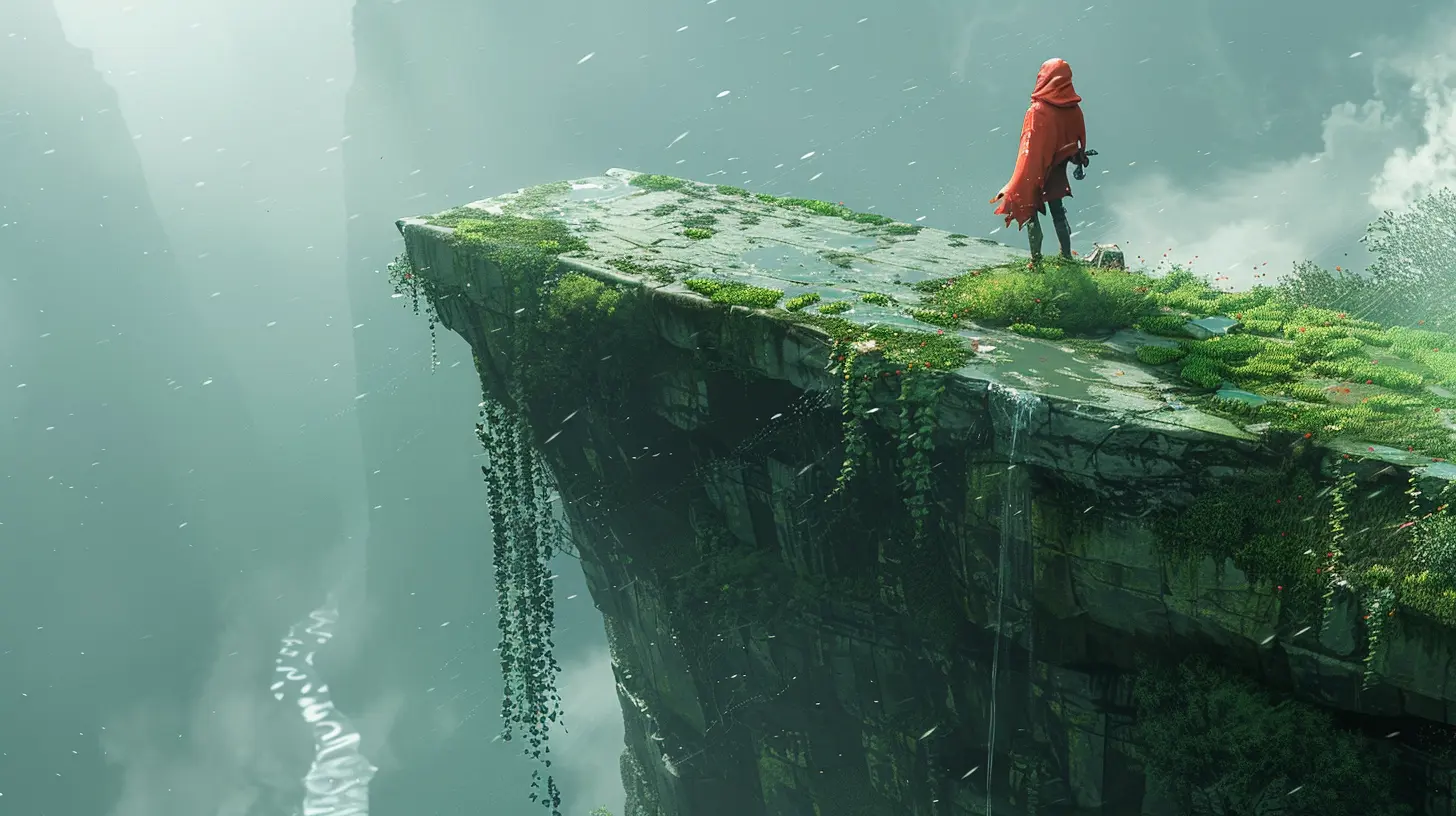
Risk vs. Reward: The Appeal of Kickstarter for Developers
So why take the leap? Why bother pitching your idea to thousands of strangers online when the outcome isn’t guaranteed? Well, the risk is big, but the rewards can be massive. Here’s what Kickstarter offers to indie developers:1. Creative Freedom
Traditional publishers often demand changes to a game to make it more marketable. Want to create a story-driven game about an angsty pigeon detective? A publisher might say, “No thanks.” On Kickstarter, there’s no one to veto your idea. Backers want your vision, not a watered-down version of it. That’s an incredibly liberating feeling for creators.2. Community Engagement
One of the best things about Kickstarter is that it allows developers to connect directly with their audience. Backers can offer feedback, suggest features, and sometimes even help with testing. This creates a sense of ownership and community around the game, which can be invaluable when it finally launches.3. Validation
Sometimes, all a game needs is proof that people care about it. A successful Kickstarter campaign can show potential investors or publishers that there’s a demand for the game. It’s like a giant thumbs-up from the gaming community.4. Marketing Before Launch
Running a Kickstarter campaign is like hitting a giant “start” button on your marketing efforts. You get eyes on your project early, build hype, and generate word-of-mouth long before the game is even finished.
Success Stories That Inspire
You’ve probably heard of some of the massive successes Kickstarter has brought to life. Let’s look at a few that prove just how powerful the platform can be for indie developers.1. "Hollow Knight"
Team Cherry, a small indie studio, used Kickstarter to fund their gorgeous Metroidvania game. They raised over $57,000 AUD, smashing their initial goal. Today, "Hollow Knight" is considered a masterpiece and has sold millions of copies worldwide.2. "Shovel Knight"
Yacht Club Games launched "Shovel Knight" with the help of a $300,000 Kickstarter campaign. Not only did the game become a huge hit, but it also launched a franchise, with spin-offs and amiibo figures to boot.3. "Undertale"
Before it became a cultural phenomenon, "Undertale" was just an idea pitched by Toby Fox on Kickstarter. With over $51,000 raised, he created one of the most beloved indie games of all time.These stories aren’t just exceptions; they’re proof that Kickstarter works when done right.
Challenges of Crowdfunding
Let’s not sugarcoat it—Kickstarter isn’t all sunshine and rainbows. For every success, there’s a project that doesn’t make it. Sometimes, developers bite off more than they can chew, and games fail to deliver on their promises. The risks include:- Underestimating Costs: Stretch goals are great, but they can lead to scope creep, where the project grows out of control.
- Deadline Pressures: Backers expect updates and progress. Developers often feel immense pressure to deliver quickly, which can lead to burnout or cutting corners.
- Unrealistic Expectations: Sometimes, backers have sky-high expectations that are impossible to meet, leading to disappointment.
However, these challenges haven’t stopped indie developers from embracing Kickstarter. If anything, they’re learning from past mistakes to create even better campaigns.
What Makes a Kickstarter Campaign Successful?
If you’re an indie developer thinking about trying your luck on Kickstarter, here are some tips to maximize your chances of success:1. A Clear Vision
Your campaign needs to tell a story. Why are you making this game, and why should people care? A compelling narrative can make all the difference.2. Engaging Visuals
First impressions matter. If your campaign page looks sloppy or poorly designed, people will assume your game will be the same way. Invest time in creating concept art, a teaser trailer, or even a playable demo.3. Realistic Goals
Set an achievable funding goal. People are more likely to back a project if they think it has a good chance of succeeding.4. Transparent Communication
Backers love updates. Whether it’s a new feature, a development hiccup, or just a thank-you message, keeping them in the loop builds trust and loyalty.Conclusion: The Kickstarter Dream
In many ways, Kickstarter isn’t just a crowdfunding platform—it’s a platform for dreams. Indie developers use it because it offers something no publisher or investor can: the chance to create something truly unique without giving up creative control. Sure, it’s risky, and not every campaign sees success, but the ones that do? They change the gaming world.The next time you see a Kickstarter campaign for an indie game, take a second to check it out. Who knows? You might just help fund the next "Hollow Knight" or "Undertale.
all images in this post were generated using AI tools
Category:
Kickstarter GamesAuthor:

Greyson McVeigh
Discussion
rate this article
2 comments
Josephine Morales
This article expertly highlights how Kickstarter empowers indie developers, offering not just funding but also community engagement. It’s fascinating to see how this platform fosters creativity and innovation in a landscape dominated by larger studios.
February 4, 2026 at 5:23 PM
Greyson McVeigh
Thank you for your insightful comment! I’m glad you found the article highlights the vital role Kickstarter plays in supporting indie developers and fostering creativity.
Chloe King
What unique challenges do indie developers face on Kickstarter? I'd love to hear more about their creative processes and success stories!
February 4, 2026 at 4:26 AM
Greyson McVeigh
Indie developers often struggle with limited budgets, visibility, and marketing expertise on Kickstarter. Their creative processes can be deeply personal and innovative, leading to success stories that highlight community support and unique project pitches.