Storytelling Through Collectibles and Hidden Lore
9 May 2026
Ever found yourself rummaging through a half-forgotten cave in a fantasy RPG, only to stumble upon some dusty journal pages that made your jaw drop? Welcome to the underrated, magical world of storytelling through collectibles and hidden lore. These aren’t just random easter eggs or side-tasks — they’re puzzle pieces of a game’s soul.
If you've ever played through a game and felt like the main storyline was just the tip of the iceberg, you’re not alone. Sometimes the real story isn't broadcasted through cutscenes or shouted during boss fights. It's whispered between the lines—tucked away in collectibles, scattered notes, environmental clues, and hidden corners of the game world.
Let’s dive into why this subtle form of storytelling works so well, and why it’s becoming one of the most cherished aspects of modern game design.
What Exactly is "Hidden Lore"?
Before we dive into the deep end, let’s clarify what we mean by "hidden lore."Hidden lore isn't part of the main narrative path. It’s the backstory, the world history, the little details that fill in the blanks. Think cryptic diary entries, ancient symbols on cave walls, forgotten tapes, or out-of-place objects that make you go “wait, what’s this doing here?”
Sometimes you have to go looking for it. Sometimes it finds you. Either way, it’s there to enrich your experience—if you’re paying attention.
Why Collectibles Aren’t Just for Completionists Anymore
Back in the day, collectibles used to be about padding out playtime — like grabbing all 100 feathers or finding all coins. But things have changed. A lot.Now, collectibles have evolved into storytelling devices. You’re not just picking up a shiny thing for achievement points. You’re uncovering someone’s past. You’re piecing together events that happened years before you even stepped into the game world.
Take games like The Last of Us, where picking up a note on a corpse tells you everything about a person’s final moments. Or Hollow Knight, where each trinket and relic carries ancient meaning. These collectibles aren’t just there for gamification — they’re emotional threads in the game’s larger narrative quilt.
The Power of Environmental Storytelling
Let’s talk visuals. Environmental storytelling is when the game communicates narrative through the surroundings instead of words. And if we’re being honest, it’s genius.Walk into a room with a tipped-over crib, blood smeared across the walls, and a half-burned stuffed animal. No context, no explanation — and yet your brain’s already telling you a story.
Legendary games like Bioshock, Dark Souls, and Red Dead Redemption 2 are masters at environmental storytelling. You might not even realize you're absorbing lore while you explore a worn-out battlefield or a derelict mansion.
These visual cues are breadcrumbs that lead to deeper understanding — if you’re curious enough to follow them.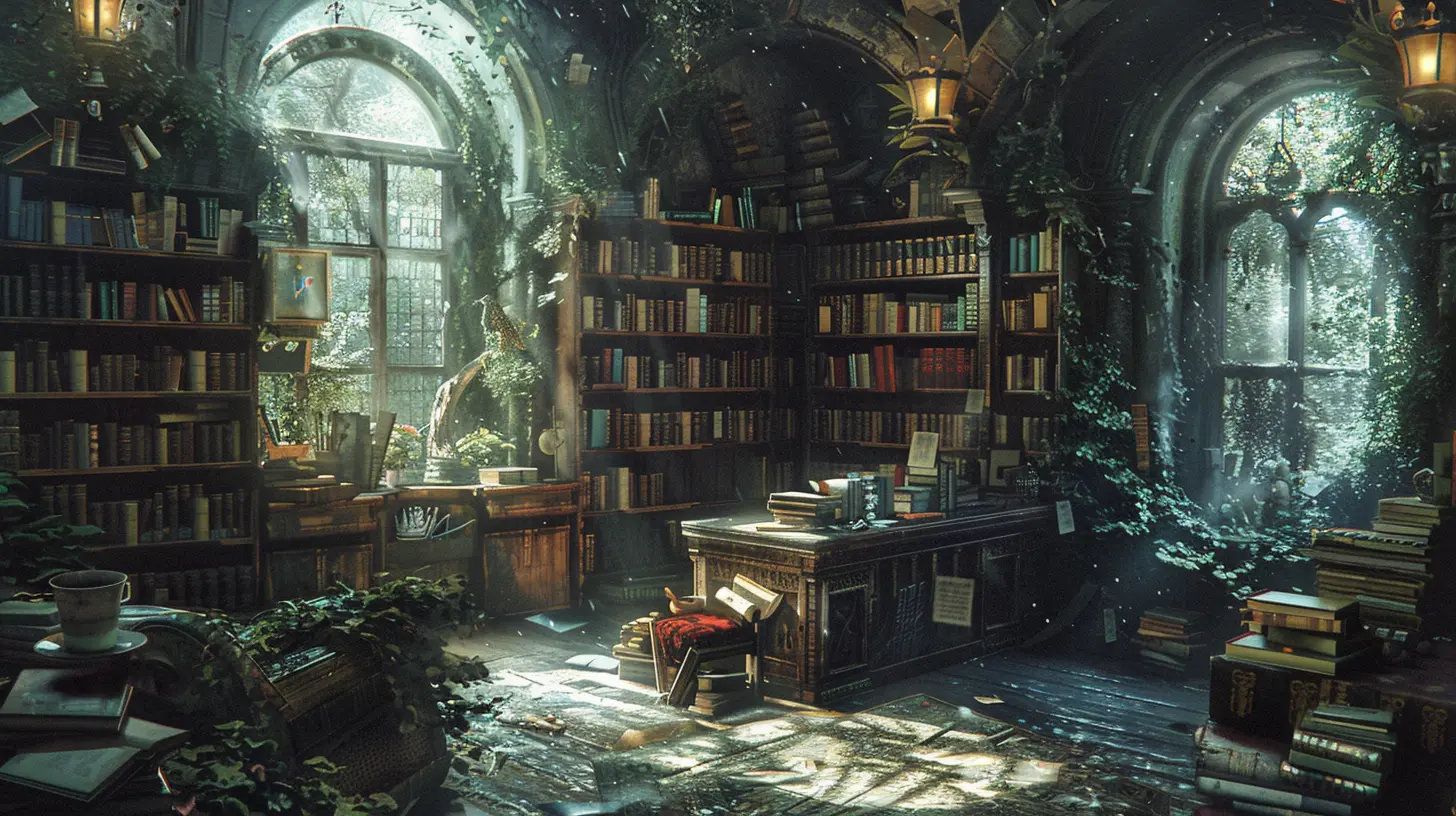
Dark Souls and the Art of Cryptic Lore
Can we just talk Dark Souls for a second?This series basically built a cult following purely through hidden lore. If you just blast through each boss and ignore item descriptions, sure — you’ll beat the game. But if you take the time to read, reflect, and connect the dots? You’ll uncover a rich, tragic, and incredibly layered world that’s way deeper than you first imagined.
Every piece of armor, weapon, and spell has a backstory. Each description adds weight to a character – or subtly hints at events long gone.
It’s not storytelling that’s spoon-fed. You’ve gotta work for it. And that’s the beauty of it. It feels earned.
Why This Type of Storytelling Hits Different
Let’s be real — everyone loves a good cinematic cutscene. But the storytelling that sticks with you? That’s the one you discover on your own.When you uncover a piece of lore through exploration or curiosity, it feels personal. It's like solving a mystery, and each clue makes the world feel more alive.
We’re talking immersion here. It’s not the game telling you a story; it’s the game letting you find it. And that’s powerful.
Player Agency: You’re the Detective Now
What makes storytelling through hidden lore so compelling is the way it hands you the reins. You’re the one putting together the narrative threads.Suddenly, you’re not a passive observer. You’re a detective hunting for clues. A historian piecing together a lost civilization. And isn’t that way more exciting than just pressing X to continue?
This mechanic transforms players from consumers into participants. You’re not just playing the game — you’re unearthing it.
Iconic Examples That Nailed Hidden Lore and Collectibles
Alright, let’s take a stroll down memory lane and call out some champions of collectible-driven storytelling. These games didn’t just do it well — they raised the bar.1. The Elder Scrolls Series
Oh boy, where to begin? Skyrim and Oblivion have entire libraries full of books — yes, actual full-blown books with real stories. Some are funny, some are tragic, and some reveal ancient histories or hidden secrets about the game's world that you’d never get from just blazing through the main quests.2. Horizon Zero Dawn
As you roam the post-apocalyptic beauty of Horizon’s world, you find audio logs and text files from the Old World. These aren't just background noise — they're pieces of a horrifying puzzle that explains how the world fell. It's emotional, raw, and adds layers of meaning to Aloy’s journey.3. Control
Remedy’s Control is a masterclass in world-building through collectibles. Every document, slide, audio file, and video builds this weird, paranoid, otherworldly vibe that the game thrives on. Don't skim those memos — they're often more unsettling than the actual enemies.4. God of War (2018)
Kratos' journey is emotional enough on its own, but it’s the lore you find scattered throughout the realms — stories etched in stone, myths half-remembered — that make the Norse world feel fleshed out and grounded. It's not just a backdrop; it breathes with history.5. Resident Evil Series
You can't talk about hidden lore without giving love to Resident Evil. Memos from terrified scientists, scribbled notes from survivors, even recordings left by the undead—these details tell haunting backstories that make the horror far more impactful.Creating Atmosphere and Emotional Impact
Great lore doesn’t just explain the world — it makes you feel something.That one audio diary that ends mid-sentence as the monster crashes in? It sticks with you.
That journal written by a lonely soldier counting the days until help arrives (spoiler: it doesn’t)? That’s heartbreak in pixels.
When collectibles hit you emotionally, they transcend being “extras” and become essential to your connection with the game.
How Indie Games are Crushing It Too
You don’t need a massive budget or a triple-A studio to weave powerful hidden stories. Indie games are doing it just as well — sometimes even better.Take Outer Wilds, for example. The entire game is basically a treasure hunt for lore. You uncover an ancient civilization piece by piece. No combat. No quests. Just you, your curiosity, and a universe full of secrets.
Or A Short Hike, where seemingly chill exploration reveals deeply personal stories tucked into the island's corners.
These games prove that minimalism and strong storytelling can go hand-in-hand.
Tips for Players Who Want to Dive Deeper
Want to get better at uncovering hidden stories in your favorite games? Here’s a quick cheat sheet:- Read everything — seriously. Even the flavor text.
- Revisit places after key story events. You’d be surprised how they change.
- Look for inconsistencies — they’re often deliberate.
- Talk to NPCs multiple times. They sometimes reveal extra details after certain triggers.
- Don’t be afraid to connect dots. Keep notes if you’re into that.
Remember — the more attention you pay, the more the story pays off.
Why This Matters for Game Developers
From a dev’s perspective, implementing collectibles and hidden lore offers a way to build a layered, believable world without breaking pacing. It’s perfect for non-linear design and rewards exploration in a meaningful way.Plus, it builds a passionate fanbase. Gamers love theorizing, creating lore videos, and writing fan fiction. Give them something to dig into, and they’ll keep your game alive for years.
Final Thoughts
Games aren’t just about saving the princess or shooting the bad guys anymore. They’re about unraveling mysteries, uncovering forgotten histories, and experiencing stories on your own terms.Collectibles and hidden lore turn games from spectacles into experiences. They whisper stories instead of shouting them. And in doing so, they leave a deeper, longer-lasting impression.
So next time you find a scratched-up journal in a forgotten bunker or a worn-out ring in a dusty drawer — don’t just toss it in your inventory. Take a second. Read it. Think about it. You might just unlock the game’s real story.
all images in this post were generated using AI tools
Category:
Game NarrativesAuthor:

Greyson McVeigh
Discussion
rate this article
2 comments
Felicity Chavez
I really enjoyed this article. The way collectibles and hidden lore can deepen storytelling in games is fascinating. It makes exploration feel rewarding and adds layers to the narrative. I always appreciate when a game invites players to dig a little deeper. Great insights!
June 10, 2026 at 2:44 AM
Seth McGhee
What a fascinating read! The way collectibles and hidden lore enrich storytelling in games is truly captivating. It adds layers to the experience, inviting players to explore deeper. Can't wait to discover more about this in upcoming titles!
May 13, 2026 at 2:35 AM
Greyson McVeigh
Thanks for your thoughts! I'm glad you enjoyed the piece. There's so much more to uncover in this area, and I can't wait to see how it evolves in future games too!